contact@haitiwonderland.com+509 36184317

Discover

Shopping Cart

Haiti: Haitian Fritay: An Explosion of Flavors in the Streets

Haiti: Haitian Fritay: An Explosion of Flavors in the Streets

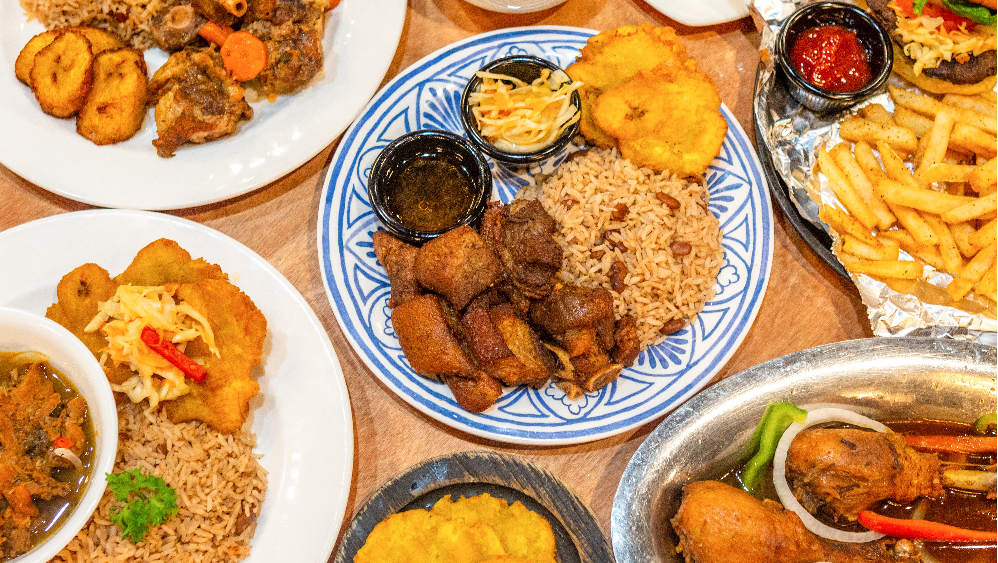
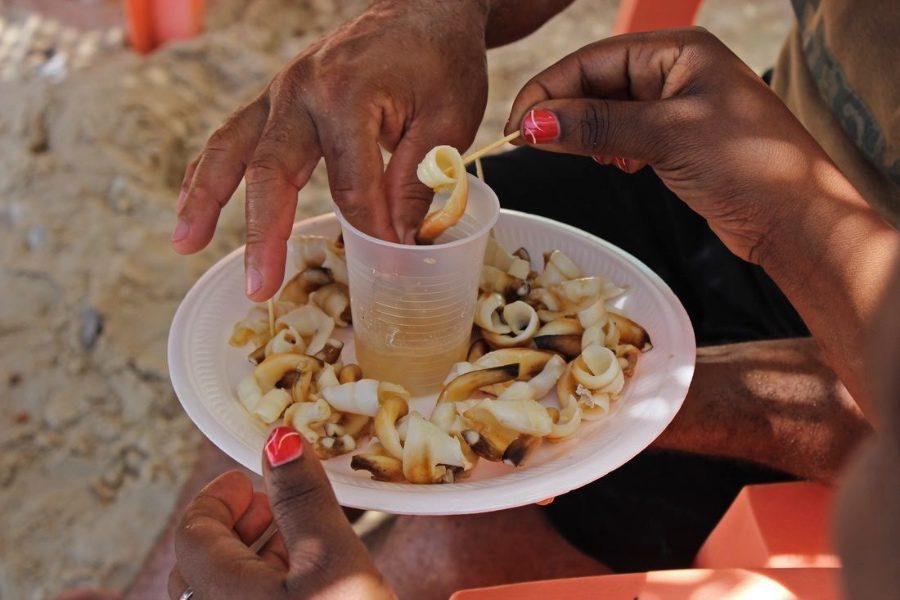
Haiti’s bustling streets often echo with the tantalizing murmur of street vendors selling one of the country’s most prized culinary marvels: Fritay. This street feast, with its mouth-watering fried foods, is a true celebration of Haitian cuisine.

Haïti : Fritay
Haïti : Fritay
Haïti : Fritay

Variety and Tradition

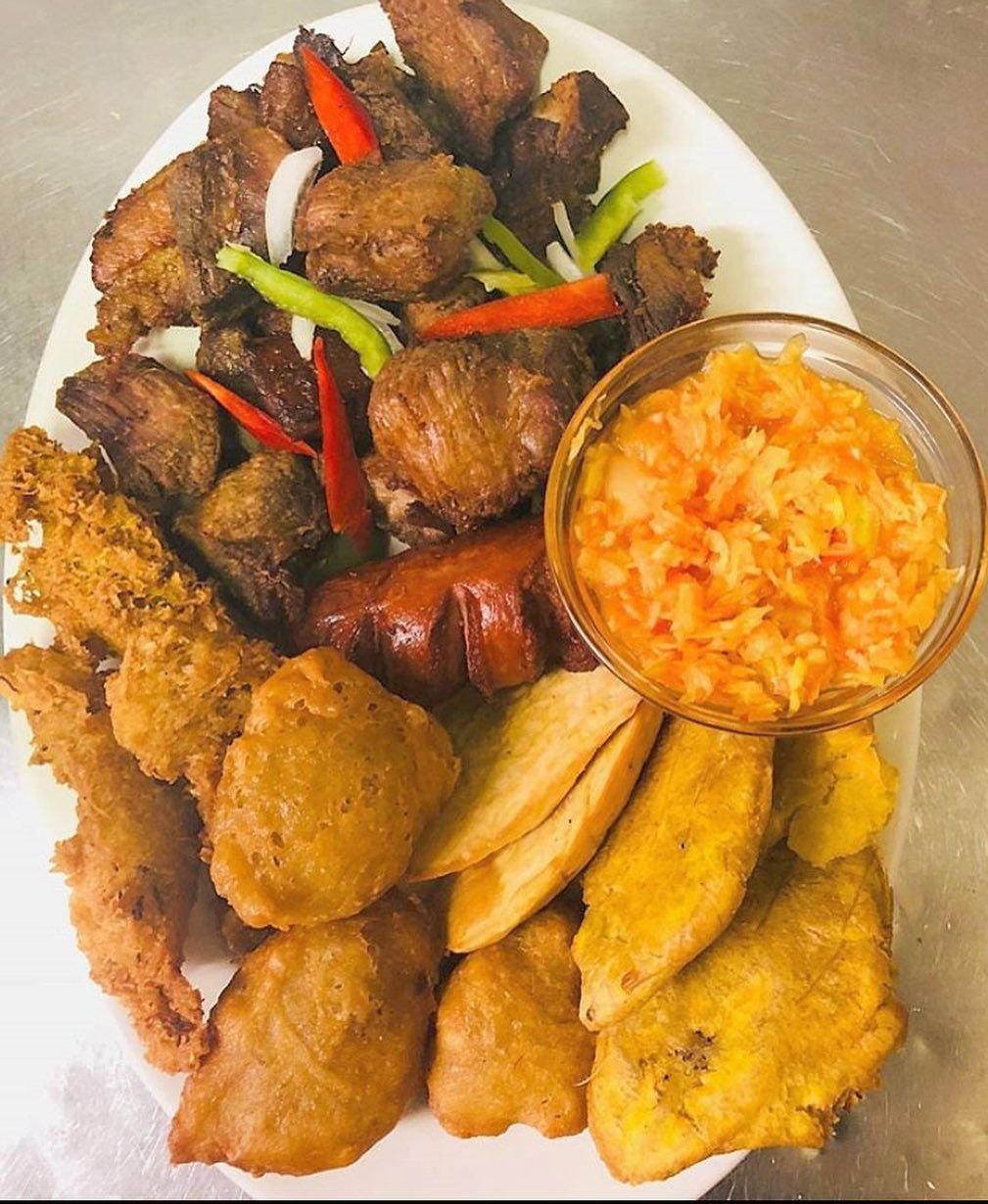
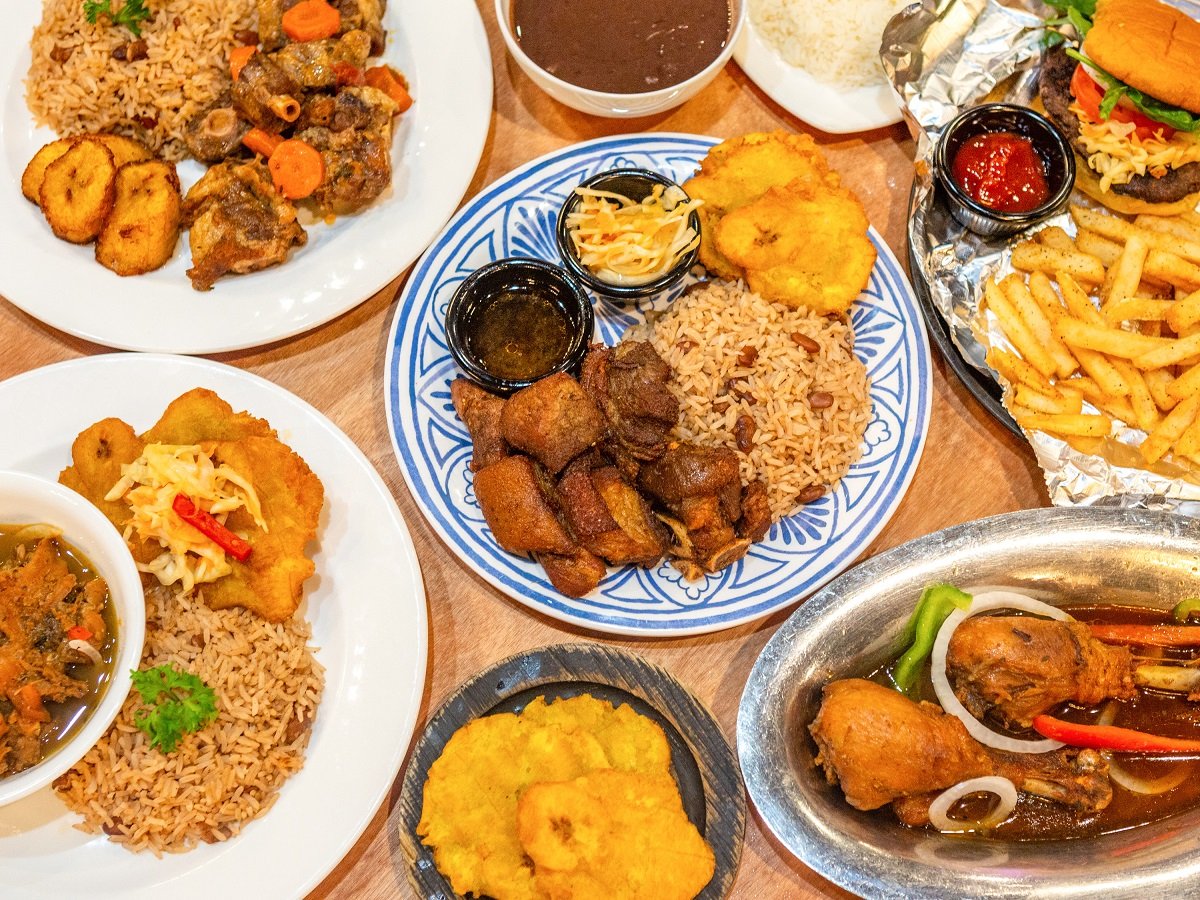
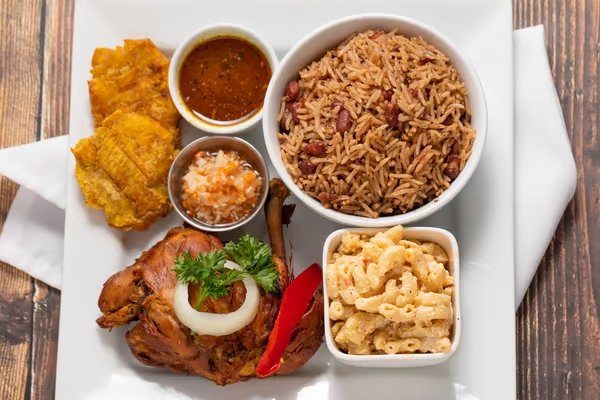
The Haitian Fritay is a culinary experience that transcends the boundaries of a simple street meal. It is a true institution, a cultural heritage that brings together local residents and visitors around a common passion for unique flavors. Some of the most popular delicacies include fried plantains, pate kòde, accra, pickle and many more.

Haïti : Fritay
Haïti : Fritay
Haïti : Fritay

Fried Plantains: A Symphony of Crispy and Sweetness

Plantains, green bananas with firm flesh, are often the star of Haitian Fritay. These plantain slices are dipped in a special batter, then fried until they reach crispy perfection. The contrast between the golden, crisp exterior and the tender, sweet interior of the plantains creates a symphony of flavors that delights the taste buds.

Haïti : Fritay
Haïti : Fritay
Haïti : Fritay

The Haitian Griot

The Haitian griot, culinary jewel of Haitian culture, embodies the very essence of gastronomic creativity and cultural heritage. This dish, often prepared during celebrations and family gatherings, is much more than just a delicious delicacy; it carries within itself the rich and vibrant history of the Haitian people.

At the heart of the griot is pork marinated in a mixture of exotic spices, giving rise to an explosion of flavors on the palate. The careful preparation and patience required to marinate and cook griot reflect the dedication to quality that characterizes Haitian cuisine.

Haïti : Pate kòde
Haïti : Pate kòde
Haïti : Pate kòde

Pate Kòde

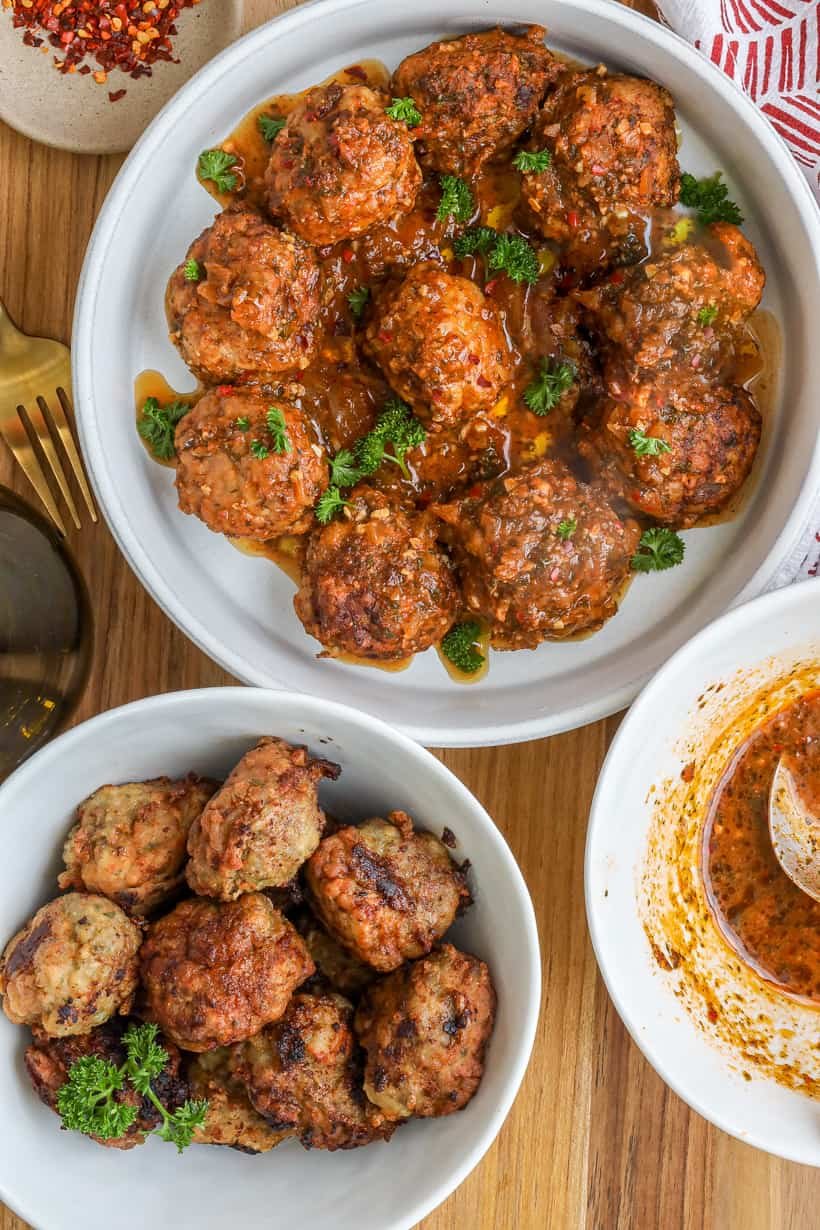
Impossible to walk the Haitian streets without encountering a “Pate Kòde” seller. This traditional delicacy, found in alleyways as well as in upscale restaurants, is a tasty blend of dough, spices, and meat, often chicken. Whichever flavor you choose, each bite is an explosion of authentic tastes.

Haïti : Akra
Haïti : Akra
Haïti : Akra

Accra: An Explosion of Spicy Flavors

Accra, another star of Haitian Fritay, is a spicy creation made from Cassava. Seasoned with local spices, the accra is fried until it has a golden crust, offering an explosion of flavors in the mouth. It’s a must-try for those looking to spice up their Haitian dining experience.

Haïti : Marinad
Haïti : Marinad
Haïti : Marinad

Marinade: Fried and Marinated Pleasure

The marinade is a unique and flavorful blend of flour and spices, often enjoyed with pikliz or sauce. This combination of textures and flavors is a treat for Fritay lovers.

Haïti : Fritay
Haïti : Fritay
Haïti : Fritay

A Tradition That Travels

Although Haitian Fritay is rooted in local culture, it has also resonated beyond national borders. Haitian restaurants around the world often incorporate these iconic street foods into their menus, allowing food lovers to enjoy these delights without having to travel thousands of miles.

Haitian Fritay is much more than just a street food. It is a celebration of the richness of Haitian flavors, a culinary experience that captivates the senses and nourishes the soul. So, whether you’re a local or an intrigued traveler, immerse yourself in the deliciously fried world of Haitian Fritay and discover a symphony of flavors that will remain etched in your taste memory.

Share
About the Author
Haïti Wonderland
Haïti Wonderland
Leave a comment

Recently Posted

Jacmel: the Haitian city whose history is linked to the liberation of Latin America

Jacmel is a city located on the southern coast of Haiti, specifically in the southeastern department. To this day, the city is known for its well-preserved colonial architecture and rich historical heritage, as well as its carnival, one of the most famous in the Caribbean. Jacmel is one of the oldest cities in Haiti. Its origins, according to some historians, trace back to the time of the Taíno people, the island’s first inhabitants, who lived here long before the arrival of Christopher Columbus and his settlers in 1492. Long before it became Jacmel, this city in southeastern Haïti was called Yakimel. The renaming of Jacmel was carried out by the French during their colonization of the western part of the island of Hispaniola. Over the years, Jacmel has transformed into a city where living well blends with the beauty of the sea, in the hearts of its visitors. Nature is fully embraced here, and the sea remains a source of joy throughout the day. Jacmel offers all of this, in addition to its glorious past, which anchors it as a major location in Haiti’s grand history. With its unique charm, Jacmel is among the Haitian cities that can leave a lasting impression. In the 1950s and 60s, until the early 1980s, Jacmel was one of the most popular tourist destinations in the Caribbean due to its reputation as a city with unmatched natural beauty and grace. During this time, the Jacmel coastline warmly welcomed cruise ships filled with tourists from all corners of the world. It was also during this period that Jacmel was one of the most commercially active cities in Haiti, among the country’s most economically flourishing, thanks to the significant influx of tourists.

Newsletter

Subscribe to our newsletter to stay informed of all our activities and news on Haiti.

Haiti: The History of the World’s First Free Black Nation

Haiti, the pearl of the Antilles, is a Caribbean island with a rich and complex history. However, its special status as the world’s first free black nation gives it a unique place in the annals of history. This small island was the scene of an extraordinary revolution which resulted in independence, thus marking the beginning of a new era for the black community and the abolition of slavery. Let’s delve into the captivating story of the birth of the first black republic, Haiti. b~The colonial era and slavery~b Haiti’s history dates back to the arrival of Europeans in the 15th century, when Christopher Columbus discovered the island. European settlers, mainly Spanish and French, introduced slavery to exploit the island’s resources, including sugar, coffee and cotton. The indigenous Native American population was decimated, paving the way for the massive importation of African slaves. b~The Haitian Revolution~b On August 14, 1791, Haitian slaves rose up against their oppressors, sparking the Haitian Revolution. Under the leadership of iconic figures such as Toussaint Louverture, Jean-Jacques Dessalines and Henri Christophe, the insurgent slaves inflicted defeats on European armies, demonstrating fierce resistance and a desperate quest for freedom. b~The Declaration of Independence and the creation of the Republic of Haiti~b On January 1, 1804, Haïti proclaimed its independence, becoming the world’s first free black nation. This historic declaration symbolized the end of slavery and the triumph of the will of a people determined to live free. The Republic of Haïti was born in struggle and blood, asserting its autonomy in the face of the colonial powers. b~Post-independence challenges~b However, independence did not mean the end of challenges for Haiti. The country had to face external pressure, reparations imposed by France in exchange for recognition of its independence, as well as internal unrest. Despite these obstacles, Haïti strove to build a free and sovereign nation. The story of Haïti is that of a nation that overcame countless challenges to emerge as a pioneer of freedom for the black population. The Haitian Revolution remains a unique example of resistance, courage and determination, and Haïti continues to carry the torch of independence in the contemporary world. The legacy of this small Caribbean island still resonates today, reminding the world that freedom is a universal right that can be won even in the most difficult circumstances.

A Call for Online Media Awareness to improve the image of Haïti on the internet

A simple Google search for "Haïti" will leave you with a bitter taste, as you will mostly discover degrading images that fail to pay homage to Haïti’s natural beauty, rich history, and vibrant culture. This reality stems from a multitude of online media outlets that, in their relentless quest for visibility and profit, disseminate images that do not reflect the true essence of Haïti. It is time to challenge this trend and raise awareness among Haïtian online media of the profound impact of their editorial choices on the image of their own country. b~The Consequences of the Dissemination of Degrading Images:~b Sharing degrading images of Haïti contributes to perpetuating prejudices and reinforcing negative stereotypes associated with the country. This can have serious consequences for tourism, foreign investment, and even the national pride of Haïtians. Furthermore, it creates a distortion of reality, masking the many positive and inspiring aspects of Haïti. b~A Call for Editorial Responsibility:~b It is imperative that Haïtian online media take editorial responsibility in ensuring that the images and stories they broadcast reflect the diversity and richness of Haïti. Rather than focusing only on the negative aspects, they should highlight the successes, positive initiatives, and exceptional contributions of Haïtians to global society. b~Promote a Balanced Image:~b Haïti’s diversity, both culturally and socially, deserves to be celebrated. Haïtian online media have the opportunity to play a key role in promoting a more balanced image of the country by highlighting its successes, its innovations and its rich history. This will not only help educate the global public, but also inspire pride and confidence in Haïtians themselves. It is time for Haïtian online media to realize their power as opinion shapers and actively contribute to transforming Haïti’s image. By choosing to share balanced and positive stories, they can play a vital role in building a more accurate and respectful perception of this remarkable country. It is a call for editorial responsibility, sensitivity and national pride, in order to restore Haïti to its rightful place on the world stage.

Recently Posted

History

History

First black nation to free itself from slavery and gain independence from France in 1804 and influenced other liberation movements around the world, inspiring struggles for freedom and equality.

Natural beauty

Natural beauty

Haïti is blessed with spectacular natural landscapes, including white sand beaches, mountains and rich biodiversity.

Heritage

Heritage

Haïti has a rich historical heritage, including sites like the Citadelle Laferrière and the Sans-Souci Palace, listed as UNESCO World Heritage Sites.

Culture

Culture

Haïti has a rich and diverse culture, influenced by African, European and indigenous elements. Haitian music, dance, art and cuisine are celebrated around the world.

  • +
    • Post