contact@haitiwonderland.com+509 36184317

Discover

Shopping Cart

What is the name of Haiti’s largest plateau?

What is the name of Haiti’s largest plateau?

Haiti’s largest plateau is the Central Plateau. This vast territory, located in the central region of the country, is an emblematic area of ​​Haiti’s environment, rich in natural resources, history, and agricultural potential. In this article, we will explore the characteristics of this plateau that make it an essential region for understanding Haiti.

Impressive Geography

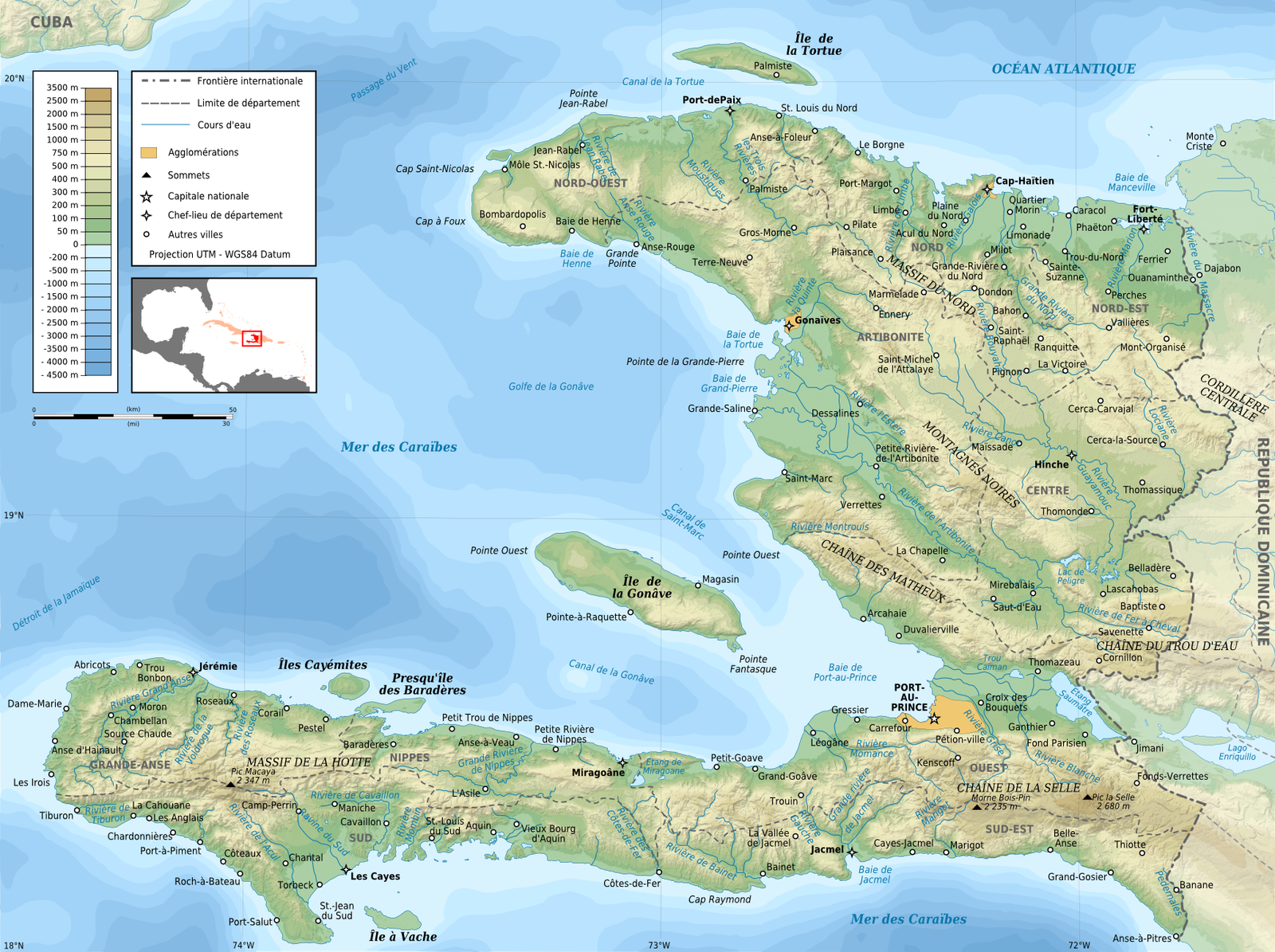
The Central Plateau in Haïti is a vast region located mainly in the Centre department. It is characterized by an interior plain surrounded by mountains, notably the Matheux Range to the west and the Trou d’Eau Range to the east.

Crossed by several rivers, including the Artibonite River, it plays a strategic role in agriculture thanks to its fertile land and water resources. Its geography also makes it an important area for the preservation of local ecosystems.

Immense Agricultural Potential

The Central Plateau is a key area for agriculture in Haiti. Thanks to its fertile land, it is used to grow numerous crops, such as:
- Corn, an essential grain for the local diet.
- Beans, which are an important source of protein for Haitians.
- Tropical fruits, such as mangoes, bananas, and citrus fruits, which thrive in this favorable climate.

Farming practices are still often traditional, but they provide income for thousands of families living in the region. However, soil erosion and deforestation represent major challenges that require sustainable solutions.

A Place Rich in Biodiversity

In addition to its agricultural importance, the Central Plateau is home to unique biodiversity. Its forests, although threatened, are habitats for numerous animal and plant species. The region is also an important freshwater reservoir, thanks to its rivers and its role in feeding the Péligre Dam, which is crucial for irrigation and electricity production in Haiti.

A region steeped in history

The Central Plateau is also a historic site. During the Haitian Revolution, this region was the scene of several decisive battles. Its proximity to the mountains provided a strategic refuge for the combatants.

Today, the remains of this era and local traditions attest to the historical and cultural importance of the Central Plateau. It is also known for its local festivals, which bring communities together and celebrate their rich heritage.

Some key figures about the Central Plateau

- Area: Approximately 5,000 km², making it one of the largest flat areas in the country. - Average Altitude: The plateau rises to an altitude of 600 to 1,000 meters above sea level.
- Population: More than 1 million people live in this region, spread across urban and rural areas.
- Climate: A tropical climate that favors a wide variety of agricultural crops.

Environmental and Social Challenges

Despite its importance, the Central Plateau faces several challenges. Soil erosion caused by deforestation threatens the fertility of the land, while limited access to modern infrastructure hinders the region’s development.

The inhabitants of the Central Plateau are actively working to preserve their land and improve their living conditions. Reforestation initiatives, rural development programs, and education projects are underway to meet local needs and enhance the value of this territory.

The Central Plateau, a symbol of resilience and natural wealth

The Central Plateau is much more than just a geographical region of Haiti; it is a place where nature, history, and culture come together to shape the country’s identity. It embodies the challenges and opportunities that define Haiti, while offering a glimpse of its immense potential.

If you have any anecdotes or memories related to the Central Plateau, share them in the comments to enrich this collective discovery!

Share
About the Author
Appolon Guy Alain
Appolon Guy Alain
Appolon Guy Alain

Full Stack Developer, Créatif, expérimenté, passionné des nouvelles technologies et de l’art.

See other articles from Appolon Guy Alain
Leave a comment

Recently Posted

Haitian rhythms: Exploring musical and dance traditions

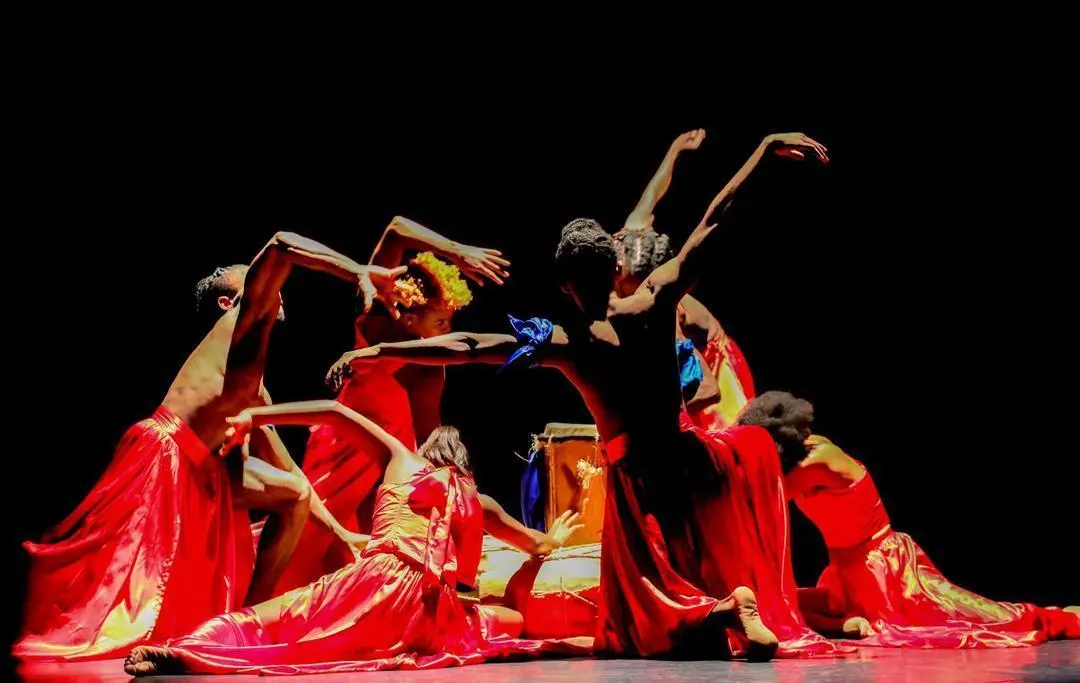
Haiti, a land rich in history and cultural diversity, offers a unique musical treasure through its captivating rhythms. Haitian music, deeply rooted in the fusion of different African, European and Caribbean influences, constitutes a vibrant expression of national identity. One of the distinctive elements of Haitian music is its rhythmic diversity, reflecting the many facets of daily life, from religious celebrations to moments of joy and sorrow. Haitian rhythms, carrying contagious energy, are a reflection of the soul of the Haitian people. One of Haiti’s most iconic musical genres is direct compas, which emerged in the 1950s. This catchy rhythm, coupled with captivating melodies, has captured hearts globally. The direct compass embodies the fusion of different musical styles, including jazz, merengue, and elements of traditional Haitian music. Haitian musical traditions are not limited to contemporary sounds. Vodou, an ancestral spiritual practice, also has a major influence on Haitian music. Vodou rhythms, often associated with religious ceremonies, create a deep connection between spirituality and artistic expression. Furthermore, dance is inseparable from Haitian music. The graceful and energetic movements of traditional dances like rasin, combined with captivating rhythms, transport dancers and spectators to a world where bodily expression becomes a living art form. Exploring the musical and dance traditions of Haïti is like diving into a universe where history, culture and spirituality are harmoniously woven together. These rhythms, passed down from generation to generation, are much more than simple notes; they embody the soul of a people and the richness of its diversity. Celebrating these traditions pays homage to Haiti’s exceptional cultural heritage and its invaluable contribution to the global music scene.

Newsletter

Subscribe to our newsletter to stay informed of all our activities and news on Haiti.

Meet Edison Juste: An Outstanding Singer

Beyond the chaos, in the heart of the desolation, there are voices that resonate. They shatter the silence, depicting the macabre reality of everyday life in a thousand shards, thus defying evil to give meaning to life and make each day a place where hope flows like a stream of honey. Edison Juste’s voice is one of them: it sings of hope, of love, while praising God. It was in Carrefour, 27 years ago, that the young singer’s sun rose within a family of four children. Edison Juste is the youngest. Between the diplomat, the lawyer, and the entrepreneur that he is, singing remains his greatest passion for this young married man. Like many Haitian singers, Edison Juste took his first steps at a very early age in a choir—Yahvé Shama—alongside children his own age. He would later become the lead singer. This was in 2010. Asked about his first real encounter with music, he replied: q~It was in 2013 that I really started singing. It was during a competition organized by Styl Doz at the Évangélique de la Grâce church,~q, says the active member of the group YES (Yon Enstriman Sen), who also expresses his gratitude to singer Joseph Rhousteau, who inspired and coached him for several years. Edison Juste stands out not only for his style, but also for his versatility. His ability to make the notes vibrate with a moving candor seems limitless. Yet, he has his preferences: q~There isn’t a single style that characterizes me. I see myself as a liquid: I take the shape of the container. Even if I remain haunted by Worship, Compass, and Jazz, he confides. Today, the Carrefour native boasts a rich and varied musical repertoire. From 2010 to 2025, he has grown both in maturity and in renown: five competition wins, his first song recorded in 2018, joining the band YES, his participation in the second album, Se pou m beni, a collaboration with Amos César in a musical, and his contribution to the album Anprent by maestro Berwin Sydney. For him, this journey is already a great source of inspiration. Edison Juste never does without the presence of God, whether in the creative process or during his stage performances: "What influences and motivates me the most is always the presence of Elohim, and the audience’s desire to savor and appreciate my work," he says.

Haiti: The History of the World’s First Free Black Nation

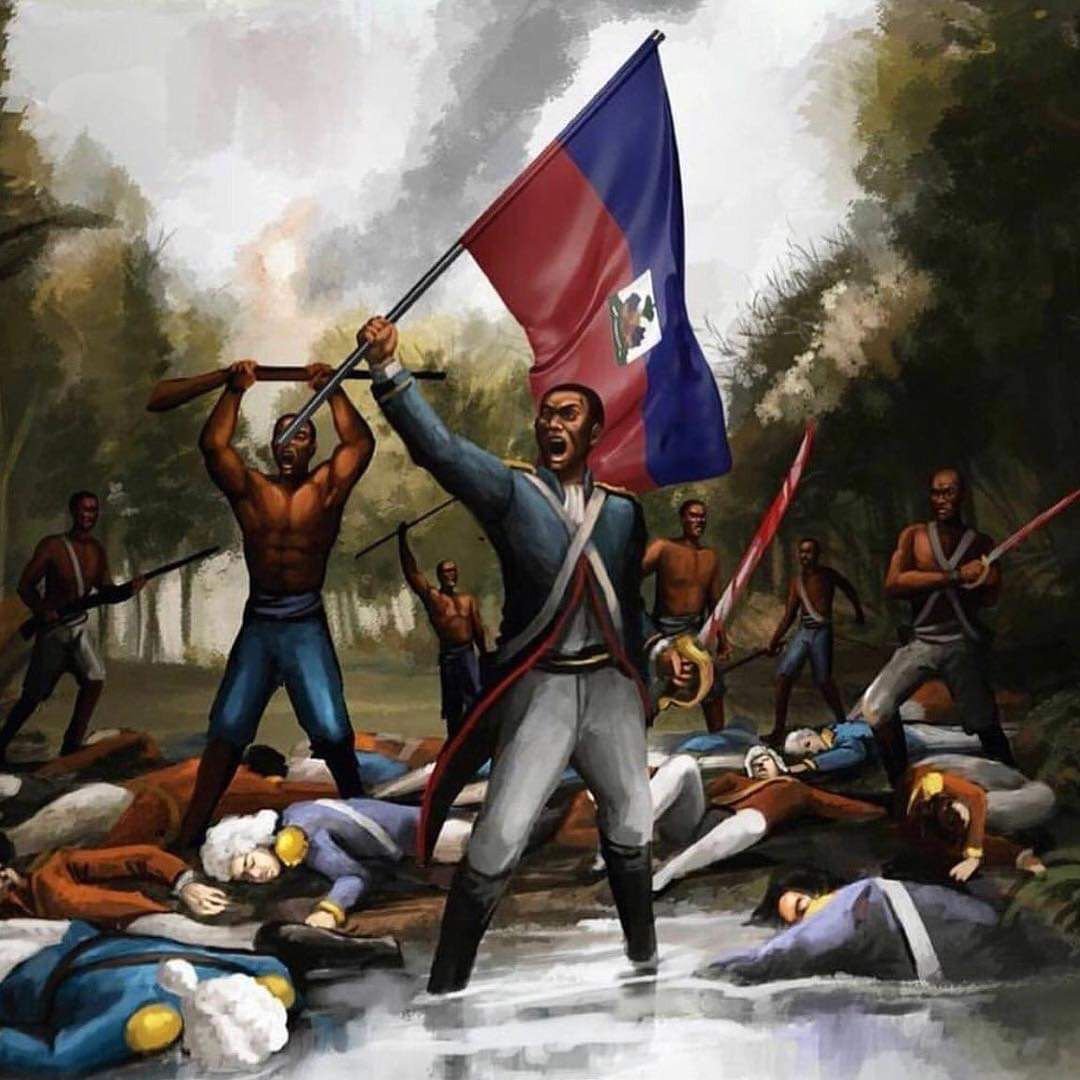
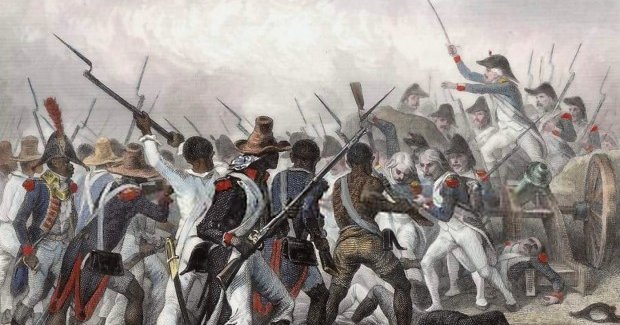
Haiti, the pearl of the Antilles, is a Caribbean island with a rich and complex history. However, its special status as the world’s first free black nation gives it a unique place in the annals of history. This small island was the scene of an extraordinary revolution which resulted in independence, thus marking the beginning of a new era for the black community and the abolition of slavery. Let’s delve into the captivating story of the birth of the first black republic, Haiti. b~The colonial era and slavery~b Haiti’s history dates back to the arrival of Europeans in the 15th century, when Christopher Columbus discovered the island. European settlers, mainly Spanish and French, introduced slavery to exploit the island’s resources, including sugar, coffee and cotton. The indigenous Native American population was decimated, paving the way for the massive importation of African slaves. b~The Haitian Revolution~b On August 14, 1791, Haitian slaves rose up against their oppressors, sparking the Haitian Revolution. Under the leadership of iconic figures such as Toussaint Louverture, Jean-Jacques Dessalines and Henri Christophe, the insurgent slaves inflicted defeats on European armies, demonstrating fierce resistance and a desperate quest for freedom. b~The Declaration of Independence and the creation of the Republic of Haiti~b On January 1, 1804, Haïti proclaimed its independence, becoming the world’s first free black nation. This historic declaration symbolized the end of slavery and the triumph of the will of a people determined to live free. The Republic of Haïti was born in struggle and blood, asserting its autonomy in the face of the colonial powers. b~Post-independence challenges~b However, independence did not mean the end of challenges for Haiti. The country had to face external pressure, reparations imposed by France in exchange for recognition of its independence, as well as internal unrest. Despite these obstacles, Haïti strove to build a free and sovereign nation. The story of Haïti is that of a nation that overcame countless challenges to emerge as a pioneer of freedom for the black population. The Haitian Revolution remains a unique example of resistance, courage and determination, and Haïti continues to carry the torch of independence in the contemporary world. The legacy of this small Caribbean island still resonates today, reminding the world that freedom is a universal right that can be won even in the most difficult circumstances.

Recently Posted

History

History

First black nation to free itself from slavery and gain independence from France in 1804 and influenced other liberation movements around the world, inspiring struggles for freedom and equality.

Natural beauty

Natural beauty

Haïti is blessed with spectacular natural landscapes, including white sand beaches, mountains and rich biodiversity.

Heritage

Heritage

Haïti has a rich historical heritage, including sites like the Citadelle Laferrière and the Sans-Souci Palace, listed as UNESCO World Heritage Sites.

Culture

Culture

Haïti has a rich and diverse culture, influenced by African, European and indigenous elements. Haitian music, dance, art and cuisine are celebrated around the world.

  • +
    • Post