contact@haitiwonderland.com+509 36184317

Discover

Shopping Cart

What is the primary language of Haiti?

What is the primary language of Haiti?

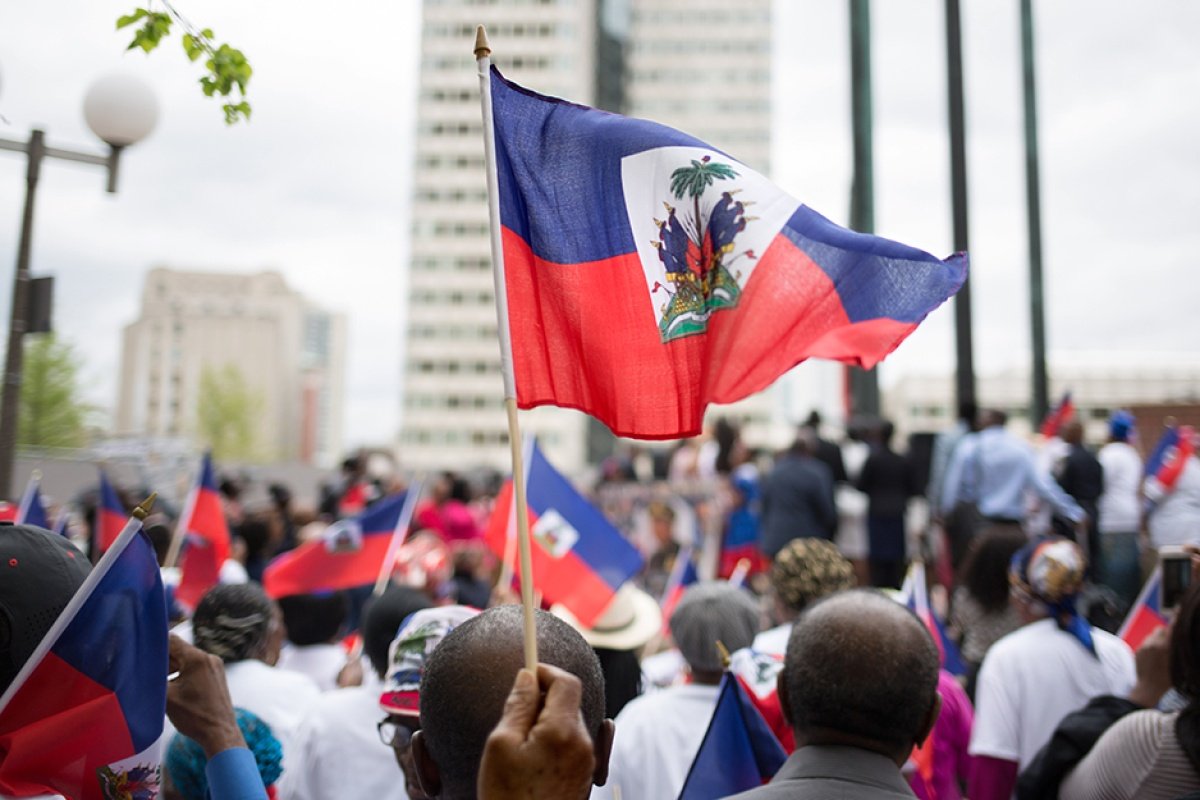
Haiti, with its unique history and vibrant culture, is a country where language plays a central role in national identity. Haiti’s primary language is Haitian Creole, a rich and expressive language that reflects the country’s cultural mix. Although French is also an official language, Creole is spoken by almost the entire population and is a fundamental part of daily life. In this article, we will explore the origins, uses, and importance of Creole in Haiti.

Haïti
Haïti
Haïti

The Origins of Haitian Creole

Haitian Creole originated during the colonial period in the 17th and 18th centuries, when enslaved African populations were forced to communicate with their French colonists and each other, despite their different original languages. Creole developed from French, while incorporating African, Spanish, Taíno, and English influences.

Today, it is considered one of the most developed creoles, with a well-defined grammatical structure and a rich vocabulary that reflects multiple cultural influences.

A symbol of national identity

In 1987, with the adoption of the Constitution, Haitian Creole was recognized as an official language alongside French. This recognition marked a historic turning point, affirming the central role of Creole in Haitian culture and identity.

Creole is much more than just a means of communication:
- It is the common bond between all Haitians, regardless of their social class or region.
- It is used in songs, proverbs and oral stories, which are pillars of Haitian culture.
- It symbolizes the resilience and creativity of the Haitian people in the face of historical challenges.

Creole and French: A Complex Coexistence

In Haiti, approximately 95% of the population speaks Creole, making it the most widely used language in everyday life. However, French remains widely used in official spheres, such as administration, education, and business.

This situation creates a linguistic divide:
- A minority, approximately 10% of the population, fully masters French, often used as a status symbol.
- Creole, although omnipresent, is sometimes perceived as a less prestigious language, a perception that is changing with promotion and standardization efforts.

Education in Creole: A Major Challenge

One of the challenges Haïti faces is the integration of Creole into the education system. Historically, education was primarily provided in French, which excluded a large portion of the population.

In recent decades, initiatives have emerged to:
- Introduce instruction in Creole from the earliest years of schooling.
- Train teachers capable of transmitting knowledge in this language.
- Develop textbooks and educational resources in Creole.

These efforts aim to reduce the illiteracy rate, which is still high, and to increase access to education for all.

Haitian Creole in the World

With a large diaspora in the United States, Canada, France and other countries, Haitian Creole is exported beyond national borders.

Initiatives to promote the language include:
- The production of literature, music and films in Creole.
- The recognition of Creole as an official language in regions such as Florida and Massachusetts, where many Haitian communities live.
- International Creole Languages ​​Day, celebrated every year on October 28, which highlights the importance of Creole languages ​​in the world.

Did you know? Key figures on Haitian Creole

- Number of speakers: Approximately 11 million, in Haïti and in the diaspora.
- Alphabet: Uses a standardized spelling since 1979, composed of 32 letters.
- Literature: Authors such as Frankétienne have written major works in Creole, contributing to its promotion.

Haïti
Haïti
Haïti

A language that unites

Haitian Creole is much more than a main language: it is the soul of Haiti, unifying a people rich in cultural and historical diversity. Its recognition and promotion are essential to preserve national identity and offer opportunities to all Haitians.

What are your experiences with Haitian Creole? ​​Share your stories and thoughts in the comments!

Share
About the Author
Appolon Guy Alain
Appolon Guy Alain
Appolon Guy Alain

Full Stack Developer, Créatif, expérimenté, passionné des nouvelles technologies et de l’art.

See other articles from Appolon Guy Alain
Leave a comment

Recently Posted

Haïti: The Pearl of the Antilles

Located in the Caribbean Sea, Haïti is often nicknamed "The Pearl of the Antilles". This laudatory title not only reflects the beauty of its idyllic beaches, but also the history, culture and natural wealth of this island nation. Throughout the centuries, Haïti has acquired this prestigious reputation for various reasons, which go beyond its picturesque landscapes. b~Natural Beauty:~b Haïti is blessed with an abundance of natural beauty. Its sandy beaches, crystal clear waters, majestic mountains and lush valleys make it a dream destination for travelers from all over the world. Generous nature has endowed Haïti with impressive ecological diversity, which has helped shape its image as the pearl of the Antilles. b~Cultural Wealth:~b Beyond its landscapes, it is the richness of Haïtian culture which contributes to its reputation as a pearl. Haïti has a fascinating history, blending influences from indigenous Taino people, European settlers and African slaves. This cultural fusion gave rise to a unique artistic and musical tradition, embodied in expressions such as voodoo, naive painting and compass music. b~Historical Heritage:~b Haïti has played a central role in the history of the struggle for freedom and equality. In 1804, it became the first independent republic in Latin America and the Caribbean, after a revolution led by freed slaves. This courageous act of independence established Haïti as a symbol of resistance and determination, adding a historic dimension to its status as the pearl of the Antilles. b~Natural Resources~b Haïti is abundant in valuable natural resources, which has contributed to its nickname as the Pearl. Mineral-rich mountains, fertile soils and abundant water reserves have made Haïti a land of opportunity. Haïti, the pearl of the Antilles, is much more than just a tourist destination. It is a country whose natural beauty, cultural richness, historical heritage and natural resources contribute to a unique identity. It remains a jewel in the crown of the Caribbean, reminding the world of the strength and resilience of the Haïtian people.

Newsletter

Subscribe to our newsletter to stay informed of all our activities and news on Haiti.

Haiti, dream space.

Between dream and Haitian reality: A call for unity and action Many men have dreamed big for Haiti. Toussaint Louverture and Jean Jacques Dessalines are examples. Although torn apart by invisible hands, the social fabric of the country had always been considered the greatest project to be set in motion by men of letters. Until then, the history of Haïti remains and remains for Haitians the most appropriate space to dream and propose full and complete freedom. Indeed, Toussaint Louverture had the dream of improving the lot of slaves. Dessalines, for his part, sacrificed himself for the independence of our island (Haiti-Saint-Domingue). After our liberation from the French, men of letters had to take other paths to safeguard the dignity of the country. This situation showed another form of revolution like poets of the patriotism school with supporters such as: Louis Joseph Janvier, Anténor Firmin, Demesvar Délorme and the Generation of the Round with Fernand Hibbert, Georges Sylvain also the indigenous school with Jean Price Mars, Jacques Stephen Alexis, Roussan Camille etc... who express their discontent by pouring ink. By describing or painting the situation of the country. Several years which were first conceived and then born the idea of ​​giving the country its sovereignty, its own bicolor, its army, etc. it was not easy and did not continue like this. Haïti needs for the moment men of dreams, men who love their countries, but not the wealth of this country, men who love the happiness of their country, but not its misfortunes, men who have viable projects , but are not specialists in carnage who are only interested in their pockets, rather for the happiness of our two-tone, men who must fight against corruption, against waste, against the invisible hands of foreigners, against this form of public administration which targets only a small group of people in the country to the detriment of the population, this form of insecurity planned by the state, the so-called bourgeoisies, economic powers from abroad such as: France, USA, Canada, Brazil. q~Haïti in 1979 with full power. Maître Fevry is said to have declared: The dream of Haïti cannot support, nor accept improvised solutions ~q. The Haitian’s dream must always be a team effort. A team of men of skill, vision, good will, reflection and meditation. q~ Men who can place their personal and private interests over public interests. Men who want to make a new start to achieve the dream of Jean Jacques Dessalines and that of Henri Christophe who aimed that Haitians will not envy any other country in the world so that all Haitians can be happy in their own country, chanted Professor Lesly Saint Roc Manigat.~q Our dear Haiti, which was once the pearl of the Antilles, is no longer present today. For this we ask all Haitians: children, young people, adults and old people, let us unite our arms, our strength, our voices and all that we could do to liberate our dear homeland Haïti Chérie. Let’s change our reality together! Long live Haiti, long live freedom for the whole world.

Recently Posted

History

History

First black nation to free itself from slavery and gain independence from France in 1804 and influenced other liberation movements around the world, inspiring struggles for freedom and equality.

Natural beauty

Natural beauty

Haïti is blessed with spectacular natural landscapes, including white sand beaches, mountains and rich biodiversity.

Heritage

Heritage

Haïti has a rich historical heritage, including sites like the Citadelle Laferrière and the Sans-Souci Palace, listed as UNESCO World Heritage Sites.

Culture

Culture

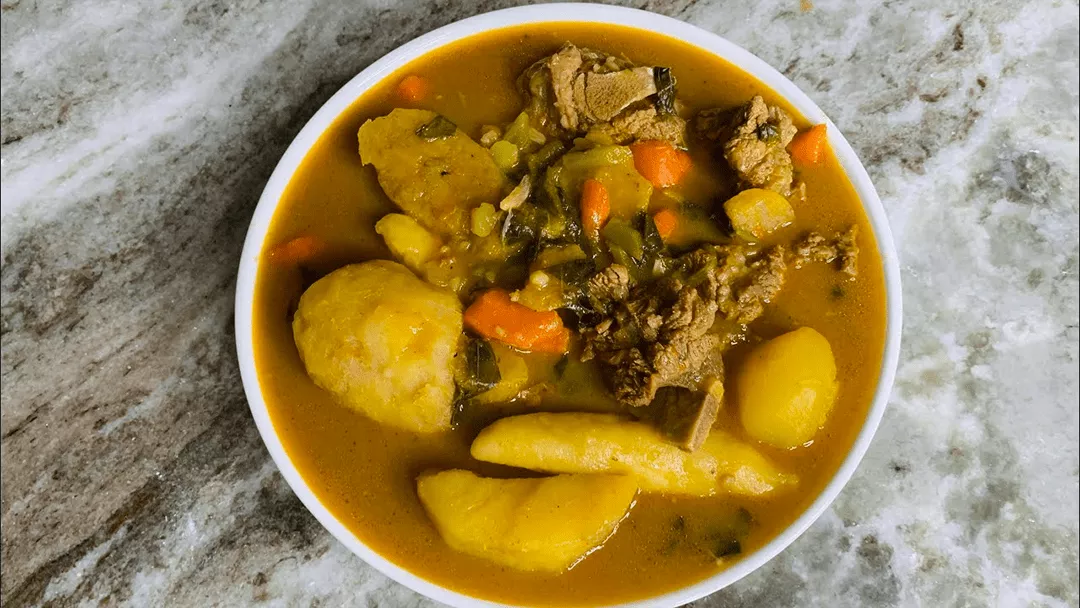
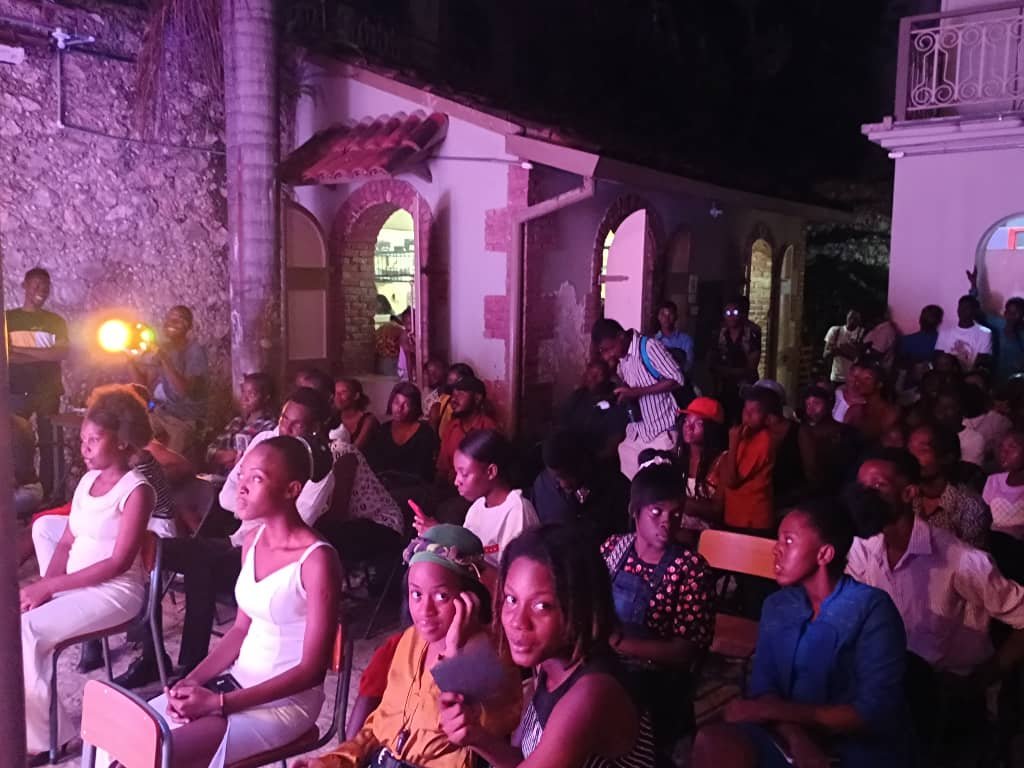
Haïti has a rich and diverse culture, influenced by African, European and indigenous elements. Haitian music, dance, art and cuisine are celebrated around the world.

  • +
    • Post