contact@haitiwonderland.com+509 36184317

Discover

Shopping Cart

How do Haitians celebrate Christmas?

How do Haitians celebrate Christmas?

Christmas in Haïti is a holiday full of traditions, spirituality and moments of conviviality. Marked by religious celebrations, family feasts and unique cultural expressions, Haitian Christmas is a magical time that reflects the generous and festive soul of the Haitian people. This article takes you to the heart of Christmas traditions in Haiti.

A Religious Celebration at the Heart of Christmas

For Haitians, Christmas often begins with religious celebrations. Most families go to church to attend midnight mass or special services held on December 24 or 25. These moments of prayer and song are an opportunity to reconnect with their Christian faith and celebrate the birth of Jesus Christ.

Traditional Christmas carols, often performed in Creole, occupy an important place in these ceremonies. They reflect both religious fervor and the richness of Haitian musical culture. Churches, decorated for the occasion, become community gathering places, symbolizing unity and peace.

Haïti
Haïti
Haïti

Family Reunions: At the Heart of the Holidays

In Haiti, Christmas is above all a family celebration. Families come together, often as early as December 24, to share a sumptuous meal. This moment of conviviality is a way to strengthen family ties and create unforgettable memories.

The Christmas meal is a feast that highlights Haitian cuisine. Among the most popular dishes are griot (fried pork), roast turkey, rice stuck to peas, bananas weighed, and desserts such as pain patate or rum cake. To accompany this feast, Haitians often enjoy the famous crémas, a sweet and creamy drink made with condensed milk and rum.

In many families, the meal is prolonged by lively discussions, laughter, and sometimes even singing or dancing. It is a time of sharing and joy, where everyone expresses their gratitude for the past year.

Haïti
Haïti
Haïti

Traditions of Sharing and Generosity

Christmas in Haïti is also a time marked by a strong spirit of solidarity. Haitians take advantage of this holiday to help the less fortunate. Churches, associations and even individuals organize collections or community meals to ensure that no one is left behind during the holidays.

Children play a central role in this generosity. It is common for families to give symbolic gifts to the youngest, often in the form of toys or clothing. In some neighborhoods, children sing Christmas carols in the streets, receiving sweets or small contributions in return.

Haïti
Haïti
Haïti

Animated and Lively Holidays

In Haiti, Christmas is not limited to a single day. The entire holiday season is animated by traditions and celebrations. Christmas markets, music concerts, and dance parties add a festive atmosphere to cities and villages.

Christmas decorations are also present. Although modest in some regions, they are nonetheless full of charm. Houses are decorated with fairy lights and, sometimes, improvised Christmas trees, often made from local materials.

In Haitian culture, Christmas is also an opportunity to tell stories, pass on local legends, or revisit biblical stories around the nativity. These moments of storytelling strengthen intergenerational bonds and preserve cultural traditions.

Haïti
Haïti
Haïti

Christmas: A Celebration That Brings People Together and Inspires

For Haitians, Christmas is a celebration that goes far beyond gifts and feasts. It is a time when faith, family, and generosity take on their full meaning. Celebrations, whether modest or grandiose, are always marked by a deep respect for traditions and a spirit of unity.

Between time spent in church, meals shared with family, and solidarity initiatives, Christmas in Haïti is a celebration that perfectly illustrates the values ​​of community and human warmth specific to the Haitian people. It is a time when everyone, rich or poor, celebrates hope, peace, and the joy of living.

Share
About the Author
Appolon Guy Alain
Appolon Guy Alain
Appolon Guy Alain

Full Stack Developer, Créatif, expérimenté, passionné des nouvelles technologies et de l’art.

See other articles from Appolon Guy Alain
Leave a comment

Recently Posted

Newsletter

Subscribe to our newsletter to stay informed of all our activities and news on Haiti.

Haiti: The Rara season in Petit-Goâve: A celebration of life, unity and resilience

As the new season of Rara looms on the horizon, certain groups such as Saint Jacques Majeur, Ratyèfè, Florida Band, Lambi Grand, and Grap Kenèp are already preparing to light up the streets of Petit-Goâve with their flamboyant costumes and their captivating melodies. For these groups, the future looks bright, promising a season full of passion and success. However, other rara bands are still hesitant about which direction to take. Despite these uncertainties, optimism reigns regarding the success of this new season for all rara groups in the commune of Petit-Goâve. Rara, anchored in the Vodou tradition, is much more than a simple artistic manifestation. It embodies the very essence of Haitian culture, highlighting questions of memory, tradition and identity. This increasingly popular form of artistic expression attracts a large audience and arouses unprecedented enthusiasm. Groups like Ratyèfè, Grap Kenèp, Florida Band and Chenn Tamaren, recognized for their ability to delight their fans, play a crucial role in the continued growth of rara in the town. The rara season traditionally begins on Dead Thursday and ends on the night of Easter Sunday or quasimodo Monday. To mark the beginning of this sacred period, groups organize opening ceremonies, honoring the spirits of the deceased in rituals steeped in spirituality. These ceremonies, often held in cemeteries or in the "Bitasyons" of groups, symbolize the deep link between the rara and Vodou traditions.

Caractéristique d’un lapin

Les lapins sont des mammifères appartenant à la famille des Leporidae. Voici quelques-unes de leurs caractéristiques principales : 1. **Physique** : Les lapins ont un corps couvert de fourrure douce, des oreilles longues et droites, de grands yeux sur les côtés de leur tête, et une queue courte et duveteuse. Ils possèdent de puissantes pattes arrière adaptées au saut. 2. **Taille et poids** : La taille et le poids peuvent varier considérablement selon la race, allant d’environ 500 grammes pour les plus petits à plus de 5 kilogrammes pour les plus grands. 3. **Comportement** : Les lapins sont connus pour être sociaux et peuvent vivre en groupes dans la nature. Ils communiquent entre eux par différents moyens, y compris par des sons et des mouvements corporels. Les lapins creusent des terriers pour y vivre et se protéger des prédateurs. 4. **Alimentation** : Ils sont herbivores, se nourrissant principalement de foin, d’herbes, de feuilles, de fleurs, et de certains légumes. Leur système digestif est adapté pour traiter une grande quantité de fibres. 5. **Reproduction** : Les lapins sont réputés pour leur capacité à se reproduire rapidement, avec des gestations courtes d’environ 28 à 31 jours. Une portée peut compter de un à douze lapereaux, selon la race. 6. **Sens** : Ils ont une excellente vision périphérique pour détecter les mouvements tout autour d’eux, mais ont une zone aveugle juste devant leur nez. Leur ouïe est également très développée, leur permettant de capter des sons à de grandes distances. 7. **Espérance de vie** : En captivité, les lapins peuvent vivre de 7 à 10 ans, selon la race et les soins prodigués, tandis que dans la nature, leur espérance de vie est généralement plus courte en raison des prédateurs et des maladies. Ces animaux nécessitent des soins appropriés, notamment un régime alimentaire équilibré, de l’exercice, et une attention particulière à leur bien-être émotionnel et physique pour vivre une vie saine et heureuse en captivité.

Recently Posted

History

History

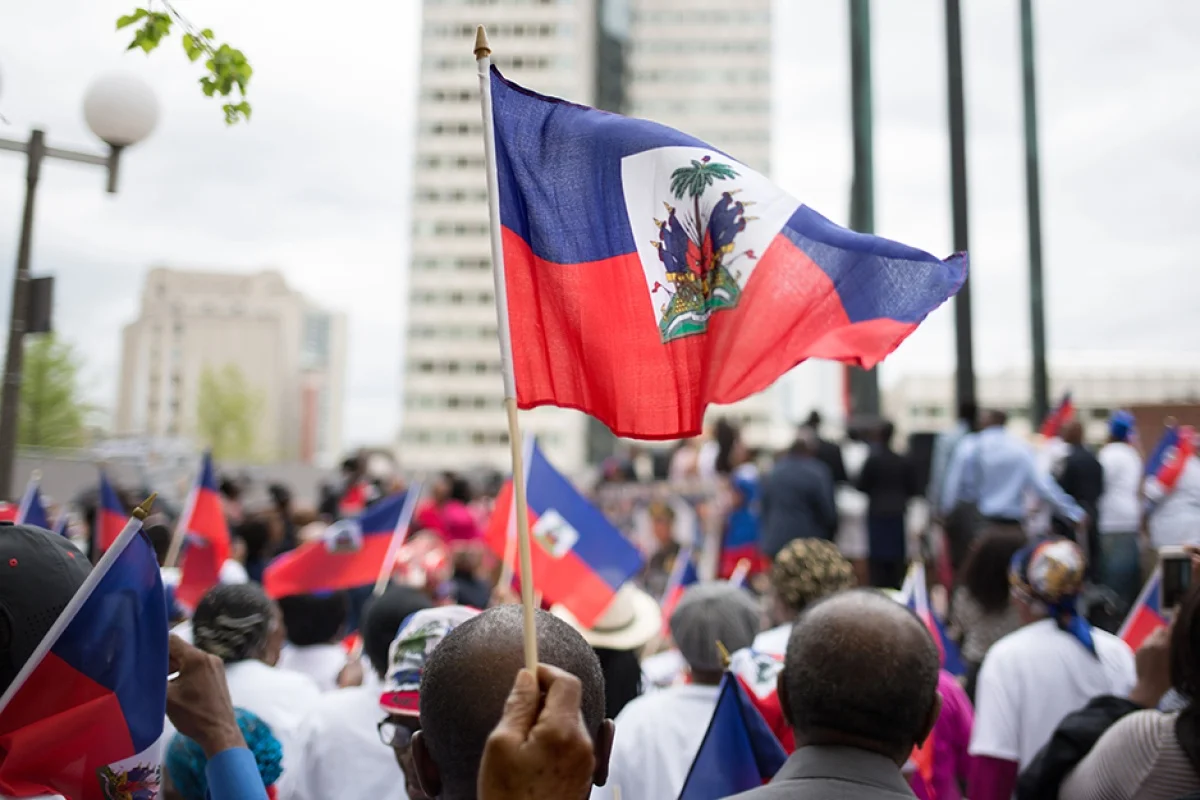
First black nation to free itself from slavery and gain independence from France in 1804 and influenced other liberation movements around the world, inspiring struggles for freedom and equality.

Natural beauty

Natural beauty

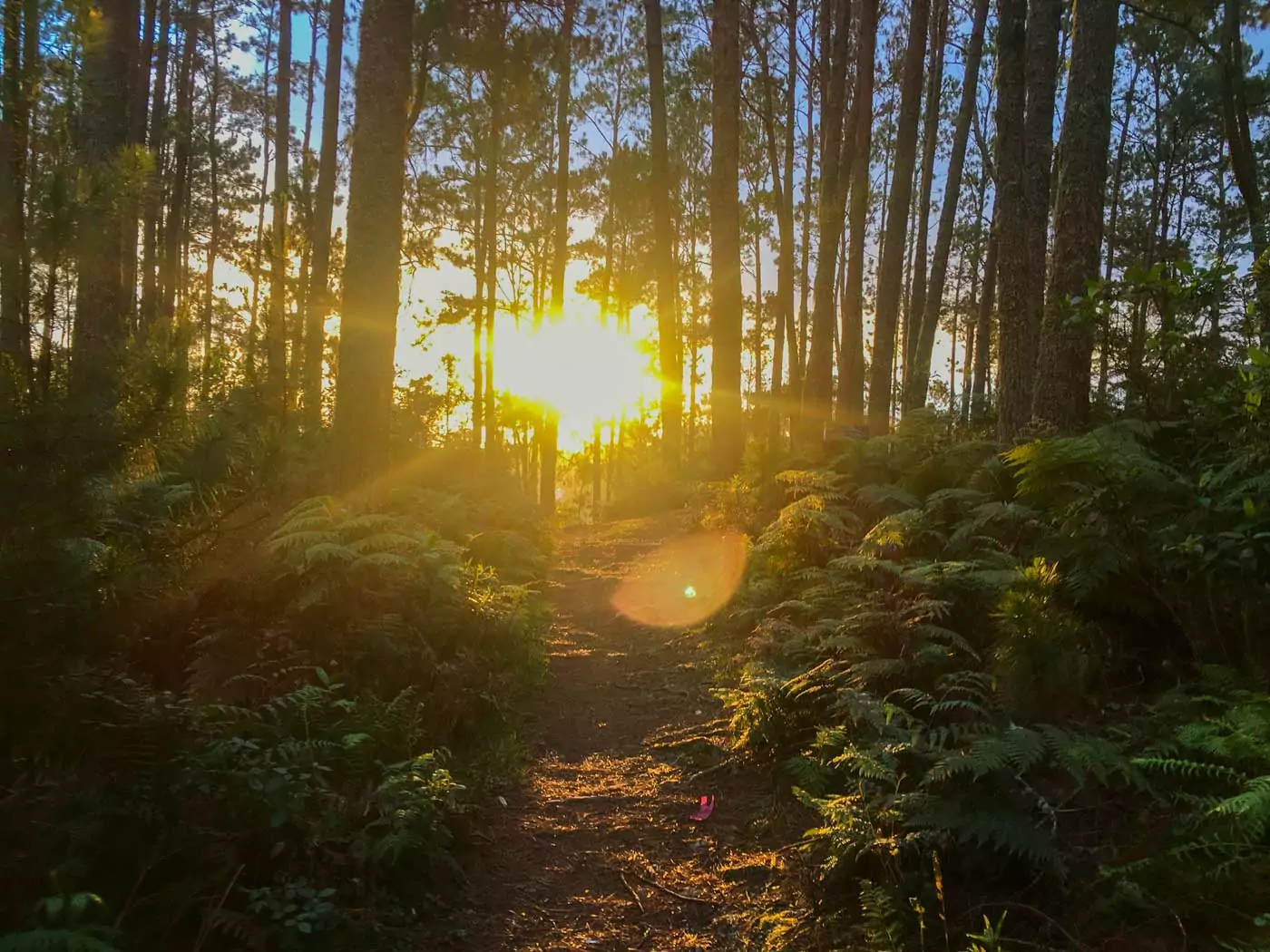
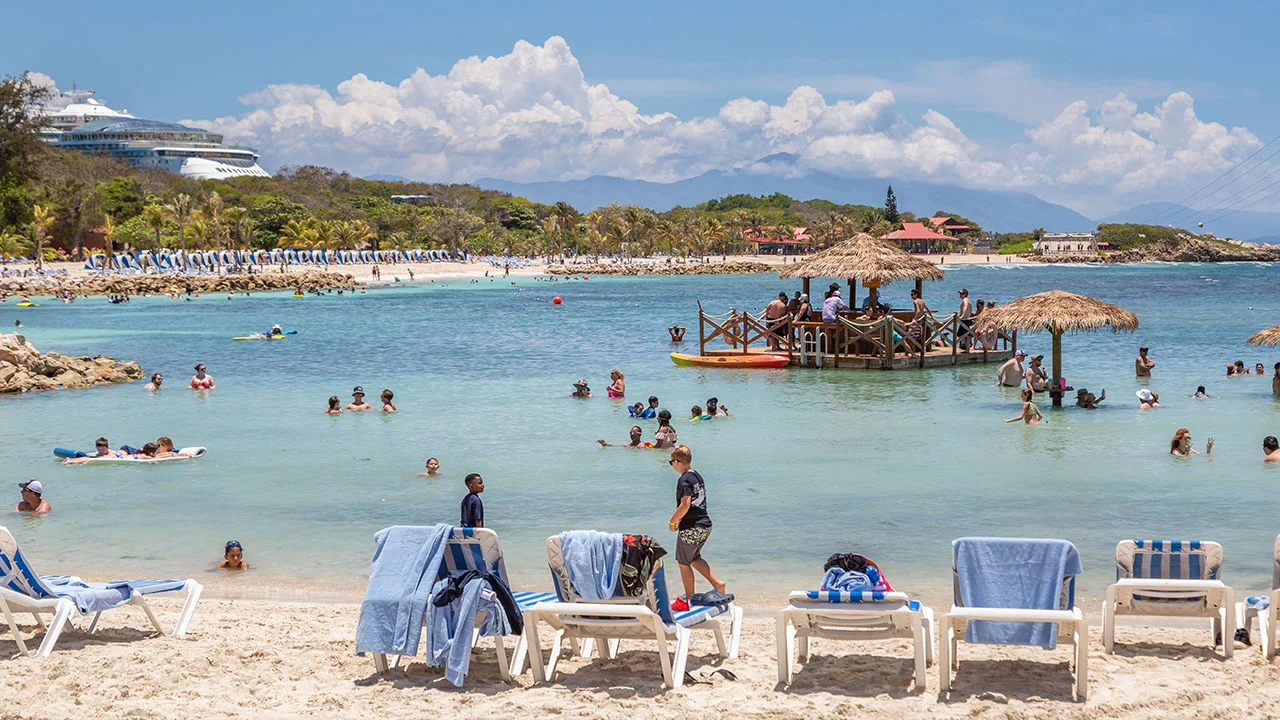
Haïti is blessed with spectacular natural landscapes, including white sand beaches, mountains and rich biodiversity.

Heritage

Heritage

Haïti has a rich historical heritage, including sites like the Citadelle Laferrière and the Sans-Souci Palace, listed as UNESCO World Heritage Sites.

Culture

Culture

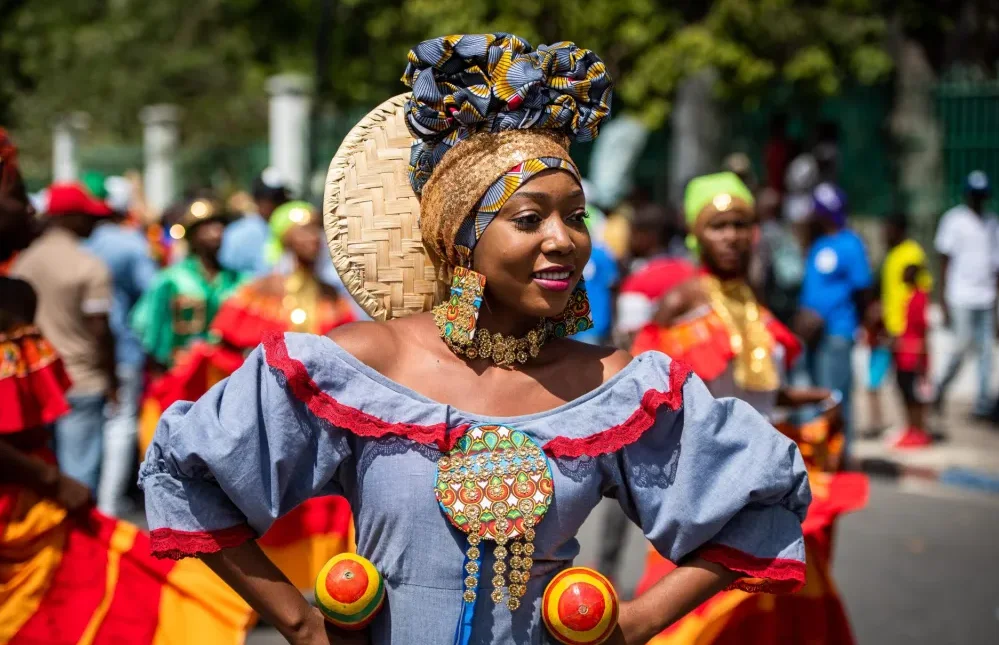
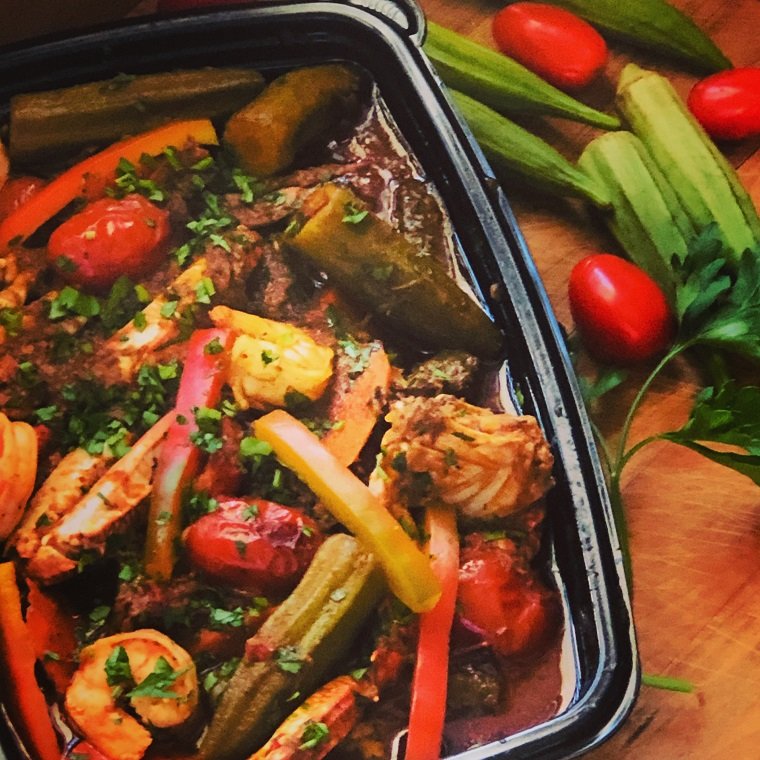
Haïti has a rich and diverse culture, influenced by African, European and indigenous elements. Haitian music, dance, art and cuisine are celebrated around the world.

  • +
    • Post