contact@haitiwonderland.com+509 36184317

Discover

Shopping Cart

Le Makaya, histoire et pratiques vaudouesques en haïti

Le Makaya, histoire et pratiques vaudouesques en haïti

Le Makaya est bien plus qu’une simple fête ; il est un pilier spirituel du vaudou haïtien, une tradition vivante qui lie les croyances ancestrales aux rituels de purification, de guérison et de renouveau. Célébré principalement à la fin du mois de décembre, le Makaya tire ses racines de l’Afrique, en particulier des civilisations bantoues, et se déroule dans un contexte profondément spirituel où les liens avec les ancêtres et les forces naturelles sont essentiels.

Le terme "Makaya", qui signifie "feuilles" en Kikongo, est intrinsèquement lié à la nature et aux plantes, éléments essentiels du vaudou. Ce lien direct avec la nature fait du Makaya un moment de purification, où les croyants se connectent à la terre et aux esprits par l’intermédiaire des végétaux. La tradition du Makaya vient des peuples Bantous, principalement du Congo, et de leurs pratiques spirituelles qui ont été transposées, adaptées et enrichies par la diaspora haïtienne pendant la période de l’esclavage.

La période du Makaya commence le 21 décembre, lors du solstice d’hiver, une date symbolique marquant la victoire de la lumière sur les ténèbres, le commencement du renouveau solaire. Dans le vaudou, cette époque est perçue comme un moment d’introspection où la nuit la plus longue de l’année se transforme lentement en jour, apportant avec elle des forces purificatrices et régénératrices.

Le rituel de purification- le bain de Simbi Macaya

Dans le cadre du Makaya, les vaudouïstes pratiquent un rituel de purification appelé le "bain Simbi Macaya". Ce bain est un acte spirituel où l’on utilise des plantes, des écorces et des feuilles ramassées dans les bois sacrés, lors de longues marches dans la nature. Ces éléments végétaux ont des vertus curatives et sont considérés comme des protecteurs contre les mauvaises énergies. Le bain symbolise un nettoyage intérieur et extérieur : il sert à purifier le corps, l’âme et la maison, afin de chasser les influences néfastes et d’attirer des bénédictions pour l’année à venir.

Le processus de purification qui accompagne le Makaya est aussi un moment de reconnexion avec les ancêtres. Les pratiquants croient que les ancêtres, en particulier ceux qui sont considérés comme des esprits protecteurs ou "lwa", peuvent influencer leur vie en fonction de la manière dont ils respectent les rituels et préservent la pureté spirituelle.

Le Makaya et la relation avec les ancêtres

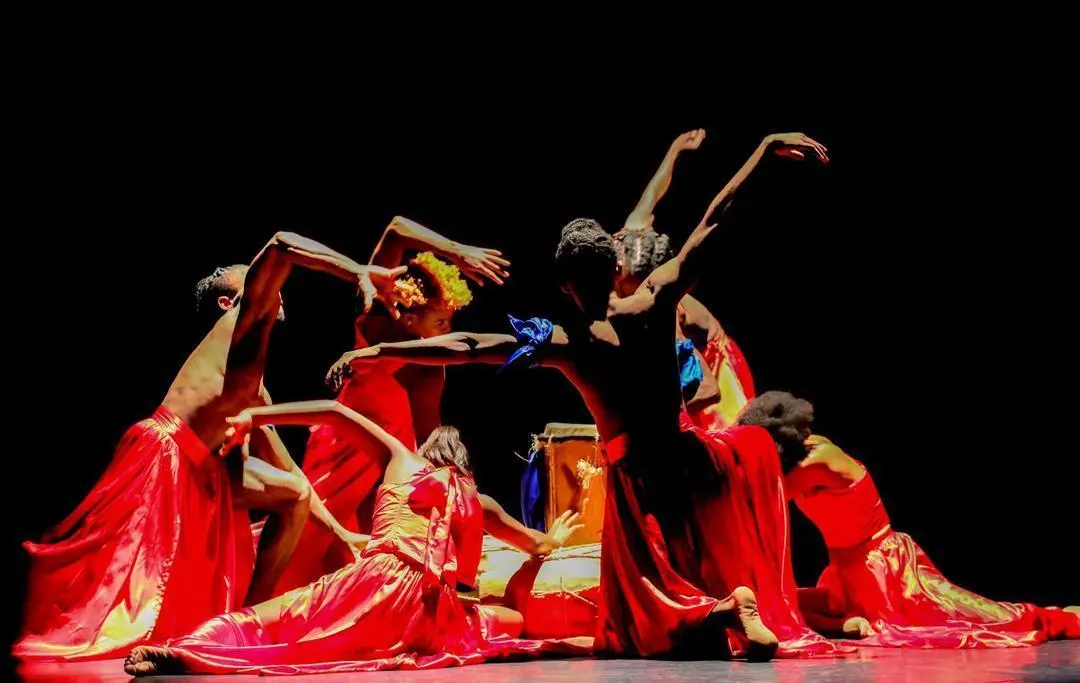
Les ancêtres jouent un rôle central dans le vaudou haïtien, et c’est particulièrement vrai pendant la période du Makaya. Chaque année, les vaudouïstes cherchent à renforcer leurs liens avec leurs ancêtres en leur offrant des prières, des danses et des offrandes. Le rituel comprend également des cérémonies dédiées aux esprits, comme les "lwa", qui sont invoqués pour obtenir protection et guidance. L’esprit de l’ancêtre ou du "lwa" peut, selon les croyances, prendre possession de l’un des participants lors des rituels, offrant ainsi une forme de communication directe avec le monde spirituel.

Les cérémonies de Makaya comprennent souvent des chants, des danses et des offrandes de nourriture, de boissons, ainsi que des objets sacrés destinés à honorer les esprits. Ces moments sont aussi des occasions de réaffirmer la communion entre les vivants et les morts, un aspect fondamental du vaudou.

Le Makaya et la résistance spirituelle- L’héritage de MACKANDAL

Le Makaya est également associé à l’histoire de la résistance contre l’oppression, en particulier à la lutte pour la liberté des esclaves haïtiens. L’un des personnages historiques les plus emblématiques liés au Makaya est François Mackandal, un leader révolutionnaire haïtien et prêtre vaudou. En tant que figure emblématique de la résistance, Mackandal utilisait sa connaissance des plantes et des feuilles pour empoisonner les colons et organiser des soulèvements contre le système esclavagiste. Il a été exécuté par le feu en 1758, mais son esprit demeure vénéré, en particulier sur les montagnes du Sud d’Haïti, où se trouve le Pic Makaya.

Cette dimension historique de la résistance fait du Makaya une célébration de la victoire sur l’oppression. Dans le vaudou haïtien, les plantes ne servent pas seulement à guérir ou à purifier, elles sont aussi des symboles de rébellion et de liberté. Ainsi, le Makaya n’est pas seulement une période de purification spirituelle, mais aussi un hommage à l’esprit de lutte pour l’indépendance et la justice.

Le Makaya reflète la place centrale du vaudou dans la vie quotidienne des Haïtiens. La purification par les feuilles et les plantes est un thème récurrent dans de nombreuses cérémonies vaudouesques. Dans les périodes précédant le Makaya, les adeptes du vaudou se rendent dans les bois sacrés pour ramasser des plantes spécifiques qui serviront à la purification et aux guérisons. Cette quête de plantes et d’herbes est accompagnée de prières et d’invocations, car chaque feuille, chaque plante, est porteuse d’un pouvoir spirituel.

Le rituel de purification prend également en compte la purification des espaces sacrés tels que les "djevò" (autels), les "potomitan" (colonnes sacrées), et les instruments rituels comme les "ason" (bâtons de pouvoir) et les "tambours". Tout doit être purifié et sanctifié avant d’être utilisé lors des cérémonies. Le bain purificateur est donc un moyen de se débarrasser des mauvaises influences et de créer un espace sacré propice à l’invocation des esprits protecteurs.

Le Makaya, un temps sacré et spirituel

Le Makaya, au-delà d’être une fête populaire ou un événement culturel, est une manifestation de la profonde spiritualité haïtienne, où se mêlent histoire, résistance, purification et vénération des ancêtres. Il s’inscrit dans une tradition vivante, où chaque année, les Haïtiens se retrouvent pour réaffirmer leur foi dans les forces invisibles qui régissent l’univers. Le Makaya est un moment de renouveau spirituel qui rappelle la puissance des plantes, des ancêtres et des esprits dans la vie quotidienne, tout en honorant un héritage de lutte et de résistance qui fait partie intégrante de l’identité haïtienne. C’est une célébration de la lumière, de la vie et de la liberté, à travers le prisme du vaudou haïtien.

Share
About the Author
Faïly Anderson Trazil

    Medical student, software developer, UX/UI designer, and web writer.
    Driven by a deep passion for writing and digital innovation.

    Email: failyandersontrazil@gmail.com

    See other articles from Faïly Anderson Trazil
    Leave a comment

    Recently Posted

    Timoun se Moun: A poetry competition to promote children’s rights in Haiti

    A wounded country. Bent under the weight of a multidimensional crisis. Widespread violence. Hope slammed shut. A sacrificed generation. Children are increasingly threatened. They are increasingly confronted with all forms of vulnerability that hinder their overall development. ACTIF is launching the second edition of the "Timoun se Moun" poetry competition. A citizen initiative in which the organization uses writing as a springboard to build what life deprives Haitian children of. Pain can be turned into gold. For ACTIF (Community Action for Transformation and Formal Integration), poetry is a philosopher’s stone. Not only for this organization, but also for all those who believe that writing can help rekindle the stars. Faced with this urgent need for action, this is "an initiative to raise awareness, denounce, and affirm loud and clear that every child matters, every child deserves protection, hope, and a future," reads the competition’s descriptive document. So what do you intend to do with your human light? Through this competition, participants have the opportunity to engage in an act of resistance, like a cry of conscience to raise the voice of broken childhoods. Open from May 18 to June 18, "Timoun se Moun" is open to all Haitians living in the country and aged 18 and over. Texts must be submitted in Creole. Behind this initiative, ACTIF intends, on the one hand, to affirm our cultural and linguistic identity, and on the other, to enrich our Creole literature, promote it, and encourage creativity in our vernacular. The text must not exceed 500 words. The format chosen is PDF, Times New Roman font, size 12, and 1.5 line spacing. This competition aims to offer a touch of affection to these children who are the first victims of the country’s descent into hell. To evaluate the literary quality and essence of the submitted texts, a jury is composed of Ruthza Paul, Douglas Zamor, and Darly Renois. The former is a physician and winner of the first edition of this competition. The other two work in the fields of sociology, psychology, and literature. In addition to the "Jury Prize: 15,000 HTG + books + certificate" and "Audience Prize: 5,000 HTG + certificate + books" prizes, the best texts will be included in an anthology to be published by Éditions Répérages. It should be noted that there will be one winner for each prize. This initiative reflects ACTIF’s commitment to honoring authors who embrace the cause of underprivileged children while enriching Haiti’s literary heritage. This competition extends a helping hand to all those who believe that through poetry, one can transform one’s life into a masterpiece. At the same time, it offers the opportunity to contribute to ACTIF’s child protection program. Each participant may submit a single text. It must be sent by email to the following address: actifkonkoupwezi@gmail.com. The partial results will be published on June 30, 2025, and the final results on July 18, 2025. For more information, visit ACTIF at the following address: 18 Rue Desdunes, Imp. Thoby, Mahotière 79, Carrefour, Haiti, or contact the organization at the following number: (+509) 38 44 57 57. More than just a contest, ACTIF invites you to say No. No to forgetting. No to passivity. No to violence against children and the violation of their rights.

    Newsletter

    Subscribe to our newsletter to stay informed of all our activities and news on Haiti.

    Holidays in Haiti

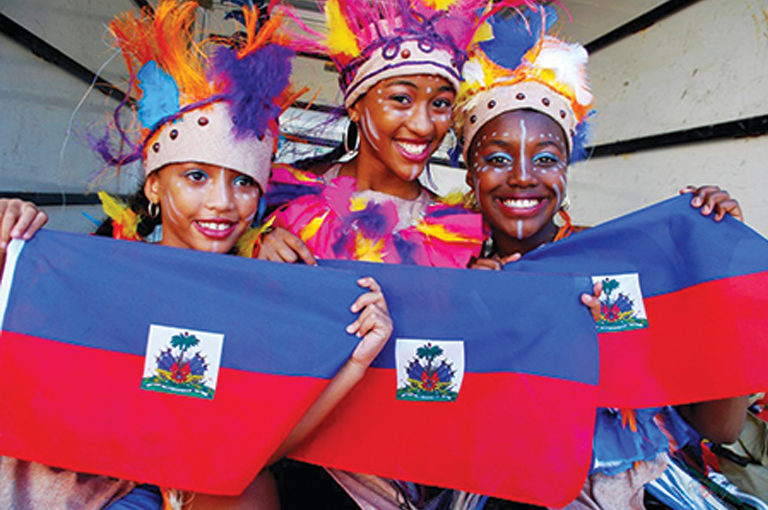
    Haiti, the pearl of the Antilles, is a country rich in history and culture. Its public holidays are moments of celebration, commemoration and reflection on its glorious past. Each date has a special meaning, plunging Haitians into a festive and memorable atmosphere. b~January 1: National Independence Day and New Year~b January 1st is a doubly special day in Haiti. On the one hand, it is National Independence Day, commemorating the victory of Haitian slaves over French colonial forces in 1804. On the other hand, it is New Year’s Eve, marking the start of a new year full of promises and hopes. b~January 2: Feast of the Forefathers~b January 2 is dedicated to the memory of ancestors. It is an opportunity for Haitians to remember their roots, to celebrate the cultural heritage passed down from generation to generation. b~February: Carnival, Shrove Monday, Fat Tuesday, Ash Wednesday~b The month of February is marked by Carnival, one of the most colorful and dynamic festivities in Haiti. The streets fill with parades, lively music and wild dancing. Mardi Gras is the culmination of Carnival, followed by Ash Wednesday, marking the start of Lent. b~April: Easter, Maundy Thursday, Good Friday~b Easter celebrations in Haïti include the religious traditions of Maundy Thursday and Good Friday. It is a time of prayer and reflection for many Haitians. b~May 1: Agriculture and Labor Day~b May 1 is dedicated to celebrating the work and importance of agriculture in the life of the country. It is an opportunity to recognize the efforts of workers and to highlight the agricultural sector. b~May 18: Flag Festival~b Flag Day celebrates the Haitian flag, a symbol of independence and national pride. Haitians honor their colors and remember the courage of their ancestors in the fight for freedom. b~May 23: National Sovereignty Day~b This day commemorates the recognition of Haitian sovereignty by France in 1805. It is a moment of national pride and reaffirmation of independence. b~May - August: Ascension~b The Ascension is celebrated between May and August, a religious festival marking the ascension of Jesus Christ into heaven. b~June: Fête-Dieu~b Fête-Dieu, also known as the Feast of the Body and Blood of Christ, is an important religious celebration in June. b~August 15: Assumption of Mary~b The Assumption of Mary is a Christian holiday marking the ascension of the Virgin Mary into heaven. It is celebrated with fervor in Haiti. b~September 20: Birth Anniversary of Jean-Jacques Dessalines~b This date commemorates the birth of Jean-Jacques Dessalines, one of the founding fathers of Haïti and a key leader in the struggle for independence. b~October 17: Death of Dessalines~b October 17 is a day of commemoration of the death of Jean-Jacques Dessalines, recalling his impact on Haitian history. b~November 1: All Saints’ Day~b All Saints’ Day is a religious holiday honoring all saints, celebrated with prayers and visits to cemeteries. b~November 2: Day of the Dead~b All Souls’ Day is an opportunity to pay homage to the deceased by decorating graves and participating in religious ceremonies. b~November 18: Commemoration of the Battle of Vertières~b This day honors the decisive Haitian victory at the Battle of Vertières in 1803, marking the end of the French occupation. b~December 5: Discovery Day~b December 5 celebrates the discovery of the island by Christopher Columbus in 1492. b~December 25: Christmas~b Christmas celebrations in Haïti are marked by family reunions, festive meals and religious traditions. Public holidays in Haïti are much more than breaks from everyday life; these are moments that embody the soul and resilience of a people. Each celebration provides an opportunity to come together, remember the past and look to the future with hope and determination.

    Recently Posted

    History

    History

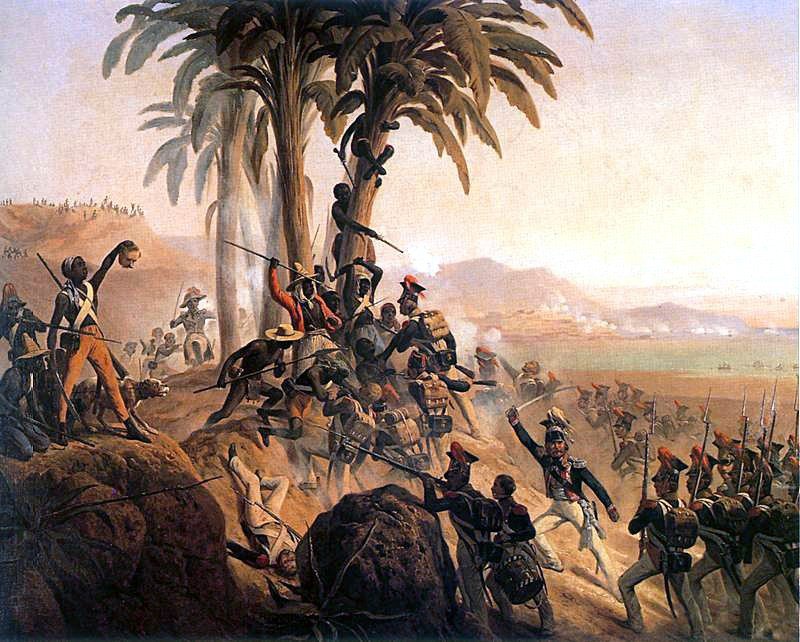
    First black nation to free itself from slavery and gain independence from France in 1804 and influenced other liberation movements around the world, inspiring struggles for freedom and equality.

    Natural beauty

    Natural beauty

    Haïti is blessed with spectacular natural landscapes, including white sand beaches, mountains and rich biodiversity.

    Heritage

    Heritage

    Haïti has a rich historical heritage, including sites like the Citadelle Laferrière and the Sans-Souci Palace, listed as UNESCO World Heritage Sites.

    Culture

    Culture

    Haïti has a rich and diverse culture, influenced by African, European and indigenous elements. Haitian music, dance, art and cuisine are celebrated around the world.

    • +
      • Post