contact@haitiwonderland.com+509 36184317

Discover

Shopping Cart

What is the most popular dish in Haiti?

What is the most popular dish in Haiti?

Haitian cuisine is full of flavors, colors, and aromas that reflect the country’s history and cultural diversity. Among the most iconic dishes, "Diri sòs pwa ak legim" (rice, pea sauce, and vegetables) stands out as a true culinary treasure. This dish is much more than just a meal: it symbolizes the sharing, tradition, and creativity of Haitians. In this article, let’s discover why this dish is so popular and what makes it an icon of Haitian gastronomy.

A pillar of Haitian cuisine

"Diri sòs pwa ak legim" is omnipresent in Haitian homes, on all occasions, whether it is a regular meal or a festive feast. Each component of the dish plays an essential role:
- Diri (rice): Often prepared with spices, butter or oil, rice is a staple food in Haiti.
- Sòs pwa (pea sauce): This sauce is made with peas (red, black or white), simmered with spices like garlic, thyme and cloves. It is rich in flavors and nutrients.
- Legim (vegetables): A mixture of vegetables like cabbage, carrots, spinach and eggplant, cooked with meat (often beef or crab) for a melting texture and a savory taste.

This harmonious marriage offers a perfect balance of protein, fiber and carbohydrates, while delighting the taste buds.

A dish with historical roots

The origins of "Diri sòs pwa ak legim" date back to the colonial era, when basic ingredients such as rice and peas were introduced to the plantations. Over time, Haitians have enriched these simple products with their culinary know-how and the use of local spices.

This dish also reflects the influence of African, European and Amerindian cultures that have shaped Haitian gastronomy.

A symbol of conviviality

In Haiti, sharing a dish of "Diri sòs pwa ak legim" is a mark of hospitality and generosity. Whether during Sunday family meals or special festivities such as Independence Day (January 1), this dish brings together young and old around the table.

In rural communities, preparing the vegetable is often a collective effort, with each member of the family or neighborhood contributing, thus strengthening social ties.

Key figures on the consumption of "Diri sòs pwa ak legim" in Haiti

- Rice: Haïti consumes approximately 450,000 tons of rice per year, much of which is used for this dish.
- Peas: Red and black peas are among the most widely grown legumes in the country, representing approximately 30% of local production.
- Prevalence: Nearly 80% of Haitian households prepare this dish at least once a week.

Regional variations

Each region of Haïti brings a unique touch to this dish:
- In the North, the pea sauce can be enriched with winged peas (Congo peas).
- In the West, the vegetable is often prepared with crab or shrimp, adding a maritime flavor.
- In the South, the rice can be cooked with coconut for a sweet and fragrant note.

These variations show how adaptable this dish is while staying true to its roots.

Did you know?

- "Diri sòs pwa ak legim" is often accompanied by pikliz, a spicy condiment made from marinated vegetables, which adds spice to the meal.
- This dish is sometimes nicknamed "complete meal" because of its high nutritional value.
- The rice used is often imported, which leads some to promote the consumption of local rice to support the Haitian economy.

A dish to discover and celebrate

"Diri sòs pwa ak legim" is much more than just a meal. It is a true celebration of Haiti’s culinary and cultural richness. By tasting this dish, we discover not only unique flavors, but also the history and soul of a proud and creative people.

Have you ever tasted this iconic dish? Share your impressions or recipes in the comments!

Share
About the Author
Appolon Guy Alain
Appolon Guy Alain
Appolon Guy Alain

Full Stack Developer, Créatif, expérimenté, passionné des nouvelles technologies et de l’art.

See other articles from Appolon Guy Alain
Leave a comment

Recently Posted

Haïti, a rich and impoverished country

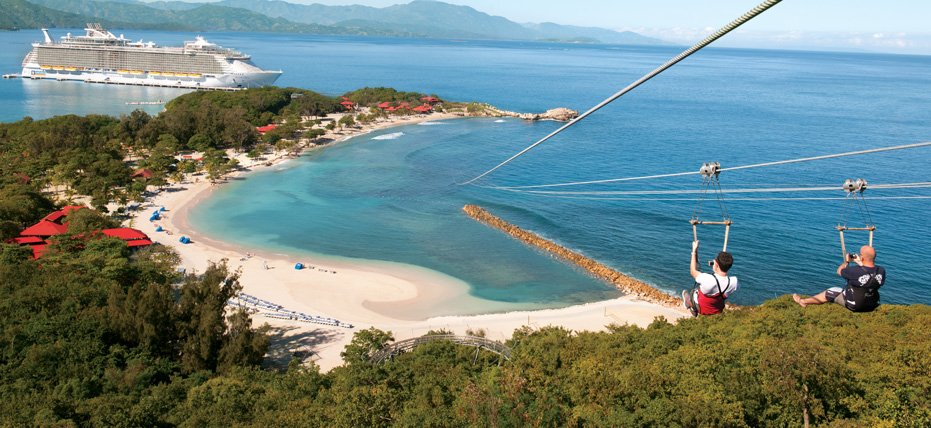
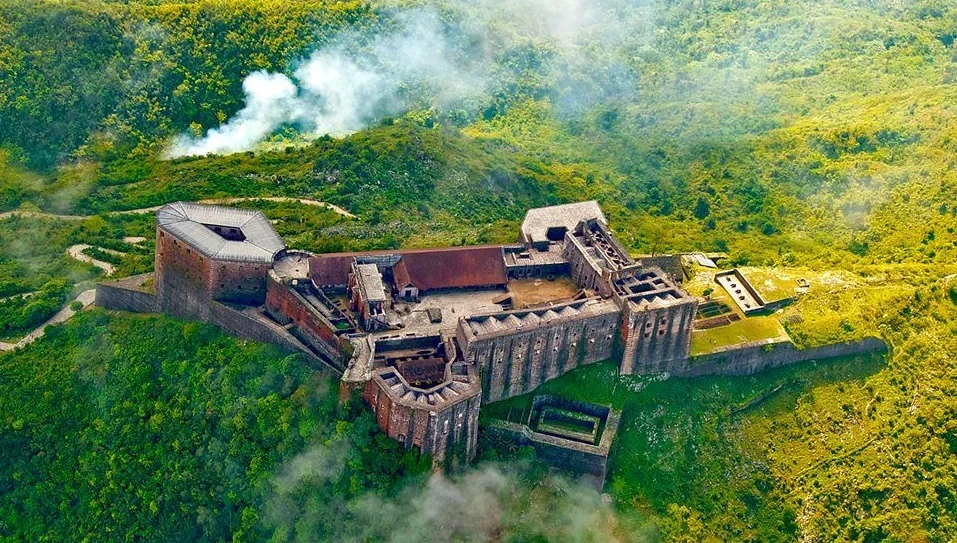
Located in the western part of the island of Hispaniola, Haïti is a land imbued with natural, cultural and historical wealth. Unfortunately, behind the beauty of its landscapes, the richness of its culture and the delicacy of its cuisine lies a complex reality marked by the debt of its independence and the persistent interference of third countries, casting a shadow over its stability. b~The Natural Beauty of Haïti~b Haïti, nicknamed the "Pearl of the Antilles", dazzles with the diversity of its landscapes. From majestic mountains and lush valleys to meandering rivers and sandy beaches, the country offers natural beauty worth celebrating. The famous Citadelle Laferrière mountains and the refreshing waterfalls of Bassin-Bleu are just a few examples of the splendor that characterizes this nation. b~A Rich and Diverse Culture~b Haïti stands out for its vibrant and diverse culture. A heritage of African, French and indigenous influence, Haïtian music, dance and art reflect a unique fusion. Colorful festivals, like Carnival, are celebrations of this cultural richness, attracting visitors from all over the world. b~Delicious Cuisine~b Haïtian cuisine, tasty and spicy, is another aspect worth celebrating. Dishes like griot, sticky rice, and the legendary joumou soup, traditionally prepared to commemorate independence, are all culinary delights that demonstrate the country’s gastronomic ingenuity. b~Heritage Treasures and Paradise Beaches~b Haïti’s heritage treasures, such as the remains of the Sans-Souci Palace and the Citadelle Laferrière, listed as UNESCO World Heritage Sites, are testimonies to the architectural grandeur of Haïti’s past. At the same time, beaches like Labadee and Jacmel offer havens of peace with crystal clear waters, attracting travelers in search of a tropical paradise. b~A Fascinating Story~b The history of Haïti is both fascinating and tragic. It was the first country in the Americas to gain its independence, in 1804, after a courageous slave revolt. However, this independence came with a heavy financial price. France demanded exorbitant compensation, thus laying the foundations for Haïti’s foreign debt. b~The Debt of Independence and Foreign Interference~b Despite these treasures, Haïti struggles with the reality of its independence debt. After gaining its freedom, the country was forced to pay France a considerable sum in compensation for losses associated with the abolition of slavery. This debt has been a major economic burden for Haïti, hindering its development. Additionally, foreign interference continues to create significant challenges. External political and economic interventions have often contributed to the country’s instability, hindering its ability to build a sustainable future for its citizens. b~In conclusion~b Haïti remains a country of multiple riches, but its challenges persist. Despite its natural beauty, rich culture and fascinating history, the nation needs enlightened international support and lasting solutions to overcome the obstacles that stand in its way. Haïti’s wealth lies not only in its enchanting landscapes, but also in the potential of its people to be resilient and prosper despite persistent challenges.

Newsletter

Subscribe to our newsletter to stay informed of all our activities and news on Haiti.

Recently Posted

History

History

First black nation to free itself from slavery and gain independence from France in 1804 and influenced other liberation movements around the world, inspiring struggles for freedom and equality.

Natural beauty

Natural beauty

Haïti is blessed with spectacular natural landscapes, including white sand beaches, mountains and rich biodiversity.

Heritage

Heritage

Haïti has a rich historical heritage, including sites like the Citadelle Laferrière and the Sans-Souci Palace, listed as UNESCO World Heritage Sites.

Culture

Culture

Haïti has a rich and diverse culture, influenced by African, European and indigenous elements. Haitian music, dance, art and cuisine are celebrated around the world.

  • +
    • Post