contact@haitiwonderland.com+509 36184317

Discover

Shopping Cart

What is the capital of Haiti?

What is the capital of Haiti?

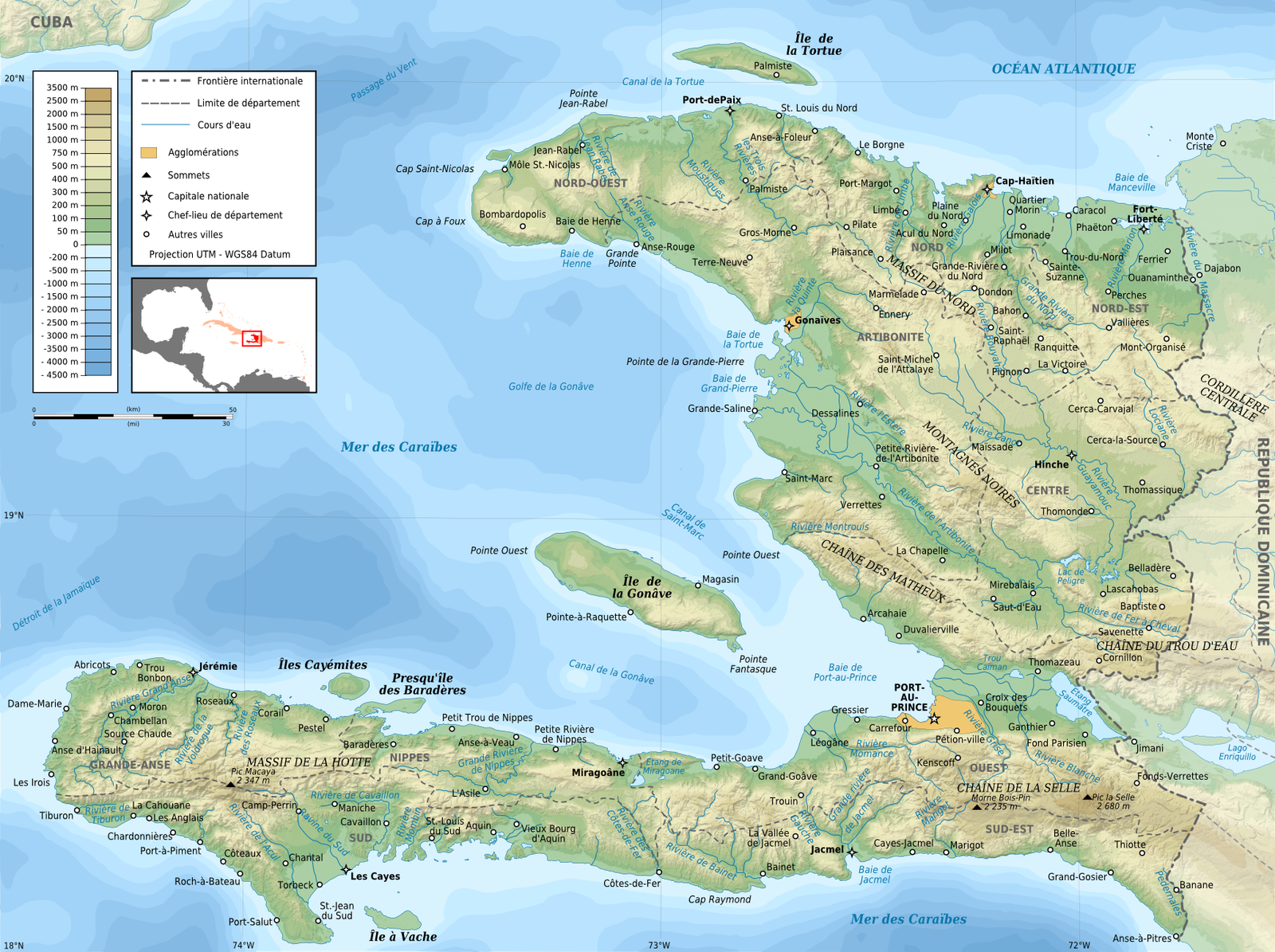
Port-au-Prince is the vibrant and historic capital of Haiti. Located on the bay of the same name, this city is much more than just an administrative center. It embodies the soul of the country through its history, vibrant culture, and resilience in the face of challenges. Let’s discover why Port-au-Prince is the beating heart of Haiti.

Haïti
Haïti
Haïti

A historical crossroads

Port-au-Prince was founded in 1749 by French colonists, who chose it for its strategic location on the bay.

- A colonial center: Initially conceived as a commercial port, Port-au-Prince quickly became an economic hub for coffee and sugar exports in the 18th century. - A key role in independence: The city played a central role in the Haitian Revolution, marking the struggle for the emancipation of slaves and the country’s freedom in 1804.

Today, the capital remains a symbol of independence and determination for the Haitian people.

Haïti
Haïti
Haïti

The economic and cultural lung of Haiti

Port-au-Prince is the country’s economic, cultural and administrative nerve center.

- Economy: The city is home to many businesses, banks, and financial institutions. With the main port and Toussaint Louverture International Airport, it is a key point for trade.
- Culture: The Haitian National Pantheon Museum (MUPANAH) and Notre-Dame Cathedral illustrate the rich cultural heritage. In addition, the iconic iron market offers a glimpse of local artisan talents.
- Education: The country’s leading universities, including the State University of Haiti, are located in the capital, attracting thousands of students each year.

Port-au-Prince is also the seat of government, housing the National Palace, ministries, and other key administrative institutions.

Haïti
Haïti
Haïti

A Resilient City

Port-au-Prince has faced major challenges in its recent history, including:

- The 2010 earthquake: This devastating earthquake caused enormous human and material losses, but the city has shown extraordinary resilience.
- Economic and political crises: Despite these challenges, Port-au-Prince remains the engine of the country and continues to evolve thanks to the efforts of citizens and the diaspora.

This resilience is a testament to the strength and indomitable spirit of the Haitian people.

Haïti
Haïti
Haïti

Key figures on Port-au-Prince

- Area: Approximately 36 km².
- Population: More than 1.2 million inhabitants in the commune, and up to 3.5 million in the metropolitan area.
- Founded: 1749.
- Altitude: 98 meters above sea level.

These figures illustrate the city’s importance as a densely populated and vital urban center for Haiti.

Haïti
Haïti
Haïti

Port-au-Prince: a symbol for Haiti

The Haitian capital is much more than just a city; it is a reflection of the country’s history, aspirations, and national identity.

From its bustling markets to its historic monuments to its thriving arts scene, Port-au-Prince embodies Haiti’s cultural richness and optimism.

Have you visited Port-au-Prince or would you like to know more about its attractions? Share your impressions or questions in the comments. Together, let’s explore and celebrate the capital of Haiti!

Share
About the Author
Appolon Guy Alain
Appolon Guy Alain
Appolon Guy Alain

Full Stack Developer, Créatif, expérimenté, passionné des nouvelles technologies et de l’art.

See other articles from Appolon Guy Alain
Leave a comment

Recently Posted

Haiti: The Center department, one of the departments most resistant to natural earthquakes

The Center department, commonly called Plateau Central, is one of the ten (10) departments of Haïti most robust in the face of certain natural phenomena. Before becoming one of the ten (10) departments of Haiti, the Center department was part of the Great North. It is renowned for its natural landscapes, its biosphere climate and its resistance to certain natural phenomena. In addition to its natural productions such as corn, millet and livestock, the Center department is also known for its high mountains which constitute a robust defense against certain natural phenomena such as earthquakes and floods. Composed mainly of high mountains, the department of Charlemagne Peralte and Benoît Batravil is the only one of the ten (10) not to have an outlet to the sea. However, its inhabitants take advantage of the vast rivers, rivers and lakes which cross it . With an area of ​​3,487 km², the population of the Center department is estimated at 678,626 according to a study carried out in 2009. On this same area, the department is divided into four (4) districts and twelve (12) communes. Bordered to the east by the Dominican Republic, the Center department connects other departments of the country such as Nord and Artibonite, and connects the two countries of the island through border areas like Balladère, Hinche and Cerca Carvajal. In the Center department, there are sites that could attract tourists for their natural beauty. In Saut d’Eau, there is the Saut d’Eau waterfall, in Hinche we find the Zim basin, the Péligre lake, the Péligre hydroelectric dam, the Artibonite river, and the Deux river (2 ) Rooms in Thomonde, more precisely in "El Manni", not far from the communal section of Caille-Epin. Thanks to its strong mountains and its natural climate, the Center department remains one of the most resistant departments in the event of an earthquake in Haiti.

Newsletter

Subscribe to our newsletter to stay informed of all our activities and news on Haiti.

The Port-au-Prince Book Fair announces the opening of author registration for its second edition

The Port-au-Prince Book Fair is a literary initiative of the cultural organization Port-au-Prince Book Fair (OCSLP), based on the desire to promote Haitian culture in general, with a particular focus on literature. The organizers of the event have just announced the registration of authors, who will number 20, and those of publishing houses, who will number 5 for the second edition, which will take place on Friday, December 13, 2024, in the premises of the French Institute in Haiti. The registration deadline is Thursday, October 10 of this year. Please note that the first to arrive who have met the required criteria will be eligible to take part in this second edition of the event, according to the organizers’ admission. This rigorous and restricted selection of only 20 authors aims to guarantee an enriching experience for authors and the public, thus promoting authentic exchanges around the works presented. Independent authors and publishing houses interested in registering their authors to participate in this second edition of the fair are invited to submit their application via this link: https://form.jotform.com/louirardjohn8/salon-du-livre-de-port-au-prince. For publishing and distribution houses planning to exhibit on the day of the event, you can register by clicking on this link: https://form.jotform.com/242596699603068. You are requested to contact them at the following address: salondulivre2023@gmail.com in case of difficulties. The Port-au-Prince Book Fair remains faithful to its philosophy, which is to offer a platform to young authors and to promote the richness of Haitian literary production, by supporting new authors who contribute to its growth. This event is a continuation of the first edition, aimed at allowing the emergence of an environment conducive to exchanges, where young authors can meet, share their experiences and engage in dialogue with readers and book professionals. According to the organizers of the event, your participation as a young author will be essential to enrich the fair and offer a diverse experience to visitors. The invitation to join this noble initiative is extended to young authors who have not yet published 5 books. You who are concerned, the ball is now in your court. Do not hesitate to go and make this day, December 13, 2024, an unforgettable day for all book lovers.

Recently Posted

History

History

First black nation to free itself from slavery and gain independence from France in 1804 and influenced other liberation movements around the world, inspiring struggles for freedom and equality.

Natural beauty

Natural beauty

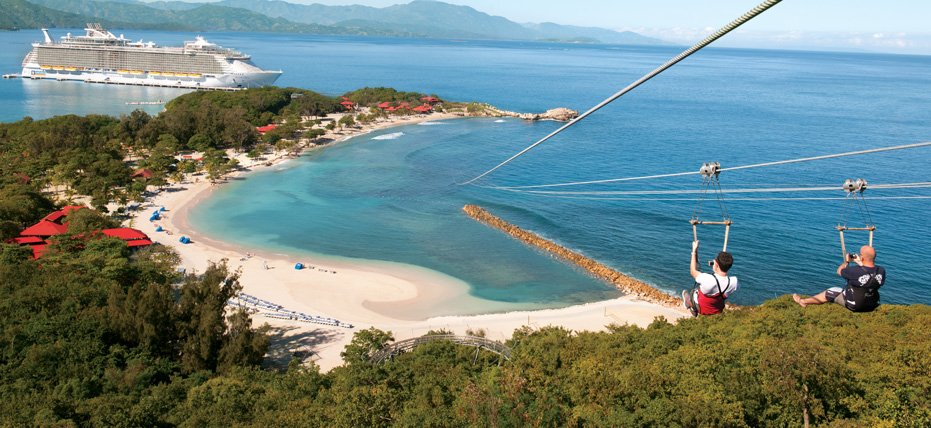
Haïti is blessed with spectacular natural landscapes, including white sand beaches, mountains and rich biodiversity.

Heritage

Heritage

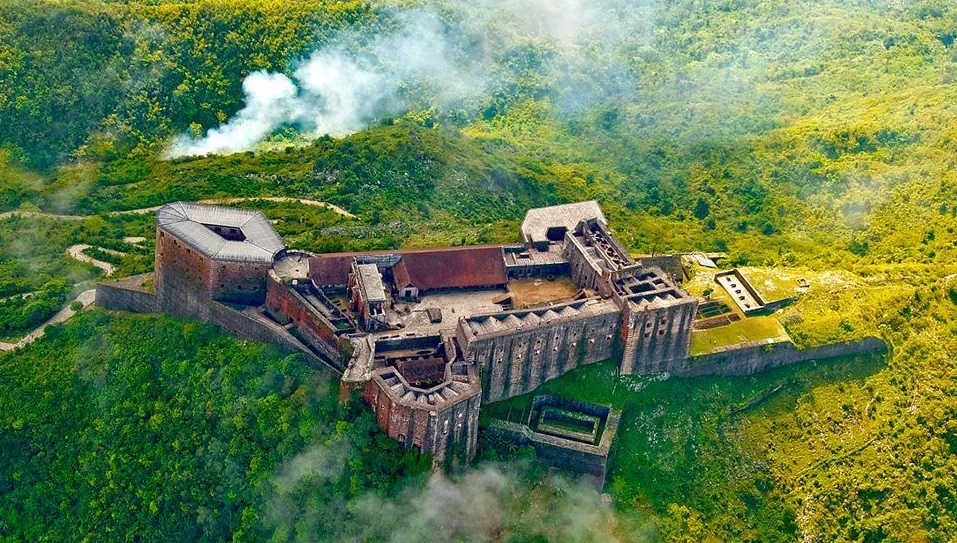
Haïti has a rich historical heritage, including sites like the Citadelle Laferrière and the Sans-Souci Palace, listed as UNESCO World Heritage Sites.

Culture

Culture

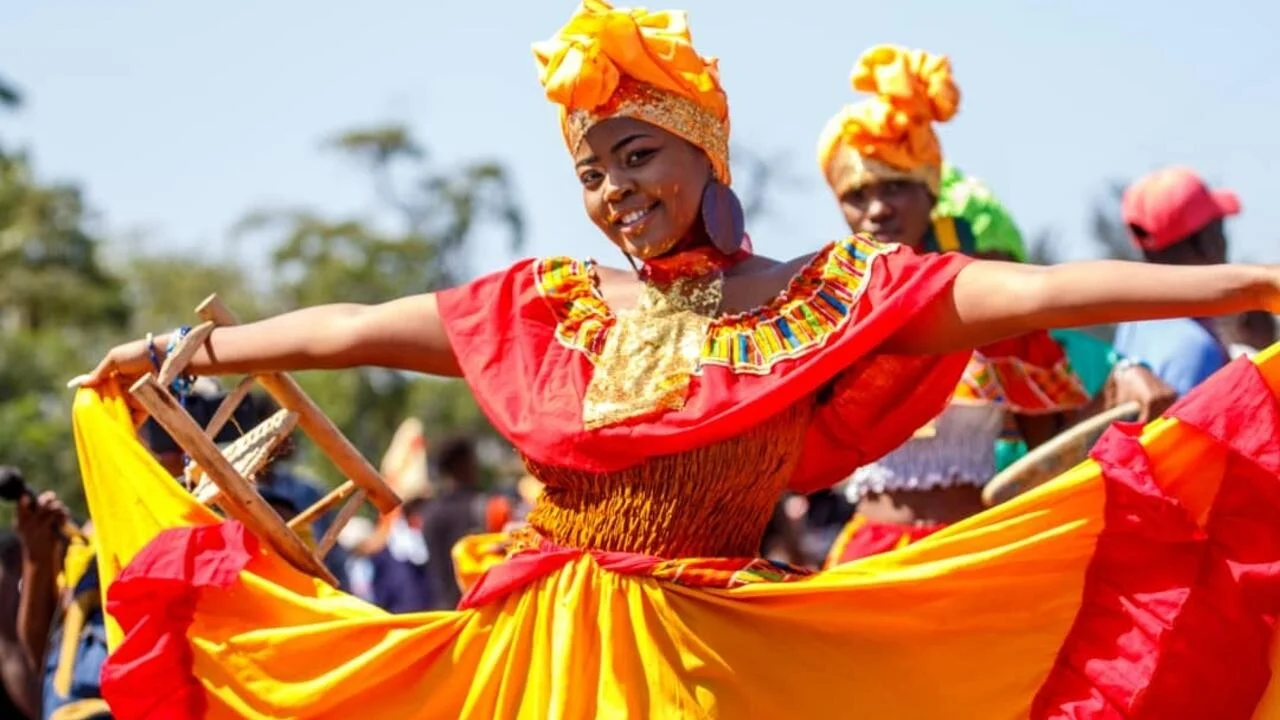
Haïti has a rich and diverse culture, influenced by African, European and indigenous elements. Haitian music, dance, art and cuisine are celebrated around the world.

  • +
    • Post