contact@haitiwonderland.com+509 36184317

Discover

Shopping Cart

Crémas: One of Haitians’ Favorite Christmas Drinks

Crémas: One of Haitians’ Favorite Christmas Drinks

Crémas is one of the most iconic drinks in Haitian culture, especially enjoyed during the Christmas holiday season. This sweet and creamy cocktail has become a staple during family and community celebrations. This article invites you to discover this delicious beverage, its history, its preparation, and the importance it holds for Haitians during Christmas.

Haïti
Haïti
Haïti

A Traditional Drink with Haitian Roots

Crémas is a drink that combines the richness of coconut milk with the warmth of rum, offering a sweet and festive taste experience. Although its origins are difficult to trace precisely, it is widely believed that this drink was influenced by Creole traditions and colonial influences, particularly European and African. Crémas is often served on special occasions, especially at Christmas, where it takes pride of place on festive tables.

For many Haitians, Crémas is not just a drink: it is a symbol of conviviality, generosity and sharing. Its sweet taste and creamy texture bring a moment of comfort during Christmas meals, making each celebration even more special.

Haïti
Haïti
Haïti

Ingredients and Preparation: A Gourmet and Comforting Blend

The recipe for Crémas is relatively simple, but each family has its own version, sometimes adding secret ingredients to personalize the drink. Here are the basic ingredients needed to prepare Crémas:

- White rum (or sometimes old rum)
- Coconut milk
- Sweetened condensed milk
- Cane sugar
- Vanilla
- Cinnamon
- Nutmeg (optional)
- Cloves (optional)
- Fresh fruits such as lemon or orange zest (optional for a fruity touch)

The preparation begins by combining coconut milk, sweetened condensed milk and cane sugar. The mixture is then flavored with vanilla, cinnamon, and possibly nutmeg or cloves. Rum is added to this base to give the alcoholic touch, and everything is mixed well. Some also like to add a lemon or orange zest for a fruity note. Once well mixed and cooled, Crémas is ready to be enjoyed, often served in decorated glasses to add to the celebration.

Haïti
Haïti
Haïti

Crémas, the Festive Drink by Excellence

At Christmas, Crémas is more than just an alcoholic drink: it becomes a true symbol of joy, sharing and unity. Haitian families gather around large decorated tables to enjoy Crémas, often accompanying their Christmas meals with this sweet and creamy drink.

Crémas is also popular during Christmas Eve parties and community celebrations where music, dancing and conviviality are the order of the day. It is a special time for Haitians to get together and celebrate together in joy and harmony. By offering a glass of Crémas to a guest, it is also a symbolic gesture of welcome and generosity, illustrating the human warmth that characterizes Haitian culture.

Haïti
Haïti
Haïti

Crémas Beyond Christmas: A Year-Round Tradition

Although Crémas is particularly associated with Christmas, this festive drink is not exclusive to this time of year. Haitians enjoy preparing it for special occasions such as weddings, birthdays, baptisms, and other important celebrations.

In the Haitian diaspora, Crémas remains a staple drink during holidays and family reunions. It thus becomes a way to keep traditions alive and pass on Haiti’s culinary heritage, whether in Miami, New York, Montreal, or elsewhere in the world.

Haïti
Haïti
Haïti

Crémas: A Haitian Culinary and Cultural Heritage

Crémas perfectly embodies the spirit of Christmas in Haiti: warm, sweet, festive, and rich in traditions. It is a drink that spans generations, unites families, and symbolizes Haitian hospitality. More than just a drink, Crémas represents an essential part of Haitian cultural identity, passed down from generation to generation with pride and love.

If you are lucky enough to spend Christmas in Haïti or participate in a Haitian celebration, be sure to try this delicious drink. Crémas is one of those simple and delicious pleasures that mark hearts and memories during celebrations, and that will allow you to fully experience the warm spirit of Christmas in Haiti.

Share
About the Author
Appolon Guy Alain
Appolon Guy Alain
Appolon Guy Alain

Full Stack Developer, Créatif, expérimenté, passionné des nouvelles technologies et de l’art.

See other articles from Appolon Guy Alain
Leave a comment

Recently Posted

Haïti, a rich and impoverished country

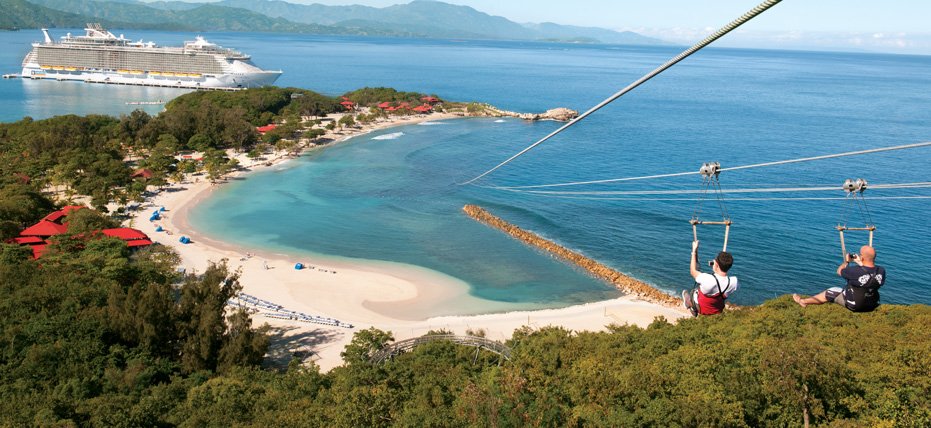
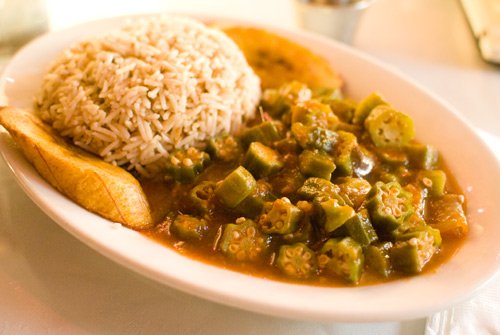
Located in the western part of the island of Hispaniola, Haïti is a land imbued with natural, cultural and historical wealth. Unfortunately, behind the beauty of its landscapes, the richness of its culture and the delicacy of its cuisine lies a complex reality marked by the debt of its independence and the persistent interference of third countries, casting a shadow over its stability. b~The Natural Beauty of Haïti~b Haïti, nicknamed the "Pearl of the Antilles", dazzles with the diversity of its landscapes. From majestic mountains and lush valleys to meandering rivers and sandy beaches, the country offers natural beauty worth celebrating. The famous Citadelle Laferrière mountains and the refreshing waterfalls of Bassin-Bleu are just a few examples of the splendor that characterizes this nation. b~A Rich and Diverse Culture~b Haïti stands out for its vibrant and diverse culture. A heritage of African, French and indigenous influence, Haïtian music, dance and art reflect a unique fusion. Colorful festivals, like Carnival, are celebrations of this cultural richness, attracting visitors from all over the world. b~Delicious Cuisine~b Haïtian cuisine, tasty and spicy, is another aspect worth celebrating. Dishes like griot, sticky rice, and the legendary joumou soup, traditionally prepared to commemorate independence, are all culinary delights that demonstrate the country’s gastronomic ingenuity. b~Heritage Treasures and Paradise Beaches~b Haïti’s heritage treasures, such as the remains of the Sans-Souci Palace and the Citadelle Laferrière, listed as UNESCO World Heritage Sites, are testimonies to the architectural grandeur of Haïti’s past. At the same time, beaches like Labadee and Jacmel offer havens of peace with crystal clear waters, attracting travelers in search of a tropical paradise. b~A Fascinating Story~b The history of Haïti is both fascinating and tragic. It was the first country in the Americas to gain its independence, in 1804, after a courageous slave revolt. However, this independence came with a heavy financial price. France demanded exorbitant compensation, thus laying the foundations for Haïti’s foreign debt. b~The Debt of Independence and Foreign Interference~b Despite these treasures, Haïti struggles with the reality of its independence debt. After gaining its freedom, the country was forced to pay France a considerable sum in compensation for losses associated with the abolition of slavery. This debt has been a major economic burden for Haïti, hindering its development. Additionally, foreign interference continues to create significant challenges. External political and economic interventions have often contributed to the country’s instability, hindering its ability to build a sustainable future for its citizens. b~In conclusion~b Haïti remains a country of multiple riches, but its challenges persist. Despite its natural beauty, rich culture and fascinating history, the nation needs enlightened international support and lasting solutions to overcome the obstacles that stand in its way. Haïti’s wealth lies not only in its enchanting landscapes, but also in the potential of its people to be resilient and prosper despite persistent challenges.
Newsletter

Subscribe to our newsletter to stay informed of all our activities and news on Haiti.

Recently Posted

History

History

First black nation to free itself from slavery and gain independence from France in 1804 and influenced other liberation movements around the world, inspiring struggles for freedom and equality.

Natural beauty

Natural beauty

Haïti is blessed with spectacular natural landscapes, including white sand beaches, mountains and rich biodiversity.

Heritage

Heritage

Haïti has a rich historical heritage, including sites like the Citadelle Laferrière and the Sans-Souci Palace, listed as UNESCO World Heritage Sites.

Culture

Culture

Haïti has a rich and diverse culture, influenced by African, European and indigenous elements. Haitian music, dance, art and cuisine are celebrated around the world.

  • +
    • Post