

1. Mini Griot or Chicken Sandwiches
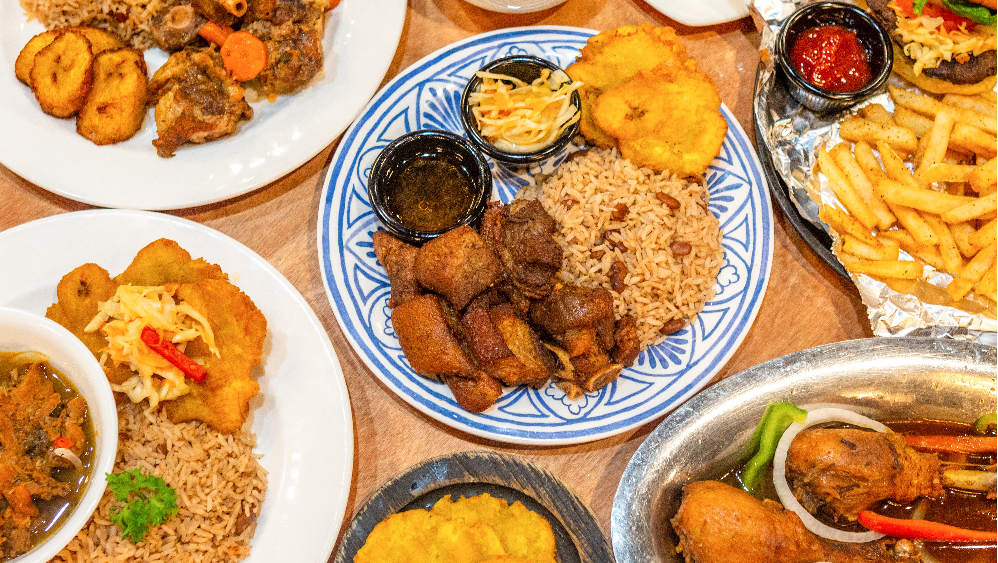
Griot is marinated, crispy porka classic! For an easy-to-eat version, make small sandwiches with bread.
Are you a parent? Are your children already going to school? Don’t say anything, I know! Every morning, it’s the same question: "What’s in their lunch today?" You want it to be tasty, balanced, and, above all, for your child to enjoy what they’re eating.
Here are 5 simple and delicious ideas to treat your child at school.
Read the article in :
Griot is marinated, crispy porka classic! For an easy-to-eat version, make small sandwiches with bread.
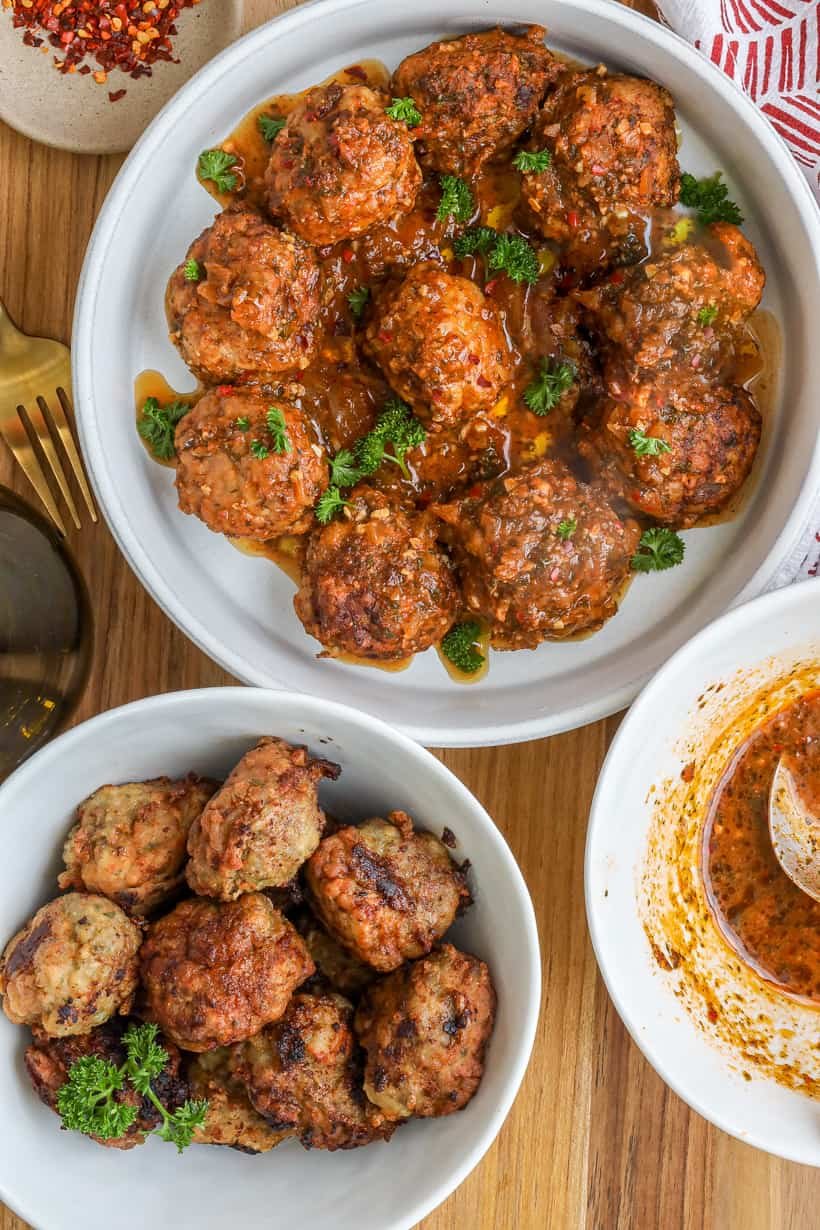
Small, well-seasoned meatballs served with crispy fries and a touch of vegetables (diced peas or carrots) for a complete and balanced meal.
Nothing beats an assortment of local fruits to bring freshness and vitamins! Mango, pineapple, melon, or papaya, cut into chunks for easy eating.
Slices of ripe banana wrapped in thin strips of grilled chicken. A perfect balance of sweet and savory that will delight little gourmands!
If your child enjoys traditional dishes, a small portion of sticky rice with red peas and chunks of fried or grilled fish is a delicious option.

Facebook : https://www.facebook.com/haitiwonderland
Youtube : https://www.youtube.com/@haitiwonderland
Instagram : https://www.instagram.com/haitiwonderland/
Twitter : https://twitter.com/haitiwonderland
Linkedin : https://www.linkedin.com/in/haitiwonderland/
On February 2, 2025, a new initiative promoting women’s empowerment was launched with the launch of a digital skills training program, led by BIZNISLIFE and UHDES (Haitian Emergency for Economic and Social Development). This ambitious project aims to train and support 50 young women from the Nippes department in the digital world, offering them a gateway to promising professional opportunities.
Since the beginning of the week, an unfounded rumor has been circulating in the United States, particularly in the state of Ohio, accusing Haitians in the diaspora of killing and consuming pets, as well as ducks in public ponds. These allegations, widely relayed by certain public and political figures, have been formally denied by local authorities and the police in Springfield, the city where these alleged events allegedly took place. Despite these denials, the rumor continues to thrive, fueling stigmatization against Haitian migrants.
Subscribe to our newsletter to stay informed of all our activities and news on Haiti.

First black nation to free itself from slavery and gain independence from France in 1804 and influenced other liberation movements around the world, inspiring struggles for freedom and equality.

Haïti is blessed with spectacular natural landscapes, including white sand beaches, mountains and rich biodiversity.

Haïti has a rich historical heritage, including sites like the Citadelle Laferrière and the Sans-Souci Palace, listed as UNESCO World Heritage Sites.

Haïti has a rich and diverse culture, influenced by African, European and indigenous elements. Haitian music, dance, art and cuisine are celebrated around the world.