contact@haitiwonderland.com+509 36184317

Discover

Shopping Cart

R.V.C, a Christian institution of reference in Haiti.

R.V.C, a Christian institution of reference in Haiti.

Rendez-vous Christ (R.V.C) is a network of churches and Christian institutions gathered under the leadership of Reverend Pastor, Dr. Julio Volcy. The network consists of campuses located in Delmas 75, Caseau, Jérémie, and Cap-Haïtien. RVC supports these churches and other Christian charitable institutions to fulfill its mission among the Haitian population. Rendez-vous Christ is preparing to celebrate its 9th anniversary on March 23. On this occasion, the church plans to visit prisoners, sharing the good news of the Gospel, eating with them, and offering other gifts.

Haïti
Haïti
Haïti

Enlightened, Disciplined Leadership

One of RVC’s characteristics is its enlightened vision for the formation of effective Haitian Christian citizens. This vision is accompanied by an increased desire for discipline, which could even be described as a mannerism. At RVC, punctuality is keyit’s a way of acknowledging that Christianity does not prosper in indiscipline. Additionally, RVC believes in education as a tool for transforming mentalities, to create enlightened Christians who can be examples in intellectual, family, and economic spheres. It’s a way of saying that every Christian must first preach the Gospel through the example of their life and be a beacon of hope where the darkness of the world is most evident.

Haïti
Haïti
Haïti

A Church That Believes in the Real Development of People

At RVC, all aspects of the human being are considered: spirit, soul, and body. The visible, mobile person is ready to invest in just causes. If we take care of the body while neglecting the soul, an unbalanced scandal will surface, and it will not be pleasant to see. Generally, this is why the church emphasizes offering care for all that makes up the human being. While the Christian should hope for heaven for their soul, their body must live well while waiting, and their spirit must be flourishing. RVC also distinguishes itself by believing that the Christian citizen has a voice in society’s affairs, including political ones, as Christian citizens are not disconnected from the rest of society. Their role is to improve society, not to avoid it with irresponsible attitudes.

A Church by Christians for Non-Christians

Rendez-vous Christ is characterized by its efforts to reach non-Christians in Haiti. Referencing the biblical version of Acts 15:19, where the author suggests not imposing burdens on new converts, RVC strives not to stigmatize people based on their clothing choices or whether they let their hair grow, or any other sign that might attract harsh judgments from traditional Haitian Christians. According to RVC’s leaders, the church is a place of healing for all kinds of people, both those with emotional wounds and physical ones.

Haïti
Haïti
Haïti

Loving God, Loving People, and Making Disciples

Love is the cornerstone of Jesus Christ’s message. Anyone who wants to share it with others must be able to love and show it daily. Indeed, RVC aims to be a proud symbol in this regard, as it demonstrates its love by helping people in need. And it’s through the example of this love that the church manages to bring souls into the body of Christ.

A Modern Institution

Rendez-vous Christ is also characterized by its modern approach. Its strong presence on social media even allows it to have an online campus. Furthermore, RVC strives to offer services using the most effective tools to build the perfect atmosphere to strengthen Christians in their desire to worship God.

Haïti
Haïti
Haïti

Youth Empowered

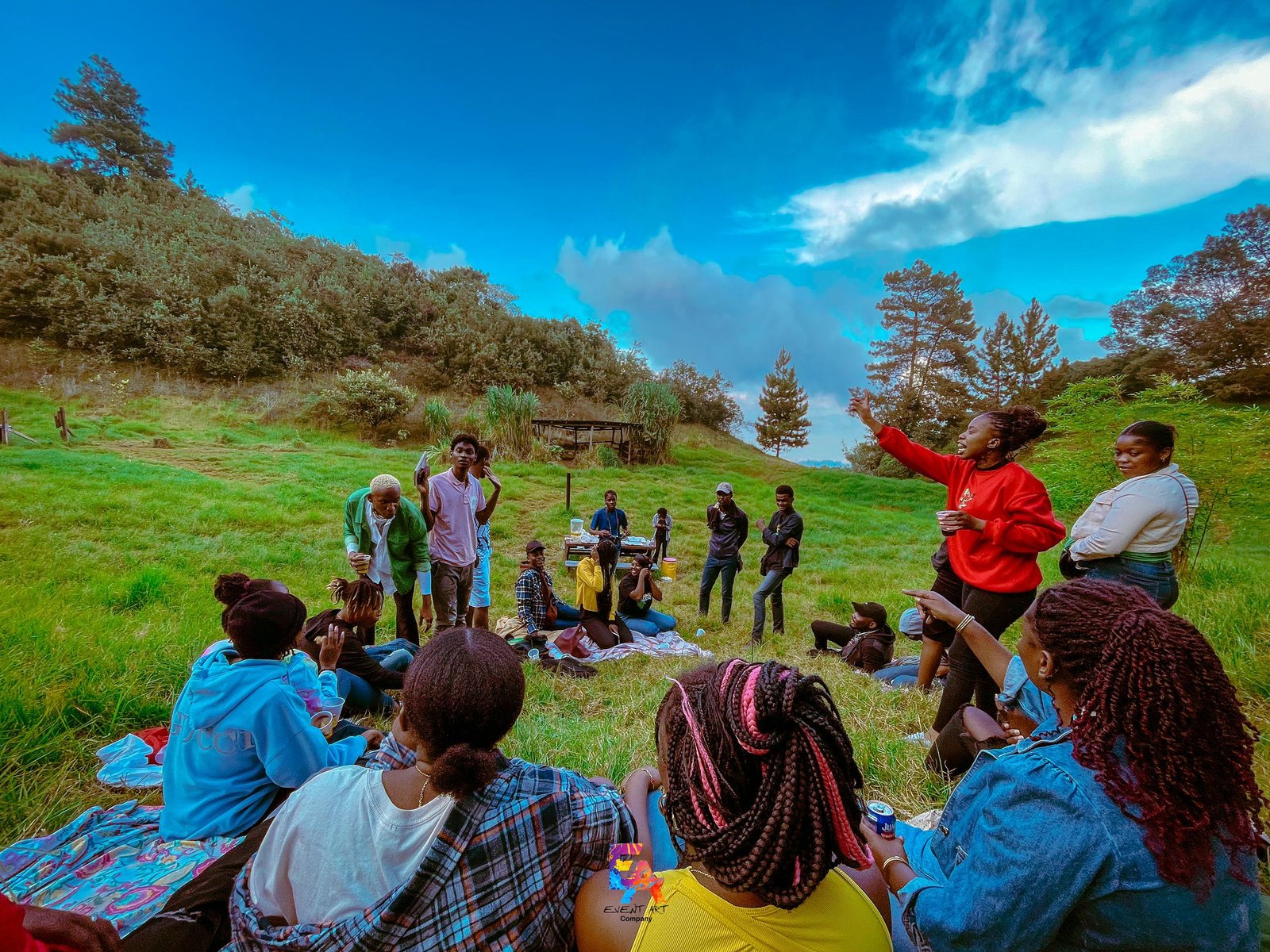
If there is one place in Haïti where power is shared equitably with the youth, it’s at RVC. From the moment you enter the Delmas campus, it’s clear. The church perfectly reflects the importance and significant demographic presence of young people, with many of them serving the church through various ministries (JAM for children, REVIV for teenagers, praise dance for those who want to dance…), which make up the evangelical religious institution.

Share
About the Author
Moise Francois
Moise Francois
Moise Francois

Journalist editor, poet and apprentice lawyer.

See other articles from Moise Francois
Leave a comment

Recently Posted

Newsletter

Subscribe to our newsletter to stay informed of all our activities and news on Haiti.

Caractéristique d’un lapin

Les lapins sont des mammifères appartenant à la famille des Leporidae. Voici quelques-unes de leurs caractéristiques principales : 1. **Physique** : Les lapins ont un corps couvert de fourrure douce, des oreilles longues et droites, de grands yeux sur les côtés de leur tête, et une queue courte et duveteuse. Ils possèdent de puissantes pattes arrière adaptées au saut. 2. **Taille et poids** : La taille et le poids peuvent varier considérablement selon la race, allant d’environ 500 grammes pour les plus petits à plus de 5 kilogrammes pour les plus grands. 3. **Comportement** : Les lapins sont connus pour être sociaux et peuvent vivre en groupes dans la nature. Ils communiquent entre eux par différents moyens, y compris par des sons et des mouvements corporels. Les lapins creusent des terriers pour y vivre et se protéger des prédateurs. 4. **Alimentation** : Ils sont herbivores, se nourrissant principalement de foin, d’herbes, de feuilles, de fleurs, et de certains légumes. Leur système digestif est adapté pour traiter une grande quantité de fibres. 5. **Reproduction** : Les lapins sont réputés pour leur capacité à se reproduire rapidement, avec des gestations courtes d’environ 28 à 31 jours. Une portée peut compter de un à douze lapereaux, selon la race. 6. **Sens** : Ils ont une excellente vision périphérique pour détecter les mouvements tout autour d’eux, mais ont une zone aveugle juste devant leur nez. Leur ouïe est également très développée, leur permettant de capter des sons à de grandes distances. 7. **Espérance de vie** : En captivité, les lapins peuvent vivre de 7 à 10 ans, selon la race et les soins prodigués, tandis que dans la nature, leur espérance de vie est généralement plus courte en raison des prédateurs et des maladies. Ces animaux nécessitent des soins appropriés, notamment un régime alimentaire équilibré, de l’exercice, et une attention particulière à leur bien-être émotionnel et physique pour vivre une vie saine et heureuse en captivité.

Living in Prose and Poetry: an unmissable summer event in Port-au-Prince.

Living in Prose and Poetry is an artistic and cultural event organized by the cultural organization Salon de Livre de Port-au-Prince (OCSLPAP) with the aim of bringing together young artists from the Haitian capital to exhibit them to a large audience . This edition will take place on Saturday July 27, 2024, at the pyépoudré cultural center, located at number 332 on the Route de Bourne. This year the organizers announce their mission is to bring together talents from various categories of arts, always with the aim of helping them to become familiar with each other, and to help create a solid link between them and the Haitian public. . The categories targeted by the organizers for this second edition are young poets, slammers, comedians, rappers, dancers, singers, painters, and writers who have already published at least one work. Living in prose and poetry will also be an opportunity to encourage Haitian youth to think. The first part of the event will be devoted to a discussion around a text by the famous Haitian writer Louis Philippe Dalembert, entitled The Other Face of the Sea. It is a novel which carefully addresses the subject of immigration and detachment that goes with it in the immigrant’s skin. It is a book that speaks openly to the reality of the Haitian people today. It has already been announced that this first part will be moderated by the journalist and literary critic Carl Pierrecq who works for the short story writer, and moderation will be provided by Pierre Marie, a young sociology student at the Faculty of Human Sciences (FASCH). After a largely successful first edition which took place in May 2023 in the premises of the municipal library of Delmas, the organizers of living in prose and poetry say they are determined and have made the promise for this year to deliver to the public port-au -princien, a cultural event of exceptional scale for the second outing. Once again, this will be the perfect opportunity to celebrate the great richness of Haitian culture through the organs of our young talents. Given the difficult context, manifested by the almost daily situation of insecurity which has prevailed for some time, in a good part of Port-au-Prince, the announcement of this event comes as a fresh breath of oxygen, scattered throughout the within the lungs of the city. It is yet another opportunity to remind through this artistic festivity that even in times of deep unrest, art will remain an indispensable light, because even in times of crisis, the latter and the artist (its channel of diffusion) will become refuges, sources of comfort and appeasement for all human souls.

Recently Posted

History

History

First black nation to free itself from slavery and gain independence from France in 1804 and influenced other liberation movements around the world, inspiring struggles for freedom and equality.

Natural beauty

Natural beauty

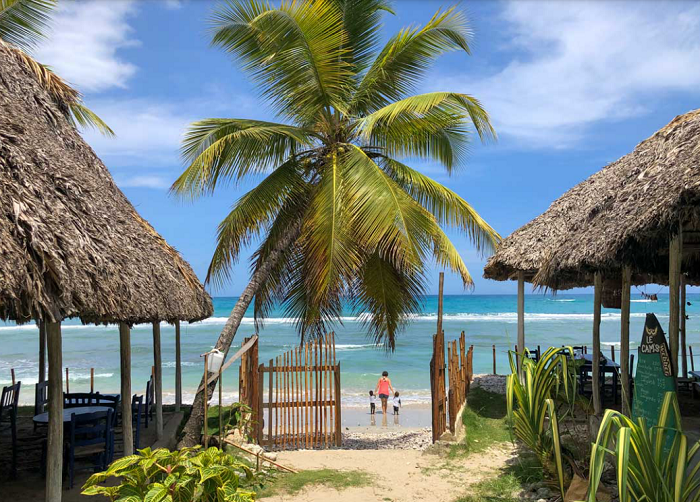
Haïti is blessed with spectacular natural landscapes, including white sand beaches, mountains and rich biodiversity.

Heritage

Heritage

Haïti has a rich historical heritage, including sites like the Citadelle Laferrière and the Sans-Souci Palace, listed as UNESCO World Heritage Sites.

Culture

Culture

Haïti has a rich and diverse culture, influenced by African, European and indigenous elements. Haitian music, dance, art and cuisine are celebrated around the world.

  • +
    • Post