contact@haitiwonderland.com+509 36184317

Discover

Shopping Cart

What Continent is Haïti in? A Journey to the Heart of the Caribbean

What Continent is Haïti in? A Journey to the Heart of the Caribbean

Haiti, this vibrant and characterful country, is located in a fascinating region of the world. Although many know it as an island state in the Caribbean, one question often comes up: in which continent is Haïti located? This article provides you with the answer while exploring the unique geographical and cultural identity of this jewel of the Antilles.

Haïti
Haïti
Haïti

Haïti and its Geographical Position

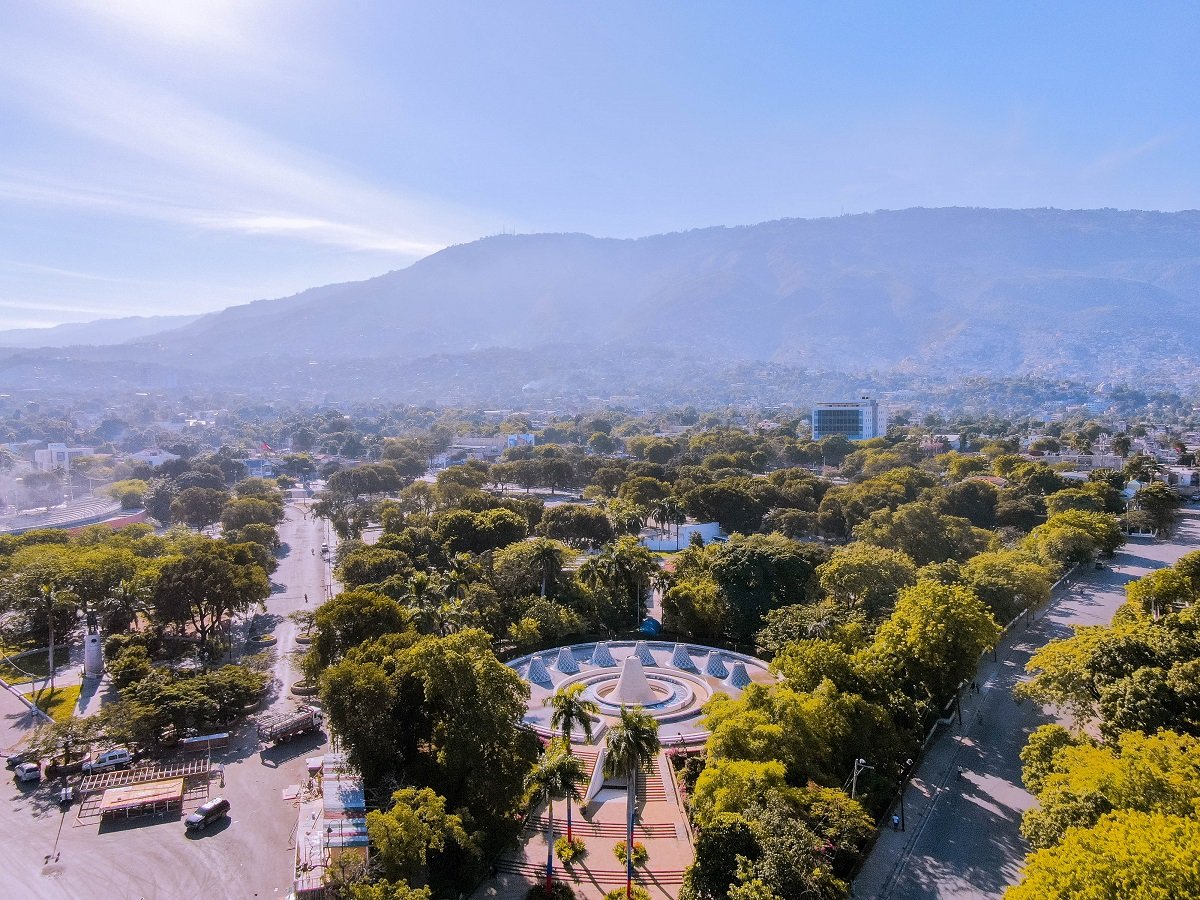
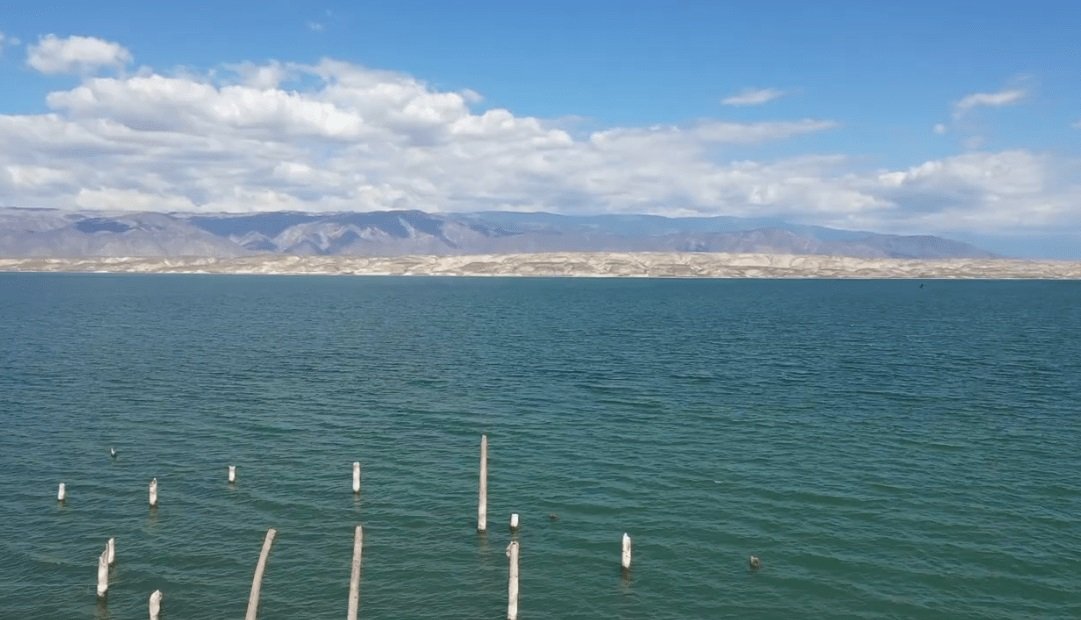
Haïti is located on the American continent, more precisely in the Central Americas and Caribbean region. Located in the Caribbean Sea, Haïti occupies the western third of the island of Hispaniola, which it shares with the Dominican Republic. This island is the second largest in the Greater Antilles, after Cuba.
Haïti
Haïti
Haïti

Some Key Data:

- Continent: America.

- Region: Caribbean, part of Latin America and the Antilles.

- Geographic coordinates: Between latitudes 18° and 20° north and longitudes 71° and 74° west.
- Neighboring countries: The Dominican Republic to the east, Cuba and Jamaica to the northwest, and Puerto Rico to the east across the Caribbean Sea.

Haïti
Haïti
Haïti

Why is Haïti a Caribbean country?

Although Haïti is located on the American continent, it is generally referred to as a Caribbean country because of its island position and its cultural and historical affiliation to this region.

The Traits that Anchor Haïti in the Caribbean:
1. Tropical climate: Warm temperatures all year round and a typical rainy season.
2. Caribbean culture: Haïti shares common traditions with the other islands, such as music, dance, and culinary flavors.
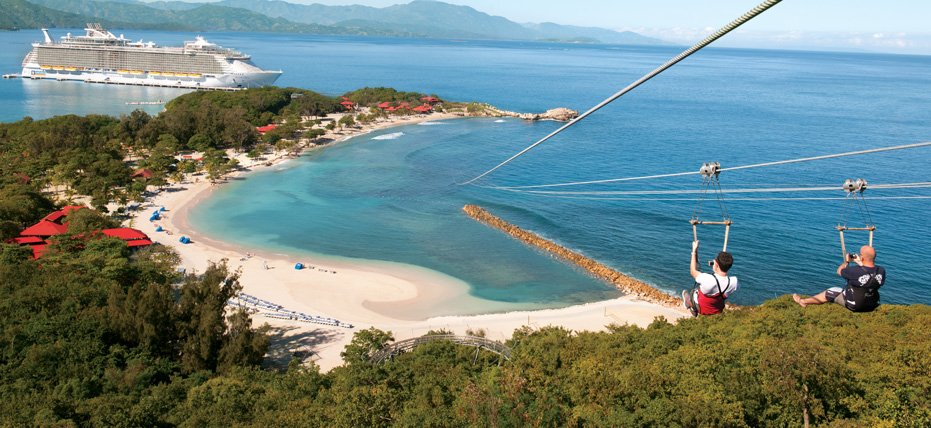
3. Caribbean Sea: This sea, with turquoise waters, is a central feature of Haiti’s geography.

Haïti
Haïti
Haïti

A Cultural Identity Rooted in the Americas

Haïti is the first independent country in Latin America and the Caribbean, having gained its independence in 1804 after a historic revolution. This strong historical link, added to its geographical position, fully integrates it into the American continent while maintaining its Caribbean singularity.

Haïti
Haïti
Haïti

Haiti: A Gateway to the Caribbean

For visitors, Haïti is often seen as an ideal gateway to the Caribbean. With its heavenly beaches, majestic mountains and impressive cultural heritage, the country offers an unforgettable experience to those looking to explore this region of the globe.

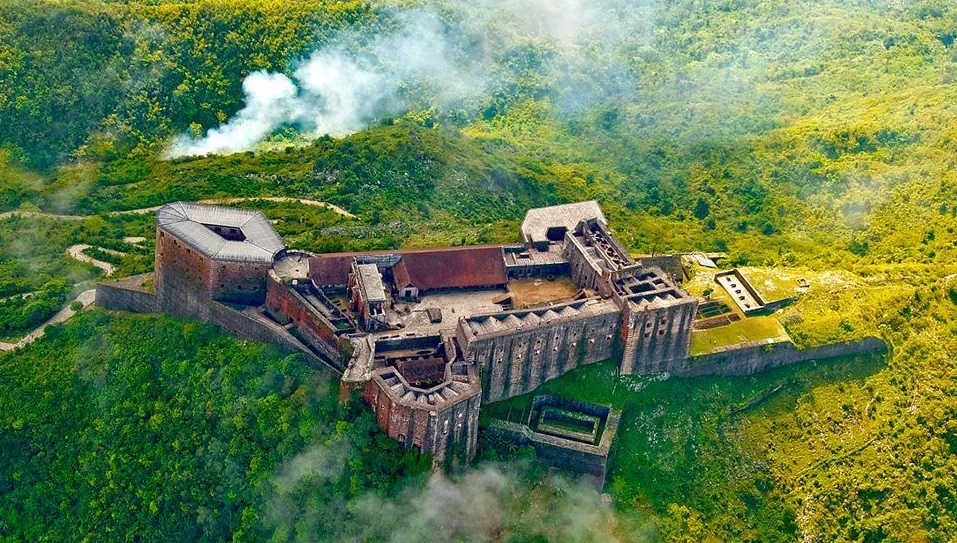
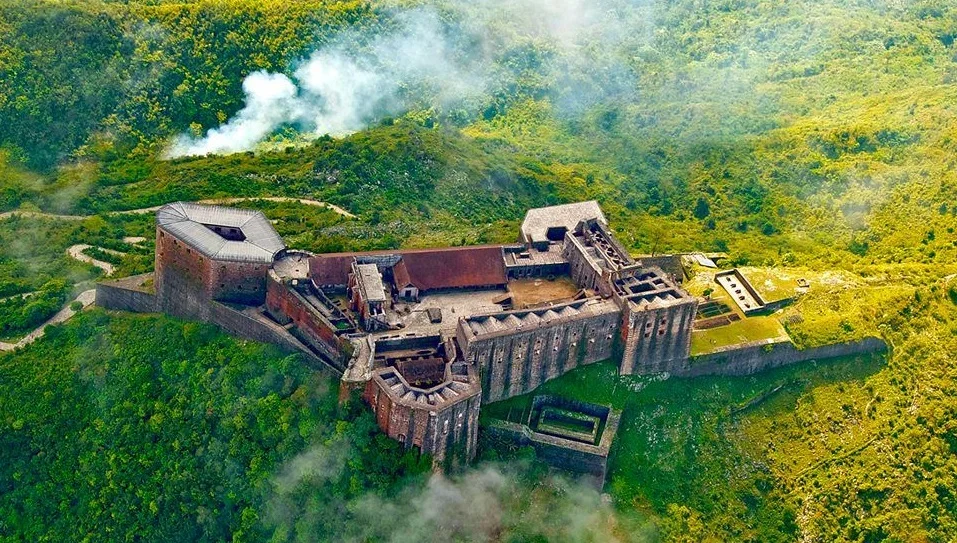
- Main attraction: The Citadelle Laferrière, a true symbol of resistance and national pride.
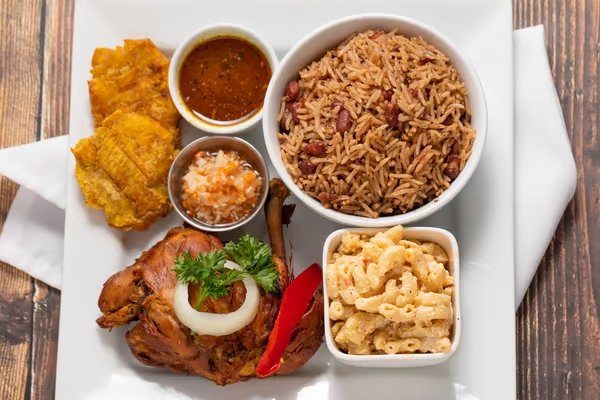
- Gastronomy: Dishes like djon djon rice or griot combine African, European and Caribbean flavors.
- Ecotourism: Natural parks like La Visite and Macaya illustrate the ecological richness of the island.

Haïti
Haïti
Haïti

A Proudly American and Caribbean Nation

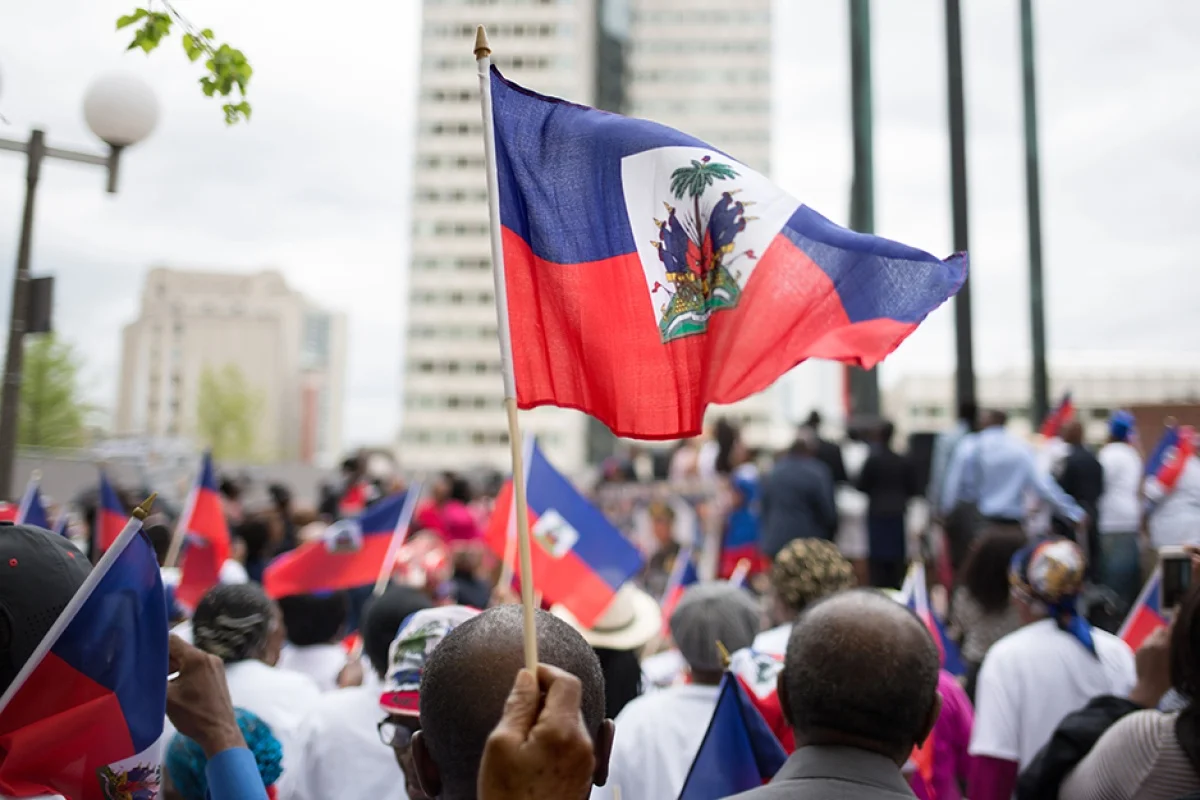
Haïti is located in America, but it embodies the very essence of the Caribbean. This country, at the crossroads of geographical and cultural influences, offers a unique experience within the Western Hemisphere. Understanding where Haïti is located also means understanding the importance of its strategic position and its role in the history and culture of the Americas.

Share
About the Author
Appolon Guy Alain
Appolon Guy Alain
Appolon Guy Alain

Full Stack Developer, Créatif, expérimenté, passionné des nouvelles technologies et de l’art.

See other articles from Appolon Guy Alain
Leave a comment

Recently Posted

There are several reasons why a foreign national might be interested in visiting Haiti

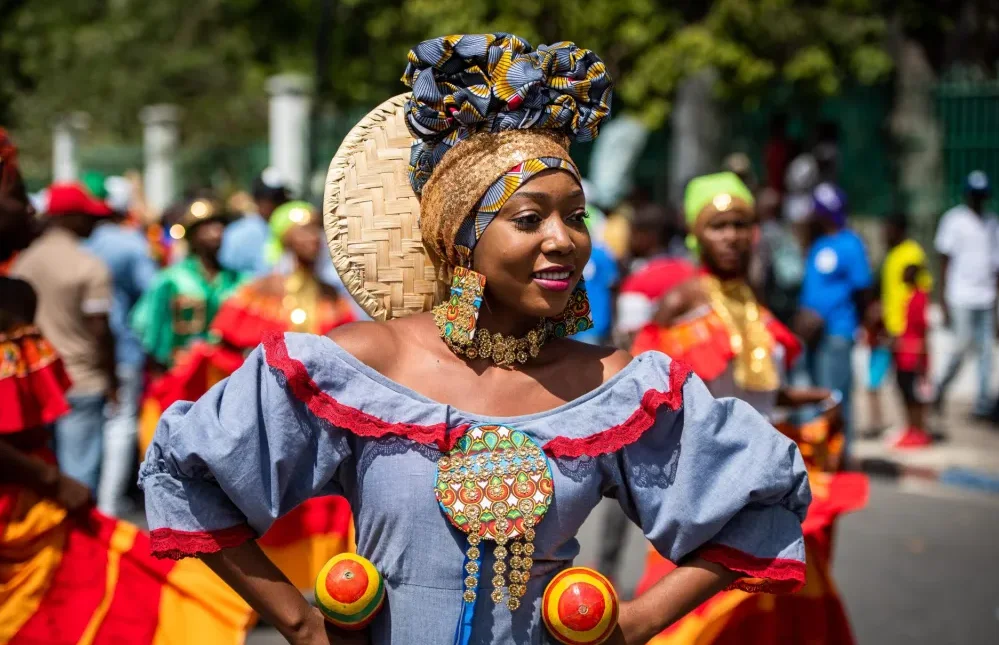
There are several reasons why a foreign national might be interested in visiting Haiti: Rich and diverse culture: Haïti has a unique culture resulting from a mixture of African, European (particularly French) and Caribbean influences. This is reflected in its music, cuisine, art and traditions. Fascinating history: Haïti was the first country in Latin America and the Caribbean to gain independence in 1804 after a successful slave revolt. Its history is rich in significant events and important historical figures. Magnificent natural landscapes: The island of Haïti offers a variety of breathtaking landscapes, from white sandy beaches to lush green mountains, picturesque waterfalls and isolated islands. Hospitality of the locals: Haitians are known for their warmth and hospitality towards foreign visitors, making the travel experience very pleasant and enriching on a human level. Opportunities for Sustainable Tourism: Haïti offers opportunities for sustainable tourism, including encouraging visits that directly benefit local communities and environmental conservation. Exploring historic sites: Historic sites such as the UNESCO-listed Citadelle Laferrière offer visitors a chance to discover colonial architecture and remains from pre-Columbian times. Vibrant cultural celebrations: Haïti is famous for its colorful festivals and cultural celebrations throughout the year, such as Carnival, where music, dance and traditional costumes are in the spotlight. In summary, visiting Haïti can offer a deep and authentic cultural experience, as well as an exploration of the unique natural and historical beauties of this Caribbean nation.

Newsletter

Subscribe to our newsletter to stay informed of all our activities and news on Haiti.

Recently Posted

History

History

First black nation to free itself from slavery and gain independence from France in 1804 and influenced other liberation movements around the world, inspiring struggles for freedom and equality.

Natural beauty

Natural beauty

Haïti is blessed with spectacular natural landscapes, including white sand beaches, mountains and rich biodiversity.

Heritage

Heritage

Haïti has a rich historical heritage, including sites like the Citadelle Laferrière and the Sans-Souci Palace, listed as UNESCO World Heritage Sites.

Culture

Culture

Haïti has a rich and diverse culture, influenced by African, European and indigenous elements. Haitian music, dance, art and cuisine are celebrated around the world.

  • +
    • Post