contact@haitiwonderland.com+509 36184317

Discover

Shopping Cart

Where is Haïti on the World Map?

Where is Haïti on the World Map?

Haiti, a country steeped in history and culture, is a Caribbean nation whose geographical location is both strategic and fascinating. But where exactly is Haïti on the world map? Discover its unique position and what makes it such a special place.

Haïti
Haïti
Haïti

Haïti in the World: Located in America

Haïti is located in the Northern Hemisphere, on the American continent. Although it belongs to the Caribbean region, it is an integral part of North America geographically. It also shares close ties with the nations of Central America and the Antilles, particularly through its culture and history.

Haïti
Haïti
Haïti

Haiti’s Location in the Caribbean

Haïti occupies the western part of the island of Hispaniola, which it shares with the Dominican Republic. This island, located in the Greater Antilles, is surrounded by the Atlantic Ocean to the north and the Caribbean Sea to the south. Haïti is separated from Cuba to the west by the Windward Channel, a major shipping lane.

Haïti
Haïti
Haïti

Haiti’s geographic coordinates

To locate Haïti precisely on a map, its geographic coordinates are a useful reference:
- Latitude: between 18° and 20° North.
- Longitude: between 71° and 75° West.

Its position in the tropical zone explains its hot and humid climate as well as its lush vegetation.

Haïti
Haïti
Haïti

Haiti’s area and administrative divisions

Haïti covers an area of ​​27,750 km². It is divided into ten departments: West, North, South, Northeast, North-West, South-East, Artibonite, Center, Grand’Anse and Nippes. The capital, Port-au-Prince, is located in the West Department, on the Caribbean Sea.

Haiti, a historical and cultural crossroads

Haïti occupies a geographical position that has made it a key point in colonial and modern history. It was here that Christopher Columbus landed in 1492, marking the beginning of European contact with the Americas. In addition, Haïti is recognized as the first independent black republic in the world, after its historic revolution in 1804.

How to find Haïti on a map?

To identify Haïti on a world map, first look for the Caribbean, located between North America and South America. Then locate the Greater Antilles, which include Cuba, Jamaica, Puerto Rico, and Hispaniola. Haïti occupies the western part of the latter, next to the Dominican Republic.

Haïti
Haïti
Haïti

Haiti, a small country in the heart of the Americas

Although small in size, Haïti occupies an immense place culturally, historically and geographically. Its location in the Caribbean makes it a meeting point between the Americas and the rest of the world, offering exceptional natural and human wealth.

By exploring a map, take the time to locate this fascinating country and be inspired by all it has to offer. Whether for its beaches, its mountains or its vibrant culture, Haïti is a true treasure to discover.

Share
About the Author
Appolon Guy Alain
Appolon Guy Alain
Appolon Guy Alain

Full Stack Developer, Créatif, expérimenté, passionné des nouvelles technologies et de l’art.

See other articles from Appolon Guy Alain
Leave a comment

Recently Posted

The Port-au-Prince Book Fair announces the opening of author registration for its second edition

The Port-au-Prince Book Fair is a literary initiative of the cultural organization Port-au-Prince Book Fair (OCSLP), based on the desire to promote Haitian culture in general, with a particular focus on literature. The organizers of the event have just announced the registration of authors, who will number 20, and those of publishing houses, who will number 5 for the second edition, which will take place on Friday, December 13, 2024, in the premises of the French Institute in Haiti. The registration deadline is Thursday, October 10 of this year. Please note that the first to arrive who have met the required criteria will be eligible to take part in this second edition of the event, according to the organizers’ admission. This rigorous and restricted selection of only 20 authors aims to guarantee an enriching experience for authors and the public, thus promoting authentic exchanges around the works presented. Independent authors and publishing houses interested in registering their authors to participate in this second edition of the fair are invited to submit their application via this link: https://form.jotform.com/louirardjohn8/salon-du-livre-de-port-au-prince. For publishing and distribution houses planning to exhibit on the day of the event, you can register by clicking on this link: https://form.jotform.com/242596699603068. You are requested to contact them at the following address: salondulivre2023@gmail.com in case of difficulties. The Port-au-Prince Book Fair remains faithful to its philosophy, which is to offer a platform to young authors and to promote the richness of Haitian literary production, by supporting new authors who contribute to its growth. This event is a continuation of the first edition, aimed at allowing the emergence of an environment conducive to exchanges, where young authors can meet, share their experiences and engage in dialogue with readers and book professionals. According to the organizers of the event, your participation as a young author will be essential to enrich the fair and offer a diverse experience to visitors. The invitation to join this noble initiative is extended to young authors who have not yet published 5 books. You who are concerned, the ball is now in your court. Do not hesitate to go and make this day, December 13, 2024, an unforgettable day for all book lovers.

Newsletter

Subscribe to our newsletter to stay informed of all our activities and news on Haiti.

A Call for Online Media Awareness to improve the image of Haïti on the internet

A simple Google search for "Haïti" will leave you with a bitter taste, as you will mostly discover degrading images that fail to pay homage to Haïti’s natural beauty, rich history, and vibrant culture. This reality stems from a multitude of online media outlets that, in their relentless quest for visibility and profit, disseminate images that do not reflect the true essence of Haïti. It is time to challenge this trend and raise awareness among Haïtian online media of the profound impact of their editorial choices on the image of their own country. b~The Consequences of the Dissemination of Degrading Images:~b Sharing degrading images of Haïti contributes to perpetuating prejudices and reinforcing negative stereotypes associated with the country. This can have serious consequences for tourism, foreign investment, and even the national pride of Haïtians. Furthermore, it creates a distortion of reality, masking the many positive and inspiring aspects of Haïti. b~A Call for Editorial Responsibility:~b It is imperative that Haïtian online media take editorial responsibility in ensuring that the images and stories they broadcast reflect the diversity and richness of Haïti. Rather than focusing only on the negative aspects, they should highlight the successes, positive initiatives, and exceptional contributions of Haïtians to global society. b~Promote a Balanced Image:~b Haïti’s diversity, both culturally and socially, deserves to be celebrated. Haïtian online media have the opportunity to play a key role in promoting a more balanced image of the country by highlighting its successes, its innovations and its rich history. This will not only help educate the global public, but also inspire pride and confidence in Haïtians themselves. It is time for Haïtian online media to realize their power as opinion shapers and actively contribute to transforming Haïti’s image. By choosing to share balanced and positive stories, they can play a vital role in building a more accurate and respectful perception of this remarkable country. It is a call for editorial responsibility, sensitivity and national pride, in order to restore Haïti to its rightful place on the world stage.

Recently Posted

History

History

First black nation to free itself from slavery and gain independence from France in 1804 and influenced other liberation movements around the world, inspiring struggles for freedom and equality.

Natural beauty

Natural beauty

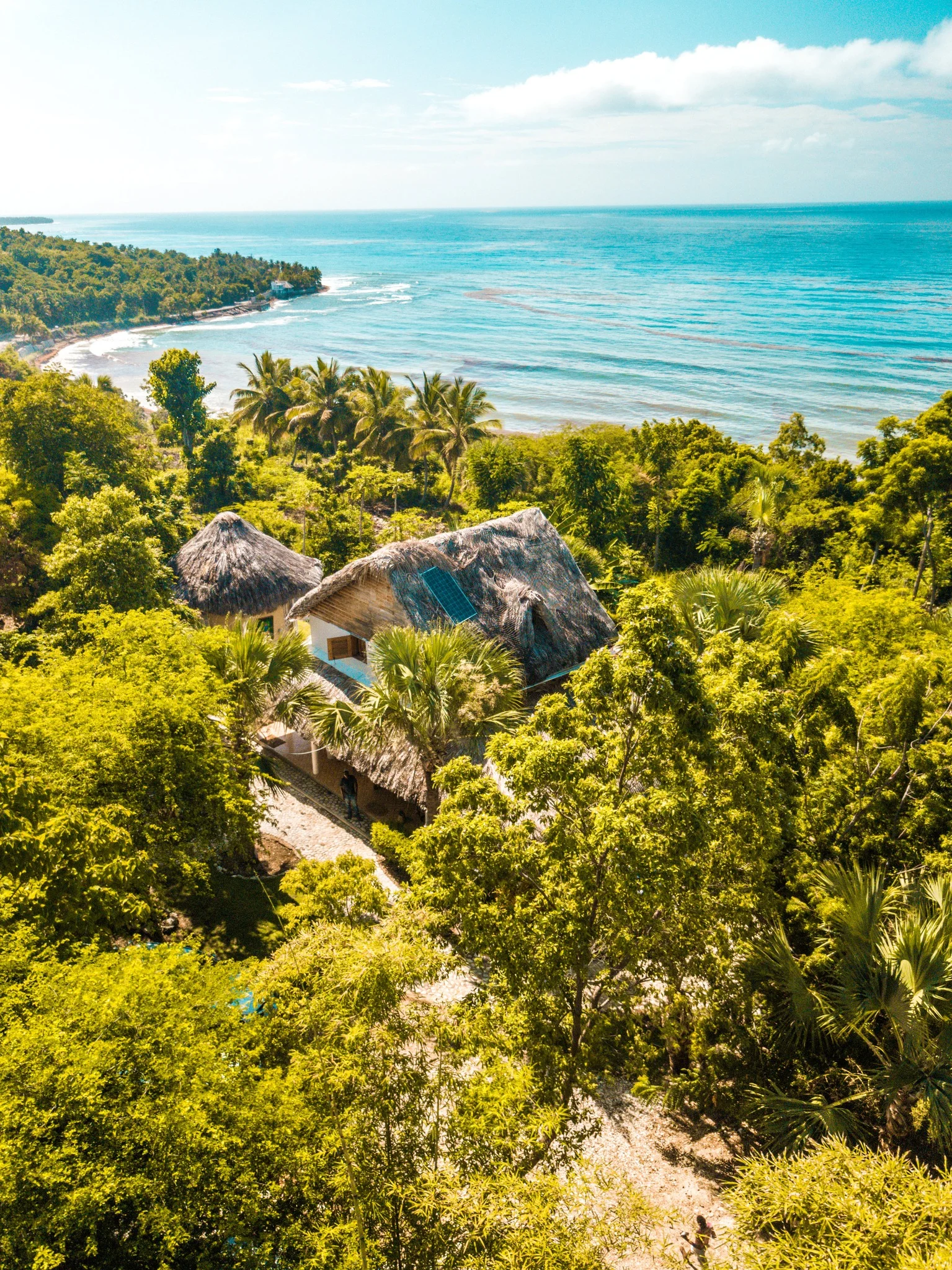
Haïti is blessed with spectacular natural landscapes, including white sand beaches, mountains and rich biodiversity.

Heritage

Heritage

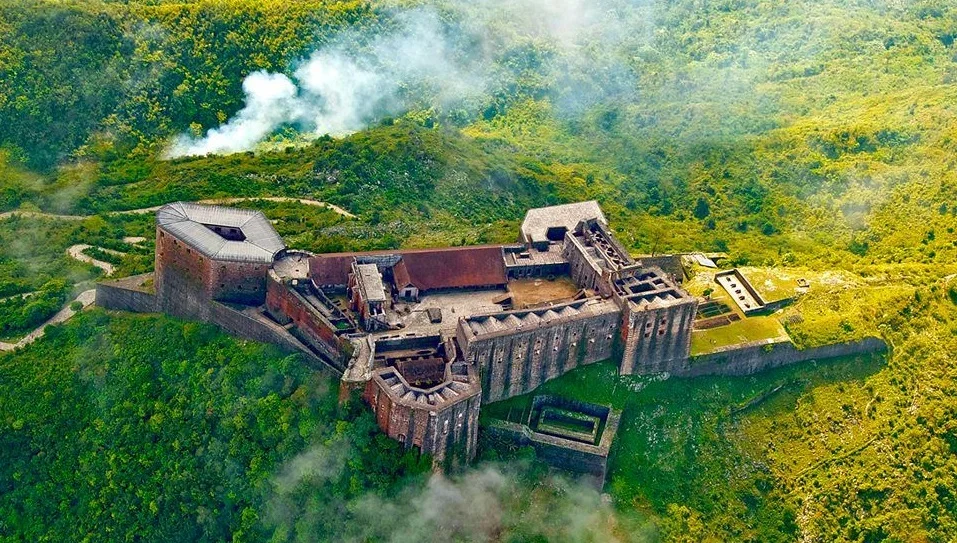
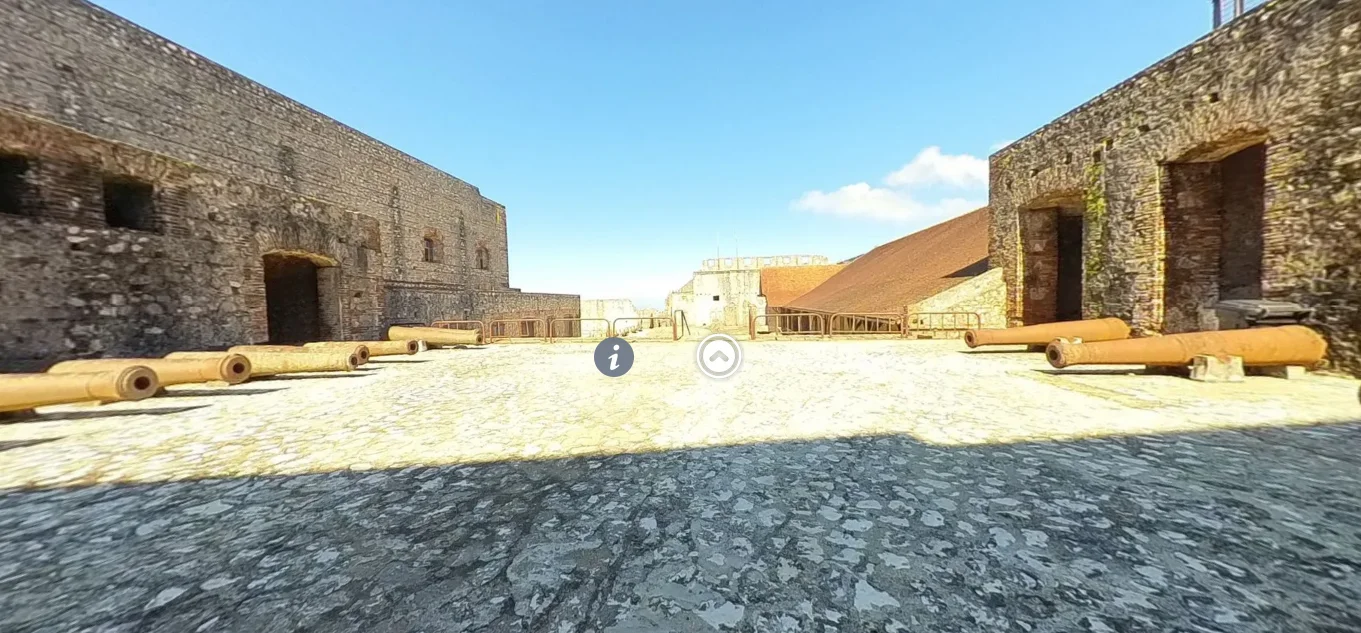
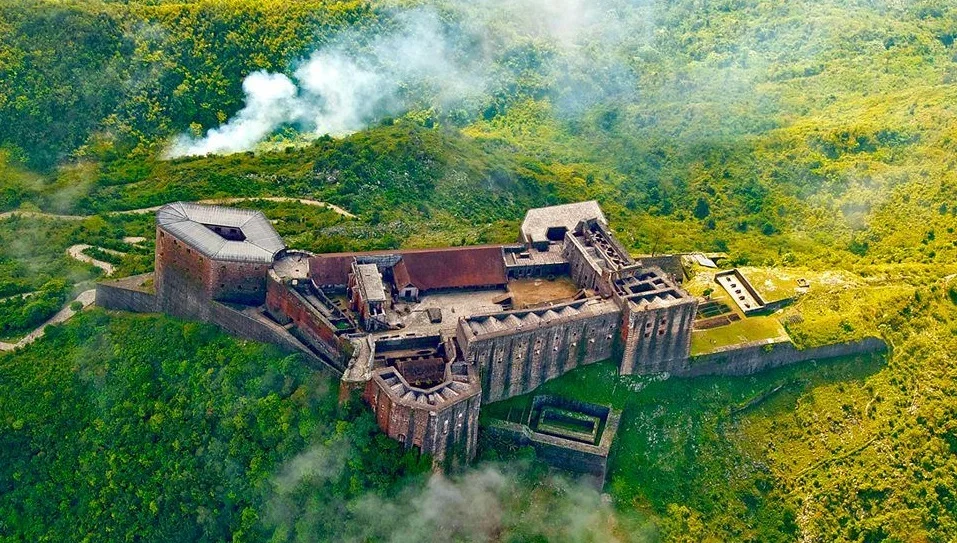
Haïti has a rich historical heritage, including sites like the Citadelle Laferrière and the Sans-Souci Palace, listed as UNESCO World Heritage Sites.

Culture

Culture

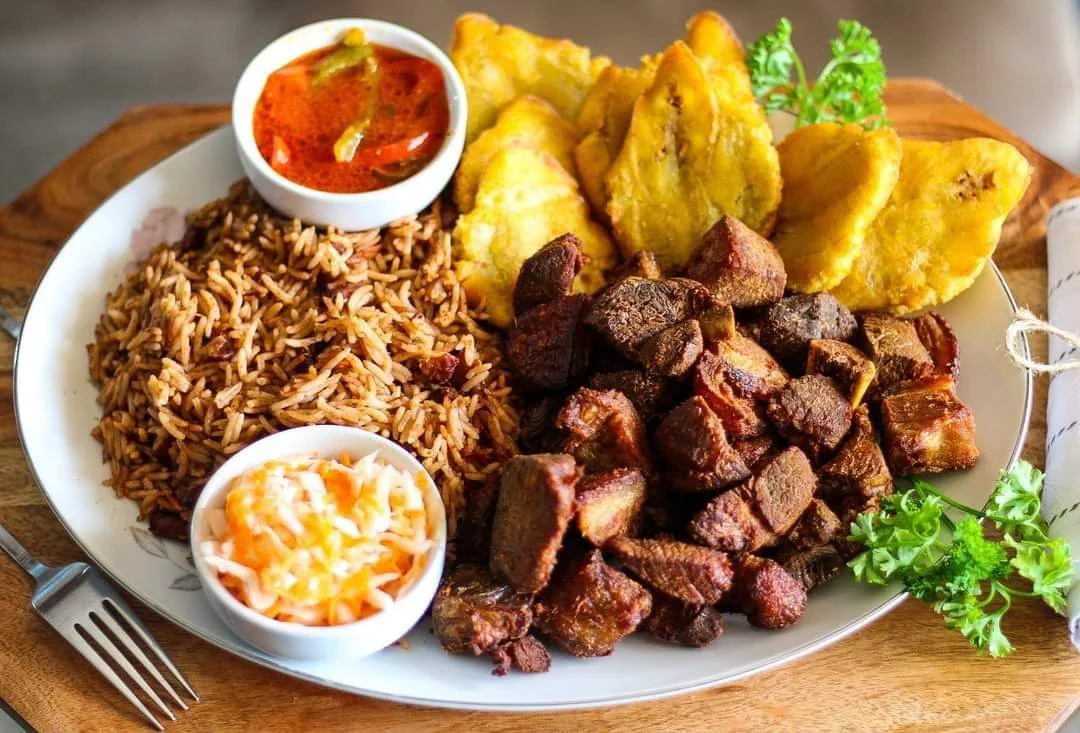
Haïti has a rich and diverse culture, influenced by African, European and indigenous elements. Haitian music, dance, art and cuisine are celebrated around the world.

  • +
    • Post