contact@haitiwonderland.com+509 36184317

Discover

Shopping Cart

Who Founded Haiti? History of the Nation’s Creation

Who Founded Haiti? History of the Nation’s Creation

Haiti, the world’s first independent black republic, is a universal symbol of freedom and resistance. But who founded Haïti and how was this nation born? This journey through history leads us to explore the role of heroic figures, significant events, and the context that gave birth to this unique nation.

Haïti
Haïti
Haïti

A Context of Revolt and Injustice

At the end of the 18th century, Haiti, then called Saint-Domingue, was a French colony renowned for its production of sugar, coffee, and indigo. However, this prosperity was based on the backs of African slaves subjected to inhumane working conditions.

- Colonial Society: The population was divided into three major classes: European settlers, freedmen (former free slaves), and slaves, who represented approximately 90% of the population.
- Injustice and Rebellion: Inspired by the ideals of liberty and equality of the French Revolution, slaves and freedmen began to demand their rights.

It was in this context of revolt that leaders emerged to lead the fight against colonial oppression.

Haïti
Haïti
Haïti

The emblematic figures of the founding of Haiti

The birth of Haïti is the fruit of the combined efforts of several personalities, but three names stand out in particular.

1. Toussaint Louverture:
- Nicknamed the "Precursor of Independence", Toussaint Louverture is a former slave turned general.
- He led the first slave revolts in 1791, organizing a disciplined army that defeated French, Spanish and British troops.
- Although he was captured and exiled to France in 1802, his leadership paved the way for independence.

2. Jean-Jacques Dessalines:
- Toussaint’s successor, Dessalines was the main architect of Haitian independence.
- In 1804, after leading the Haitian army to victory against the French, he proclaimed independence and renamed Saint-Domingue Haiti, paying homage to the island’s Taíno name.
- Dessalines became Haiti’s first emperor under the title of Jacques I.

3. Henri Christophe and Alexandre Pétion:
- Christophe, another key general in the revolution, and Pétion, a republican leader, played vital roles in establishing the young nation after independence.

The Proclamation of Independence: January 1, 1804

The defining moment in the founding of Haïti occurred on January 1, 1804.

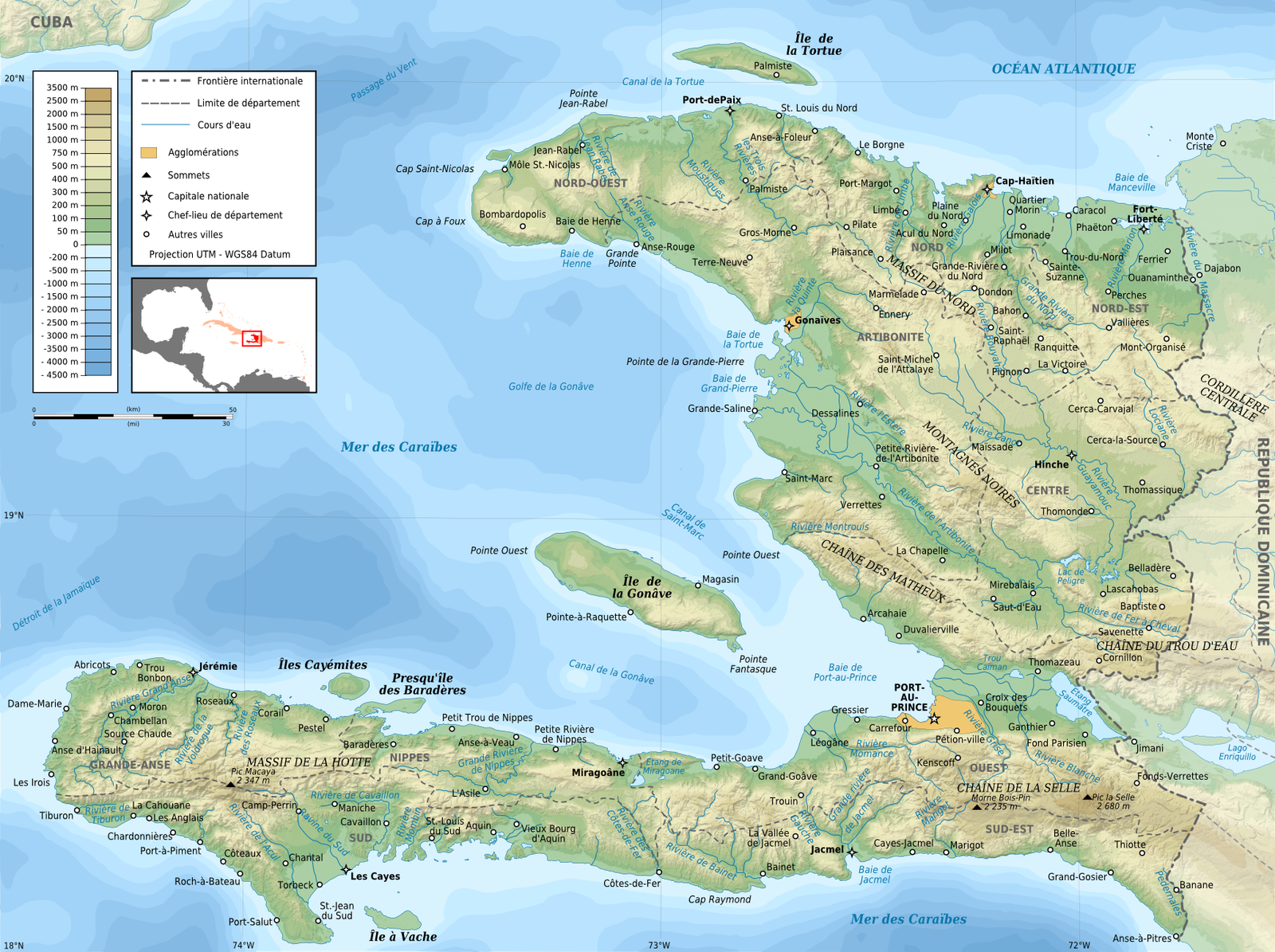
- The Gonaïves Ceremony: In Gonaïves, Dessalines officially proclaimed Haiti’s independence.
- A Universal Act of Freedom: Haïti became the first independent nation led by former slaves and the first free black republic.
- A Message to the World: Haiti’s independence inspired other liberation movements, becoming a symbol of the struggle for freedom.

The Legacy of Haiti’s Founding

Haiti’s founding is a unique historical event that continues to influence the world.

- A Symbol of Resilience: Haïti is proof that the quest for freedom and dignity can triumph even against colossal odds.
- A Complex Legacy: The young nation faced internal and external challenges, including debts imposed by France and hostility from colonial powers.
- A Global Inspiration: Haiti’s history is taught as an example of courage and determination in the face of oppression.

Haïti
Haïti
Haïti

A Model for Humanity

Haïti is not just a nation; it is an idea, a revolution that changed the course of history. By celebrating its founders, we honor the values ​​of liberty, equality, and justice that they fought for at the cost of their lives.

Today, the story of Haiti’s founding remains a powerful reminder that even in the darkest of times, humanity can rise up and fight for its dignity.

What do you know about the Haitian struggle for independence? Share your thoughts and let’s honor those who built this heroic nation.

Share
About the Author
Appolon Guy Alain
Appolon Guy Alain
Appolon Guy Alain

Full Stack Developer, Créatif, expérimenté, passionné des nouvelles technologies et de l’art.

See other articles from Appolon Guy Alain
Leave a comment

Recently Posted

Haiti: A look back at the First Rara Weekend in Petit-Goave

Haitian culture is a true treasure, woven from the creativity of its artists, its rich heritage and the diversity of its cultural expressions. Among these cultural gems, the rara stands as a true national emblem, uniting Haitians through its captivating rhythms and centuries-old traditions. During the first Rara weekend, this very essence of Haitian culture shone brightly, revealing palpable social cohesion. Despite the absence of law enforcement, tranquility reigned in Petit-Goâve, testifying to the ability of citizens to come together in peace and conviviality. However, media attention was mainly focused on the first plain, leaving a certain imbalance in the coverage of the festivities. Ratyèfè, three-time reigning champion, once again captivated minds with his talent and artistic mastery, offering an unparalleled spectacle. But his rival, Lambi gran dlo, was not to be outdone, displaying a determination to compete for first place. The event was also marked by unfortunate incidents, reminding us that despite the beauty of tradition, tensions can arise. Clashes between fans of different groups tarnished the festive atmosphere, highlighting the need for careful management of celebrations to avoid such excesses. At the heart of this musical competition, where each group aspires to recognition and victory, a complex picture of rivalries and alliances emerges. Chenn tamarin, although appearing asleep in the first moments, shows signs of waking up, ready to shake up the established order. On Sunday evening, Lambi gran dlo honored the memory of one of its loyal supporters, while Grap Kenèp was the scene of violence between fans, recalling the fragility of social cohesion when passion runs wild. In this whirlwind of emotion and competition, it is crucial to keep in mind that it is the journalist who must look to the events, and not the other way around. This is how we draw up the first ranking for this first weekend: 1. Ratyèfè 2. Lambi grand dlo 3. Chenn tamarind Beyond the results, it is the preservation of unity and mutual respect that must remain at the heart of these celebrations, making the rara not only a musical festival, but above all a symbol of the wealth and resilience of the people Haitian.

Newsletter

Subscribe to our newsletter to stay informed of all our activities and news on Haiti.

Launch of the Engagement Award: An Initiative to Honor and Encourage Young Leaders in Haiti

August 29, 2025, will mark two exceptional events: the eighth anniversary of Pierre Marc BAPTISTE’s commitment as a young leader and social and political activist, and the official launch of the Engagement Award. This unique initiative aims to honor and encourage young leaders, professionals, and academics for their dedication and active involvement in community life. The Engagement Award’s mission is to recognize youth leadership, promote civic engagement, and highlight inspiring role models capable of positively influencing an entire generation. Through this award, Pierre Marc BAPTISTE hopes to encourage young people to get involved in concrete actions aimed at solving community problems, reducing social inequalities, and strengthening civic participation. The first edition will be particularly symbolic. Eight young leaders from the Cité Soleil plain will be honored for the social and community impact of their initiatives. In a concrete gesture of solidarity and knowledge sharing, 200 books will also be donated to the Duvivier High School library in Cité Soleil, contributing to the education and training of future generations. With this award, Pierre Marc BAPTISTE reaffirms his belief that youth engagement is an essential lever for social and political change in Haiti. This is a unique opportunity to celebrate those who are taking action to transform their community, while inspiring other young people to follow the path of action and leadership. On August 29, 2025, Haitian youth will be honored, and a new tradition of recognition and inspiration will be established to promote civic engagement and responsibility throughout the country.

Haïti: The Pearl of the Antilles

Located in the Caribbean Sea, Haïti is often nicknamed "The Pearl of the Antilles". This laudatory title not only reflects the beauty of its idyllic beaches, but also the history, culture and natural wealth of this island nation. Throughout the centuries, Haïti has acquired this prestigious reputation for various reasons, which go beyond its picturesque landscapes. b~Natural Beauty:~b Haïti is blessed with an abundance of natural beauty. Its sandy beaches, crystal clear waters, majestic mountains and lush valleys make it a dream destination for travelers from all over the world. Generous nature has endowed Haïti with impressive ecological diversity, which has helped shape its image as the pearl of the Antilles. b~Cultural Wealth:~b Beyond its landscapes, it is the richness of Haïtian culture which contributes to its reputation as a pearl. Haïti has a fascinating history, blending influences from indigenous Taino people, European settlers and African slaves. This cultural fusion gave rise to a unique artistic and musical tradition, embodied in expressions such as voodoo, naive painting and compass music. b~Historical Heritage:~b Haïti has played a central role in the history of the struggle for freedom and equality. In 1804, it became the first independent republic in Latin America and the Caribbean, after a revolution led by freed slaves. This courageous act of independence established Haïti as a symbol of resistance and determination, adding a historic dimension to its status as the pearl of the Antilles. b~Natural Resources~b Haïti is abundant in valuable natural resources, which has contributed to its nickname as the Pearl. Mineral-rich mountains, fertile soils and abundant water reserves have made Haïti a land of opportunity. Haïti, the pearl of the Antilles, is much more than just a tourist destination. It is a country whose natural beauty, cultural richness, historical heritage and natural resources contribute to a unique identity. It remains a jewel in the crown of the Caribbean, reminding the world of the strength and resilience of the Haïtian people.

Haiti: Flora and Fauna

Haiti, located on the western part of the Caribbean island of Hispaniola, is often associated with its rich and complex history. However, beyond its cultural and historical aspects, Haïti is home to a remarkable diversity of fauna and flora that deserves to be explored and preserved. This article highlights the ecological wealth of Haiti, emphasizing its unique flora and fauna. Fauna: Haïti is home to a variety of animal species, some of which are endemic to the island. The country’s tropical rainforests are home to a great diversity of birds. The rugged mountains provide suitable habitat for rare species. The waters surrounding Haïti are also rich in biodiversity. Colorful corals, tropical fish and sea turtles find refuge in the coral reefs along the coast. Conservation efforts are crucial to protect these fragile marine ecosystems and preserve marine life. Flora: Haiti’s landscapes are adorned with a wide variety of plants and flowers. The tropical rainforests are home to majestic trees, the Hispaniola pine and the gum tree. These forests play an essential role in climate regulation and the preservation of biodiversity. The coastal plains are dotted with palm trees, including Haiti’s iconic royal palm. Botanical gardens, such as the Jardin Botanique des Cayes, are havens of greenery where you can admire a wide variety of tropical plants, some of which are endemic to the region. Haiti, with its unique flora and fauna, is an ecological gem that deserves to be preserved for future generations. Awareness, conservation and sustainable development are key elements to ensure the survival of this natural wealth. By investing in the protection of its environment, Haïti can not only preserve its ecological heritage, but also promote sustainable tourism and strengthen the resilience of its ecosystems in the face of current global challenges.

Recently Posted

History

History

First black nation to free itself from slavery and gain independence from France in 1804 and influenced other liberation movements around the world, inspiring struggles for freedom and equality.

Natural beauty

Natural beauty

Haïti is blessed with spectacular natural landscapes, including white sand beaches, mountains and rich biodiversity.

Heritage

Heritage

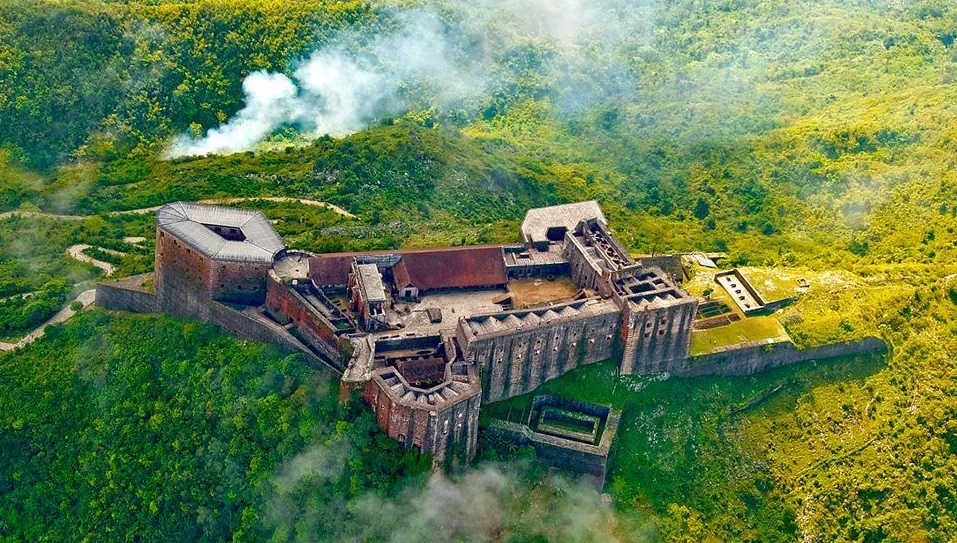
Haïti has a rich historical heritage, including sites like the Citadelle Laferrière and the Sans-Souci Palace, listed as UNESCO World Heritage Sites.

Culture

Culture

Haïti has a rich and diverse culture, influenced by African, European and indigenous elements. Haitian music, dance, art and cuisine are celebrated around the world.

  • +
    • Post