contact@haitiwonderland.com+509 36184317

Discover

Shopping Cart

Haiti: JACMEL, a city of hidden treasures for 326 Years
Haïti : Jacmel / Photos : Chrisfort Louis

Haiti: JACMEL, a city of hidden treasures for 326 Years

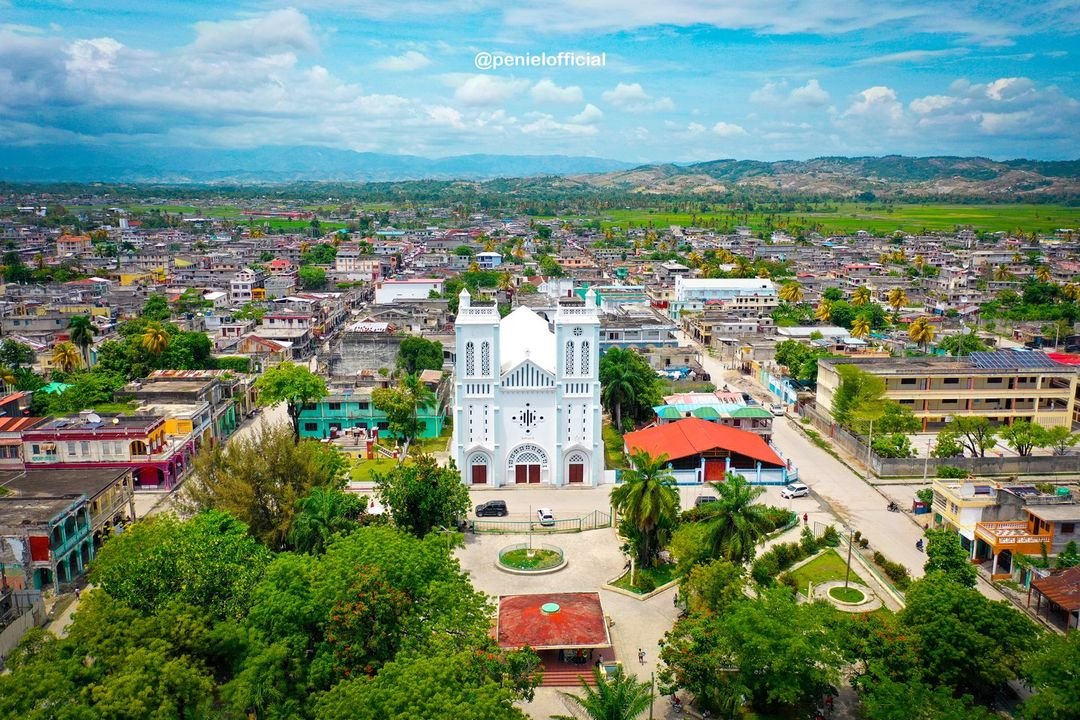
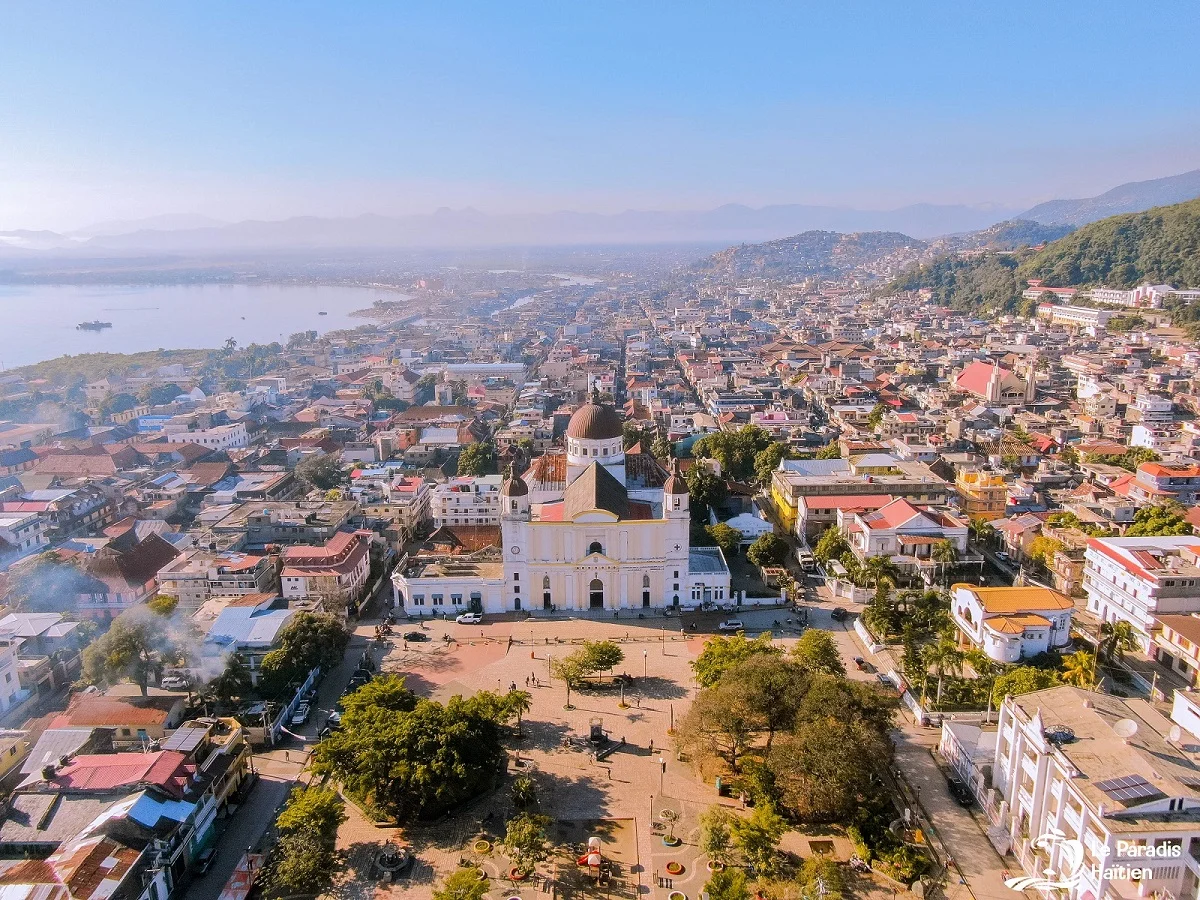
Jacmel, Haiti’s hidden gem, is celebrating its 326th anniversary this year. Located on the country’s southeastern coast, this picturesque city, known for its enchanting landscapes and rich cultural heritage, is an inexhaustible source of beauty and creativity.

Haïti : Jacmel
Haïti : Jacmel
Haïti : Jacmel

A Thriving Economic History

Founded in 1698 by French colonists, Jacmel quickly distinguished itself with its port, which became a hub for maritime trade. Agricultural products such as coffee and sugar transited through it, marking the beginning of an economic prosperity that would shape the city’s identity. The colonial houses with colorful facades and balconies adorned with wrought iron still tell the story of this flourishing era today.

Haïti : Jacmel
Haïti : Jacmel
Haïti : Jacmel

An Architectural Gem

Jacmel’s architecture is a captivating blend of French and Spanish colonial styles, reminiscent of New Orleans. Cobblestone streets, colonial houses, and historic buildings give the city a timeless charm. After the 1895 earthquake, Jacmel was rebuilt with a unique aesthetic that continues to fascinate visitors from around the world.

Haïti : Jacmel / Photos : Chrisfort Louis

Art and Culture: Soul of Jacmel

Jacmel is the beating heart of Haitian creativity. Its carnival, famous for its papier-mâché masks and colorful parades, is a vibrant spectacle that attracts thousands of people each year. The city is also a hotbed for artists, welcoming many painters, sculptors, and artisans who draw inspiration from Jacmel’s natural beauty and cultural energy.


Haïti : Jacmel
Haïti : Jacmel
Haïti : Jacmel

Jacmel Beaches

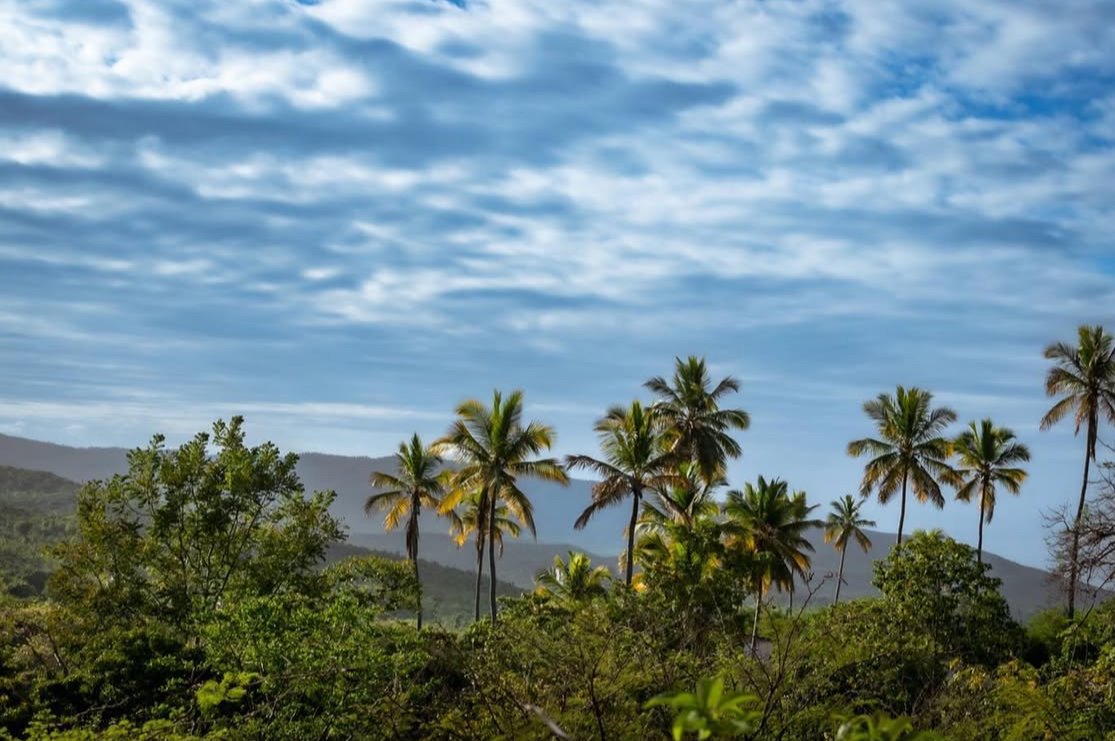
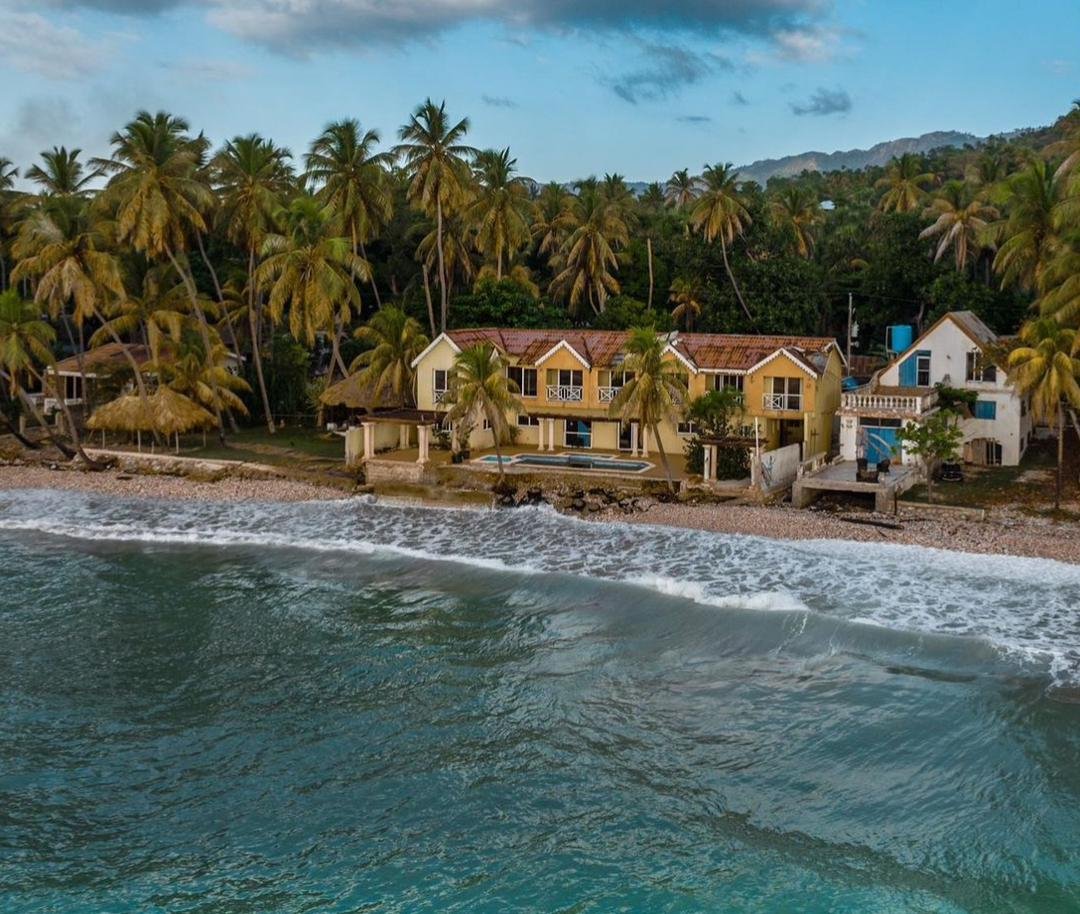
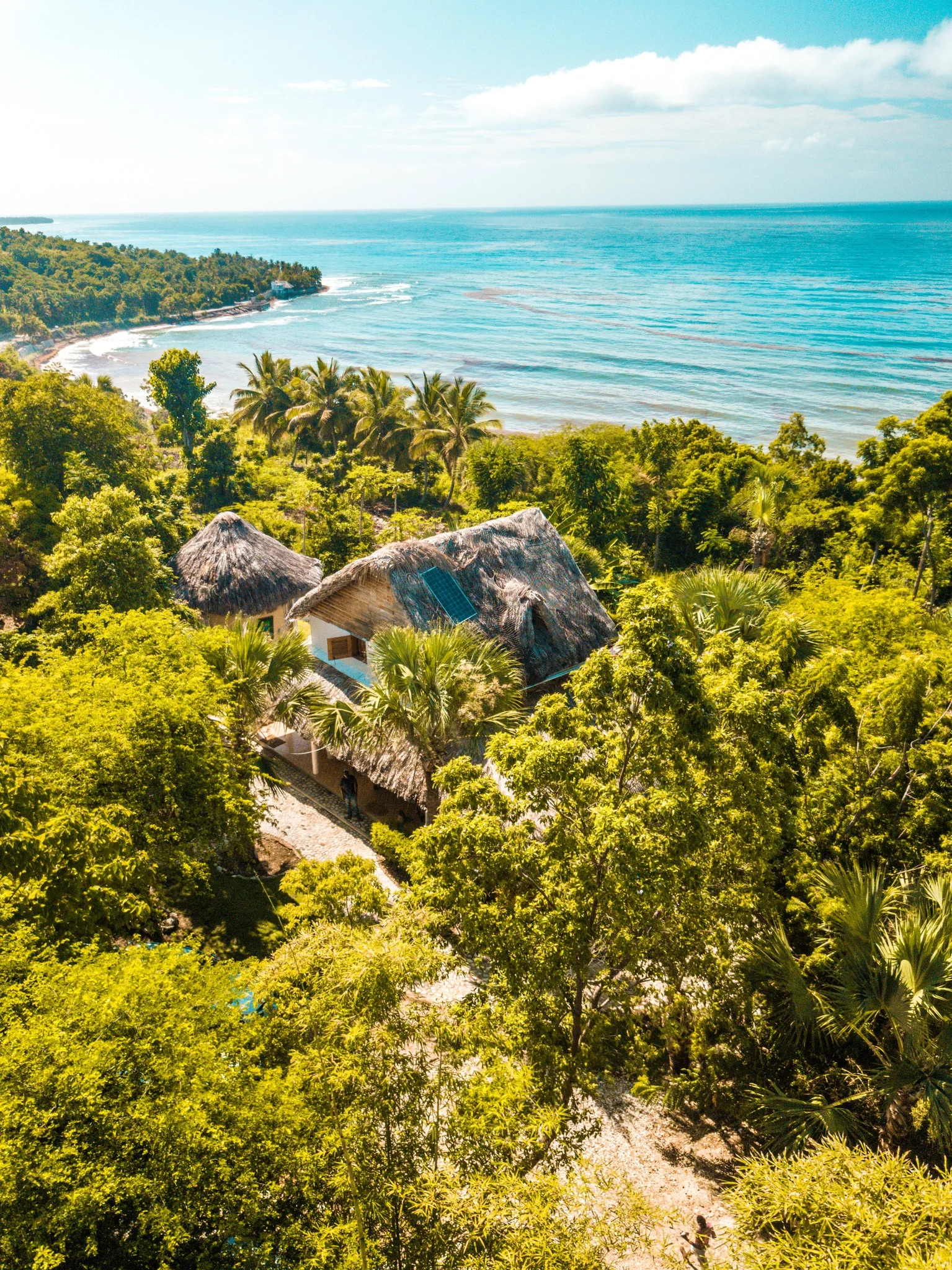
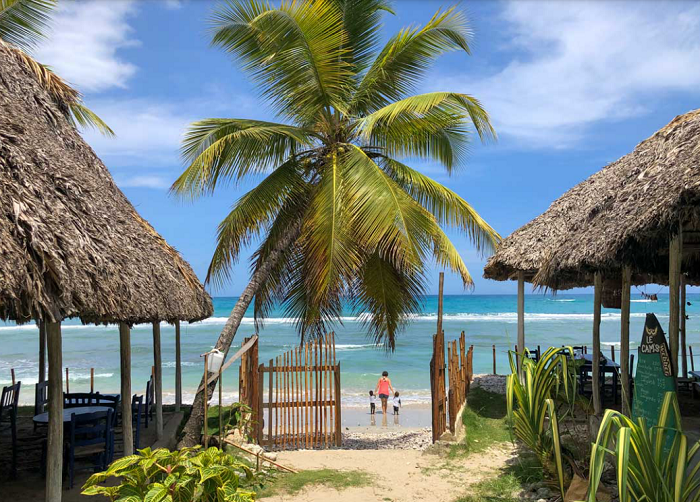
Jacmel’s beaches, with their fine sand and crystal-clear waters, offer an idyllic setting to relax and recharge. Beaches like Raymond Les Bains and Ti Mouillage are havens of peace where nature reveals all its splendor. These heavenly places are perfect for lovers of swimming, diving, and breathtaking landscapes.

Haïti : Jacmel / Photos : Le paradis Haïtien

Symbol of Resilience

Jacmel is also a symbol of resilience. In the face of economic challenges, natural disasters, and periods of instability, the people of Jacmel have always shown courage and determination. Today, the city is an example of rebirth, with initiatives aimed at promoting sustainable tourism, local crafts, and education, ensuring a promising future for generations to come.

Celebrating its 326th anniversary, Jacmel stands proudly as a testament to Haitian beauty and creativity. Its enchanting landscapes, architectural heritage, and rich culture make it a must-see destination for those seeking to discover the very essence of Haiti. Through this celebration, we honor not only Jacmel’s glorious past, but also the bright future that lies ahead for this extraordinary city.

Share
About the Author
Faïly Anderson Trazil

    Medical student, software developer, UX/UI designer, and web writer.
    Driven by a deep passion for writing and digital innovation.

    Email: failyandersontrazil@gmail.com

    See other articles from Faïly Anderson Trazil
    Leave a comment

    Recently Posted

    The Republic of the Stateless?

    Haïti is making headlines all over the world. And it’s not good news. The exploits of Haitians rarely generate so much interest, but we always tend to point out the excesses, spill ink to stir up thorns in the side, broadcast on loop to relay the chaos that is raging. There is hardly any media to make amends for the resilience of this cornered people. No one to highlight the fierce resistance that serves as fuel for this people hanging in the gorges of death. And what if it was to a certain extent the only way to talk about this country to finally attract attention? It is July 26, 2024. The Olympic Games have just started in France. The 33rd Olympiad of modern times. Without realizing it, according to Forbes Magazine, Haïti ranks among the ten nations with the best costume, proudly pointing to third place. At the same time, miles away from France, on “The Island of Skillfully Orchestrated Chaos,” Haitians do not even realize how much this recognition borders on irony. A paradox whose unpopular evocation is likely to greatly displease. An aerial image shows the city of Paris in all its splendor, illuminated like the gates of paradise, reflecting all the grandeur of France, all the magnificence it has acquired over the centuries, without forgetting the contribution of the blood shed by the horrible machine of colonization. I close my eyes, I go back in time, I see again this boy left to his own devices, lost without even knowing it, doomed to failure without even understanding it. And then there are the others. Boys in the same situation, or worse. Banished from society, they do not know what life has in store for them. They form the elegant class of the marginalized, in their quality of scoundrels, good-for-nothings, and thugs who spoil the splendor of society. This contrast challenges me, and I wonder for a moment if those who live the chaos from the outside grasp the stakes and the reality of the situation. Moreover, it seems to me that even the majority of Haitians living in the territory have no notion of the fundamental and essential aspects of the situation.

    Newsletter

    Subscribe to our newsletter to stay informed of all our activities and news on Haiti.

    Guédés: When Haïti celebrates its ancestors with color and fervor

    Every November 1st and 2nd, Haïti comes alive with the colors black and purple to celebrate the Guédés, spirits venerated in the voodoo religion, symbols of a powerful bond between the living and the dead. Fascinating, indomitable and provocative, the Guédés form a true family in the pantheon of Haitian voodoo, where they are respected for their role as spiritual guides of the deceased to the afterlife. Led by iconic figures such as the legendary Baron Samedi and his companion Grann Brigitte, the Guédés embody the paradoxes of life and death. Each Baron has a unique personality: Baron Cimetière, Baron Kriminel, and Baron La Croix are the guardians of the souls that wander on the borders of the world of the dead. Together, they form a powerful and somewhat frightening presence, but one that is deeply rooted in Haitian culture. The Guédés are not like other voodoo spirits; they demonstrate their fearlessness in a spectacular way. Accustomed to death, they are fearless and are provocative: they eat glass, raw peppers, and coat their sensitive parts with rum and pepper. These gestures mark their indifference to danger and remind us that they have already known earthly life. They are thus psychopomps – these beings who lead the souls of the dead – and act as bridges between the world of the living and that of the dead. Some Guédés, like Guédé Nibo, wear black, purple, and white clothing, each with unique characteristics. They are many and varied: Guédé Fouillé, Guédé Loraj, Papa Guédé, and many others. These are the spirits who, each year, remind Haitians of the importance of remembering and honoring the deceased. The cult of the Guédés is not only religious; it is also cultural and historical. According to tradition, their spiritual territory, or “Fètomè” – nicknamed the “Country without Hats” – is a place where the souls of ancestors reside. According to stories, the origins of this cult go back to the Abomey plateau, the ancient capital of the kingdom of Dahomey, in Africa, where death and life coexist in a form of symbiosis. This celebration in Haïti even finds echoes in ancient history. The Romans also honored their dead with the “Fête des Lémuria”, which took place in February, to ward off spirits and restore peace between the world of the living and that of the deceased. For Haitians, honoring the Guédés is about accepting death as a part of life and celebrating the invisible bonds that unite us with those who have left us. It is also a way of resisting, because life, despite its challenges, must be celebrated in all its complexity and depth.

    Recently Posted

    History

    History

    First black nation to free itself from slavery and gain independence from France in 1804 and influenced other liberation movements around the world, inspiring struggles for freedom and equality.

    Natural beauty

    Natural beauty

    Haïti is blessed with spectacular natural landscapes, including white sand beaches, mountains and rich biodiversity.

    Heritage

    Heritage

    Haïti has a rich historical heritage, including sites like the Citadelle Laferrière and the Sans-Souci Palace, listed as UNESCO World Heritage Sites.

    Culture

    Culture

    Haïti has a rich and diverse culture, influenced by African, European and indigenous elements. Haitian music, dance, art and cuisine are celebrated around the world.

    • +
      • Post