How long is Haiti?
The length of Haiti, measured from west to east, is approximately 650 kilometers. This figure illustrates the extent of this country that shares the island of Hispaniola with the Dominican Republic. In this article, we explore in detail the geographical dimensions of Haiti, as well as their influence on the diversity and organization of the country.
A unique and diverse geography
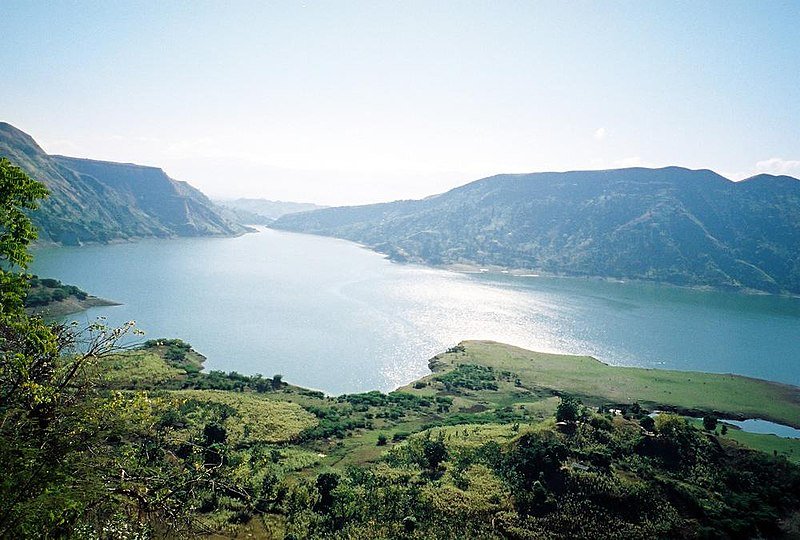
With a length of approximately 650 kilometers, Haïti is distinguished by a complex geography that mixes mountains, valleys and plains. Located in the Caribbean, this country has a varied topography, and its elongated shape contributes to its contrasting landscapes.
The main geographical axes include:
- The Selle range, which extends from the southeast to the west and is home to the Pic la Selle, the highest point in Haïti at 2,680 meters.
- Coastal plains, such as the Artibonite, which are essential for agriculture.
- The northwestern and southern peninsulas, which give the country its characteristic shape.
These geographical features influence both the climate and the distribution of economic and social activities.
A modest but significant width
While the length of the country is impressive, its average width is much more modest, varying between 190 and 230 kilometers. This configuration gives Haïti a narrow strip of territory bordered by the Atlantic Ocean to the north and the Caribbean Sea to the south.
The limited width of the territory has major implications:
- It favors rapid access to the coasts for most populations, contributing to the development of maritime activities.
- It creates proximity between regions, although the mountains sometimes make travel difficult.
The influence of dimensions on economic development
Haiti’s length plays an important role in the distribution of resources and infrastructure. Roads, such as Route Nationale 1 and Route Nationale 2, cross the country from one side to the other, connecting major cities such as:
- Port-au-Prince, the capital located in the center of the country.
- Cap-Haïtien, in the north, an important economic and cultural hub.
- Les Cayes, in the south, a key agricultural region.
However, transportation infrastructure remains a major challenge for Haïti due to the difficulty of crossing mountainous areas.
Haiti’s key figures
Here are some key geographic data to better understand the size and characteristics of the country:
- Total area: 27,750 km².
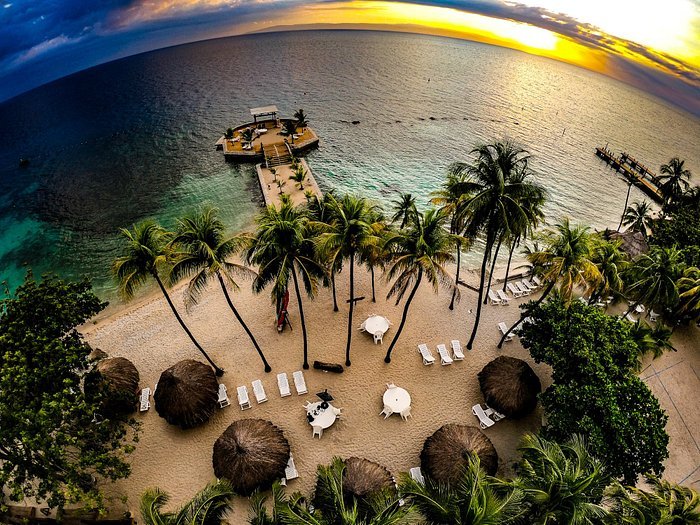
- Coastal length: Approximately 1,771 kilometers, offering an abundance of beaches and seascapes.
- Land border with the Dominican Republic: 376 kilometers.
These figures reflect not only the size of the territory, but also its tourism and economic potential.
A territory full of history and culture
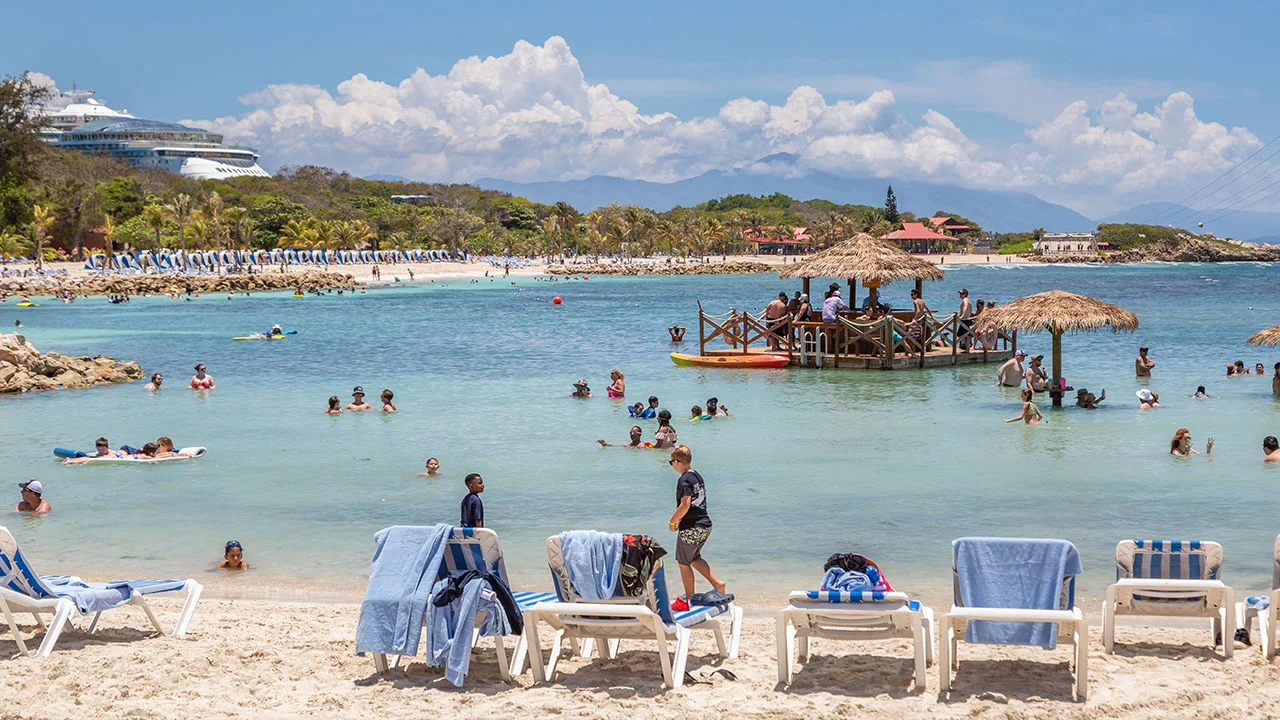
Haiti’s length also reflects the richness of its cultural and historical heritage. From east to west, the country is full of emblematic sites such as the Citadelle Laferrière, the Sans Souci Palace and the beaches of Labadie.
Each region contributes to Haiti’s cultural diversity, whether through music, cuisine or local traditions.
Challenges related to geographic dimensions
Although the length of the country offers it exceptional diversity, it also poses challenges. Long distances, combined with an often inadequate road network, complicate the transport of goods and people.
In addition, managing natural resources, such as the rivers that cross the country, requires coordinated efforts to prevent flooding and erosion.
Conclusion: A length full of promise
With its 650 kilometers in length, Haïti is a multifaceted country, where each region offers unique landscapes, cultures and opportunities. This geographical characteristic, far from being a simple fact, is a key to understanding the diversity and potential of Haiti.
Do you know other interesting facts about the geography of Haiti? Share them in the comments to enrich this discussion!