Haiti, a country steeped in history and culture, is a Caribbean nation whose geographical location is both strategic and fascinating. But where exactly is Haïti on the world map? Discover its unique position and what makes it such a special place.
Haïti is located in the Northern Hemisphere, on the American continent. Although it belongs to the Caribbean region, it is an integral part of North America geographically. It also shares close ties with the nations of Central America and the Antilles, particularly through its culture and history.
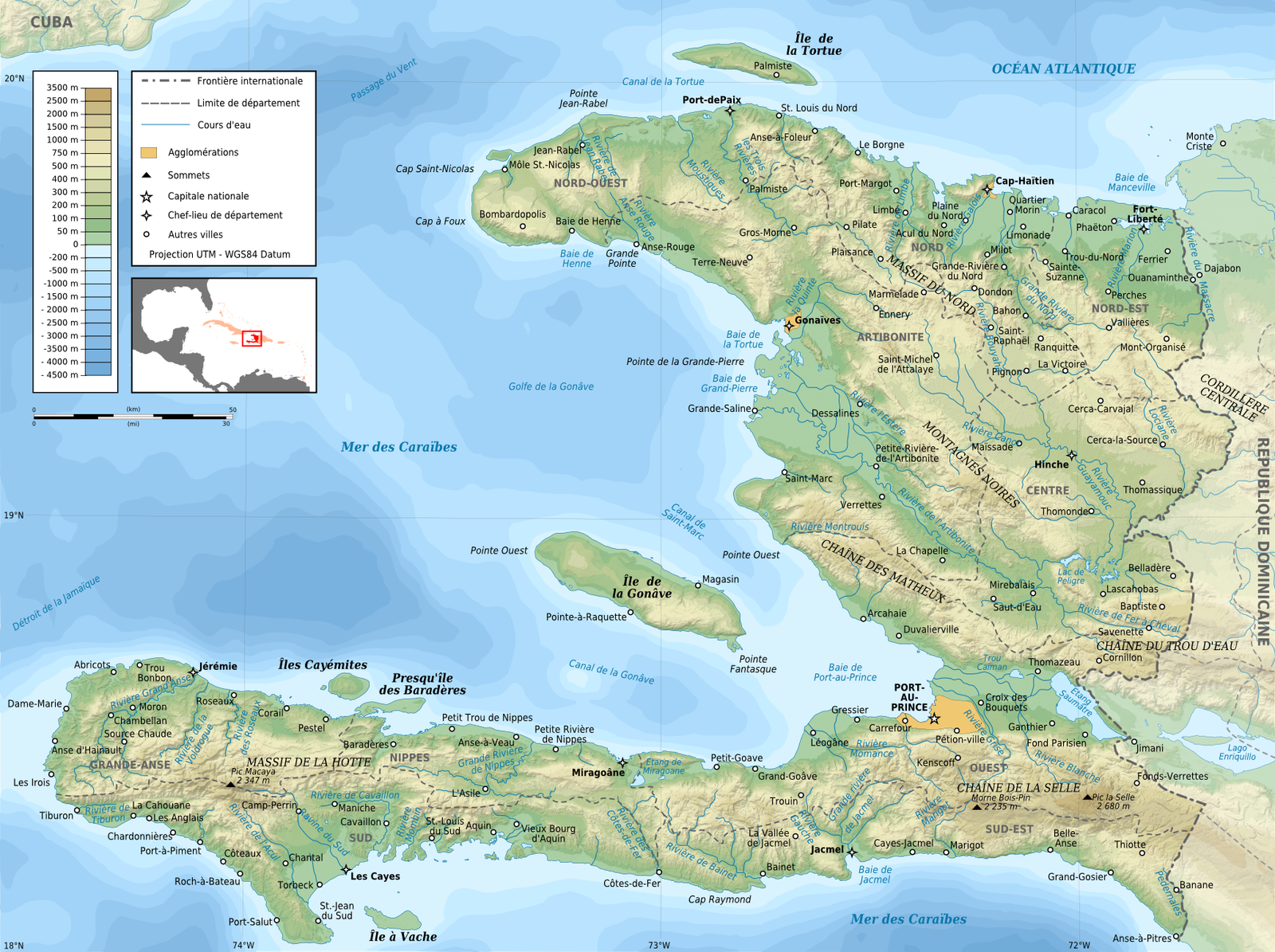
Haïti occupies the western part of the island of Hispaniola, which it shares with the Dominican Republic. This island, located in the Greater Antilles, is surrounded by the Atlantic Ocean to the north and the Caribbean Sea to the south. Haïti is separated from Cuba to the west by the Windward Channel, a major shipping lane.
To locate Haïti precisely on a map, its geographic coordinates are a useful reference:
- Latitude: between 18° and 20° North.
- Longitude: between 71° and 75° West.
Its position in the tropical zone explains its hot and humid climate as well as its lush vegetation.
Haïti covers an area of 27,750 km². It is divided into ten departments: West, North, South, Northeast, North-West, South-East, Artibonite, Center, Grand’Anse and Nippes. The capital, Port-au-Prince, is located in the West Department, on the Caribbean Sea.
Haiti, a historical and cultural crossroads
Haïti occupies a geographical position that has made it a key point in colonial and modern history. It was here that Christopher Columbus landed in 1492, marking the beginning of European contact with the Americas. In addition, Haïti is recognized as the first independent black republic in the world, after its historic revolution in 1804.
To identify Haïti on a world map, first look for the Caribbean, located between North America and South America. Then locate the Greater Antilles, which include Cuba, Jamaica, Puerto Rico, and Hispaniola. Haïti occupies the western part of the latter, next to the Dominican Republic.
Haiti, a small country in the heart of the Americas
Although small in size, Haïti occupies an immense place culturally, historically and geographically. Its location in the Caribbean makes it a meeting point between the Americas and the rest of the world, offering exceptional natural and human wealth.
By exploring a map, take the time to locate this fascinating country and be inspired by all it has to offer. Whether for its beaches, its mountains or its vibrant culture, Haïti is a true treasure to discover.
Share
About the Author
Appolon Guy Alain
Appolon Guy Alain
Full Stack Developer, Créatif, expérimenté, passionné des nouvelles technologies et de l’art.
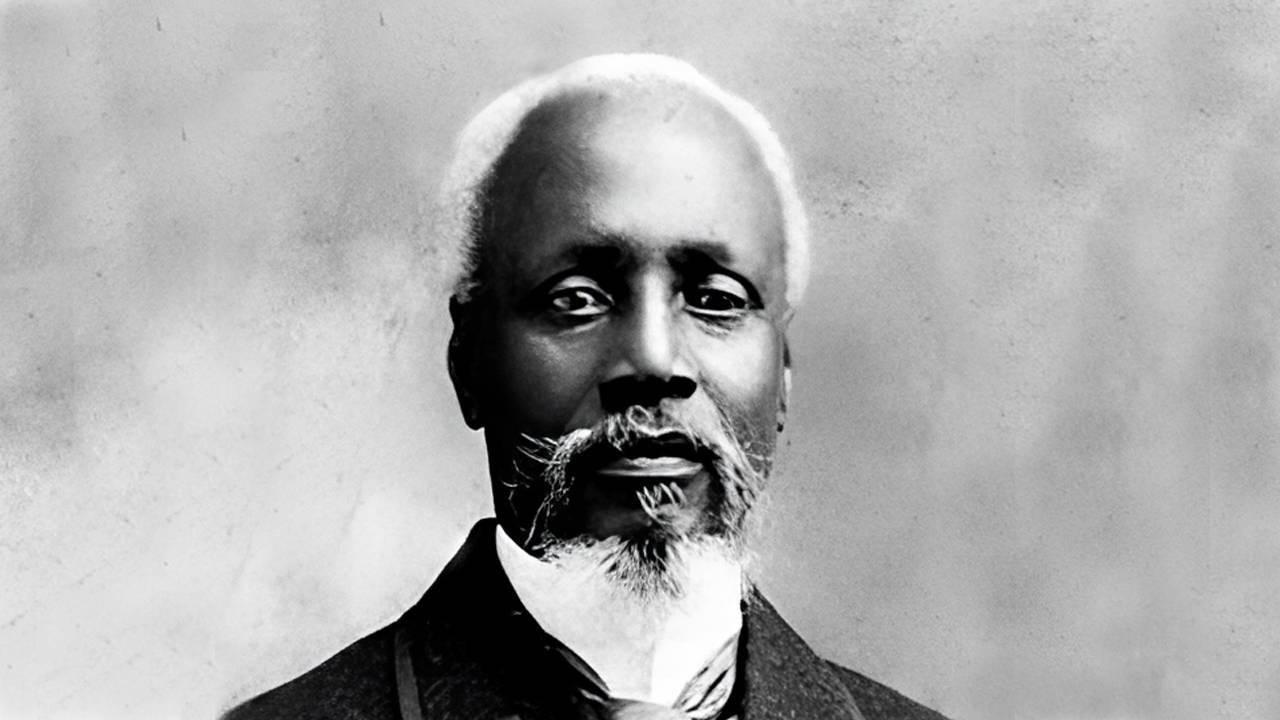
First black nation to free itself from slavery and gain independence from France in 1804 and influenced other liberation movements around the world, inspiring struggles for freedom and equality.
Natural beauty
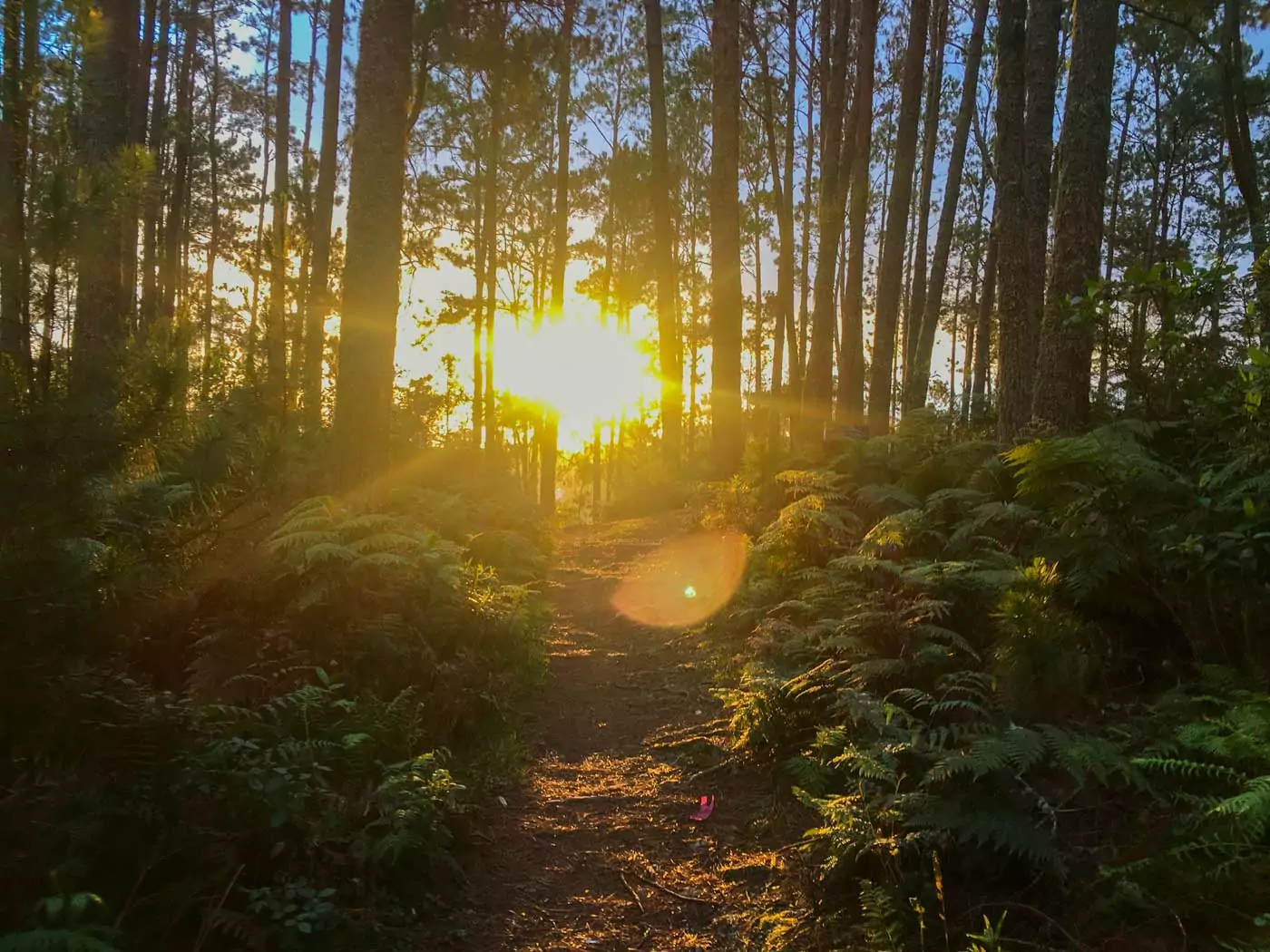
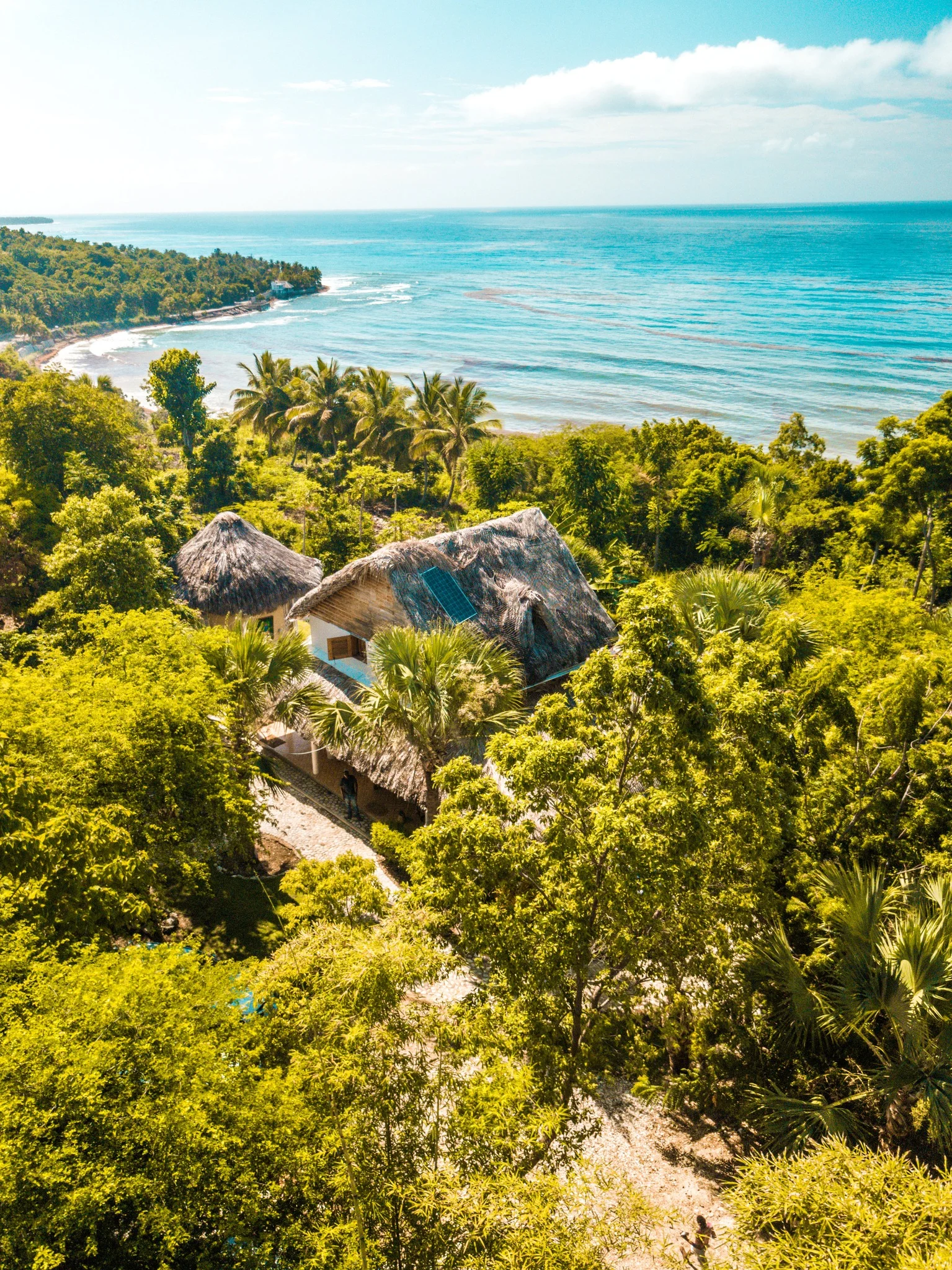
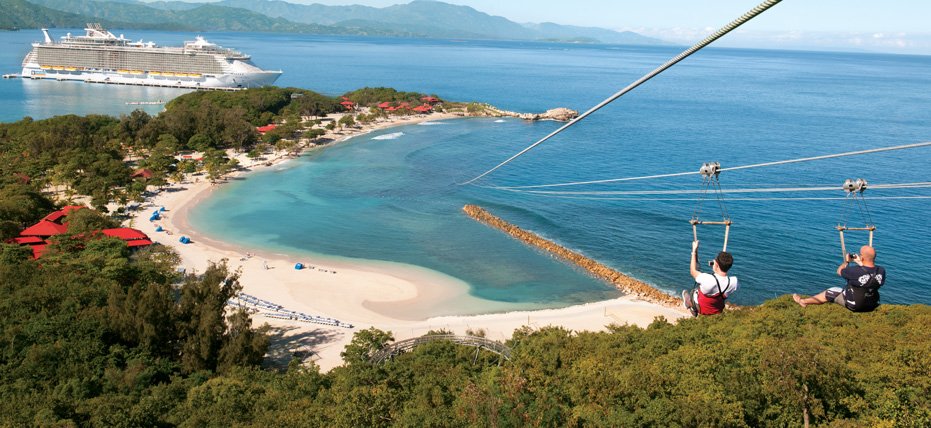
Haïti is blessed with spectacular natural landscapes, including white sand beaches, mountains and rich biodiversity.
Heritage
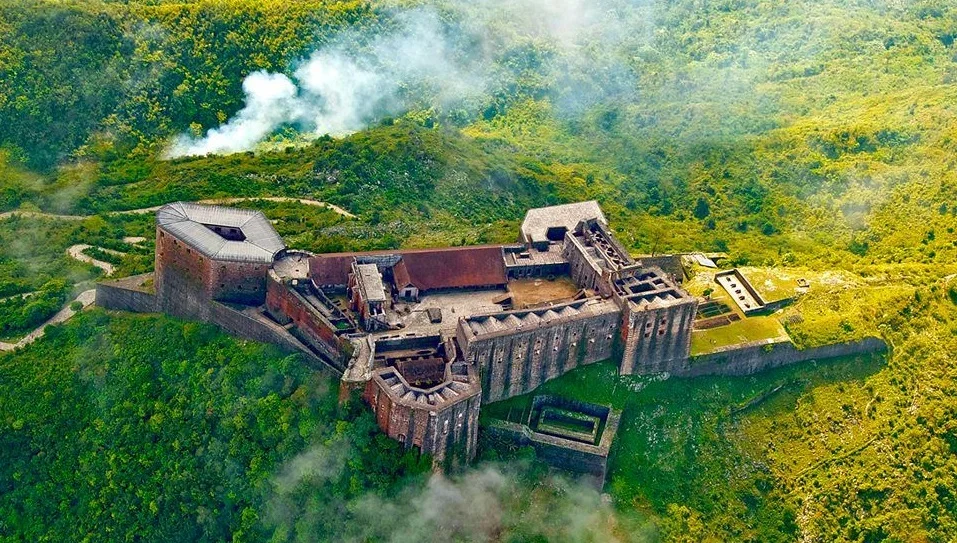
Haïti has a rich historical heritage, including sites like the Citadelle Laferrière and the Sans-Souci Palace, listed as UNESCO World Heritage Sites.
Culture
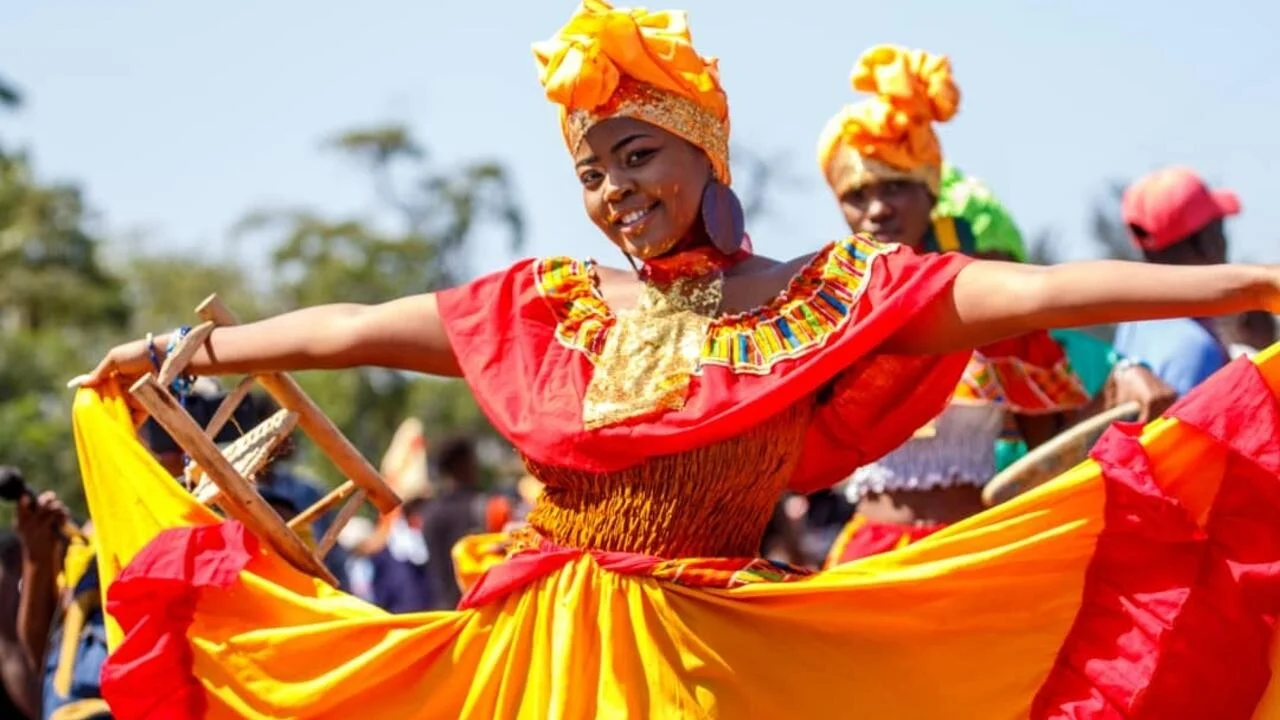
Haïti has a rich and diverse culture, influenced by African, European and indigenous elements. Haitian music, dance, art and cuisine are celebrated around the world.