contact@haitiwonderland.com+509 36184317

Discover

Shopping Cart

Haiti, a destination to discover: Breathtaking Nature, Rich History and Vibrant Culture

Haiti, a destination to discover: Breathtaking Nature, Rich History and Vibrant Culture

Haiti, often nicknamed "the pearl of the Antilles", is a fascinating destination for travelers in search of authenticity. This Caribbean island country offers a unique combination of natural beauty, an exceptional historical heritage, and a vibrant culture.

Haïti
Haïti
Haïti

Natural Beauty

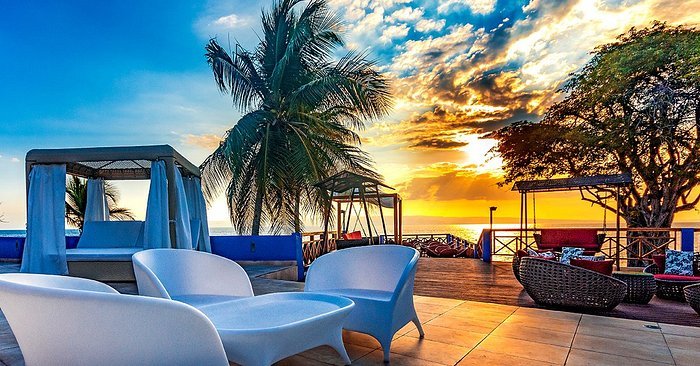
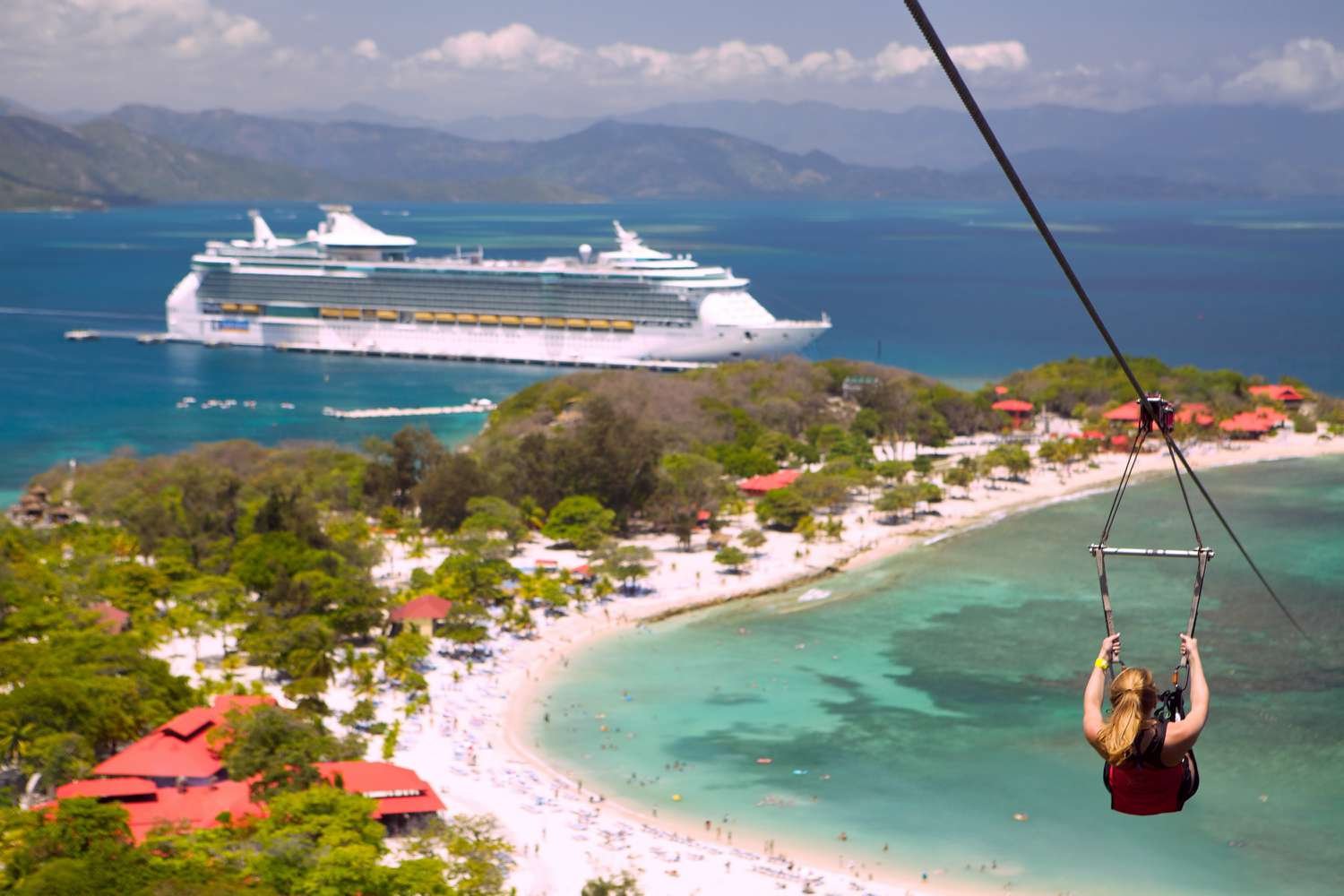
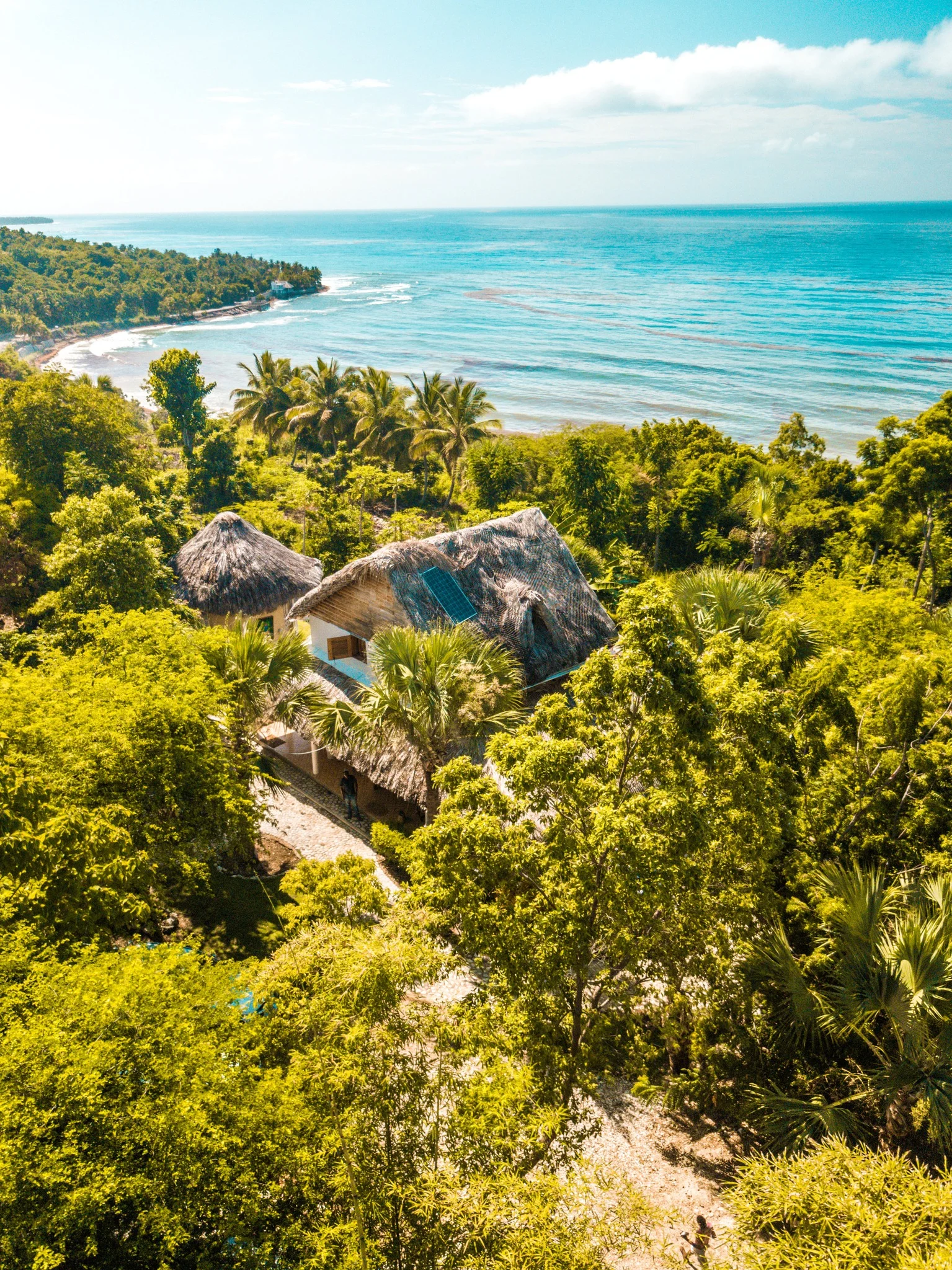
Haitian landscapes, although still little explored, have an exceptional diversity, ranging from heavenly beaches to majestic mountains. On the north coast, Labadie is an emblematic place where white sand beaches meet deep blue waters, offering an idyllic setting for sun and relaxation lovers. On the south coast, Jacmel also attracts for its natural charm and its famous pebbles that often inspire local artists.

In addition, Haiti’s mountains, such as the Massif de la Selle and Pic la Selle (the highest point in the country), are prime destinations for hiking enthusiasts. In the heights of these mountains, biodiversity abounds, particularly in nature reserves such as La Visite National Park. Studies of the region’s fauna and flora have revealed the presence of rare species, making it a true ecological sanctuary for scientists and nature enthusiasts. The Bassin Bleu campsites, located a few kilometers from Jacmel, are also among the country’s natural treasures. This enchanting place, made up of three crystal-clear pools, is surrounded by dense forests and impressive cliffs. It alone embodies the country’s sustainable tourism potential.

Haïti
Haïti
Haïti

Rich history

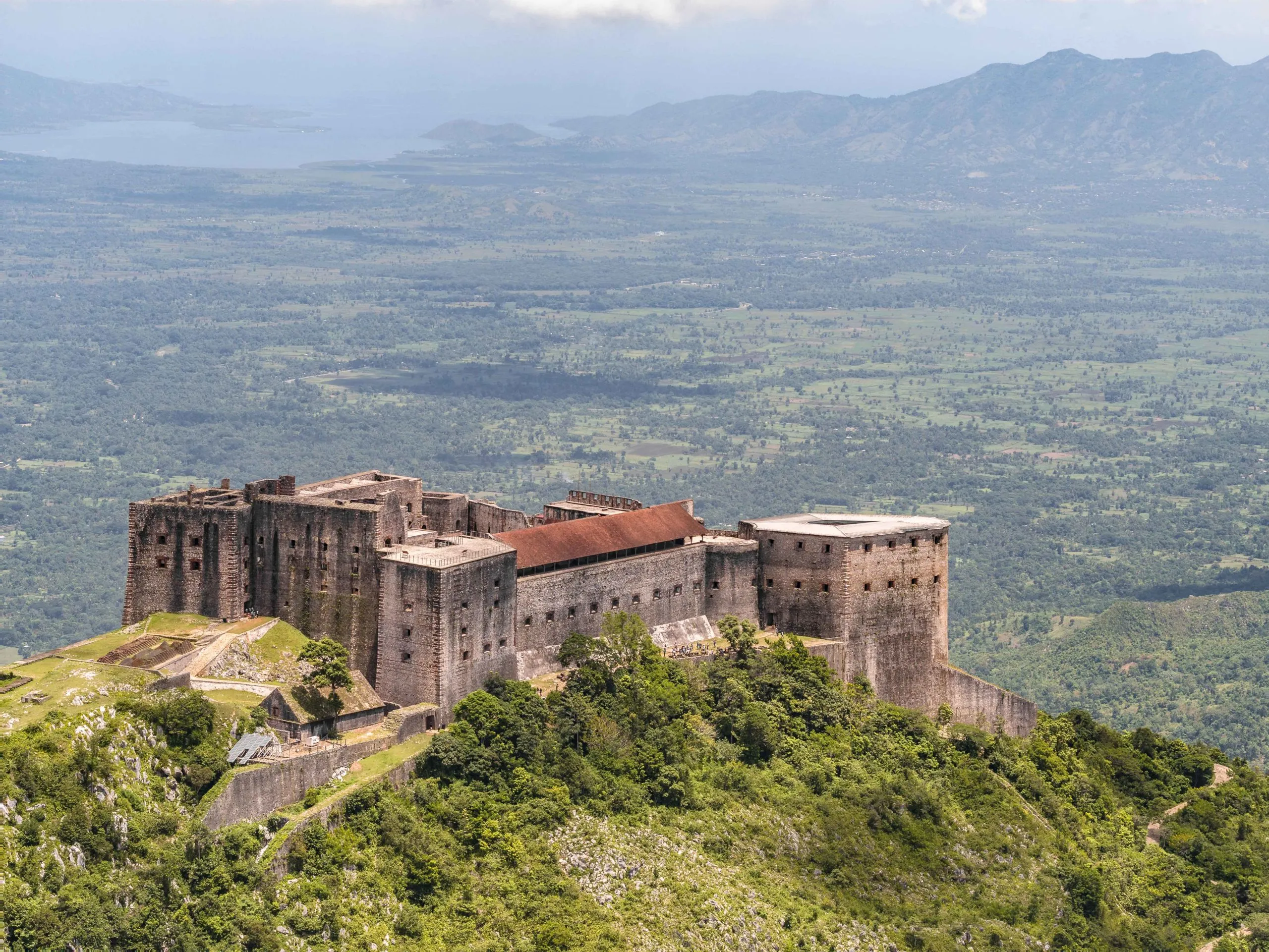
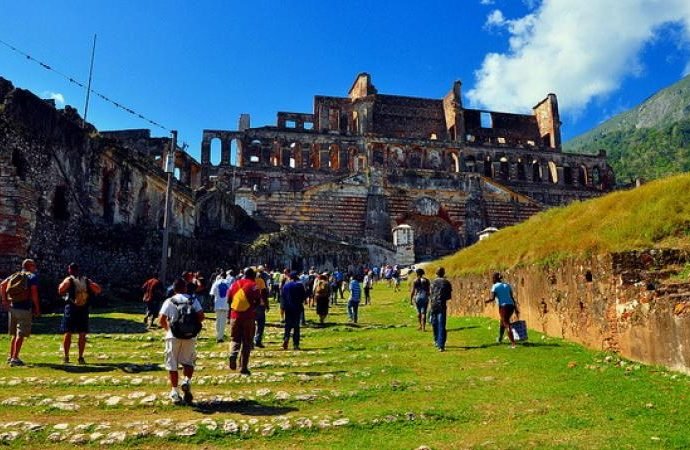
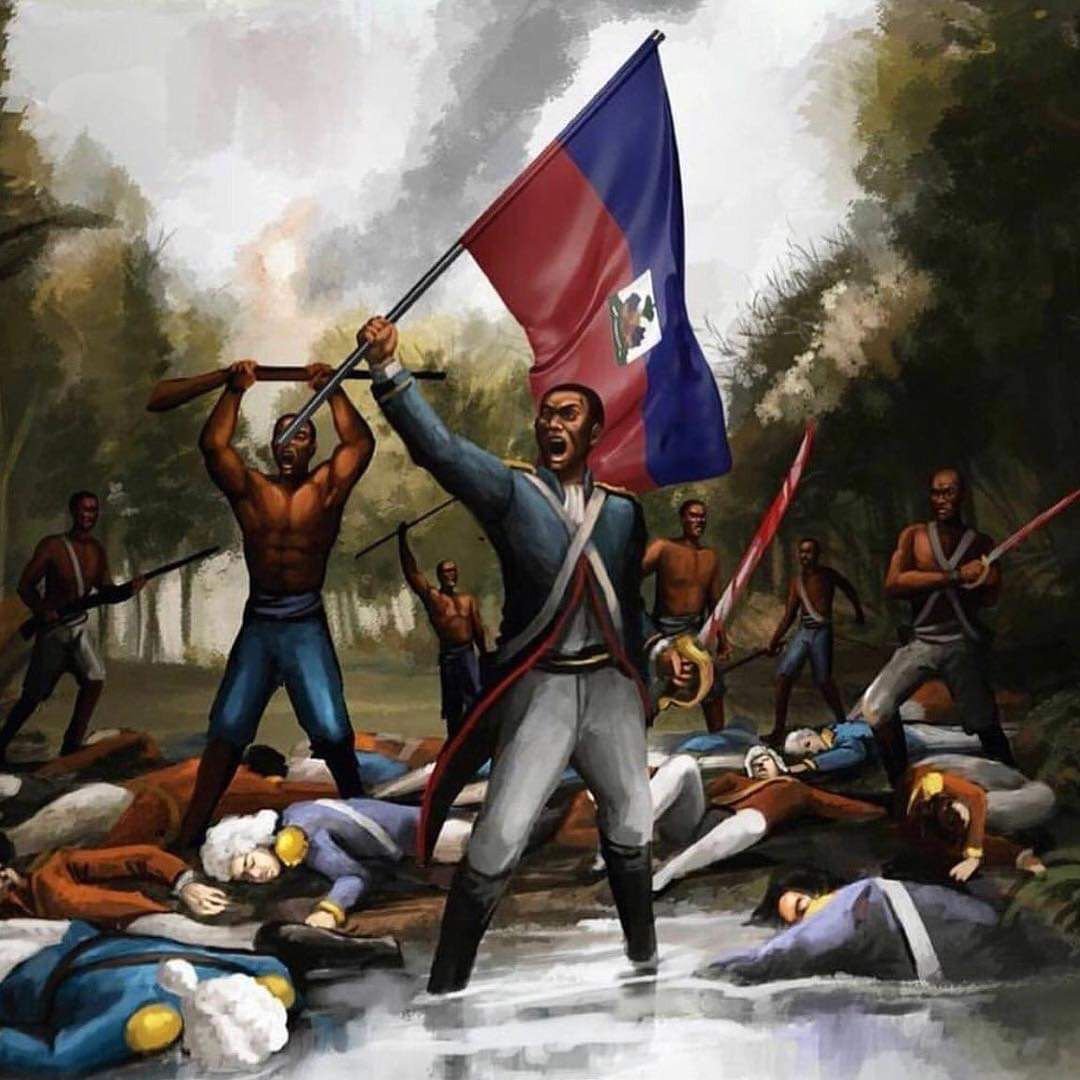
Haïti is known for being the world’s first independent black republic, a powerful and inspiring legacy that continues to resonate through the country’s monuments and history. This struggle for independence, crowned in 1804, is immortalized in historical sites such as the Citadelle Laferrière and the Sans-Souci Palace, two imposing structures listed as UNESCO World Heritage Sites. The Citadel, perched atop the northern mountains, is the largest fort in the Caribbean, built by King Henri Christophe to defend the young republic against any attempt at colonial reconquest.

The Muthéon National Haïtien (MUPANAH), located in Port-au-Prince, offers a valuable insight into the history of Haiti, from its indigenous roots to the Haitian Revolution and beyond. This museum is an ideal starting point for understanding the country’s deep history and its influence on the anti-colonial struggle in Latin America and the Caribbean.

Haïti
Haïti
Haïti

Vibrant Culture and Festivals

Haitian culture is manifested through its many festivals, dances, and artistic traditions. Carnival, known for its artistic masks and vibrant costumes, attracts local and international visitors. Jacmel, often considered the city of artists, becomes a festival of colors and creativity, where artisans display handmade masks, works of art that reflect both the Haitian spirit and the richness of African and Caribbean traditions.

Another ible moment, the rara, a traditional festival celebrated during Holy Week, is a mix of music, dance, and religious rituals. This festival symbolizes the fusion of the African and Christian roots of Haitian culture. Groups of musicians parade through the streets with locally made instruments, singing tunes that date back centuries of history and spirituality.

Haïti
Haïti
Haïti

Gastronomy: a journey through Caribbean flavors

Haitian cuisine is a pillar of the local culture, with dishes that skillfully combine African, Creole, and French influences. Griot, marinated and fried pork chunks, is a staple of Haitian gastronomy, often accompanied by pikliz, a spicy condiment made from marinated vegetables that gives each meal a unique taste.

Other iconic dishes include diri ak djon djon, a rice prepared with local black mushrooms that give it a dark color and inimitable taste, as well as lambi créole, a conch stew popular in coastal areas. For those with a sweet tooth, Haitian pâtés, savory pastries often filled with beef or chicken, and douce macoss, a coconut-based confection, are delicacies not to be missed.

Haïti
Haïti
Haïti

Haiti, a jewel to discover

Haiti, with its natural, historical, and cultural wealth, offers visitors much more than just a tourist destination. It is a land of authenticity, where each landscape, each dish, and each celebration tells a unique story. Those who venture beyond the clichés will discover a welcoming people, proud of their roots and culture. With its unspoiled natural sites, heroic history and vibrant festivals, Haïti is an invitation to explore a corner of the Caribbean that is still little-known, but ready to offer unforgettable experiences.

Haïti: The Pearl of the Antilles

Haïti: The Pearl of the Antilles

Located in the Caribbean Sea, Haïti is often nicknamed "The Pearl of the Antilles". This laudatory title not only reflects the beauty of its idyllic beaches, but also the history, culture and natural wealth of this island nation. Throughout the centuries, Haïti has acquired this prestigious reputation for various reasons, which go beyond its picturesque landscapes. b~Natural Beauty:~b Haïti is blessed with an abundance of natural beauty. Its sandy beaches, crystal clear waters, majestic mountains and lush valleys make it a dream destination for travelers from all over the world. Generous nature has endowed Haïti with impressive ecological diversity, which has helped shape its image as the pearl of the Antilles. b~Cultural Wealth:~b Beyond its landscapes, it is the richness of Haïtian culture which contributes to its reputation as a pearl. Haïti has a fascinating history, blending influences from indigenous Taino people, European settlers and African slaves. This cultural fusion gave rise to a unique artistic and musical tradition, embodied in expressions such as voodoo, naive painting and compass music. b~Historical Heritage:~b Haïti has played a central role in the history of the struggle for freedom and equality. In 1804, it became the first independent republic in Latin America and the Caribbean, after a revolution led by freed slaves. This courageous act of independence established Haïti as a symbol of resistance and determination, adding a historic dimension to its status as the pearl of the Antilles. b~Natural Resources~b Haïti is abundant in valuable natural resources, which has contributed to its nickname as the Pearl. Mineral-rich mountains, fertile soils and abundant water reserves have made Haïti a land of opportunity. Haïti, the pearl of the Antilles, is much more than just a tourist destination. It is a country whose natural beauty, cultural richness, historical heritage and natural resources contribute to a unique identity. It remains a jewel in the crown of the Caribbean, reminding the world of the strength and resilience of the Haïtian people.

Share
About the Author
Appolon Guy Alain
Appolon Guy Alain
Appolon Guy Alain

Full Stack Developer, Créatif, expérimenté, passionné des nouvelles technologies et de l’art.

See other articles from Appolon Guy Alain
Leave a comment

Recently Posted

Newsletter

Subscribe to our newsletter to stay informed of all our activities and news on Haiti.

Haiti: The History of the World’s First Free Black Nation

Haiti, the pearl of the Antilles, is a Caribbean island with a rich and complex history. However, its special status as the world’s first free black nation gives it a unique place in the annals of history. This small island was the scene of an extraordinary revolution which resulted in independence, thus marking the beginning of a new era for the black community and the abolition of slavery. Let’s delve into the captivating story of the birth of the first black republic, Haiti. b~The colonial era and slavery~b Haiti’s history dates back to the arrival of Europeans in the 15th century, when Christopher Columbus discovered the island. European settlers, mainly Spanish and French, introduced slavery to exploit the island’s resources, including sugar, coffee and cotton. The indigenous Native American population was decimated, paving the way for the massive importation of African slaves. b~The Haitian Revolution~b On August 14, 1791, Haitian slaves rose up against their oppressors, sparking the Haitian Revolution. Under the leadership of iconic figures such as Toussaint Louverture, Jean-Jacques Dessalines and Henri Christophe, the insurgent slaves inflicted defeats on European armies, demonstrating fierce resistance and a desperate quest for freedom. b~The Declaration of Independence and the creation of the Republic of Haiti~b On January 1, 1804, Haïti proclaimed its independence, becoming the world’s first free black nation. This historic declaration symbolized the end of slavery and the triumph of the will of a people determined to live free. The Republic of Haïti was born in struggle and blood, asserting its autonomy in the face of the colonial powers. b~Post-independence challenges~b However, independence did not mean the end of challenges for Haiti. The country had to face external pressure, reparations imposed by France in exchange for recognition of its independence, as well as internal unrest. Despite these obstacles, Haïti strove to build a free and sovereign nation. The story of Haïti is that of a nation that overcame countless challenges to emerge as a pioneer of freedom for the black population. The Haitian Revolution remains a unique example of resistance, courage and determination, and Haïti continues to carry the torch of independence in the contemporary world. The legacy of this small Caribbean island still resonates today, reminding the world that freedom is a universal right that can be won even in the most difficult circumstances.

Plan your trip to Haïti

Haïti, the pearl of the Caribbean nestled west of the island of Hispaniola, offers a captivating combination of natural beauty and rich history. For an unforgettable trip, follow these wise tips to plan your stay. b~Prior Research~b Before you begin your trip, immerse yourself in Haïti’s rich culture, fascinating history, delicious cuisine and top attractions. This prior immersion will allow you to make the most of your stay and connect more easily with locals. b~Ideal time to travel~b Haïti’s mild climate throughout the year makes it an attractive tourist destination at any time. Your choice of period will depend on your preferences. If you’re passionate about cultural festivities, don’t miss the Haïtian Carnival in February, a vibrant celebration leading up to Lent. For lovers of paradise beaches like Labadee, La Côte des Arcadins, and others, summer offers a perfect mix of sun and fun times in crystal clear waters. If spirituality appeals to you, August 15 marks the Feast of the Assumption, a religious celebration marking the Virgin Mary’s ascension into heaven. And also November 1st and 2nd are dedicated to the Day of the Dead. Families go to the cemetery to honor and decorate the graves of their deceased loved ones, creating an atmosphere steeped in memory and tradition. History buffs may choose to visit on national holidays such as National Independence Day on January 1, Flag Day on May 18, and other significant events. b~Choice of Accommodation~b Haïti offers a range of accommodation options, from luxury hotels to family-friendly B&Bs. Adapt your choice according to your budget and preferences, favoring local accommodation for a more authentic experience. b~Unmissable Tourist Sites~b Among the gems to explore, discover the majestic Citadelle Laferrière, listed as a UNESCO world heritage site, the Sans Souci Palace, the La Visite National Park, the Milot Cathedral, Fort Jacques, the Heroes of Vertières, the Bassin Bleu , the Saut-Mathurine Waterfall, the Marie-Jeanne Cave, Kenscoff and Furcy, as well as the Saut d’Eau Waterfall. Also explore the artistic wealth of Haïti through its artisan markets. b~Taste Local Cuisine~b Haïtian cuisine is a symphony of exotic flavors. Be sure to sample local dishes such as griot and pea-sticky rice at local markets for an authentic culinary experience. b~Local Culture~b Haïtian culture, influenced by a rich history, is diverse and vibrant. Respect local customs, be open-minded and willing to learn. The warmth and hospitality of the Haïtians add a unique dimension to your experience. b~Means of Transport~b Opt for modern means of land transport such as Capital Coach Line, Transport Chic, Sans-Souci Tours, Le Transporteur, Grand Nord. For aerial explorers, easily book your flight with Sunrise Airways. Car rental is also an option for those looking for a more private experience. b~Language and Communication~b Although Haïtian Creole is the main language, French is also widely used. Learn a few basic phrases in Creole to facilitate exchanges and enrich your experience. By meticulously planning your trip to Haïti, you open yourself up to discovering the natural beauty, cultural richness, and warm hospitality of this Caribbean gem. Get ready to experience a unique and memorable adventure in Haïti.

Recently Posted

History

History

First black nation to free itself from slavery and gain independence from France in 1804 and influenced other liberation movements around the world, inspiring struggles for freedom and equality.

Natural beauty

Natural beauty

Haïti is blessed with spectacular natural landscapes, including white sand beaches, mountains and rich biodiversity.

Heritage

Heritage

Haïti has a rich historical heritage, including sites like the Citadelle Laferrière and the Sans-Souci Palace, listed as UNESCO World Heritage Sites.

Culture

Culture

Haïti has a rich and diverse culture, influenced by African, European and indigenous elements. Haitian music, dance, art and cuisine are celebrated around the world.

  • +
    • Post