contact@haitiwonderland.com+509 36184317

Discover

Shopping Cart

Why Haïti is a great place to live

Why Haïti is a great place to live

Haiti, located in the heart of the Caribbean, is a dream destination that deserves your full attention. With its tropical climate, sunny beaches and breathtaking landscapes, the country offers an idyllic living environment for those seeking warmth, authenticity and tranquility. Here are some reasons why Haïti is a great place to live, and why this hidden gem should definitely be on your travel bucket list.

Haïti
Haïti
Haïti

A pleasant tropical climate all year round

Haïti enjoys a tropical climate that offers pleasant weather all year round. With an average annual temperature of around 27°C, it is neither too hot nor too cold. The sea breeze that regularly blows on the coasts contributes to making the atmosphere even more pleasant, especially in coastal cities such as Jacmel, Port-Salut or Cap-Haïtien.

In Haiti, the seasons are mild and the climate is marked by two main periods: a dry season and a wet season. However, even in wet periods, the rains are generally short and often follow sunny days, allowing you to fully enjoy outdoor activities. This stable and warm climate makes it a dream destination for sun lovers.

Haïti
Haïti
Haïti

Paradise beaches accessible all year round

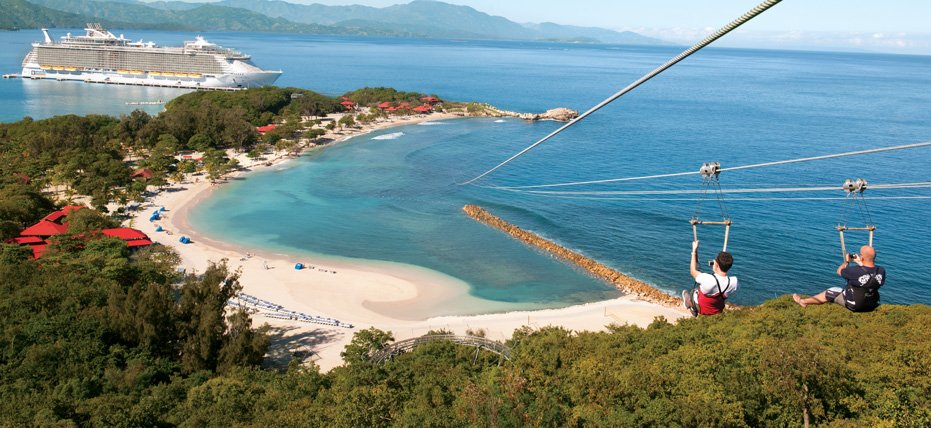
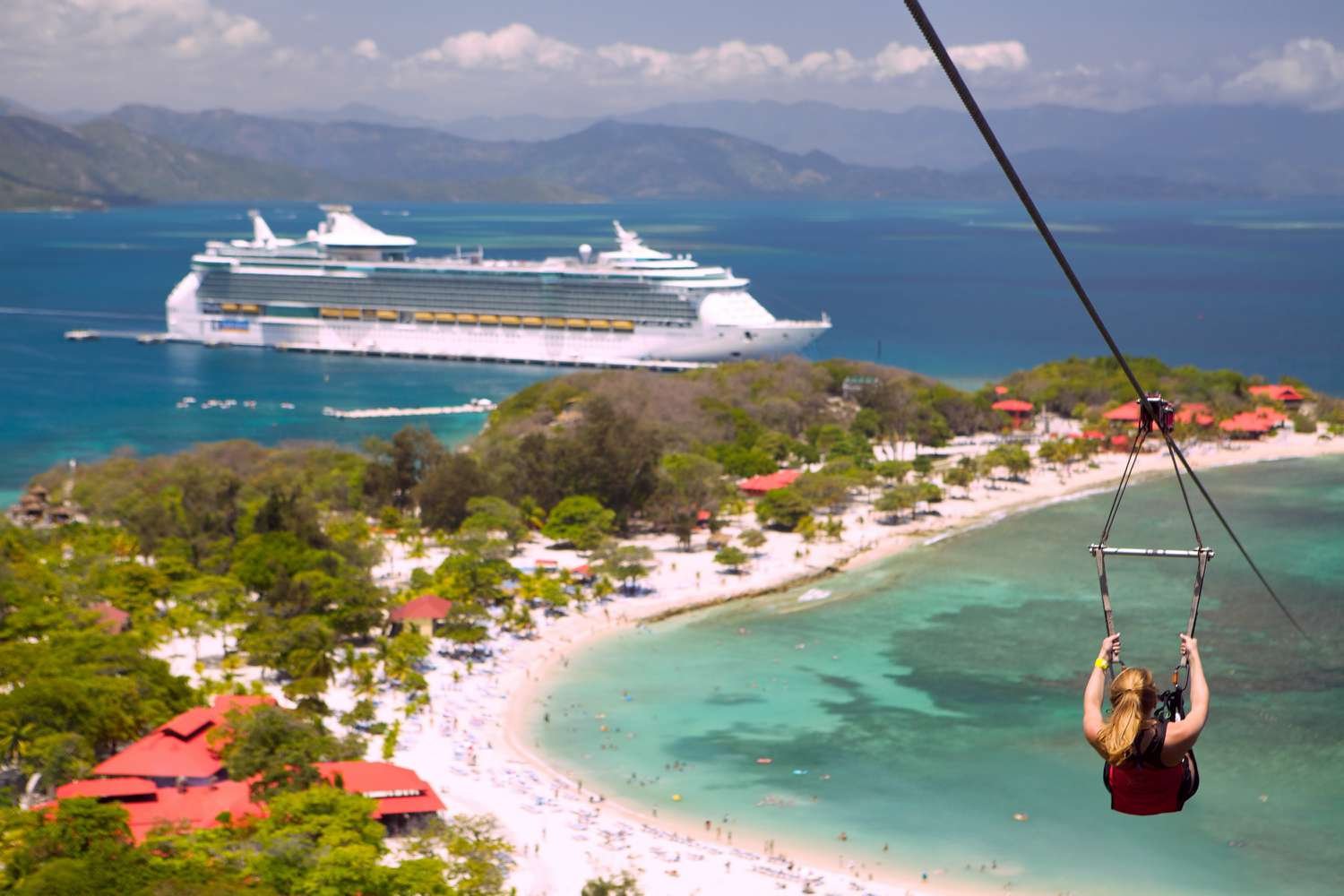
If you are a fan of fine sand beaches and turquoise waters, Haïti is the ideal place for you. Unlike other tourist destinations where beaches are only accessible at certain times, Haitian beaches are welcoming all year round. Gems like Labadee, a beautifully preserved private beach, or Île-à-Rat, renowned for its laid-back atmosphere, offer you moments of relaxation by the sea, far from the crowds.

For lovers of scuba diving, snorkeling or water sports, Haïti is also home to magnificent coral reefs and secret coves where nature is still wild and preserved. Enjoy a swim in warm, crystal-clear water, whatever the season!

Haïti
Haïti
Haïti

Untouched nature and exceptional biodiversity

Beyond its beaches, Haïti is full of natural treasures that will delight nature lovers. With its green mountains, refreshing waterfalls and national parks, the island is a true paradise for hikers and adventurers.

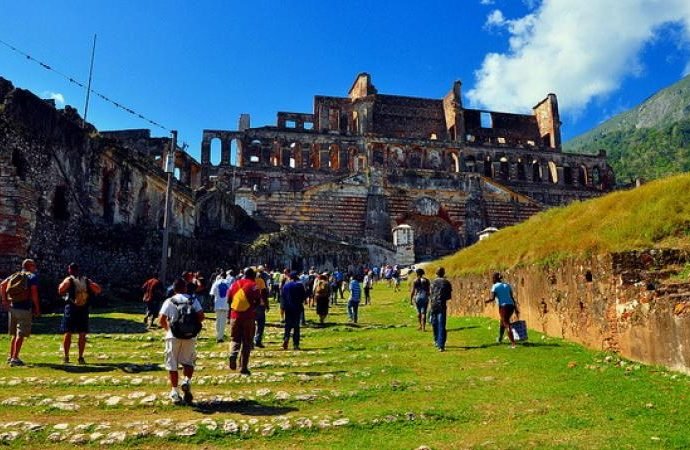
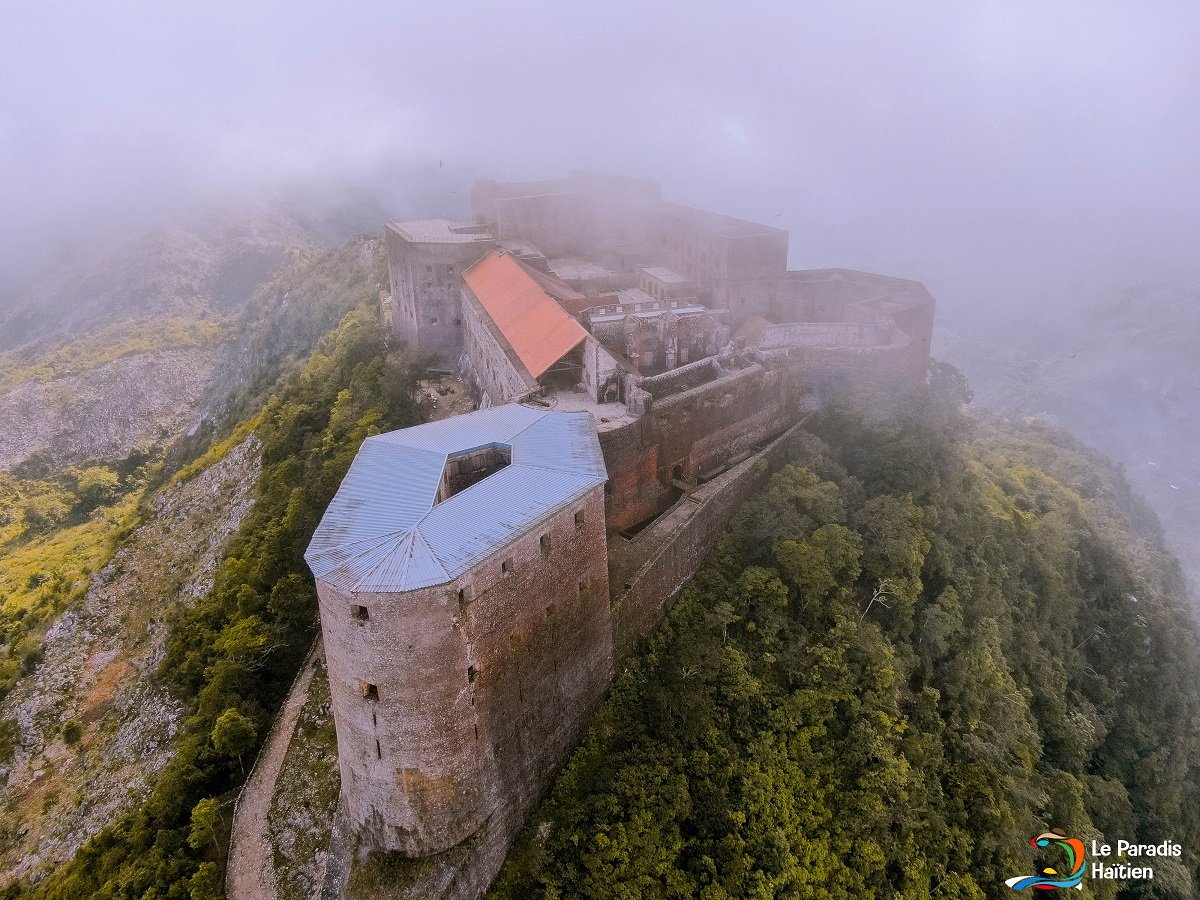
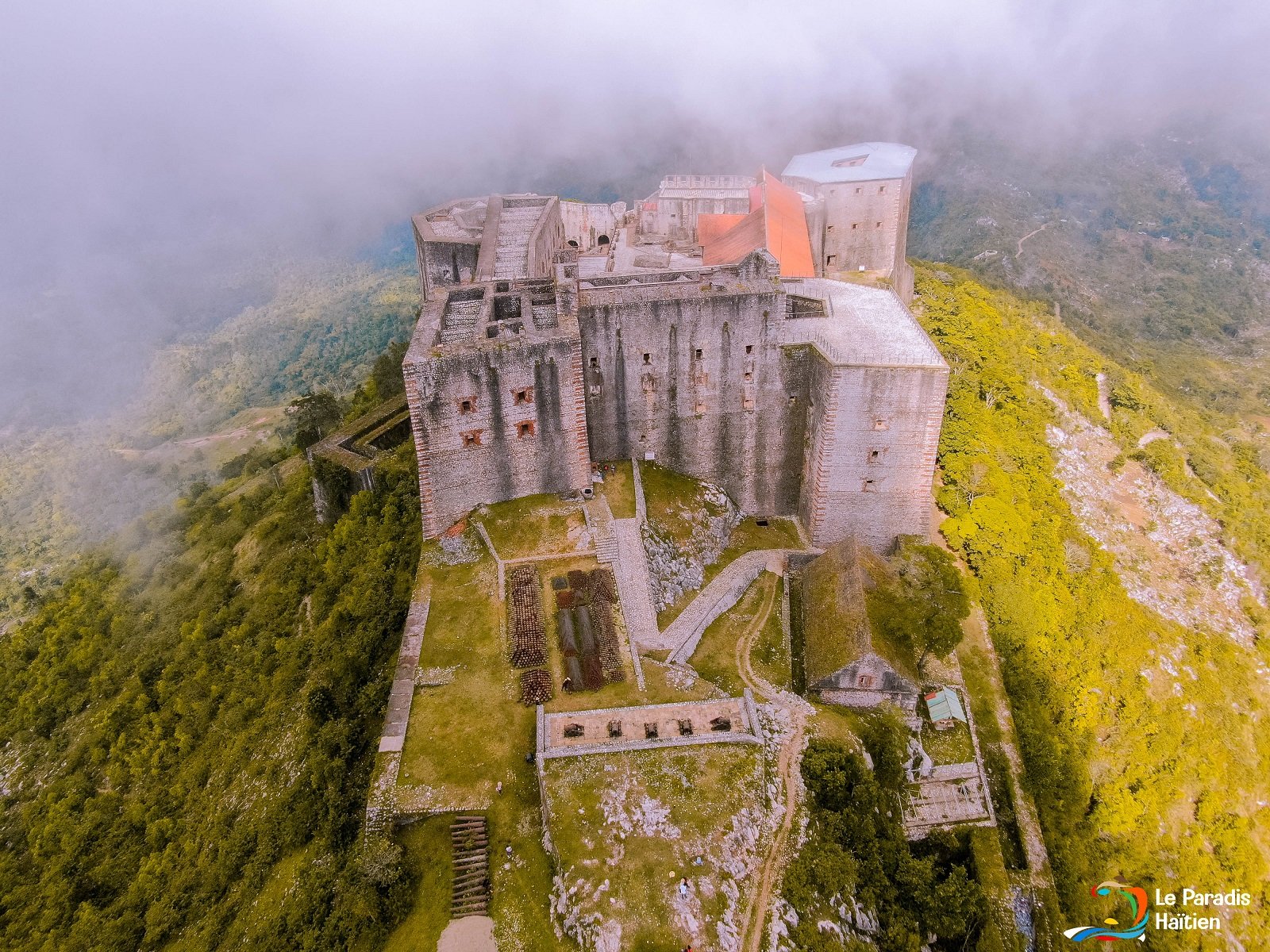
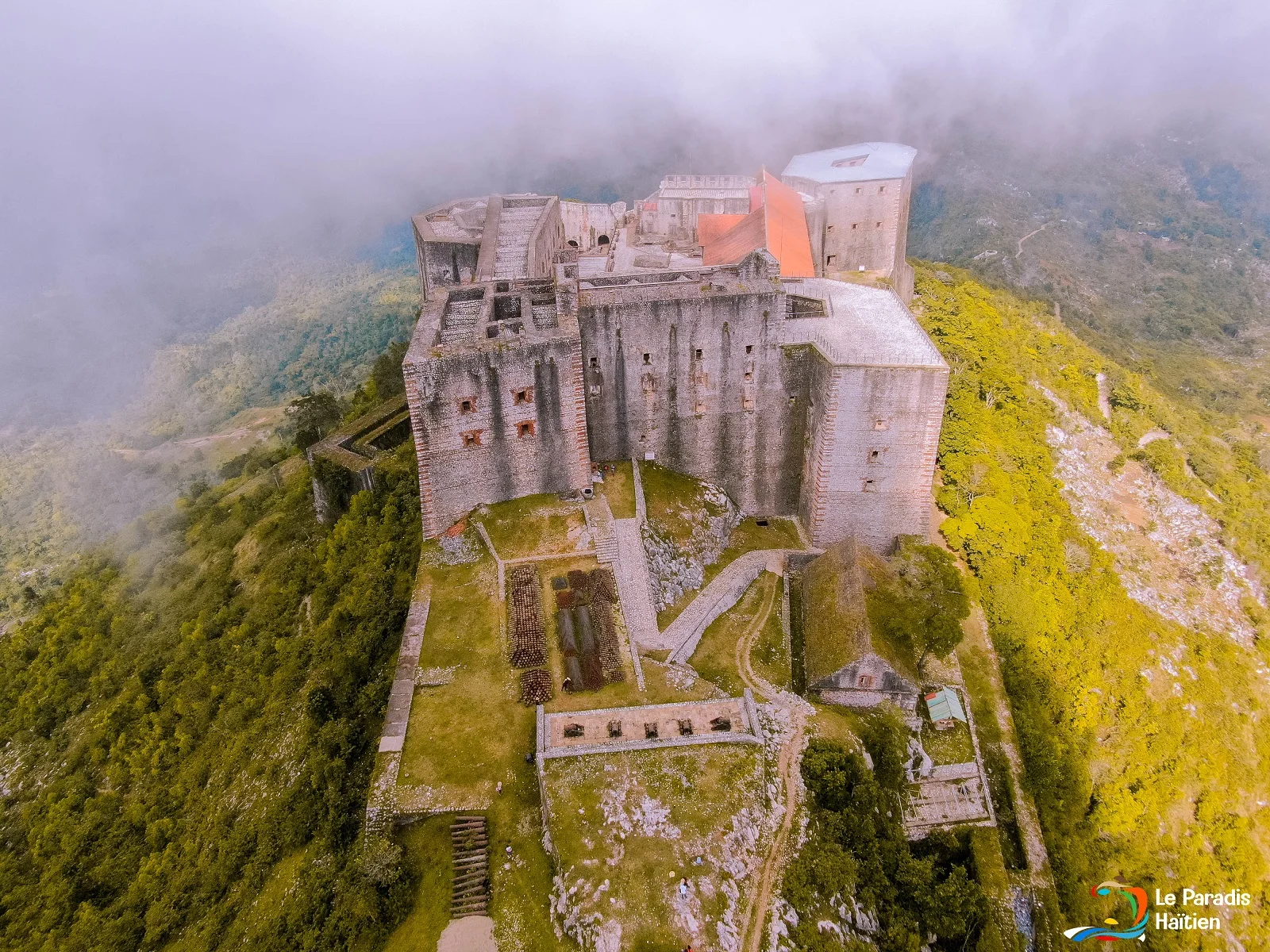
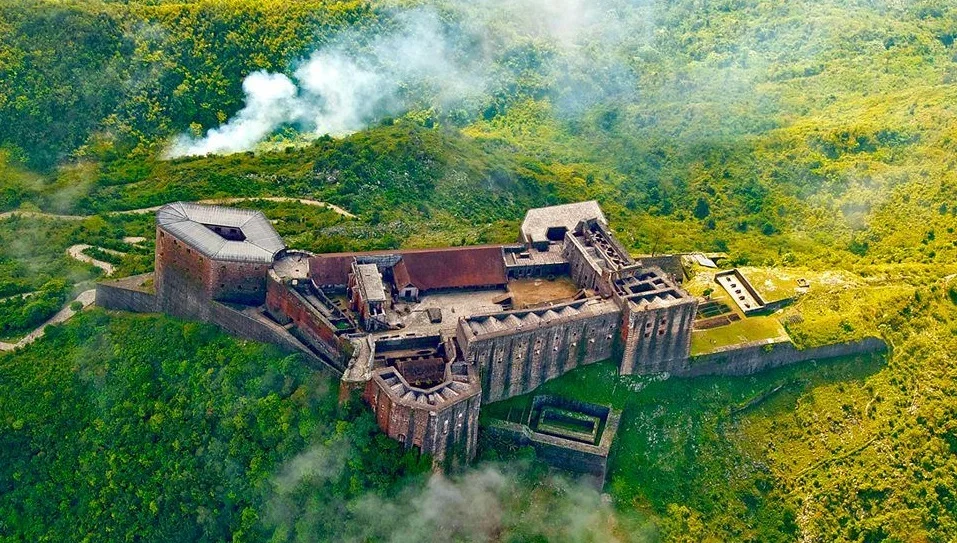
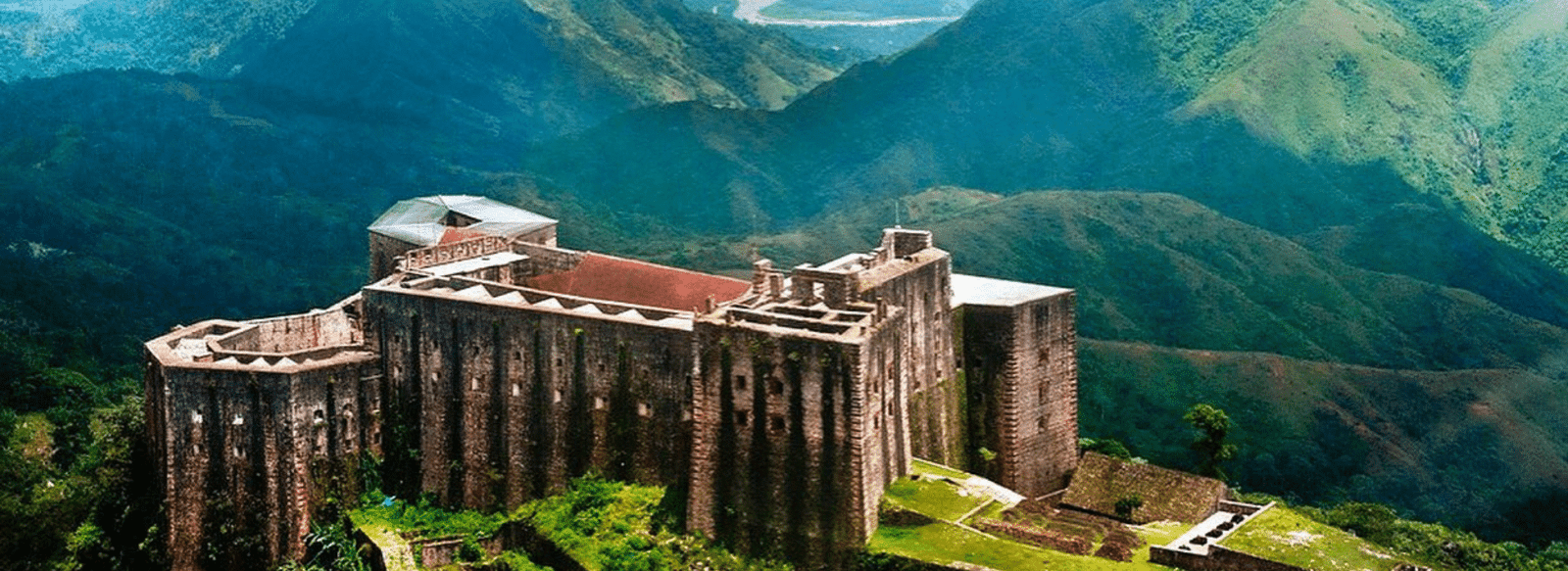
The Citadel National Park, a UNESCO World Heritage Site, is one of Haiti’s most iconic sites. It is home to the Citadelle Laferrière, a majestic fortress offering breathtaking panoramic views of the region. For those seeking a more immersive experience, the Kenscoff region, just an hour’s drive from Port-au-Prince, offers hikes through lush forested mountains that are a great escape from the heat of the plains.

Haïti
Haïti
Haïti

Relative climate safety: less affected by storms

Unlike many Caribbean countries, Haïti is relatively unaffected by the devastating cyclones and tropical storms that regularly hit the region. Thanks to its geographical position, the island is often outside the main hurricane paths, allowing the population and visitors to enjoy a more reassuring climate stability.

Although some areas may be affected by storms from time to time, the frequency and severity of extreme weather events remain less significant than in other neighboring islands. This makes Haïti a safer destination for travelers looking to avoid climate risks during their vacation.

Haïti
Haïti
Haïti

Vibrant Culture and Warm Hospitality

Haïti is not only a sunny destination, it is also a land rich in culture and history. The country is distinguished by its exceptional historical heritage, influenced by the colonial period, the Haitian Revolution, and its role as the first independent black republic in the world. From Port-au-Prince to Cap-Haïtien, passing through Jacmel, each city has a unique identity and offers varied cultural experiences, from museums to local festivals.

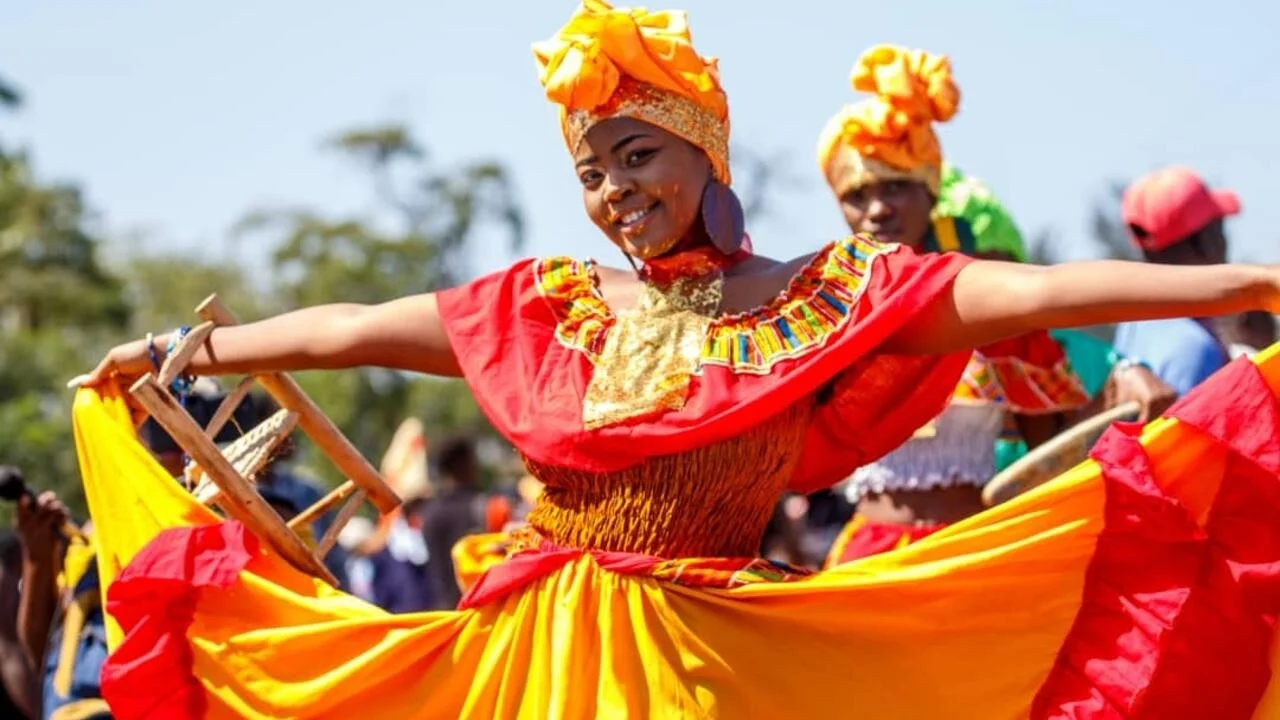
Haitians, known for their hospitality, welcome visitors with genuine warmth. The Haitian "savoir-vivre", rich in traditions, is reflected in the colorful markets, the spicy and delicious local cuisine, as well as in the lively music of the compas and the rara. Traveling in Haïti is immersing yourself in an authentic universe where smiles are everywhere and where history invites itself on every street corner.

Haïti
Haïti
Haïti

A Privileged and Authentic Living Environment at the Gateway to the Caribbean

Living in Haïti or staying there is choosing a privileged living environment, where sun, beaches, nature and culture coexist harmoniously. This country, rich in history and natural beauty, offers everything a lover of the tropics could desire. Far from the tumult and mass tourism, Haïti invites you to discover a more serene and preserved side of the Caribbean.

If you are looking for a destination where the climate is mild all year round, where nature dazzles you at every moment, and where the locals welcome you with generosity, then Haïti is for you.

Share
About the Author
Appolon Guy Alain
Appolon Guy Alain
Appolon Guy Alain

Full Stack Developer, Créatif, expérimenté, passionné des nouvelles technologies et de l’art.

See other articles from Appolon Guy Alain
john h mcenroe

No tourists on the beach. A real cultural immersion

November 22, 2024 - 08:49:24 AM
Leave a comment

Recently Posted

Newsletter

Subscribe to our newsletter to stay informed of all our activities and news on Haiti.

Vertières, Fort Mazi: Beyond historical truth;

If you look up the word vertière in a French dictionary, you will not find it for fear that the world does not know this place represents the Achilles heels of the most powerful European army. What’s more, this one had just successfully won the eastern campaign. French historians of the time erased this geographical location from the radar of history because they did not want to tell the story as it is in the sense of explaining the first great humiliation of the expeditionary army French by bands of slaves who were totally ignorant in the art of waging war, much less in the handling of weapons. However, these illiterate wars routed the Napoleonic army, the most powerful at that time, using the means at hand. This expeditionary army, after having brought Europe to its knees, would experience its first rout by slaves in this geographical location, located in the Northern department of Haiti. Funny story, this city is not on the list of French words even though given its historical importance, it should be at the heart of universal history, far from putting an end to the invincibility of the undefeated army army. So as not to offend the white masters, no political leader has ever asked why vertière does not appear in any French dictionary? However, they celebrate this battle with great fanfare every November 18. What historic hypocrisy among our leaders! After Vertière many other historical places are strangled by historians in order to hide the extremes of atrocities of the French colonists on the slaves. It is in this context of historical strangulation that “Fort Mazi” is not mentioned in school history textbooks. This is located in Petit-Goave, 2nd municipal section, Arnoux locality. We came across this mega fort, during a mobile clinic entirely financed by the Ernest Junior foundation, a charitable foundation which works in the social sector, particularly in the field of art and music. According to residents , the oldest in this locality, this fort was built on at least 20 squares of earth by the settlers. It was a huge military complex divided into compartments, outposts, turtle rooms, rooms for treating colonists, a large Catholic church, and a cemetery. However, we never talk about this fort so much so that it is ignored by history teachers in the town of Petit-Goave. Certainly, the desired disappearance of this fort under the radar of history buries the atrocities, the barbarities, the most inhumane punishments of the colonists on the slaves. Looking closely at reality, everything seems true that it is the largest fort ever built during the period of colonization. Moreover, it probably seems the most fortified in relation to its importance. Remember that Vertière only exists in Haitian school history textbooks while Fort Mazi does not appear, much less in French dictionaries or history books. This explains why this fort was a secret place in which the settlers practiced crimes and atrocities that went beyond human understanding. Is it not a clear desire of historians to hide what this immense fort built on at least 20 tiles of earth really was? Discover the history of Haiti: A fascinating story to explore! : https://haitiwonderland.com/haiti/histoire/decouvrez-l-histoire-d-haiti--un-recit-fascinant-a-explorer/81
Recently Posted

History

History

First black nation to free itself from slavery and gain independence from France in 1804 and influenced other liberation movements around the world, inspiring struggles for freedom and equality.

Natural beauty

Natural beauty

Haïti is blessed with spectacular natural landscapes, including white sand beaches, mountains and rich biodiversity.

Heritage

Heritage

Haïti has a rich historical heritage, including sites like the Citadelle Laferrière and the Sans-Souci Palace, listed as UNESCO World Heritage Sites.

Culture

Culture

Haïti has a rich and diverse culture, influenced by African, European and indigenous elements. Haitian music, dance, art and cuisine are celebrated around the world.

  • +
    • Post