Haiti, a destination to discover: Breathtaking Nature, Rich History and Vibrant CultureHaiti, a destination to discover: Breathtaking Nature, Rich History and Vibrant Culture
Haiti, a destination to discover: Breathtaking Nature, Rich History and Vibrant Culture
Haiti, often nicknamed "the pearl of the Antilles", is a fascinating destination for travelers in search of authenticity. This Caribbean island country offers a unique combination of natural beauty, an exceptional historical heritage, and a vibrant culture.
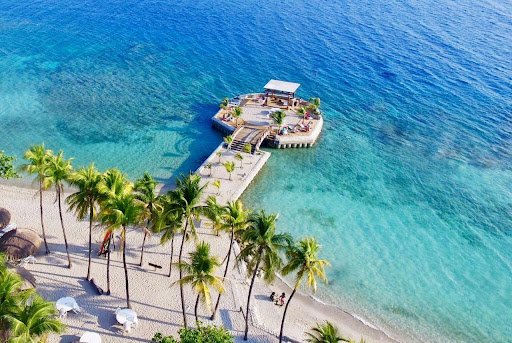
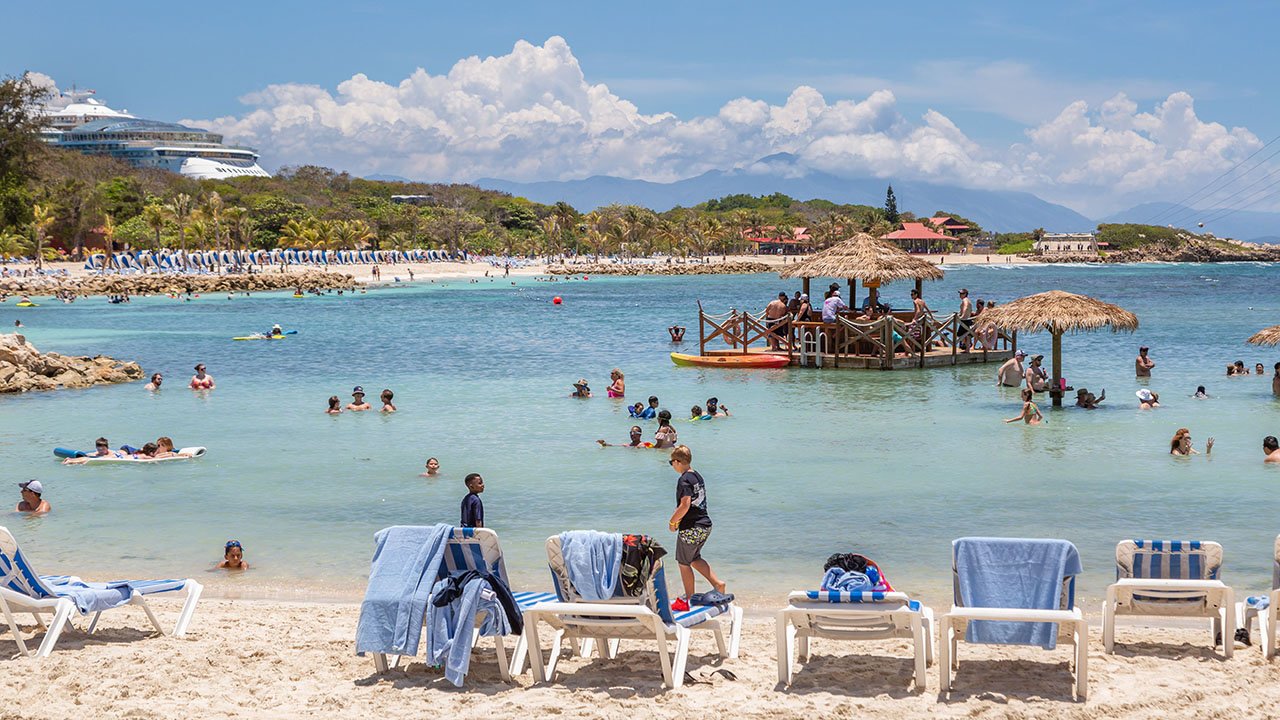
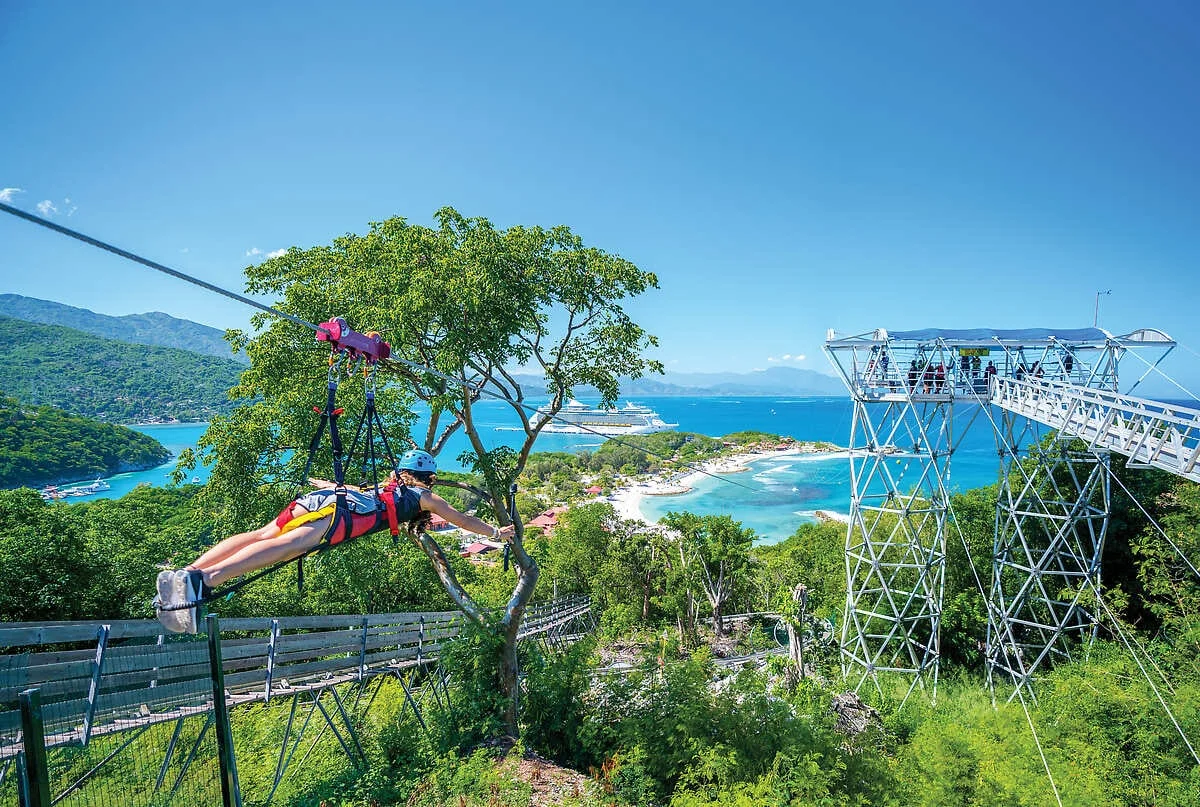
Haitian landscapes, although still little explored, have an exceptional diversity, ranging from heavenly beaches to majestic mountains. On the north coast, Labadie is an emblematic place where white sand beaches meet deep blue waters, offering an idyllic setting for sun and relaxation lovers. On the south coast, Jacmel also attracts for its natural charm and its famous pebbles that often inspire local artists.
In addition, Haiti’s mountains, such as the Massif de la Selle and Pic la Selle (the highest point in the country), are prime destinations for hiking enthusiasts. In the heights of these mountains, biodiversity abounds, particularly in nature reserves such as La Visite National Park. Studies of the region’s fauna and flora have revealed the presence of rare species, making it a true ecological sanctuary for scientists and nature enthusiasts. The Bassin Bleu campsites, located a few kilometers from Jacmel, are also among the country’s natural treasures. This enchanting place, made up of three crystal-clear pools, is surrounded by dense forests and impressive cliffs. It alone embodies the country’s sustainable tourism potential.
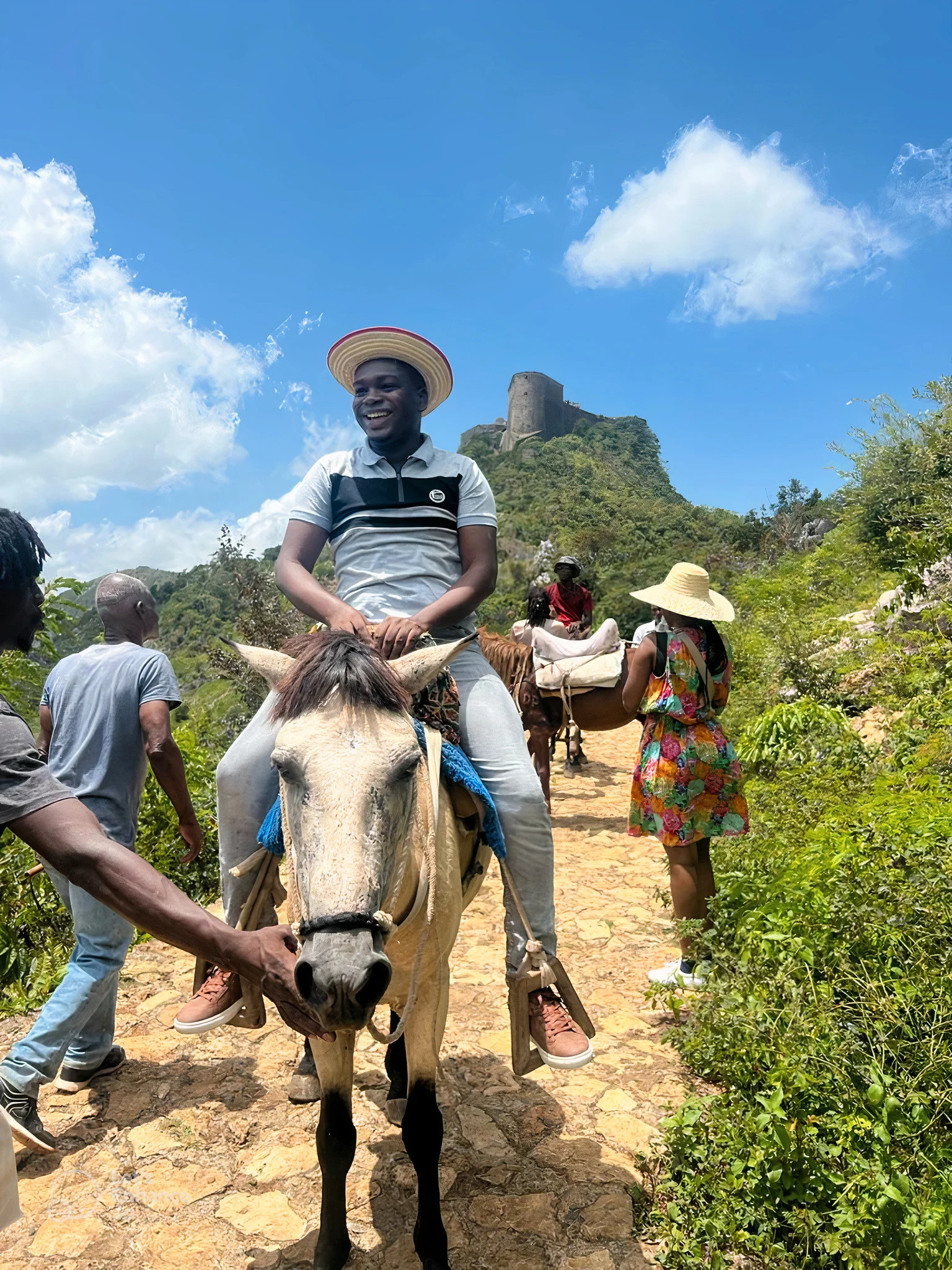
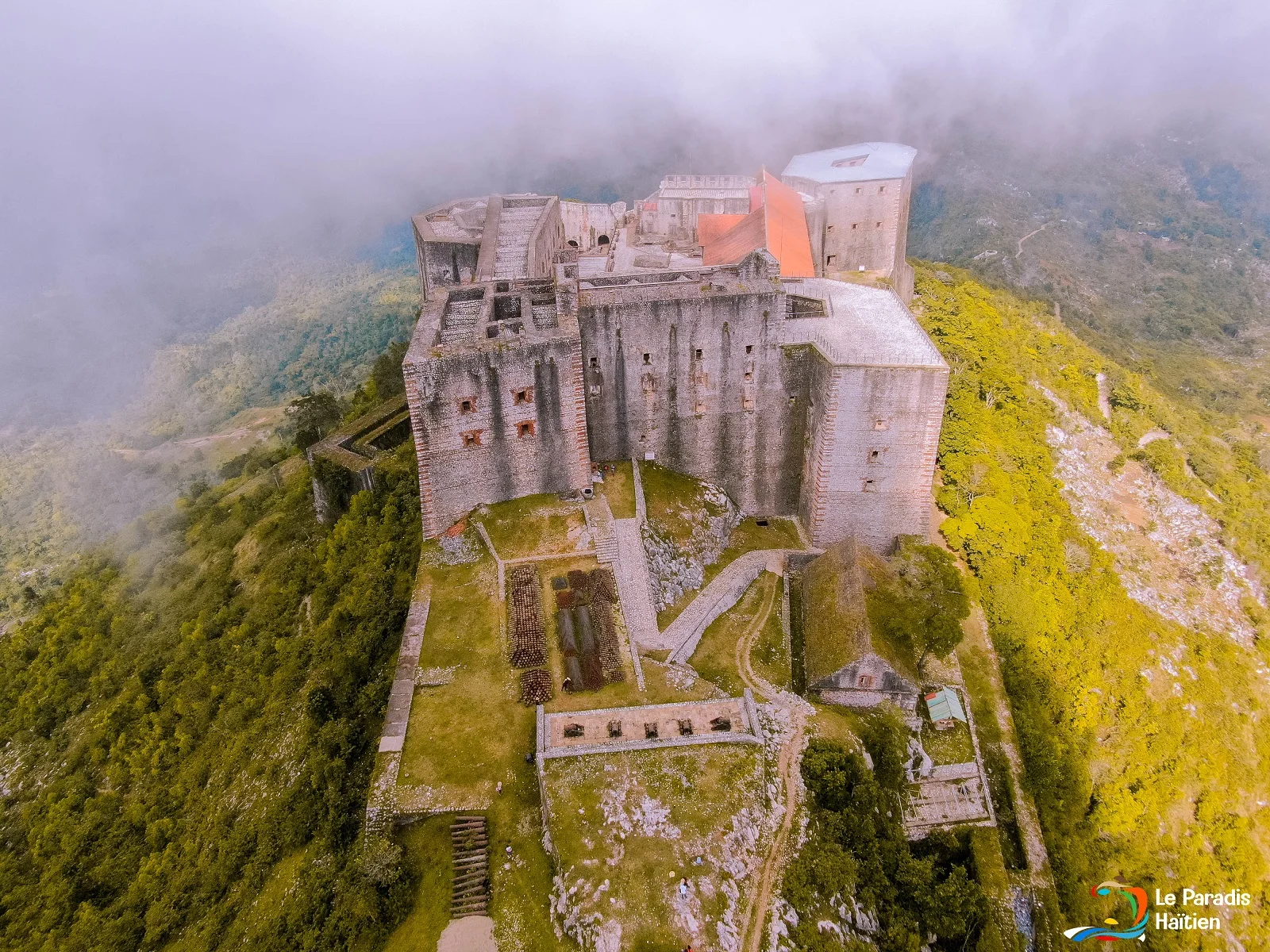
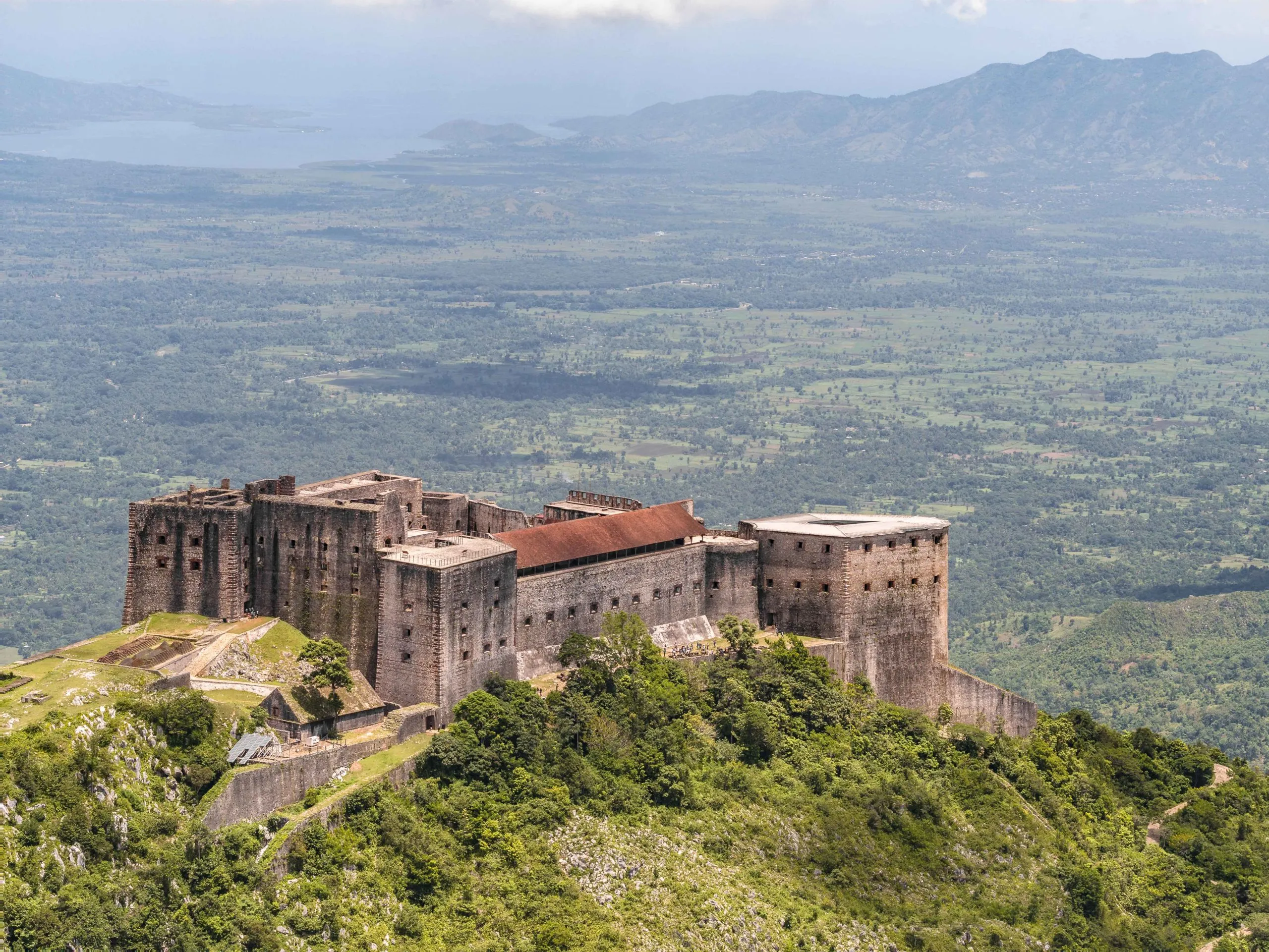
Haïti is known for being the world’s first independent black republic, a powerful and inspiring legacy that continues to resonate through the country’s monuments and history. This struggle for independence, crowned in 1804, is immortalized in historical sites such as the Citadelle Laferrière and the Sans-Souci Palace, two imposing structures listed as UNESCO World Heritage Sites. The Citadel, perched atop the northern mountains, is the largest fort in the Caribbean, built by King Henri Christophe to defend the young republic against any attempt at colonial reconquest.
The Muthéon National Haïtien (MUPANAH), located in Port-au-Prince, offers a valuable insight into the history of Haiti, from its indigenous roots to the Haitian Revolution and beyond. This museum is an ideal starting point for understanding the country’s deep history and its influence on the anti-colonial struggle in Latin America and the Caribbean.
Haitian culture is manifested through its many festivals, dances, and artistic traditions. Carnival, known for its artistic masks and vibrant costumes, attracts local and international visitors. Jacmel, often considered the city of artists, becomes a festival of colors and creativity, where artisans display handmade masks, works of art that reflect both the Haitian spirit and the richness of African and Caribbean traditions.
Another ible moment, the rara, a traditional festival celebrated during Holy Week, is a mix of music, dance, and religious rituals. This festival symbolizes the fusion of the African and Christian roots of Haitian culture. Groups of musicians parade through the streets with locally made instruments, singing tunes that date back centuries of history and spirituality.
Haitian cuisine is a pillar of the local culture, with dishes that skillfully combine African, Creole, and French influences. Griot, marinated and fried pork chunks, is a staple of Haitian gastronomy, often accompanied by pikliz, a spicy condiment made from marinated vegetables that gives each meal a unique taste.
Other iconic dishes include diri ak djon djon, a rice prepared with local black mushrooms that give it a dark color and inimitable taste, as well as lambi créole, a conch stew popular in coastal areas. For those with a sweet tooth, Haitian pâtés, savory pastries often filled with beef or chicken, and douce macoss, a coconut-based confection, are delicacies not to be missed.
Haiti, with its natural, historical, and cultural wealth, offers visitors much more than just a tourist destination. It is a land of authenticity, where each landscape, each dish, and each celebration tells a unique story. Those who venture beyond the clichés will discover a welcoming people, proud of their roots and culture. With its unspoiled natural sites, heroic history and vibrant festivals, Haïti is an invitation to explore a corner of the Caribbean that is still little-known, but ready to offer unforgettable experiences.
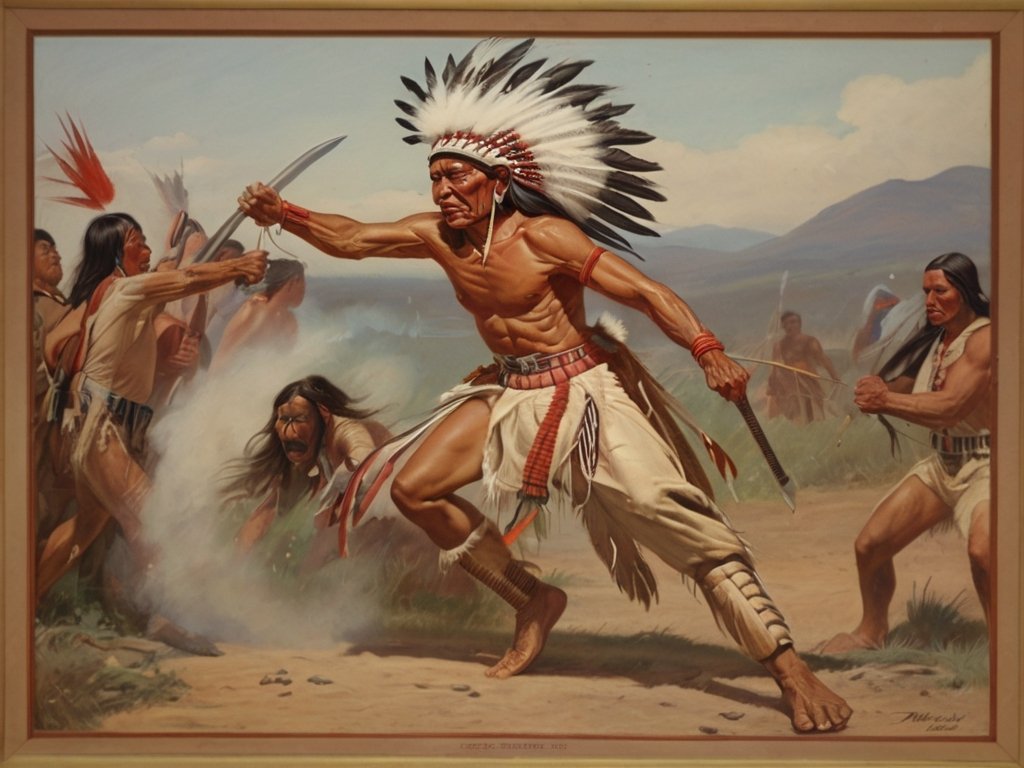
First black nation to free itself from slavery and gain independence from France in 1804 and influenced other liberation movements around the world, inspiring struggles for freedom and equality.
Natural beauty
Haïti is blessed with spectacular natural landscapes, including white sand beaches, mountains and rich biodiversity.
Heritage
Haïti has a rich historical heritage, including sites like the Citadelle Laferrière and the Sans-Souci Palace, listed as UNESCO World Heritage Sites.
Culture
Haïti has a rich and diverse culture, influenced by African, European and indigenous elements. Haitian music, dance, art and cuisine are celebrated around the world.