Travel to Haiti: Why? Now is the Perfect Time to Discover It
Haiti, a country rich in history, culture and natural beauty, is one of the most fascinating and underrated destinations in the Caribbean. For years, this country was perceived through a negative prism, but today, Haïti deserves to be rediscovered. If you are wondering why travel to Haïti now, this article will convince you that now is the perfect time to discover this unique island, full of surprises and hidden treasures.
Haïti is a country with an impressive history, especially as the first independent country in Latin America and the Caribbean, after a heroic revolution led by slaves. This rich historical heritage is reflected in its monuments, museums and cultural sites, including some must-sees:
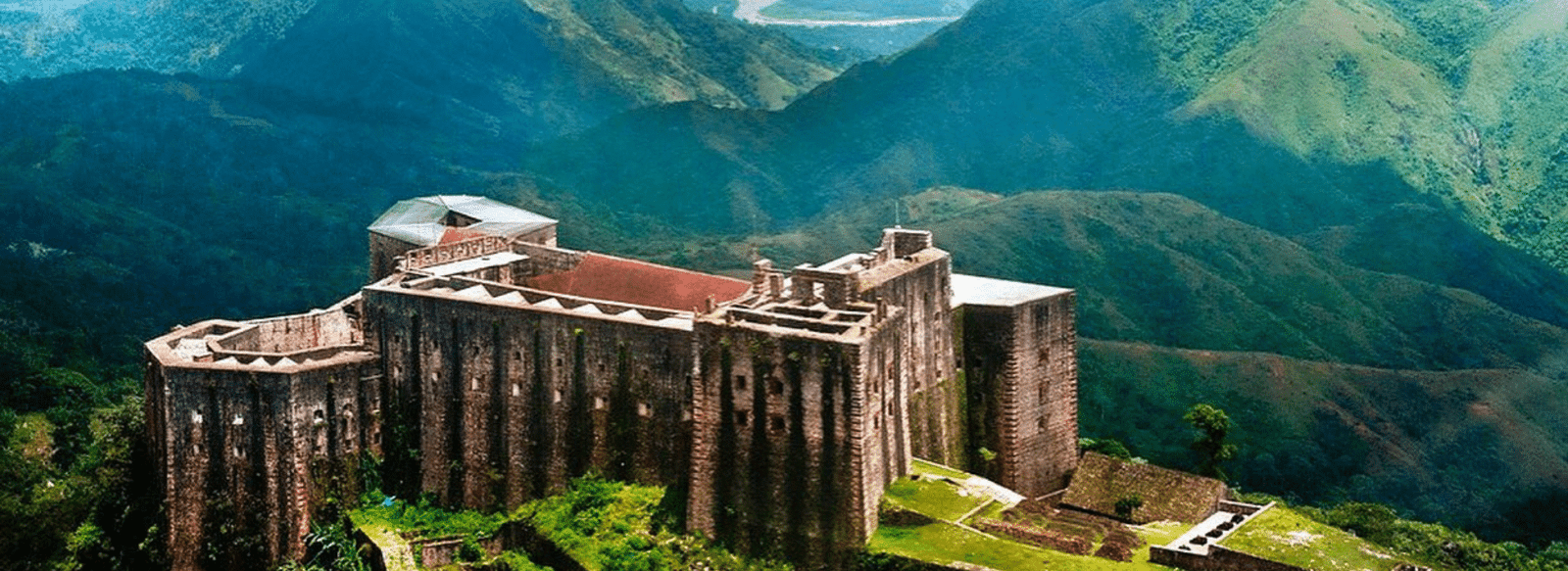
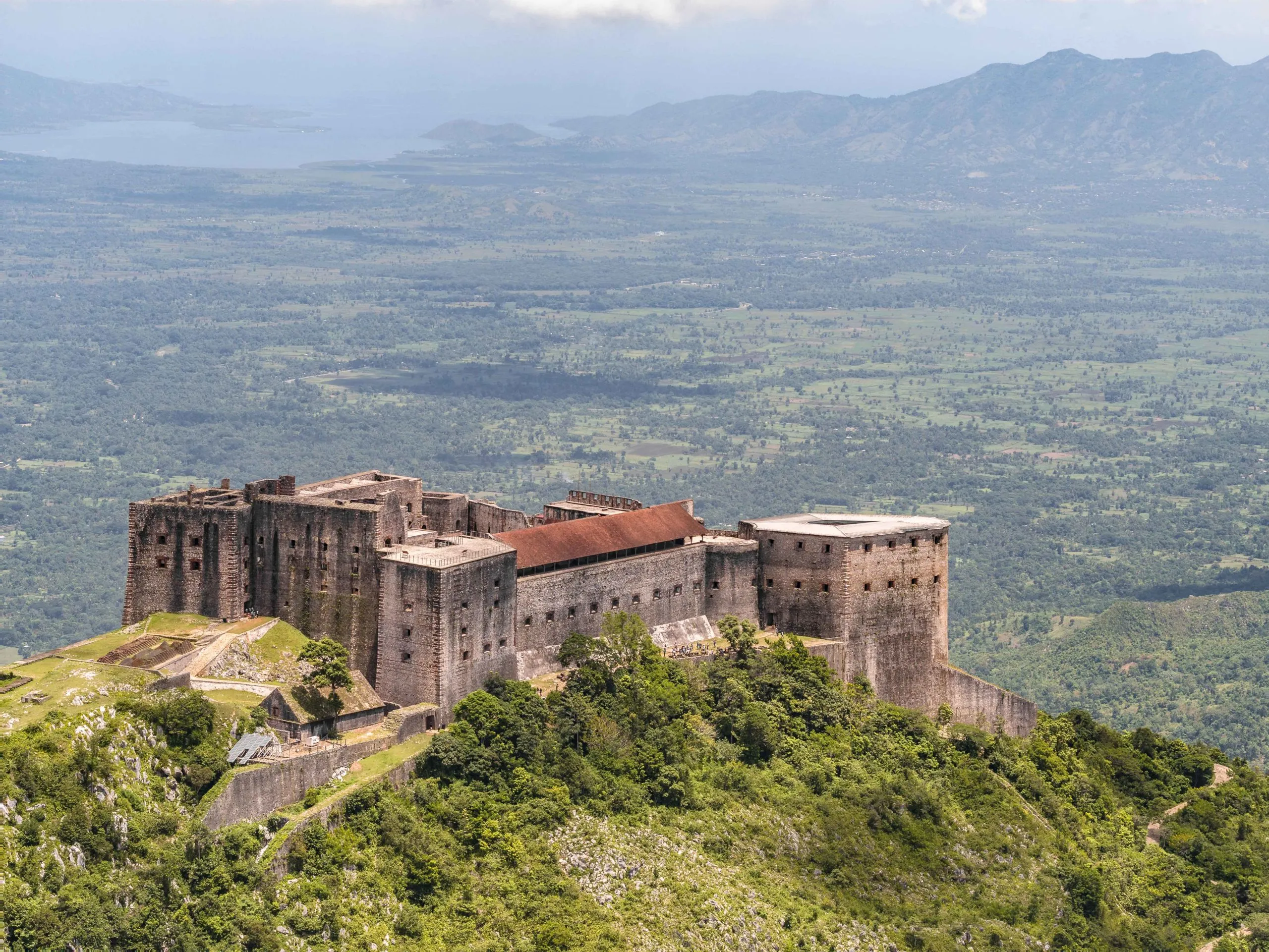
- La Citadelle Laferrière: Located in the north of the country, the Citadel is one of the largest fortresses in the Americas and a symbol of Haitian resistance against slavery and colonization.
- Le Musée du Panthéon National Haïtien (MUPANAH): This museum in Port-au-Prince traces the history of Haiti, from the Haitian revolution to its independence, and is a great way to understand the country’s deep roots.
- Les Artisans Haïtiens: Haïti is also famous for its colorful and creative handicrafts, which you can discover in local markets and art galleries throughout the country.
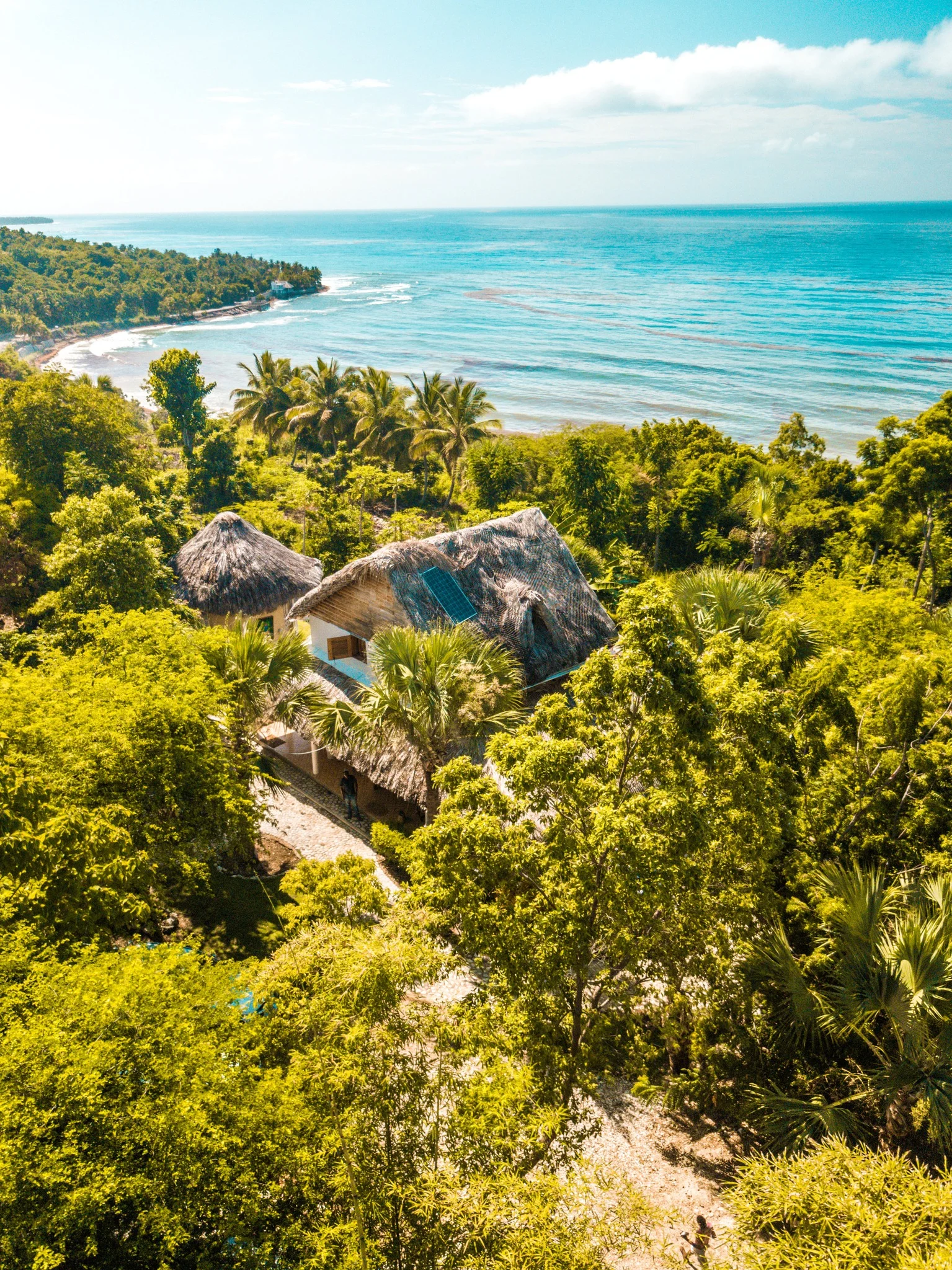
Haïti is a country of contrasts, where majestic mountains meet white sand beaches and lush forests. Traveling to Haïti is an opportunity to discover an impressive geographical diversity.
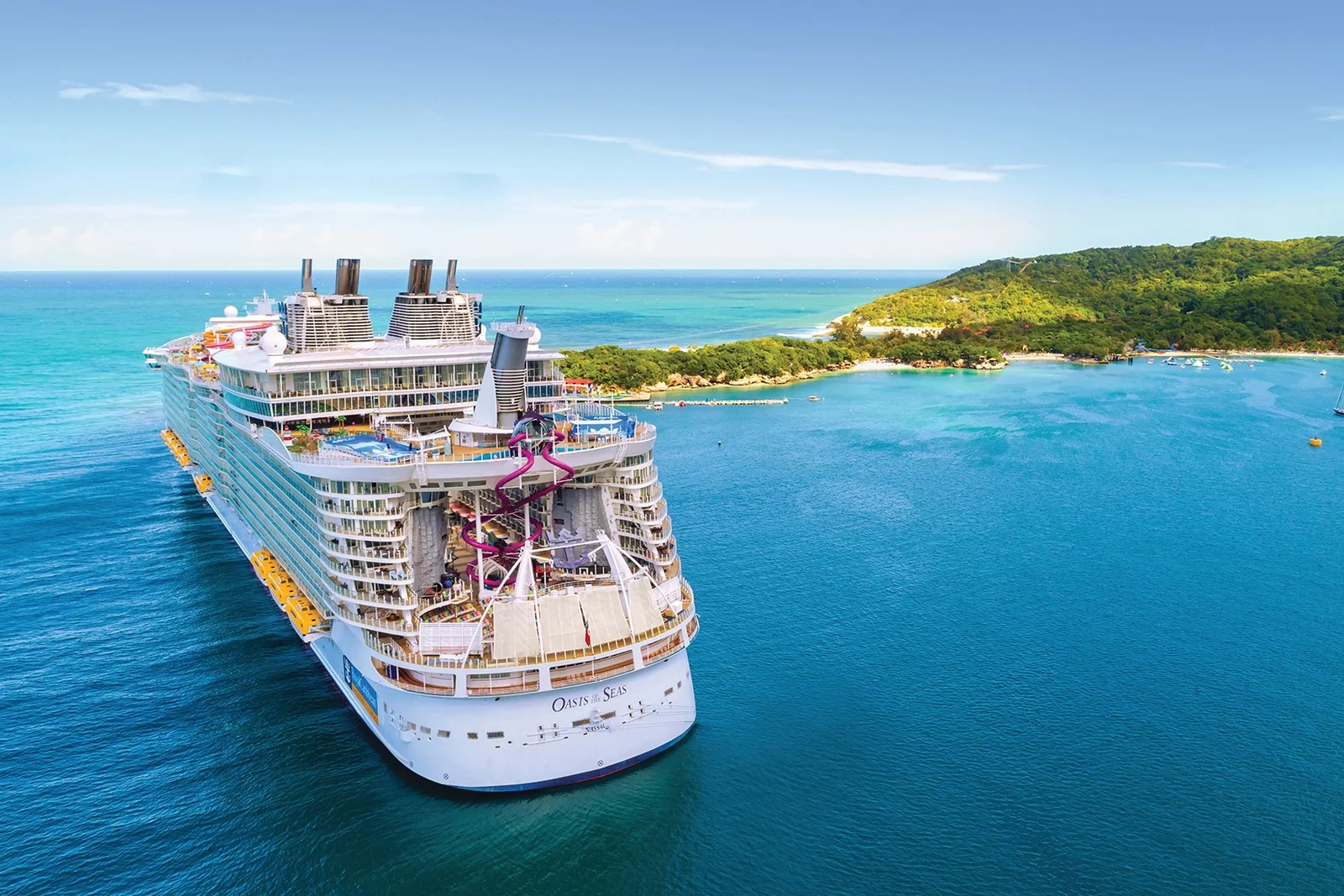
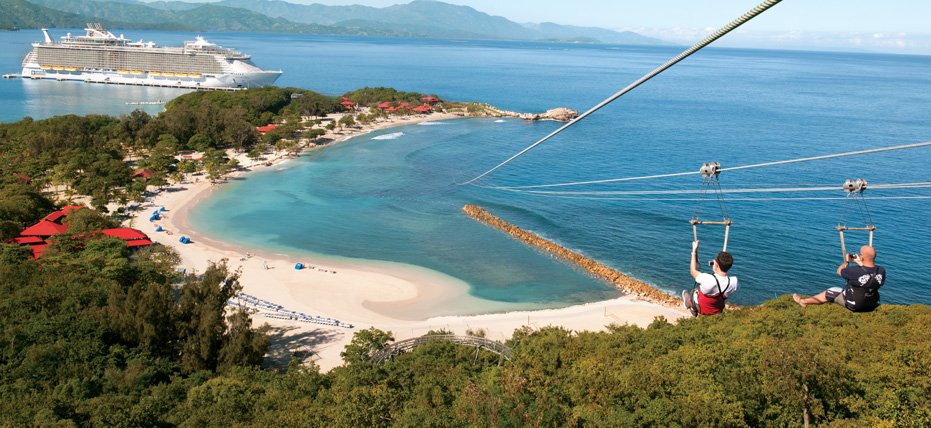
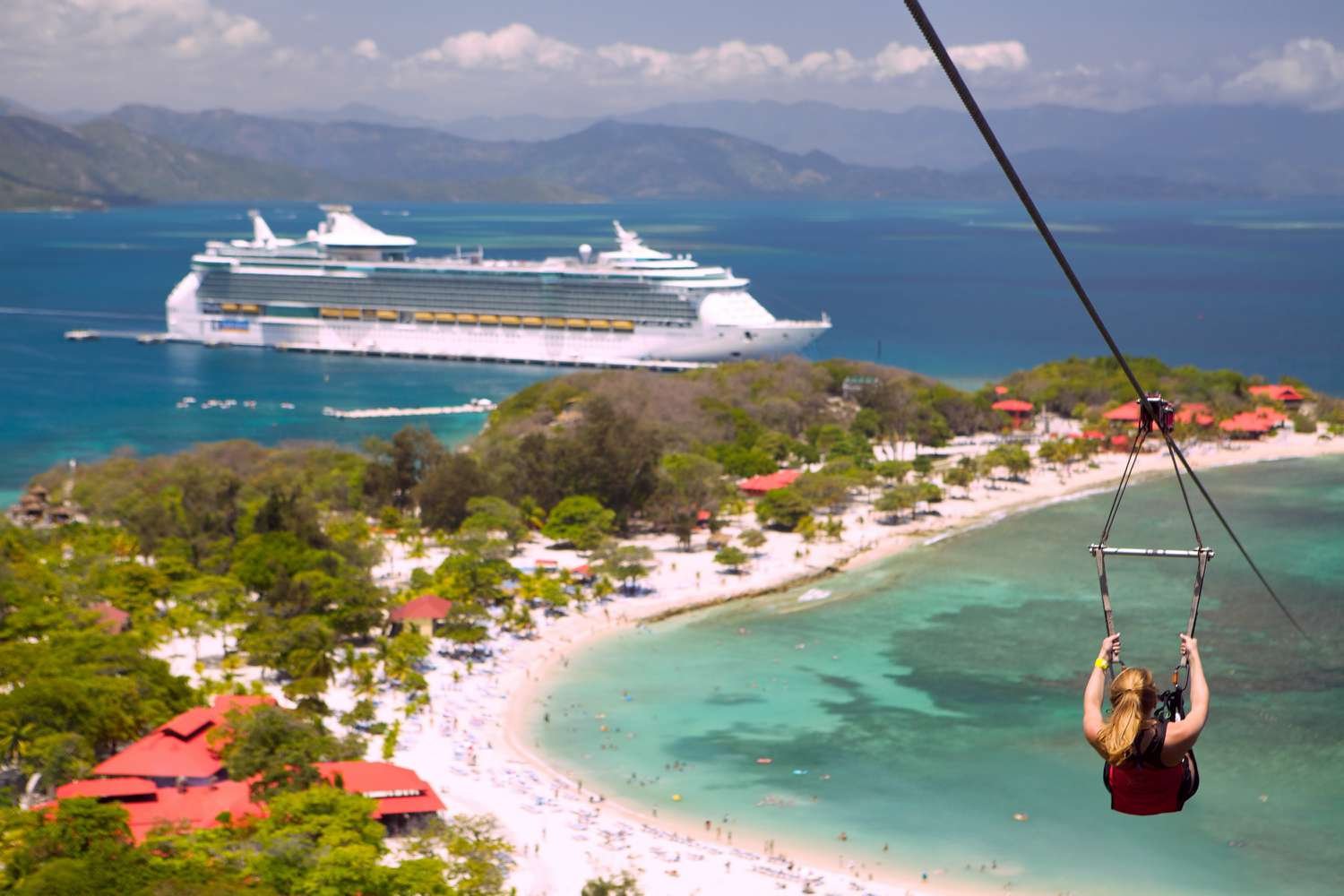
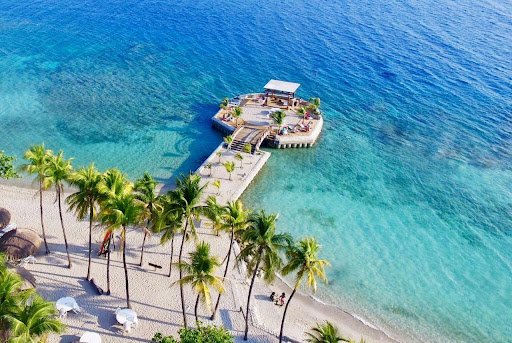
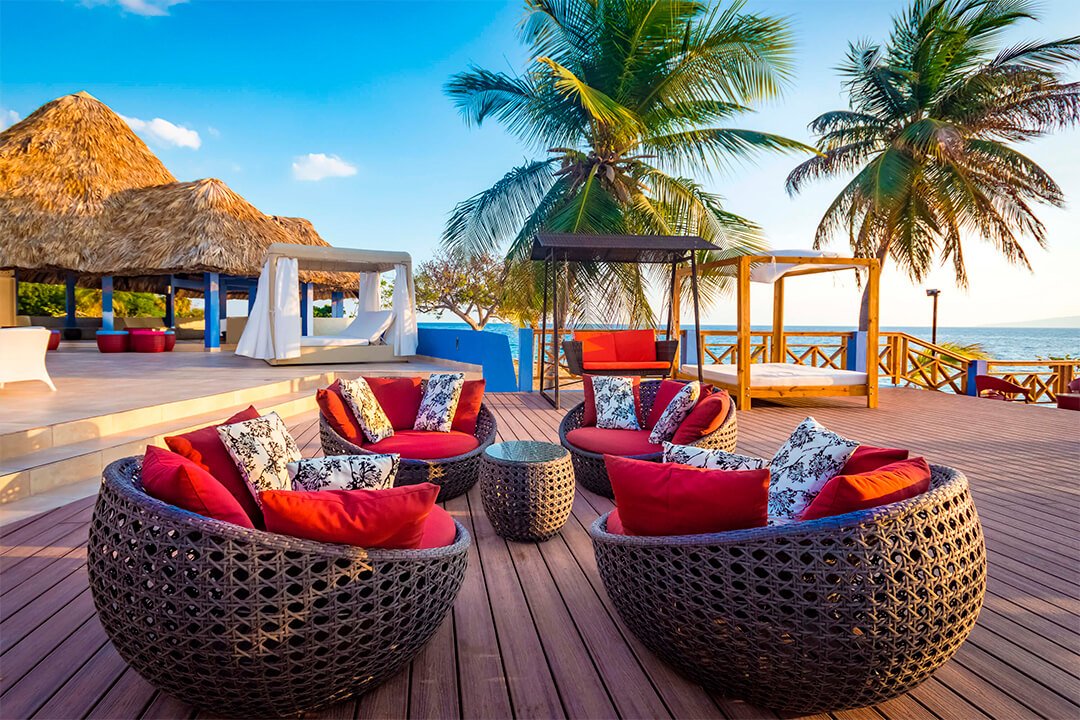
- Beaches: Paradise beaches like Labadie, Jacmel, and Île-à-Vache offer crystal clear waters, swaying palm trees, and a rare tranquility.
- Mountains: The country is also dotted with mountain ranges, like the Piste de la Montagne La Selle, where you can hike through the rainforest and enjoy breathtaking views.
- Waterfalls: Places like Bassin Bleu and Saut d’Eau waterfalls show the importance of water in the Haitian landscape, offering places to relax and enjoy the natural beauty.
Haitian culture is a fusion of African, European, and indigenous influences, offering a unique experience.
- Music and Dance: Haitian music, from compas to rara, is catchy and an integral part of the country’s identity. Attending a concert or dancing at a festival is one of the best ways to soak up the Haitian spirit.
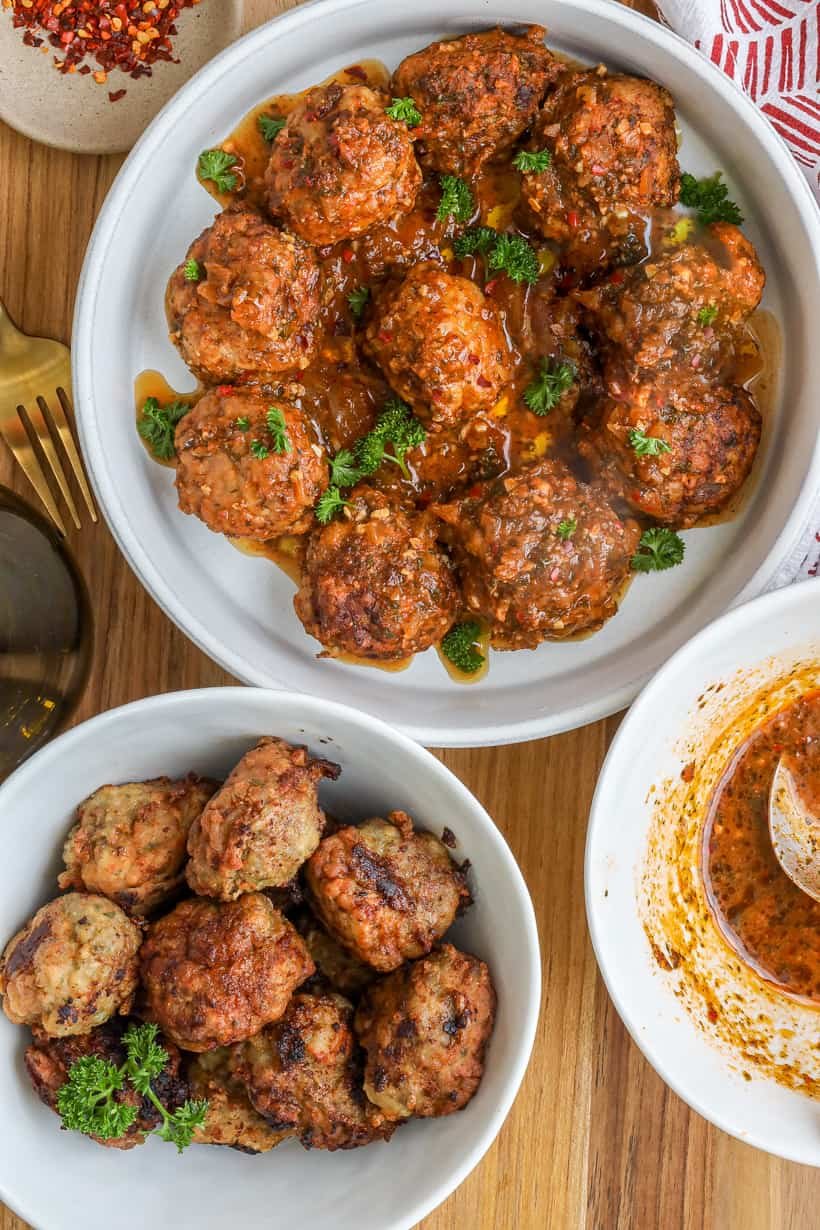
- Food: Haitian cuisine is a feast for the senses. Traditional dishes like griot, djon djon rice, and coconut chicken are must-try items.
- Festivals and Festivities: Haïti is a country where festivals are part of everyday life. The Port-au-Prince Carnival or the Jacmel Festival are must-see events to discover the country’s festive culture.
Although Haïti has gone through difficult times, particularly with natural disasters, the country is recovering every day thanks to the resilience of its people. In recent years, Haïti has made efforts to strengthen its tourism infrastructure, improve security conditions, and promote a more positive image of the country.
- Improved infrastructure: Many modern hotels and resorts have opened in destinations like Port-au-Prince, Cap-Haïtien, and Jacmel, providing more comfort and security for visitors.
- Support for sustainable tourism: The country is increasingly focusing on responsible tourism, encouraging local initiatives and supporting community-based businesses, allowing travelers to invest directly in Haitian communities.
If you are still hesitant to visit Haiti, now is the perfect time. Here’s why:
- Less mass tourism: Haiti, still not frequented by large crowds, offers an authentic experience, far from the crowded destinations of the Caribbean.
- A return to simplicity and authenticity: Traveling to Haïti means returning to simple and human values, discovering warm inhabitants and customs that honor the country’s rich heritage.
- A place for adventurers: Haiti’s tourist areas are increasingly secure, and travelers can enjoy a pleasant and serene stay.
Haiti, with its vibrant culture, stunning landscapes and fascinating history, is a must-see destination to discover. It is a place where you can enjoy adventure, relaxation and cultural richness, while supporting local development. If you are looking for an authentic and surprising destination, traveling to Haïti now is the perfect opportunity to discover this fascinating island before it is on all the tourist maps.
First black nation to free itself from slavery and gain independence from France in 1804 and influenced other liberation movements around the world, inspiring struggles for freedom and equality.
Natural beauty
Haïti is blessed with spectacular natural landscapes, including white sand beaches, mountains and rich biodiversity.
Heritage
Haïti has a rich historical heritage, including sites like the Citadelle Laferrière and the Sans-Souci Palace, listed as UNESCO World Heritage Sites.
Culture
Haïti has a rich and diverse culture, influenced by African, European and indigenous elements. Haitian music, dance, art and cuisine are celebrated around the world.