contact@haitiwonderland.com+509 36184317

Discover

Shopping Cart

Haiti, the island of a thousand treasures: between nature, culture and the tenacity of its people

Haiti, the island of a thousand treasures: between nature, culture and the tenacity of its people

Haiti, nicknamed "the Pearl of the Antilles", is distinguished by the richness of its landscapes, its vibrant culture and the tenacity of its people. Its heavenly beaches, majestic mountains and emblematic sites, such as Macaya National Park and Bassin Bleu, are natural treasures that testify to the raw beauty of the island. However, these wonders are jeopardized by ecological challenges such as deforestation and climate change. Its vibrant and diverse culture is echoed in its music, crafts and spiritual traditions such as voodoo. Despite economic and social challenges, it is in the tenacity of its inhabitants that lies the true wealth of Haiti, a people determined to preserve their roots and build a brighter future.

Haïti
Haïti
Haïti

A breathtaking natural setting

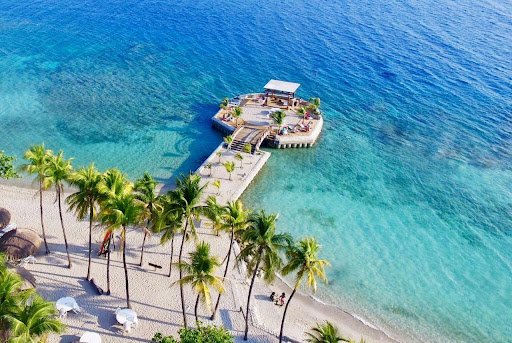
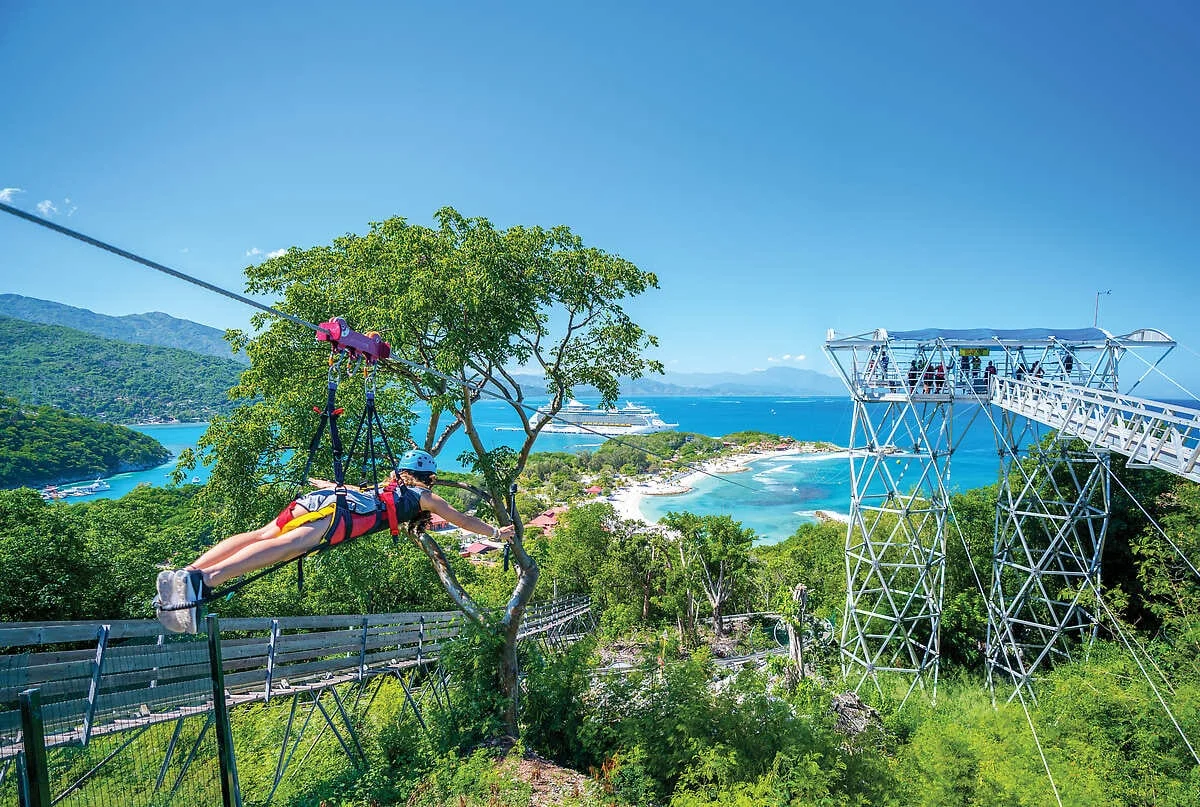
Haiti, once nicknamed "the Pearl of the Antilles" during the colonial era, is a land where nature seems to have painted its most beautiful canvases. Beaches, such as those of Labadie and Île-à-Vache, with turquoise waters lined with palm trees, attract visitors in search of tranquility. But beyond the fine sand, Haïti is distinguished by its mountains, lush forests and spectacular waterfalls, such as Saut-d’Eau, a site imbued with spirituality. In the South, Macaya National Park, with its unique biodiversity and mysterious caves, offers a fascinating glimpse into the Haitian ecosystem, a little-known treasure to be preserved.
Natural sites are not limited to their beauty: they also tell the story of the Haitian people. For example, the Bassin Bleu in Jacmel, with its crystal clear waters and imposing cliffs, is not only a place of relaxation. It is also a refuge for generations who find in these places a deep connection with nature and their roots. This natural wealth, although vulnerable to climate change and deforestation, remains a source of wonder and pride for Haiti.

Haïti
Haïti
Haïti

A vibrant and living culture

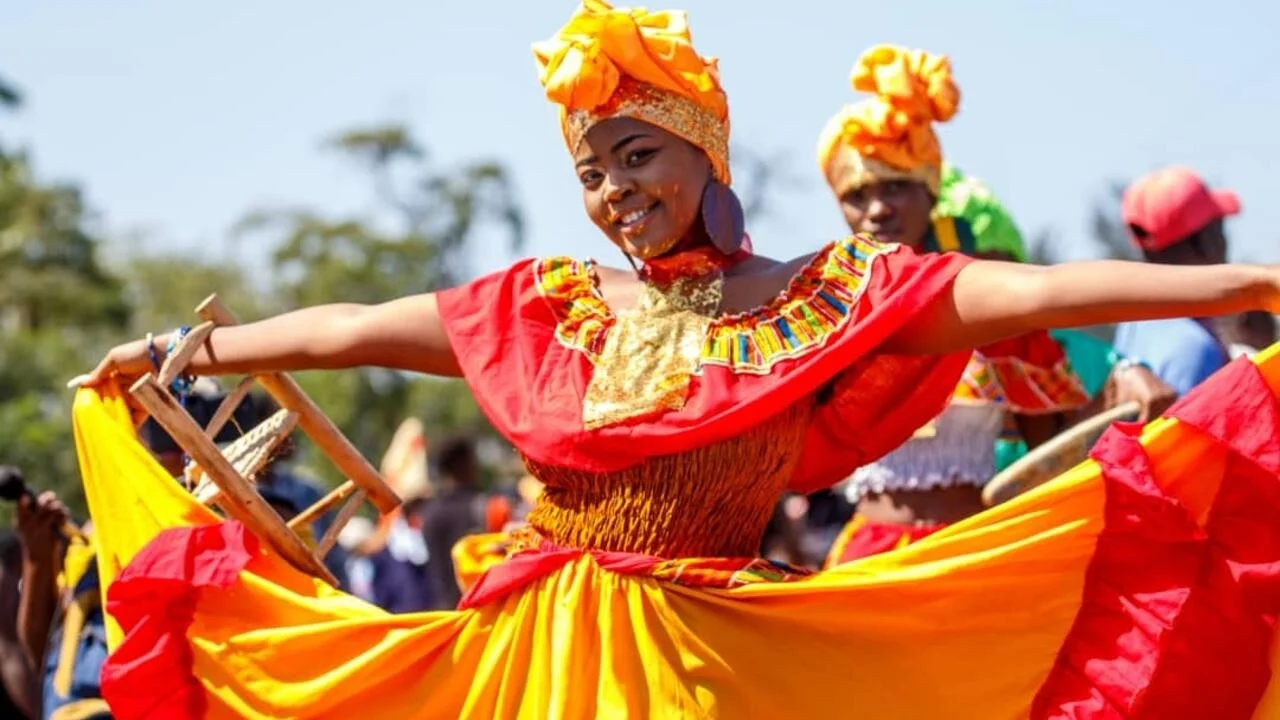
Haïti is a land of creativity, where every street corner breathes art and music. The rara, the compas and Haitian jazz are more than just entertainment: they tell stories, carry the hopes and struggles of a proud people. During the Jacmel Carnival, the streets are transformed into an explosion of colors and sounds. The handmade masks, a true feat of craftsmanship, embody the ingenuity and richness of local traditions. This mix of rhythms and colors makes Haitian culture a source of inspiration for the whole world.
Voodoo, often misunderstood, is another pillar of Haitian cultural identity. This spiritual practice, which fuses African beliefs and Christian influences, has given rise to exceptional artistic forms. The vèvès that resemble geometric figures, the haunting songs and the ritual dances are all testimonies to the depth and richness of this tradition. Added to this is a flourishing literature, carried by writers such as Jacques Roumain, Fernand Hubert, Frankétienne and Georges Castera, who celebrate the resilience and beauty of their native land.

Haïti
Haïti
Haïti

Tenacity, Haiti’s true treasure

Beyond its landscapes and culture, what distinguishes Haïti is the tenacity of its people. Faced with historical, climatic and economic challenges, Haitians demonstrate boundless creativity. Local initiatives for the preservation of the environment, such as community reforestation, demonstrate a commitment to protecting their natural heritage. In the field of crafts, the markets of cut iron and naive paintings show how adversity is transformed into beauty.
This tenacity is also evident in community projects led by dynamic youth. Through local organizations, artists and entrepreneurs are mobilizing to build a better future. They are reinventing Haitian identity with an eye toward innovation, while remaining anchored in traditions, such as the Plume en quête literary club in Jacmel. Despite the trials, Haïti continues to shine through the soul of its people, offering the world a lesson in courage and hope.

Haïti
Haïti
Haïti

A timeless beauty

Haiti, far from the clichés often conveyed, is a land of incomparable richness. Its landscapes, its culture and the strength of its people make it a destination to discover or rediscover. This island of a thousand treasures invites us to celebrate life, resistance and creativity, and reminds us that, even in the face of the most complex challenges, beauty can always triumph.

Share
About the Author
Jarule Laguerre
Jarule Laguerre
Jarule Laguerre

    laguerrejarule916@gmail.com

    See other articles from Jarule Laguerre
    Leave a comment

    Recently Posted

    Haïti Music: Haitian artist Rutshelle Guillaume crowned “Best Caribbean Artist” at the Trace Awards & Festival 2023

    The international music scene buzzed with excitement on Saturday, October 20, 2023 when talented Haitian singer Rutshelle Guillaume was crowned “Best Caribbean Artist” at the prestigious Trace Awards & Festival 2023, held in Kigali, Rwanda. This award recognizes a remarkable career and a significant contribution to the evolution of Caribbean music. Rutshelle Guillaume is an artist who has captured the hearts of music lovers thanks to her undeniable talent and her numerous quality productions. The Trace Awards & Festival is an event renowned for its promotion of Afrocentric music and culture. It is a platform that celebrates the musical diversity of the Caribbean while highlighting the creativity of the region. Caribbean artists are honored for their exceptional contribution to the enrichment of world music. Rutshelle Guillaume’s victory at this prestigious event is not only a tribute to her talent, but also a recognition of the richness of Caribbean music and its ability to transcend geographical boundaries. The Haitian singer knew how to embody this musical diversity and touched the hearts of many listeners around the world. Her career, marked by memorable titles and collaborations with other talented artists, has made her an ambassador for Caribbean music on an international scale. His commitment to promoting Haitian and Caribbean culture has helped strengthen ties between artists in the region and the rest of the world. Rutshelle Guillaume continues to inspire many emerging artists and show that passion, talent and dedication can lead to extraordinary achievements. His victory at the Trace Awards & Festival 2023 is a well-deserved tribute to his influence and undeniable contribution to Caribbean music. Ultimately, Rutshelle Guillaume’s recognition as "Best Caribbean Artist" at the Trace Awards & Festival 2023 is a reminder of the power of music to unite cultures and celebrate artistic diversity. It is a historic moment for the Haitian artist and a source of pride for the Caribbean as a whole. Rutshelle Guillaume continues to be an inspiration to many artists and music lovers around the world, and her music will live on as a testament to her incredible talent and dedication to her art.

    Newsletter

    Subscribe to our newsletter to stay informed of all our activities and news on Haiti.

    Haïti et son Rôle Pionnier dans l’Abolition de l’Esclavage Mondial

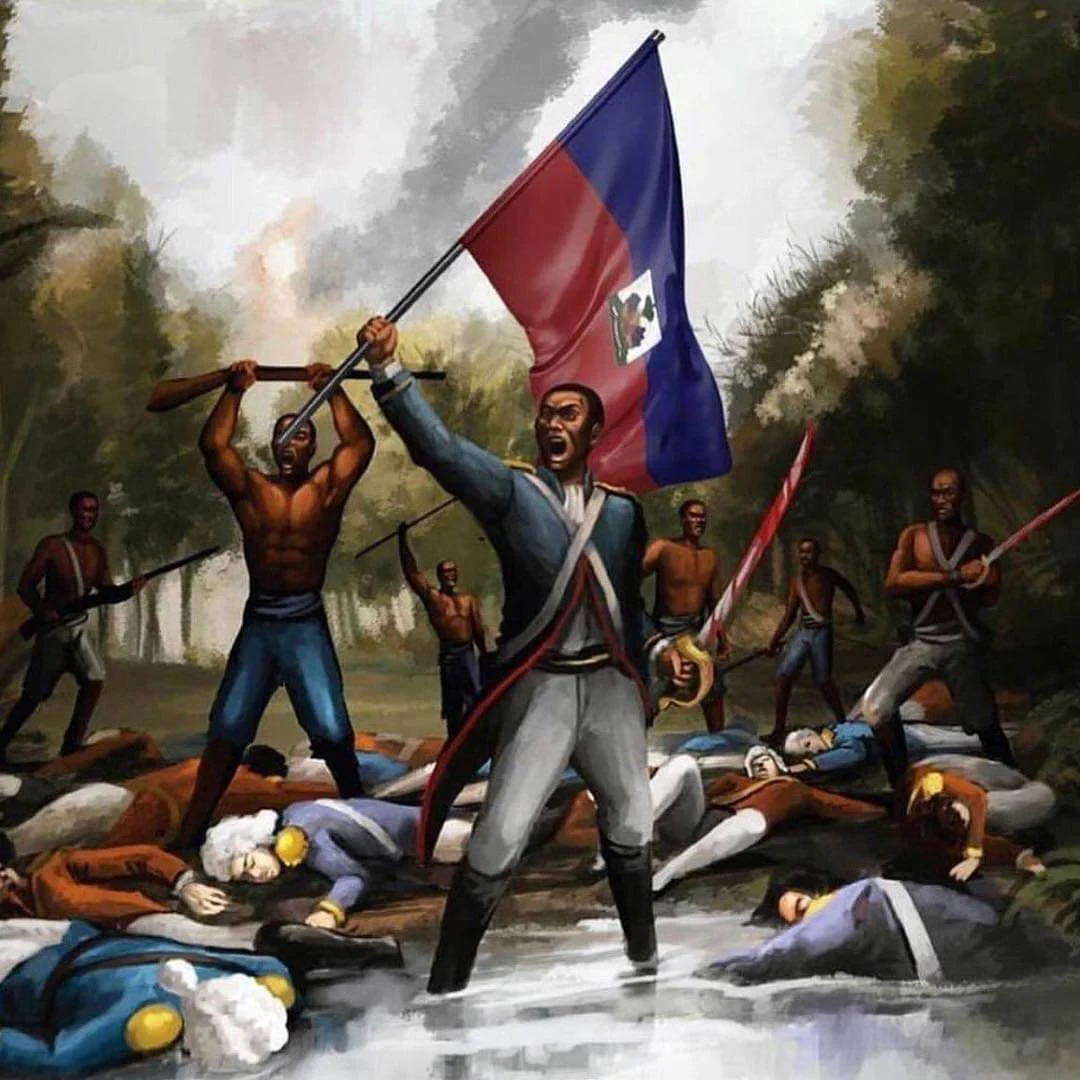
    For centuries, the institution of slavery has darkened human history, leaving behind a legacy of pain, oppression and the struggle for freedom. However, in this dark tale, one nation stands out for its courage and determination to break the chains of oppression: Haiti. Located in the Caribbean, Haïti played a pioneering role in the abolition of slavery, laying the foundation for the fight for freedom and equality around the world. The history of slavery in Haïti dates back to the arrival of Europeans on the island, which was then called Santo Domingo, in the 15th century. French colonists quickly established an economy based on sugar and coffee production, cruelly exploiting millions of African slaves deported to work on plantations. However, this brutal system engendered fierce resistance from slaves, whose fight for freedom ultimately led to one of the most significant revolutions in history. In 1791, under the leadership of iconic figures such as Toussaint Louverture, Jean-Jacques Dessalines and Henri Christophe, Haitian slaves rose up against their oppressors in an unprecedented rebellion. This revolt resulted in a war of independence that lasted more than a decade, but ultimately resulted in the proclamation of Haiti’s independence in 1804, making that country the first post-colonial nation ruled by people from slavery. The impact of the Haitian Revolution on the abolition of slavery worldwide cannot be overstated. By breaking the chains of oppression and proclaiming their independence, Haitians have sent a powerful message to all oppressed peoples around the world: freedom is possible, and it is worth the struggle. The example of Haïti inspired other movements for the abolition of slavery in the Americas and beyond, thus helping to shake the very foundations of the institution of slavery. Haiti’s participation in the fight against slavery was not limited to its territory; it also extended to external actions where Haitian men were sent or actively participated in movements for the abolition of slavery in other regions of the world. For example, Haitian President Alexandre Pétion supported Simón Bolívar, the leader of the South American revolution, by providing him with weapons, money and even men, which contributed to the liberation of several countries in America Latin of colonial domination. Haïti also provided support for independence movements in Central America. Haitian fighters, led by General Jean-Pierre Boyer, helped Venezuelan patriots fight against Spanish rule, contributing to the liberation of that region. The Haitian government financially and diplomatically supported movements for the abolition of slavery in countries such as Venezuela, Colombia and Mexico, contributing to the gradual eradication of this institution throughout the region. Although Haïti did not directly participate in the American Civil War, many Haitians and descendants of Haitians played crucial roles in the abolitionist movement in the United States. Figures who were of Haitian origin or of Haitian ancestry, were important voices in the fight against slavery and for equal rights in the United States. The legacy of the Haitian Revolution remains a symbol of resistance and courage for future generations. Today, as the world continues to struggle against injustice and oppression in various forms, Haiti’s history reminds us that the fight for freedom is a universal fight, one that transcends borders and times. Haiti’s participation in the abolition of slavery throughout the world remains a crucial chapter in the history of humanity. Through their courage and determination, Haitians have paved the way for a future where freedom and equality are inalienable rights for all.

    Recently Posted

    History

    History

    First black nation to free itself from slavery and gain independence from France in 1804 and influenced other liberation movements around the world, inspiring struggles for freedom and equality.

    Natural beauty

    Natural beauty

    Haïti is blessed with spectacular natural landscapes, including white sand beaches, mountains and rich biodiversity.

    Heritage

    Heritage

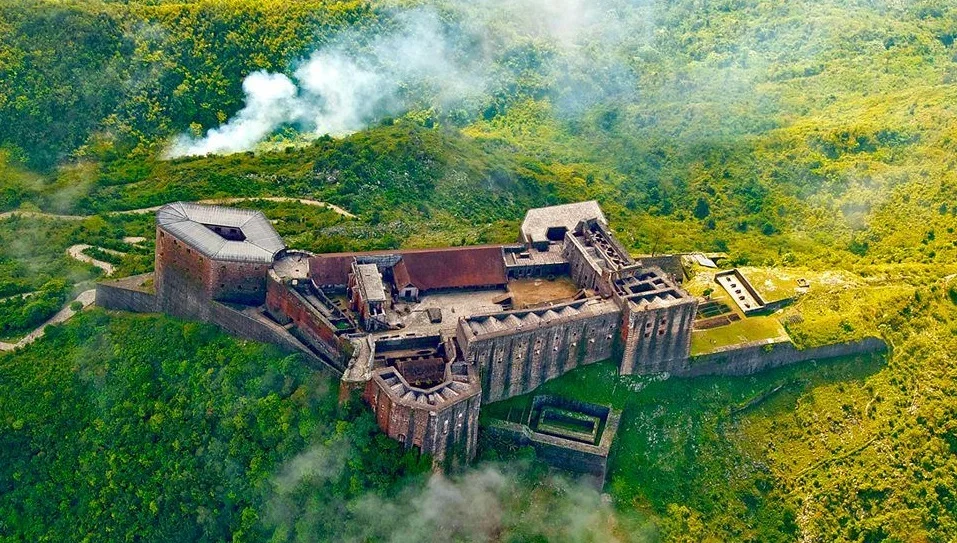
    Haïti has a rich historical heritage, including sites like the Citadelle Laferrière and the Sans-Souci Palace, listed as UNESCO World Heritage Sites.

    Culture

    Culture

    Haïti has a rich and diverse culture, influenced by African, European and indigenous elements. Haitian music, dance, art and cuisine are celebrated around the world.

    • +
      • Post