contact@haitiwonderland.com+509 36184317

Discover

Shopping Cart

Haiti, Between History, Culture and Natural Beauty: A Country to Discover

Haiti, Between History, Culture and Natural Beauty: A Country to Discover

Haïti is a country that never ceases to fascinate with its rich history, vibrant culture and breathtaking natural beauty. Although often overlooked, Haïti is full of treasures that deserve to be discovered. This unique Caribbean country, marked by centuries of history, a diverse culture and breathtaking landscapes, offers an unforgettable travel experience. Follow us to discover this jewel of the Haitian people.

Haïti
Haïti
Haïti

A History of Resistance and Independence

Haiti’s history is deeply marked by its struggle for independence, which made this country the first independent black republic in the world.

- The Haitian Revolution: In the 18th century, the slaves of Haiti, then the French colony of Saint-Domingue, rebelled against the oppressors, led by iconic figures such as Toussaint Louverture, Jean-Jacques Dessalines, and Henri Christophe. On January 1, 1804, Haïti declared its independence, ending centuries of slavery. It was a landmark victory not only for Haiti, but for oppressed peoples around the world.
- A Global Symbol: The Haitian Revolution inspired other liberation struggles around the world, particularly in Latin America, and made Haïti a global symbol of freedom and resistance.

Haiti’s history is more than just a chapter from the past: it is a legend of courage and hope that continues to inspire today.

Haïti
Haïti
Haïti

A Vibrant and Diverse Culture

Haitian culture is a unique fusion of African, European, and indigenous traditions, all enriched by a deep spirituality.

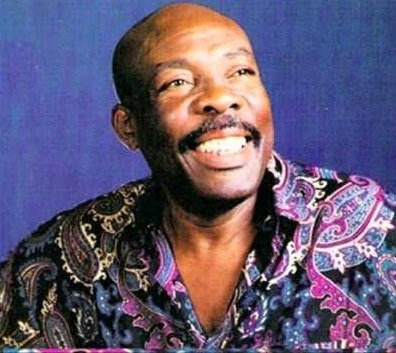
- Haitian Music: Music is at the heart of Haitian culture. Genres like compas, twoubadou, and rara tell stories of struggle, joy, and resistance. Haitian music is a way to tell the emotions and experiences of daily life, creating strong bonds between generations.
- Visual arts: Haïti is also known for its impressive art scene. Painters such as Philippe Dodard and Préféré Sondoz have helped to make the country known internationally. Haitian art, particularly naïve paintings and metal sculptures, illustrates the spiritual and social richness of the country.
- Traditions and festivals: Haïti celebrates unique festivals that reflect its cultural heritage. Independence Day on January 1, Flag Day on May 18, and Vodou celebrations are among the major events that unite Haitians in memory and tradition.

Haitian culture is a fascinating blend of ancestral traditions and contemporary innovations, making the country a must-see for travelers seeking authenticity.

Haïti
Haïti
Haïti

A breathtaking natural beauty

Beyond its history and culture, Haïti is a country of impressive landscapes, ranging from idyllic beaches to majestic mountains.

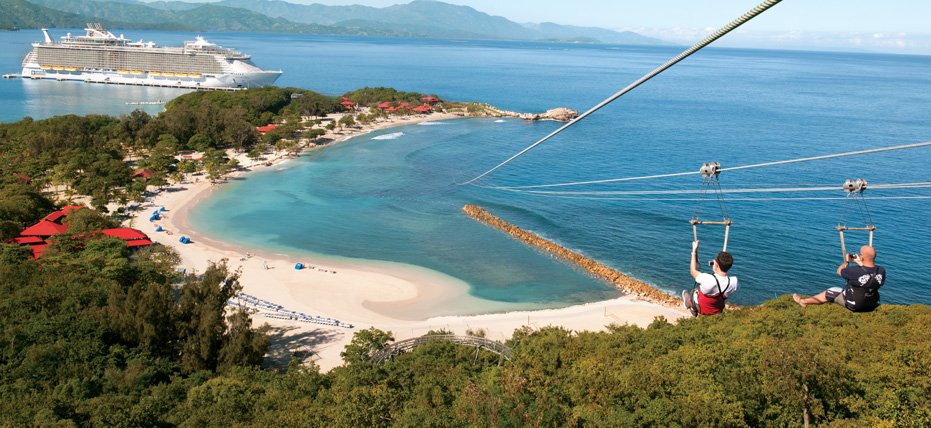
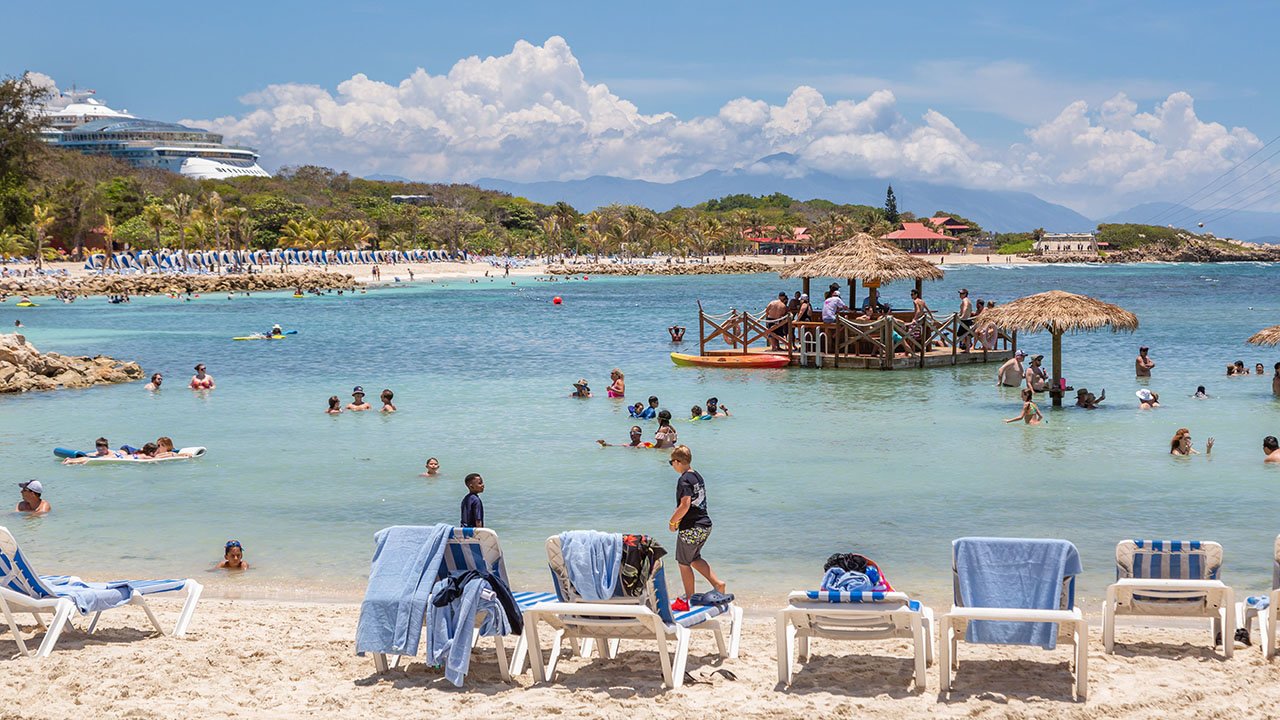
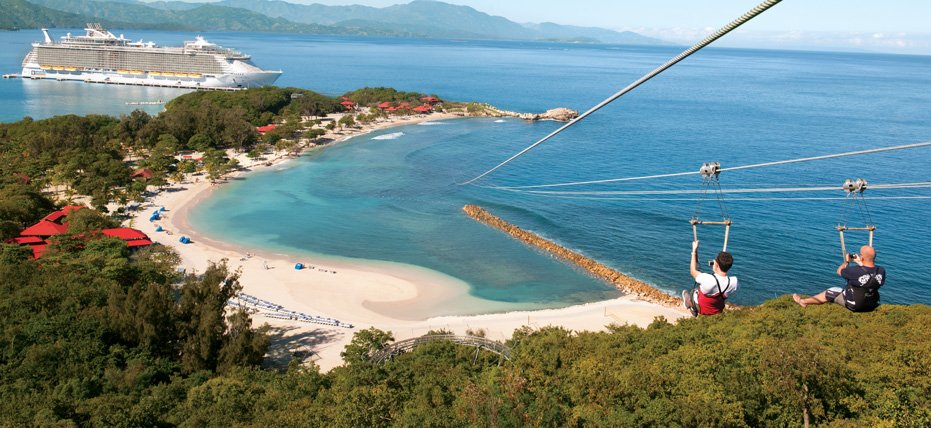
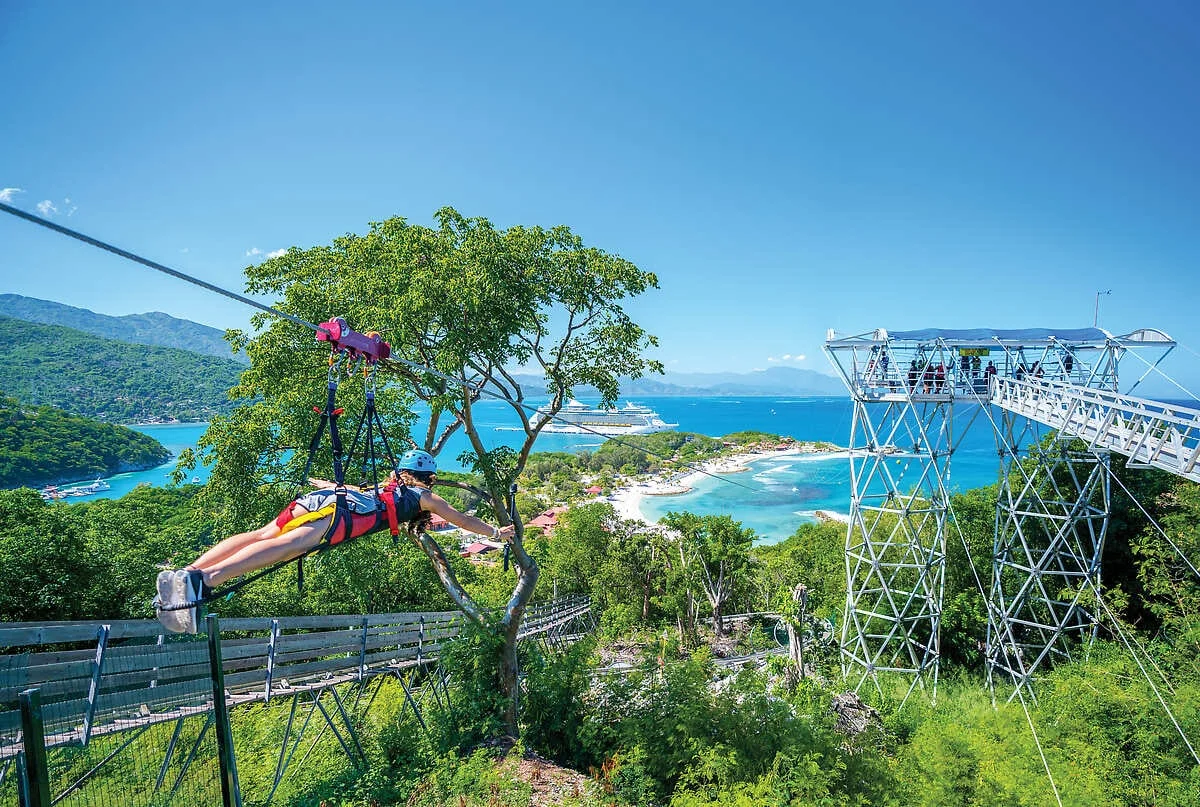
- The beaches: Haïti has some of the most beautiful beaches in the Caribbean. From the white sand beaches of Labadee, to the crystal clear waters of Jacmel and Côte des Arcadins, the country offers paradisiacal destinations for lovers of relaxation and adventure.
- The mountains: Haiti’s mountainous terrain is equally remarkable. With peaks like La Selle, the country is a paradise for hikers and nature lovers. The mountains offer spectacular panoramas and are an ideal place for those who wish to discover the wild beauty of the country.
- The natural parks: Haïti is home to several national parks and nature reserves, such as La Visite National Park, a haven of biodiversity where you can explore the local flora and fauna. Water basins like Bassin Bleu and Bassin Zim add to the magic of the country’s natural landscapes.

Haiti’s natural beauty is often overlooked, but it is undoubtedly one of the major attractions for those who want to discover an authentic and unspoiled side of the Caribbean.

Haïti
Haïti
Haïti

Haiti: a country to discover

Haïti is much more than a tourist destination. It is a journey through the history, culture, and natural beauty of a country that has overcome many challenges. Its people, warmth, and hospitality make each visit an unforgettable experience.

- A living heritage: By exploring Haiti, you are exploring a living heritage, carried by a people proud of their history and culture.
- A warm welcome: Haitians are renowned for their hospitality. They will make you discover their country with enthusiasm, sharing their traditions and national pride.

If you are looking for a destination that combines history, culture and spectacular landscapes, Haïti is a must-see. Discover this fascinating country and be seduced by all it has to offer.

Share
About the Author
Appolon Guy Alain
Appolon Guy Alain
Appolon Guy Alain

Full Stack Developer, Créatif, expérimenté, passionné des nouvelles technologies et de l’art.

See other articles from Appolon Guy Alain
Leave a comment

Recently Posted

Newsletter

Subscribe to our newsletter to stay informed of all our activities and news on Haiti.

Haiti: Carnival and Rara: Crossed Perspectives on Culture and Haitian Identity

In our tradition, carnival represents an essential cultural activity. Indeed, for the holding of it this year, the State had drawn from the public treasury not only a huge sum but also a strong concentration of law enforcement to ensure the protection and security of carnival-goers in the area. metropolitan. Despite numerous criticisms and concerns expressed by certain media on the one hand, then on the other hand by the democratic opposition. While it is true that in Port au Prince these concerns had had a no less valuable consequence on the progress of this festivity. It is no less true that this was the case in other provincial towns, as proof in the southeast department the authorities did not record anything as an element of accident or incident during the progress of the carnival unlike Port au Prince. Certainly, socio/economic problems are increasingly worrying, nevertheless what makes us what we are today, a free and independent people is none other than our exceptionality. This deeply expresses our intrinsic characteristic in relation to people. In fact, historically we are a people who laugh and cry, smile and irritate, dance and hit the system, sing and fight so well that "grenadya alaso sa ki mouri zafè ya yo" is the most emblematic song of the slaves for the conquest of our freedom. We do not intend to claim that those who expressed their disagreement with the carnival are showing a historical deficit. However, we leave in the shadows a fundamental question: why is carnival taken care of by the State while the rara is like an abandoned child? The rara is not only a simple cultural tradition but, above all, it is the heritage of our valiant warriors who bravely fought the French expeditionary army, the most powerful of the time. While, this mass cultural, she is still marginalized by state authorities. It is emphasized that social cohesion is the dead point of carnival. On the other hand, this is the strong point of rara. As proof, the Thursday of the Dead in our Voudouesque tradition which represents the opening ceremony for the rara bands is the blatant testimony of this social cohesion. And, in fact, there were circles of people who took divergent directions to attend the opening ceremony of their rara bands. For this opening ceremony the atmosphere was a taste of carnival in terms of color. On the side of Croix Hilaire, for the title champion Ratyèfè full force band, the color of his club was very diverse, a long dress of apricot yellow, mauve white, then white scarf. In terms of performance, this band had completely proven its champion skills thanks to its arsenal of musicians who were not in their testing phase. To tell the truth, they performed their note with surgical precision as a doctor-surgeon in his surgical procedure. The synchronization between the musicians, the instruments and then the fans form a whole and harmonize perfectly well. This band not only has the magic of words and verbs, it seems that they also have the magic to thrill even the most reluctant fans. Moreover, his performance for this dead Thursday was a challenge for his rivals this weekend to the extent that their performances were less good. On the symbol side of light, Grap Kenèp was the wonder of the Thursday evening of the dead. His club dressed in the appropriate color for this evening, purple scarf, purple jersey, then white “kolan”. In a symbolic way, this marriage of color represents Baron in Haitian Vodou. Without a doubt, it was the most beautiful symbolic representation of the evening. In terms of performance, returning from the cemetery we felt a very strong warmth of jubilation, elation, and playfulness for a completely balanced performance. As far as Chenn Tamarin is concerned, it was already 2 a.m. when our team met him, it was a less good performance than what we were accustomed to. On the symbolic side it leaves something to be desired. His news was that he had his own media. Petit-Goave/Culture and Society

Pap Jazz 2025, a Celebration of Haiti’s Great Musical Richness

On Sunday, April 6, 2025, the Karibe Convention Center in Juvenat transformed into a true cultural temple to close the 18th edition of the Port-au-Prince International Jazz Festival (PAPJAZZ). This year, the festival took place under the evocative theme "PAP JAZZ it UP", and it was held in three sites primarily located in the Pétion-Ville commune. The festival took place entirely at these wonderful musical venues: a reference was made to the Latin Quarter, the Haiti-Brazil Cultural Center, and the Karibe Hotel. Due to the deteriorating situation in downtown Port-au-Prince in recent times, the French Institute site had to be abandoned by the festival organizers. Nevertheless, we can absolutely call this 18th edition of Pap Jazz a success. Indeed, this festival, now a major event of the Haitian year, was especially marked this year by the great resilience and determination of the organizers who were able to adapt to the country’s rhythm in order to satisfy their loyal festival-goers. Despite the difficult context, these festival-goers did not miss the opportunity to escape their harsh daily lives through music. It’s also important to note that this 18th edition of Pap Jazz took place after two postponements, at the very beginning of this year, with the last one occurring in March due to insecurity. In this regard, it is appropriate to call the monumental achievement of the Haïti Jazz Foundation and their partners an exceptional feat, as they were not discouraged and showed remarkable tenacity, while adapting to offer Port-au-Prince and its surroundings this moment of growth, beyond the city’s great sorrow, through music.

Recently Posted

History

History

First black nation to free itself from slavery and gain independence from France in 1804 and influenced other liberation movements around the world, inspiring struggles for freedom and equality.

Natural beauty

Natural beauty

Haïti is blessed with spectacular natural landscapes, including white sand beaches, mountains and rich biodiversity.

Heritage

Heritage

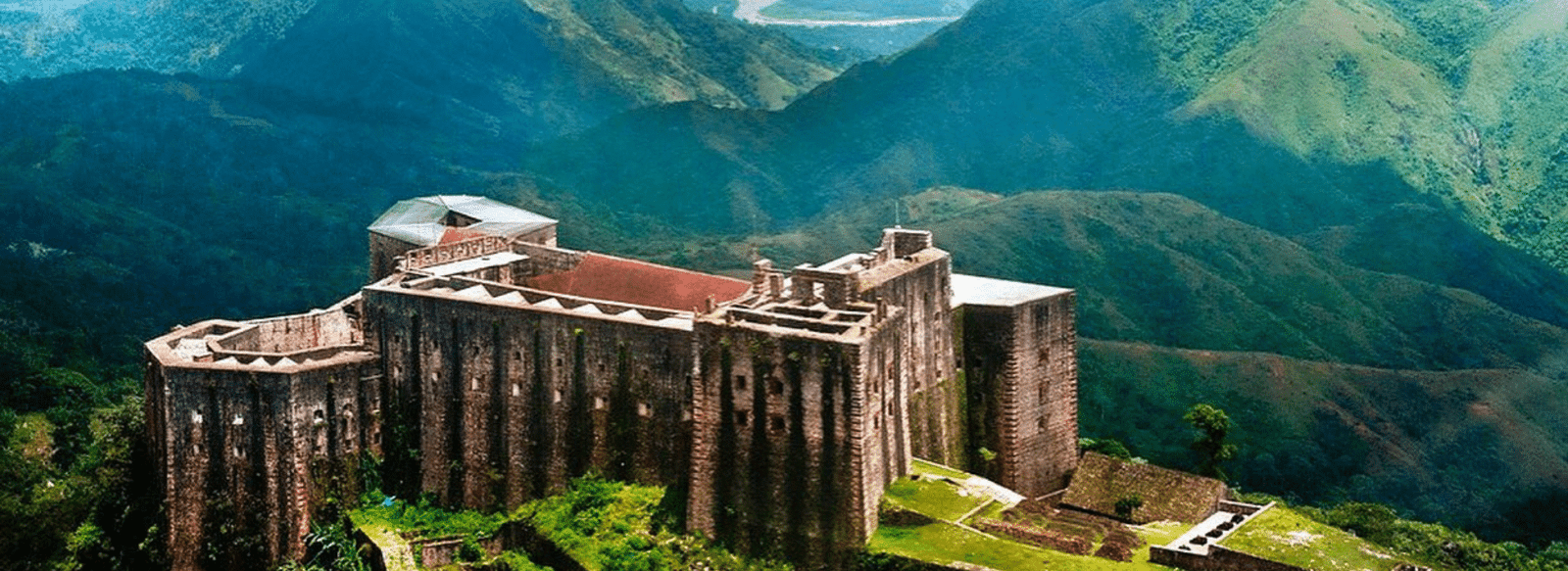
Haïti has a rich historical heritage, including sites like the Citadelle Laferrière and the Sans-Souci Palace, listed as UNESCO World Heritage Sites.

Culture

Culture

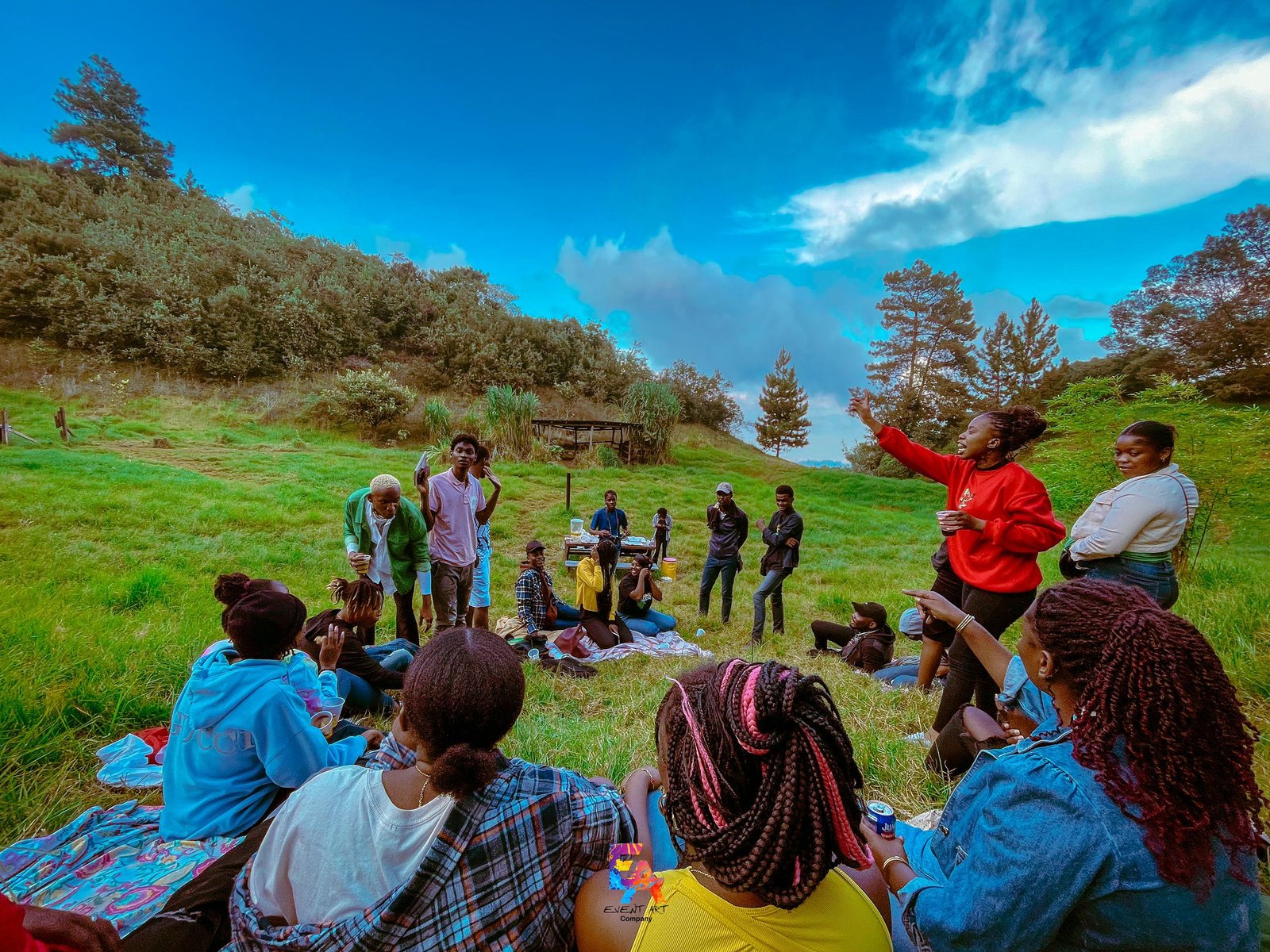
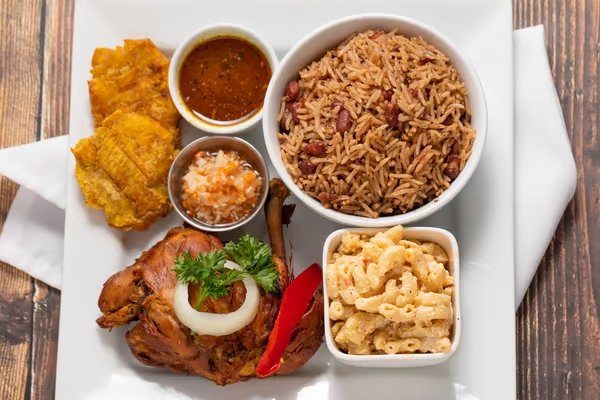
Haïti has a rich and diverse culture, influenced by African, European and indigenous elements. Haitian music, dance, art and cuisine are celebrated around the world.

  • +
    • Post