contact@haitiwonderland.com+509 36184317

Discover

Shopping Cart

It’s summer in Haiti!

It’s summer in Haiti!

Summer in Haiti, a vibrant and sunny time, is much more than just a season. It is a celebration of life, culture and nature in this Caribbean country. Let me take you on a journey through the different facets of the Haitian summer, where the sun shines brightly, music resonates and nature flourishes.

Read the article in :

French : C’est l’été en Haïti !

Spanish : ¡Es verano en Haití!

Creole : Se ete an Ayiti!

Reference page : It’s summer in Haiti!

Other version : C’est l’été en Haïti !

Haïti
Haïti
Haïti

Climate and Nature

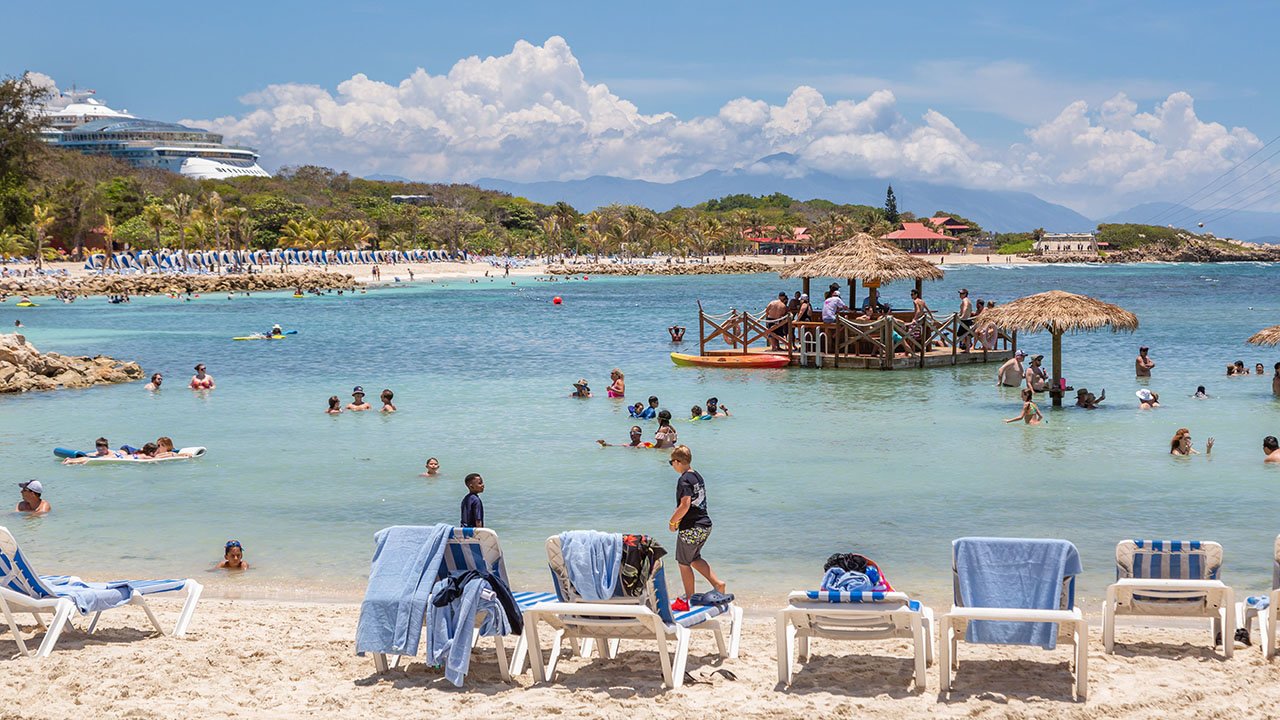
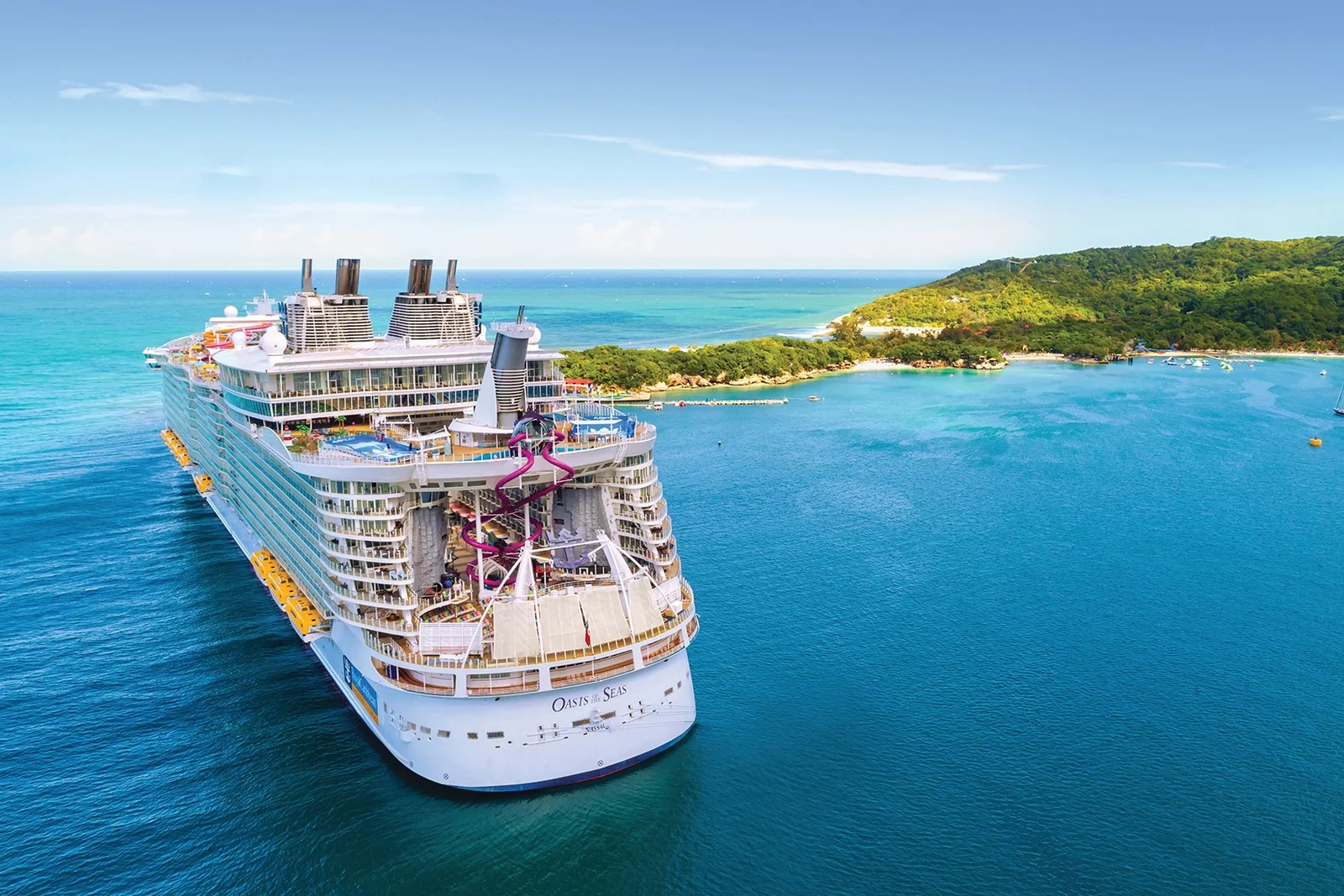
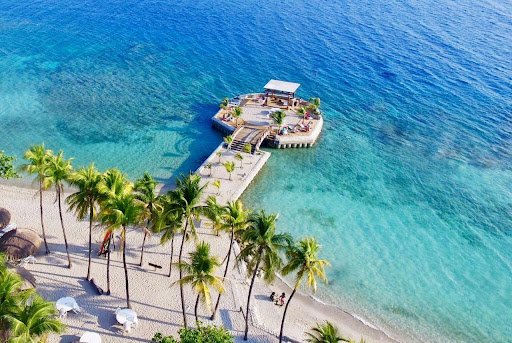
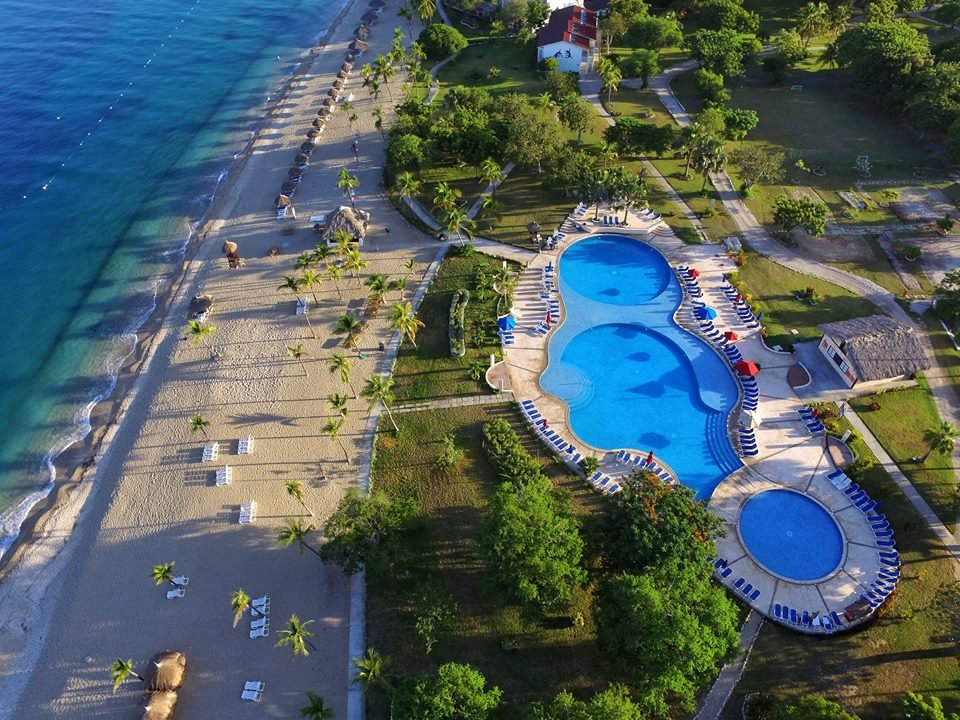
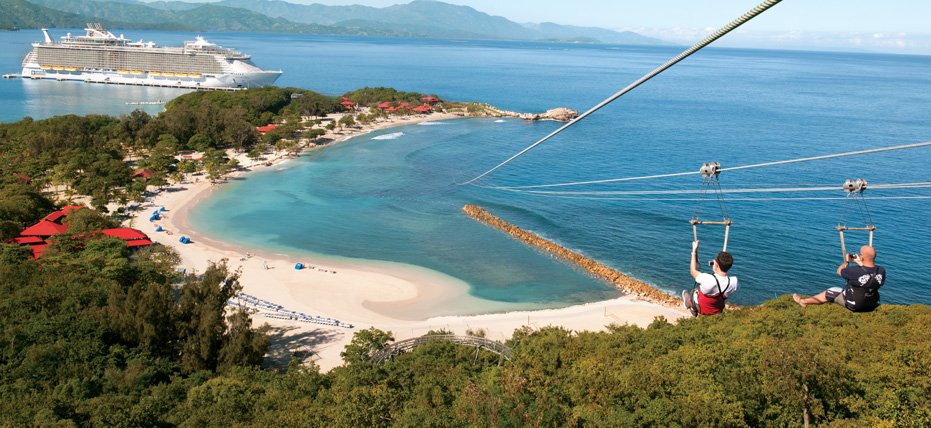
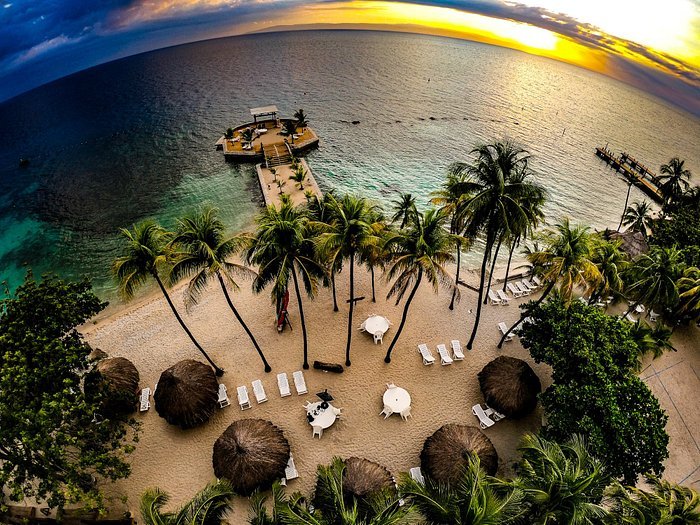
Summer in Haiti, which runs from June to August, is characterized by high temperatures, often around 30 degrees Celsius, and palpable humidity. The sun reigns supreme, offering long and bright days. Haiti’s beaches, such as Labadee, Cormier, Pointe sable, Raymond les Bains and Moulin Sur Mer, become paradises of white sand and turquoise waters, attracting locals and tourists seeking relaxation and aquatic fun.

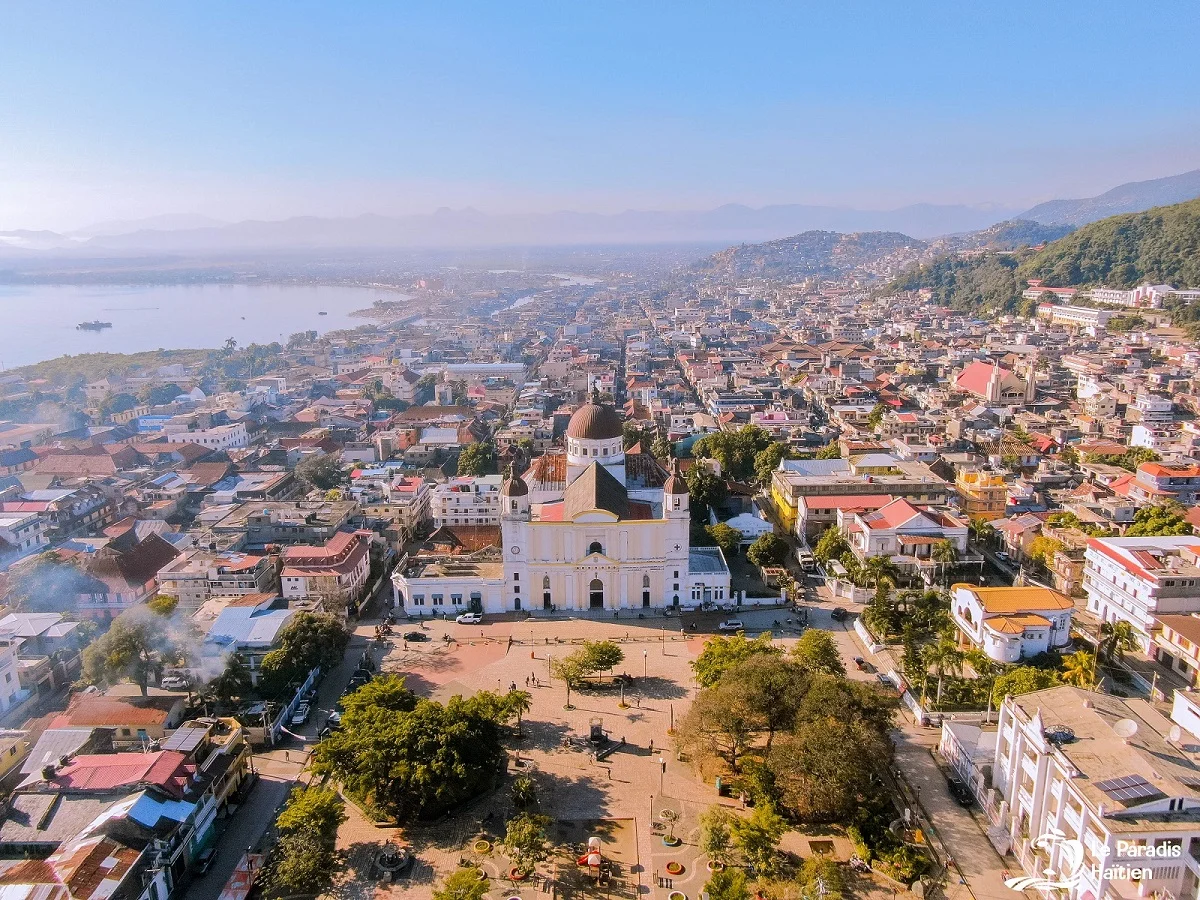
The north coast, spearhead of summer destinations, offers total immersion in a postcard setting. Cap-Haïtien, the undisputed queen of vacations, exudes the joy of living. On its fine sandy beaches, families and friends come together for wild games of beach soccer, deliciously refreshing baths or pure moments of relaxation, lulled by the sea breeze.

Further south, adventure lovers will be charmed by the steep hiking trails that crisscross the majestic mountains. An idyllic escape into the freshness of the undergrowth, interspersed with crystal-clear waterfalls where you can cool off.

The country’s lush green mountains and rainforests provide a refreshing contrast. Hikes through the winding trails of La Visite National Park or Massif de la Hotte reveal rich biodiversity and stunning landscapes, from hidden waterfalls to panoramic views.

Haïti
Haïti
Haïti

Culture and Festivities

Summer is also a time of festivities and cultural celebrations in Haiti. Breathtaking festivities await visitors, starting with the legendary SumFest. This unmissable event brings together the big names of the Haitian music scene for a weekend of pure madness, all bathed in an idyllic setting by the sea.

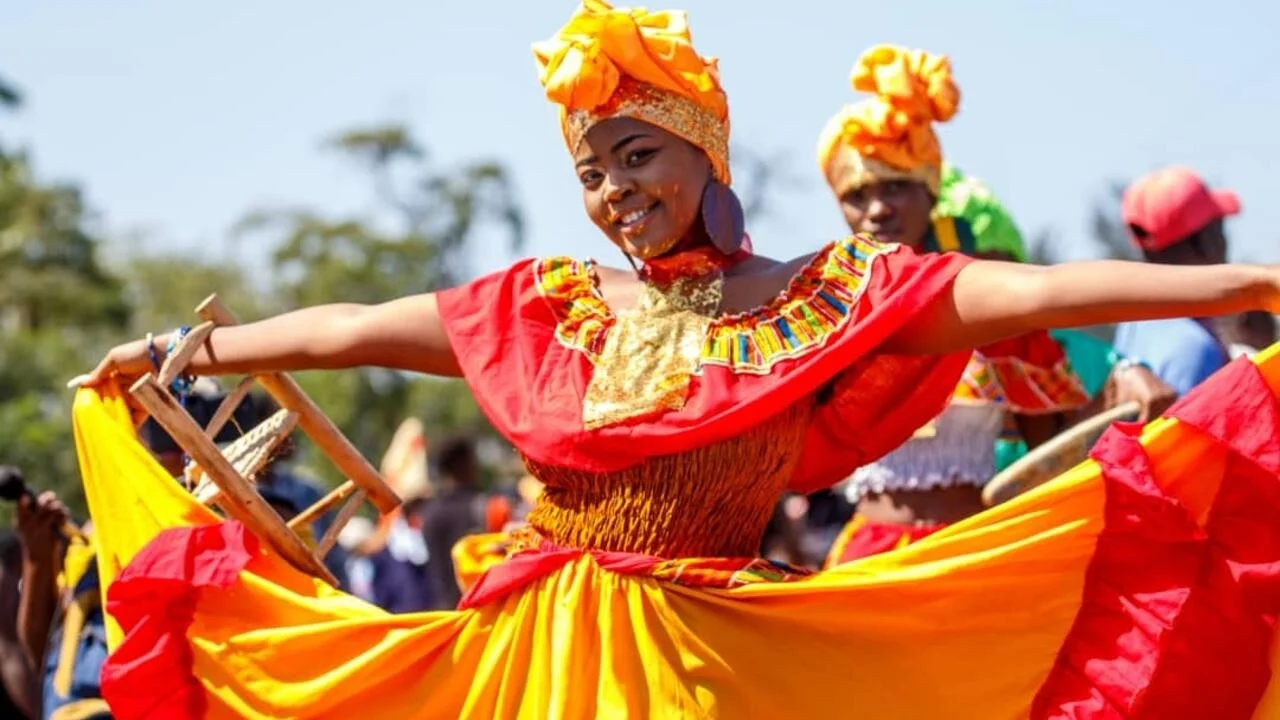
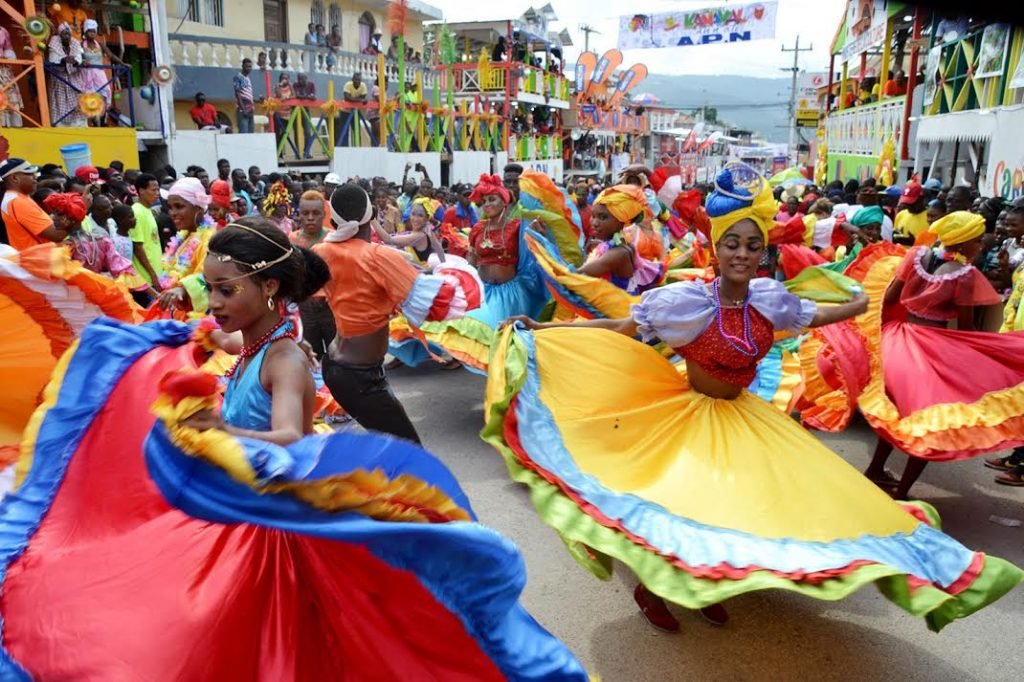
But the star attraction undoubtedly remains the Carnival of Flowers, generally celebrated in the bustling streets of Port-au-Prince. Inspired by the traditional carnival but adapted to the summer season, this thrilling event makes the capital vibrate with electrifying energy. Dancers, musicians and artists converge from the four corners of the country for a veritable surge of colors, intoxicating rhythms and contagious jubilation.

Music, the true soul of Haitian culture, resonates with increased intensity during the summer. Lively konpa, hypnotic rara and other traditional and contemporary genres invade the streets, beaches and clubs in a supercharged atmosphere. Music festivals, such as the prestigious Port-au-Prince International Jazz Festival, attract world-renowned artists and fans from all walks of life, eager to immerse themselves in this unique musical excitement.

Haïti
Haïti
Haïti

Gastronomy

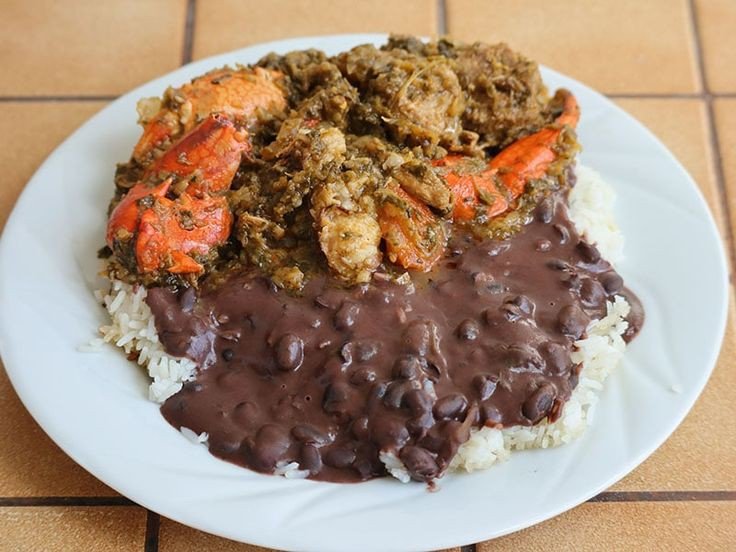
Summer is also a feast for the taste buds in Haiti. Local markets are full of seasonal tropical fruits like mangoes, papayas, avocados and passion fruit. Haitians enjoy traditional dishes such as griot (marinated and fried pork), acra and tassot. Refreshing drinks like sugarcane juice, iced papaya and Barbancourt rum are a must to quench thirst under the summer sun.

Haïti
Haïti
Haïti

Tradition and Spirituality

Summer is also a time of deep spirituality for many Haitians. On July 16, the feast of Our Lady of Mount Carmel is celebrated with fervor, particularly in Saut-d’Eau, a famous pilgrimage site. Thousands of worshipers gather to honor the Virgin Mary, participating in Vodou and Catholic rituals in a unique symbiosis of beliefs.

Summer in Haïti is a rich sensory and emotional experience. It is a season when the natural beauty of the country, the human warmth of its people and the depth of its culture are fully revealed. Whether you’re drawn to sunny beaches, lush green mountains, upbeat music, or spiritual traditions, Haïti in summer offers an unforgettable and enchanting trip.

Share
About the Author
Appolon Guy Alain
Appolon Guy Alain
Appolon Guy Alain

Full Stack Developer, Créatif, expérimenté, passionné des nouvelles technologies et de l’art.

See other articles from Appolon Guy Alain
Leave a comment

Recently Posted

Emeline Michel, in exceptional concert in Miami

St. Clement Parish celebrates its seventy years of service to God and the Haitian community, this November 23, 2024, at 2975 N. Andrews Ave., Wilton Manors, FL. On the occasion of this celebration, Emeline Michel will be in exceptional concert to mark this cultural event. On the menu of this program, the committee plans to organize evangelization sessions, continuing education, fields of ethics, morality and spirituality. This event will also emphasize faith, reason and culture to rebuild in unity the kingdom of God here below where "Charity unites us to God". With the aim of raising culture to its peak, the Archbishop of Miami is pleased to join us for a great Eucharistic celebration on Saturday, November 23, 2024, starting at 10 a.m. Together, they will mark this mythical date engraved in the memory of his faithful and friends. This evening will be hosted by the icon of Haitian music, Emeline Michel, who has made a name for herself in the Haitian cultural landscape: "We welcome the famous singer Emeline Michel. She will do us the honor of reliving important and unforgettable moments of our charming land of Haiti. With her melodious, very captivating voice and her poetic songs, all the beautiful memories will be there, like our beaches, the light breeze of our mornings and the flight of capricious birds," wrote the press release. The 58-year-old diva continues to establish herself as one of the unique, contagious voices of Haitian music. While remaining in her style, she has been able to create her musical universe during her career, which has allowed her to be honored in the community by her fans. Emeline Michel, with her sincere lyrics and unique style, has managed to reach a wide audience without giving up her authenticity. With her songs and her melodious voice, she has rocked several generations. Throughout her musical career, she has an enriching repertoire, about thirteen albums to her credit, we can cite a few: Douvanjou ka leve (1987); Flanm (1989); Pa gen manti nan sa (1990); Rhum et Flamme (1993); Tout mon temps (1991); Emeline Michel, the very best (1994); Ban m pase (1996); Coedes and Soul (2001); Rasin Kreyòl (2004); Queen of Hearts (2007); Quintessence and lastly Gratitude (2015). She also has many collaborations with other artists. Chanjman and Jan mwen (2020, and 2021) Emeline Michel, 40 years of experience on stage, she carries all Haïti in her voice, her soul and her body. During her flourishing years of success, she has marked several continents where she has already performed (Antilles, America, Europe, Asia). This allowed her to discover several places, such as: Carnegie Hall, at the United Nations; the Teatro Manzoni in Milan; the Kravis Center in Florida; the International Jazz Festival (Haiti). Then, the Luminato Festival in Ontario; the International Jazz of Montreal; the New Orleans Jazz Fest; the Ten Days On The Island. The priest of the parish of St. Clement, Rev. Patrick Charles, took the opportunity to extend a warm invitation to the community to come celebrate this great day marking its seventieth anniversary and to entertain in order to once again highlight Haitian culture.

Haiti: Carnival and Rara: Crossed Perspectives on Culture and Haitian Identity

In our tradition, carnival represents an essential cultural activity. Indeed, for the holding of it this year, the State had drawn from the public treasury not only a huge sum but also a strong concentration of law enforcement to ensure the protection and security of carnival-goers in the area. metropolitan. Despite numerous criticisms and concerns expressed by certain media on the one hand, then on the other hand by the democratic opposition. While it is true that in Port au Prince these concerns had had a no less valuable consequence on the progress of this festivity. It is no less true that this was the case in other provincial towns, as proof in the southeast department the authorities did not record anything as an element of accident or incident during the progress of the carnival unlike Port au Prince. Certainly, socio/economic problems are increasingly worrying, nevertheless what makes us what we are today, a free and independent people is none other than our exceptionality. This deeply expresses our intrinsic characteristic in relation to people. In fact, historically we are a people who laugh and cry, smile and irritate, dance and hit the system, sing and fight so well that "grenadya alaso sa ki mouri zafè ya yo" is the most emblematic song of the slaves for the conquest of our freedom. We do not intend to claim that those who expressed their disagreement with the carnival are showing a historical deficit. However, we leave in the shadows a fundamental question: why is carnival taken care of by the State while the rara is like an abandoned child? The rara is not only a simple cultural tradition but, above all, it is the heritage of our valiant warriors who bravely fought the French expeditionary army, the most powerful of the time. While, this mass cultural, she is still marginalized by state authorities. It is emphasized that social cohesion is the dead point of carnival. On the other hand, this is the strong point of rara. As proof, the Thursday of the Dead in our Voudouesque tradition which represents the opening ceremony for the rara bands is the blatant testimony of this social cohesion. And, in fact, there were circles of people who took divergent directions to attend the opening ceremony of their rara bands. For this opening ceremony the atmosphere was a taste of carnival in terms of color. On the side of Croix Hilaire, for the title champion Ratyèfè full force band, the color of his club was very diverse, a long dress of apricot yellow, mauve white, then white scarf. In terms of performance, this band had completely proven its champion skills thanks to its arsenal of musicians who were not in their testing phase. To tell the truth, they performed their note with surgical precision as a doctor-surgeon in his surgical procedure. The synchronization between the musicians, the instruments and then the fans form a whole and harmonize perfectly well. This band not only has the magic of words and verbs, it seems that they also have the magic to thrill even the most reluctant fans. Moreover, his performance for this dead Thursday was a challenge for his rivals this weekend to the extent that their performances were less good. On the symbol side of light, Grap Kenèp was the wonder of the Thursday evening of the dead. His club dressed in the appropriate color for this evening, purple scarf, purple jersey, then white “kolan”. In a symbolic way, this marriage of color represents Baron in Haitian Vodou. Without a doubt, it was the most beautiful symbolic representation of the evening. In terms of performance, returning from the cemetery we felt a very strong warmth of jubilation, elation, and playfulness for a completely balanced performance. As far as Chenn Tamarin is concerned, it was already 2 a.m. when our team met him, it was a less good performance than what we were accustomed to. On the symbolic side it leaves something to be desired. His news was that he had his own media. Petit-Goave/Culture and Society

Newsletter

Subscribe to our newsletter to stay informed of all our activities and news on Haiti.

Recently Posted

History

History

First black nation to free itself from slavery and gain independence from France in 1804 and influenced other liberation movements around the world, inspiring struggles for freedom and equality.

Natural beauty

Natural beauty

Haïti is blessed with spectacular natural landscapes, including white sand beaches, mountains and rich biodiversity.

Heritage

Heritage

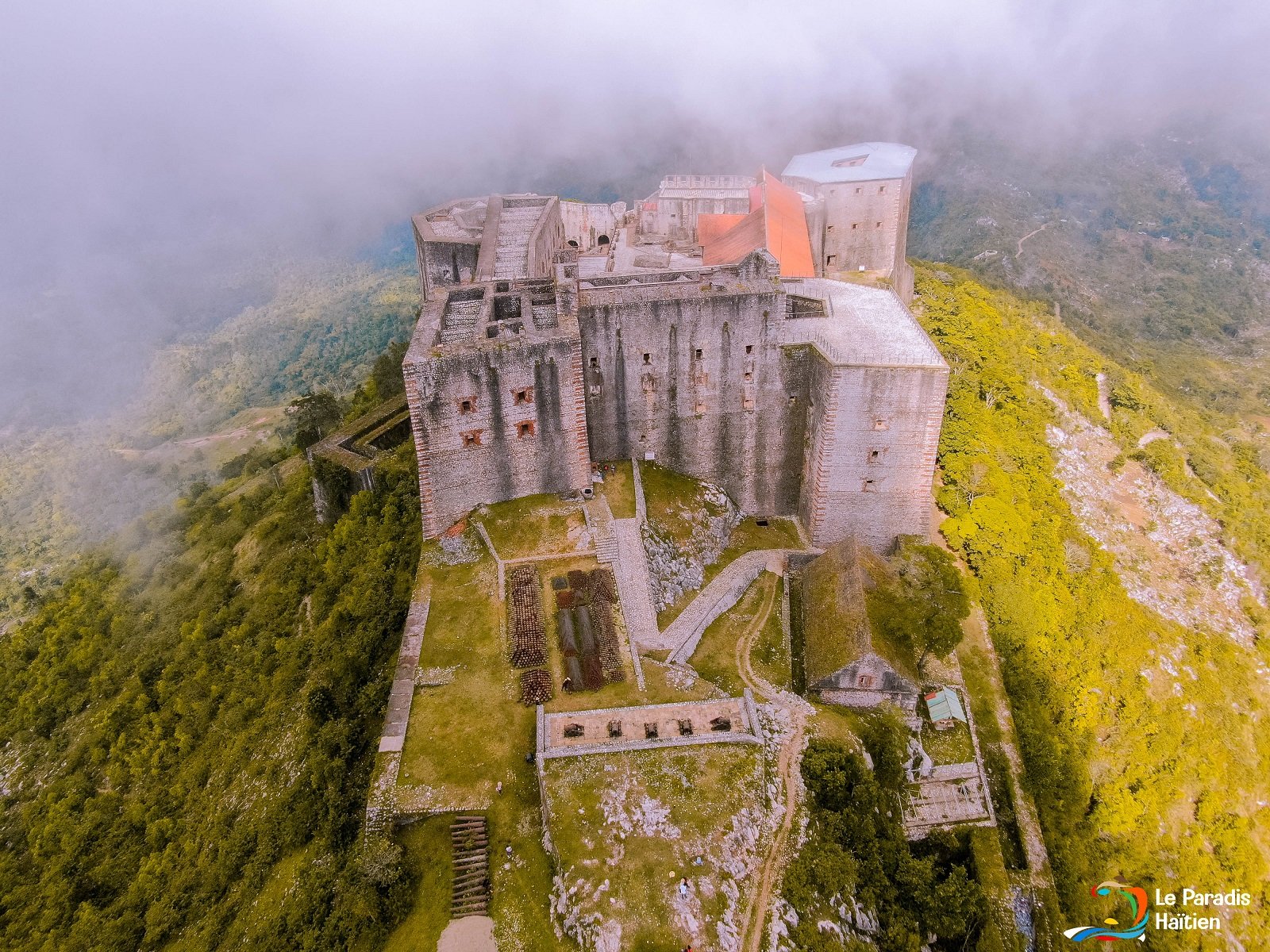
Haïti has a rich historical heritage, including sites like the Citadelle Laferrière and the Sans-Souci Palace, listed as UNESCO World Heritage Sites.

Culture

Culture

Haïti has a rich and diverse culture, influenced by African, European and indigenous elements. Haitian music, dance, art and cuisine are celebrated around the world.

  • +
    • Post