Haiti, Between History, Culture and Natural Beauty: A Country to Discover
Haïti is a country that never ceases to fascinate with its rich history, vibrant culture and breathtaking natural beauty. Although often overlooked, Haïti is full of treasures that deserve to be discovered. This unique Caribbean country, marked by centuries of history, a diverse culture and breathtaking landscapes, offers an unforgettable travel experience. Follow us to discover this jewel of the Haitian people.
Haiti’s history is deeply marked by its struggle for independence, which made this country the first independent black republic in the world.
- The Haitian Revolution: In the 18th century, the slaves of Haiti, then the French colony of Saint-Domingue, rebelled against the oppressors, led by iconic figures such as Toussaint Louverture, Jean-Jacques Dessalines, and Henri Christophe. On January 1, 1804, Haïti declared its independence, ending centuries of slavery. It was a landmark victory not only for Haiti, but for oppressed peoples around the world.
- A Global Symbol: The Haitian Revolution inspired other liberation struggles around the world, particularly in Latin America, and made Haïti a global symbol of freedom and resistance.
Haiti’s history is more than just a chapter from the past: it is a legend of courage and hope that continues to inspire today.
Haitian culture is a unique fusion of African, European, and indigenous traditions, all enriched by a deep spirituality.
- Haitian Music: Music is at the heart of Haitian culture. Genres like compas, twoubadou, and rara tell stories of struggle, joy, and resistance. Haitian music is a way to tell the emotions and experiences of daily life, creating strong bonds between generations.
- Visual arts: Haïti is also known for its impressive art scene. Painters such as Philippe Dodard and Préféré Sondoz have helped to make the country known internationally. Haitian art, particularly naïve paintings and metal sculptures, illustrates the spiritual and social richness of the country.
- Traditions and festivals: Haïti celebrates unique festivals that reflect its cultural heritage. Independence Day on January 1, Flag Day on May 18, and Vodou celebrations are among the major events that unite Haitians in memory and tradition.
Haitian culture is a fascinating blend of ancestral traditions and contemporary innovations, making the country a must-see for travelers seeking authenticity.
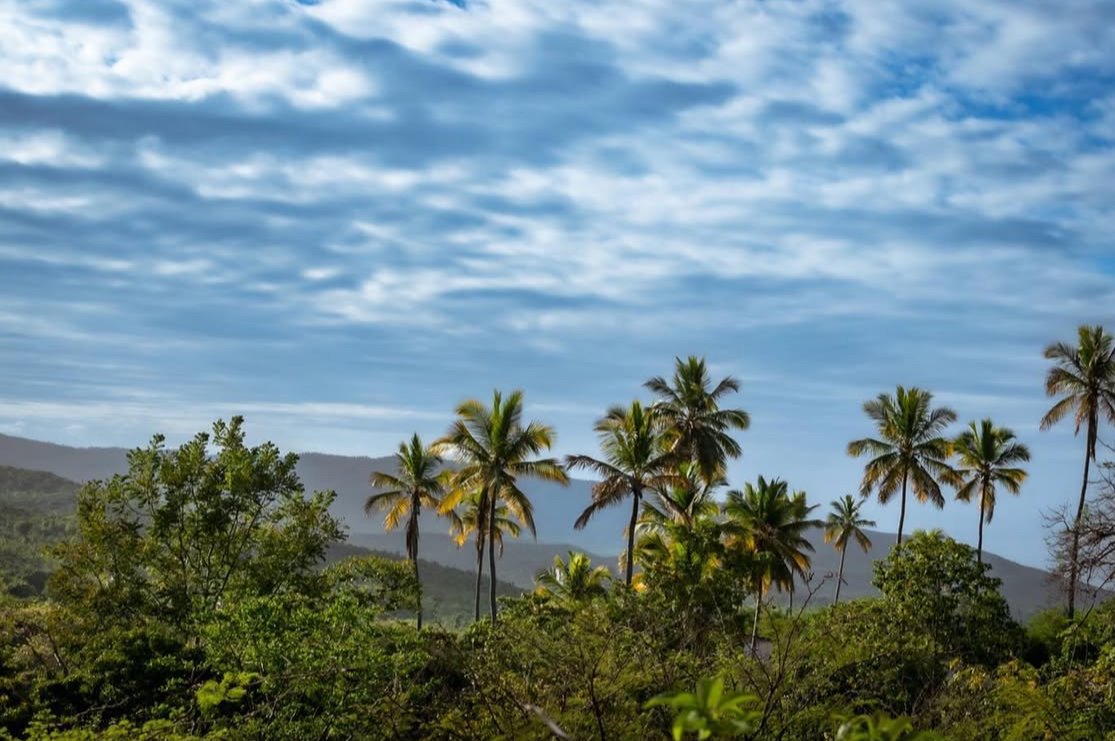
Beyond its history and culture, Haïti is a country of impressive landscapes, ranging from idyllic beaches to majestic mountains.
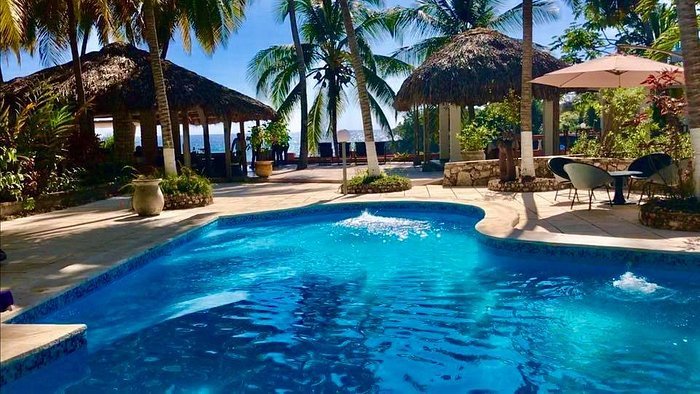
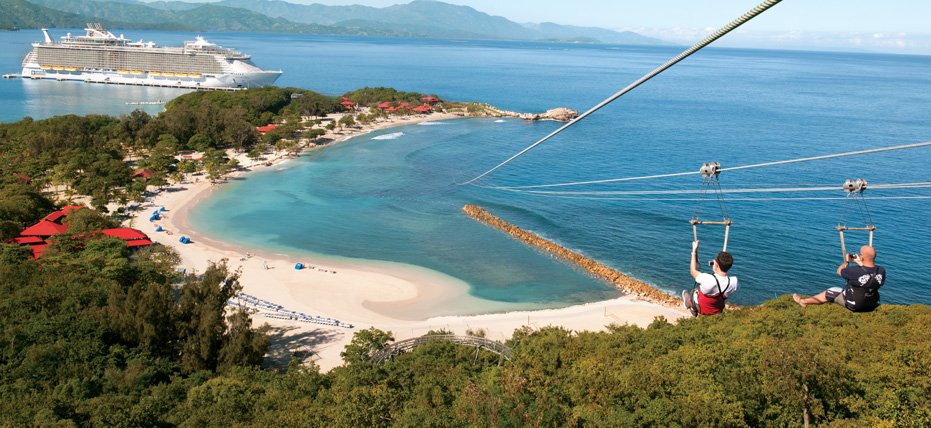
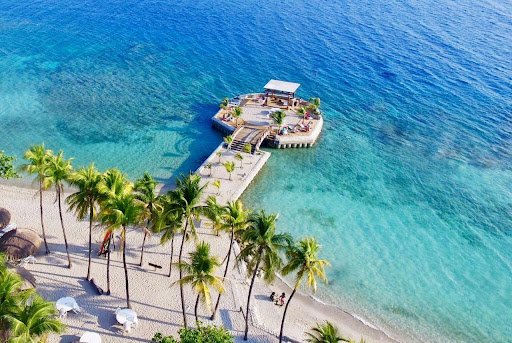
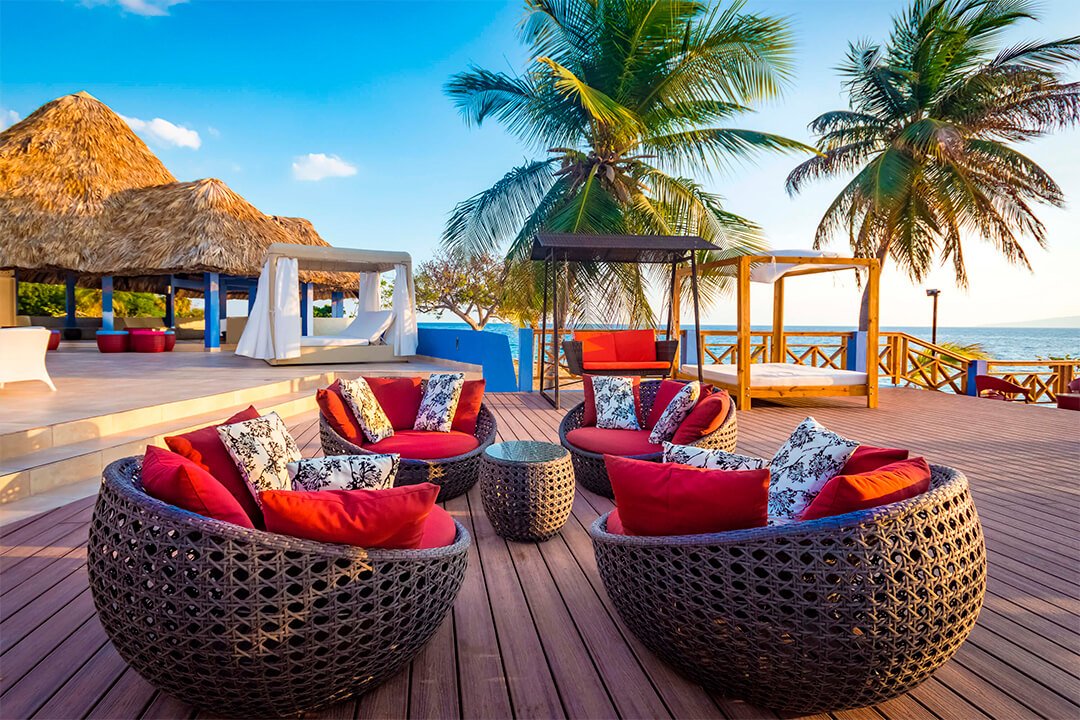
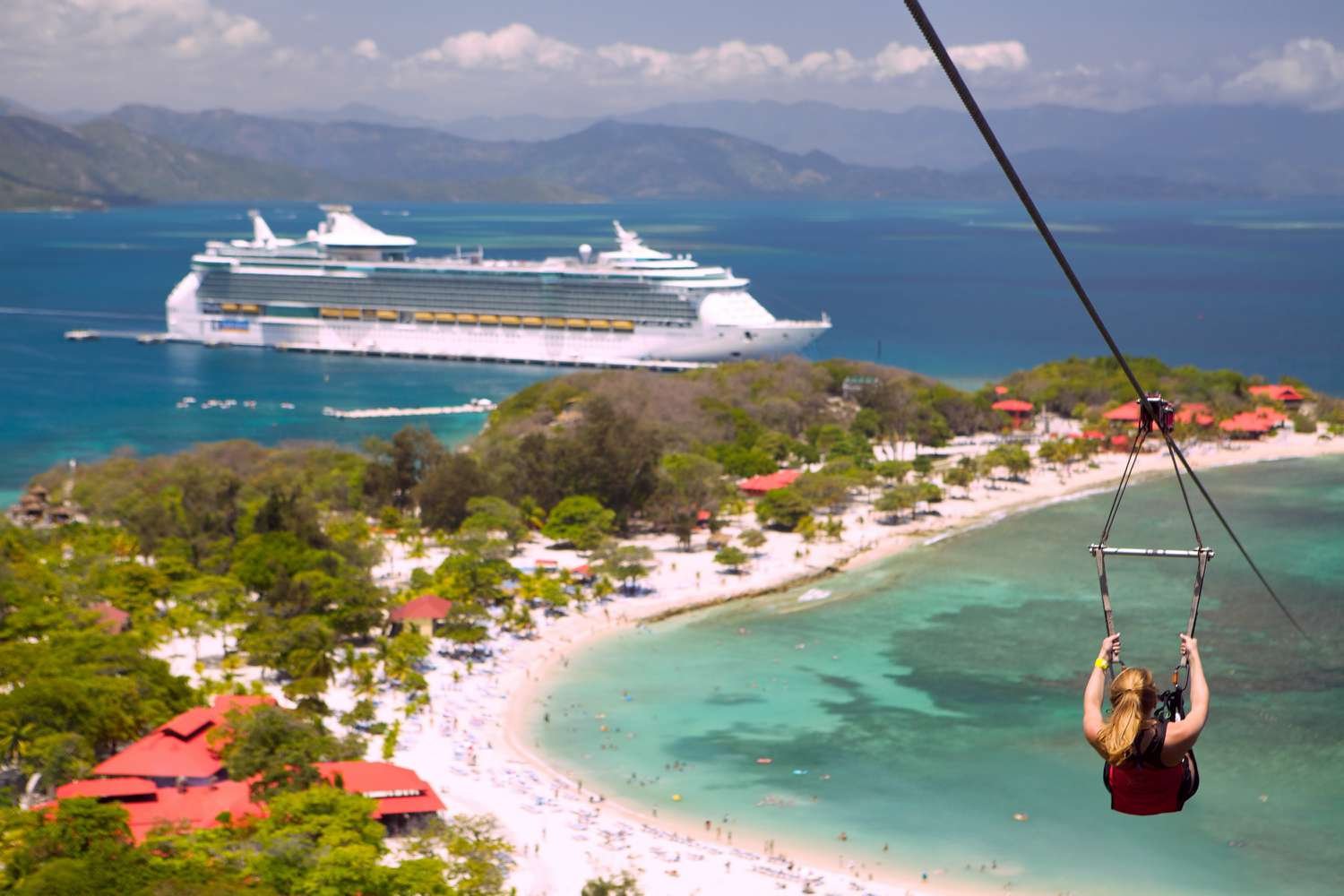
- The beaches: Haïti has some of the most beautiful beaches in the Caribbean. From the white sand beaches of Labadee, to the crystal clear waters of Jacmel and Côte des Arcadins, the country offers paradisiacal destinations for lovers of relaxation and adventure.
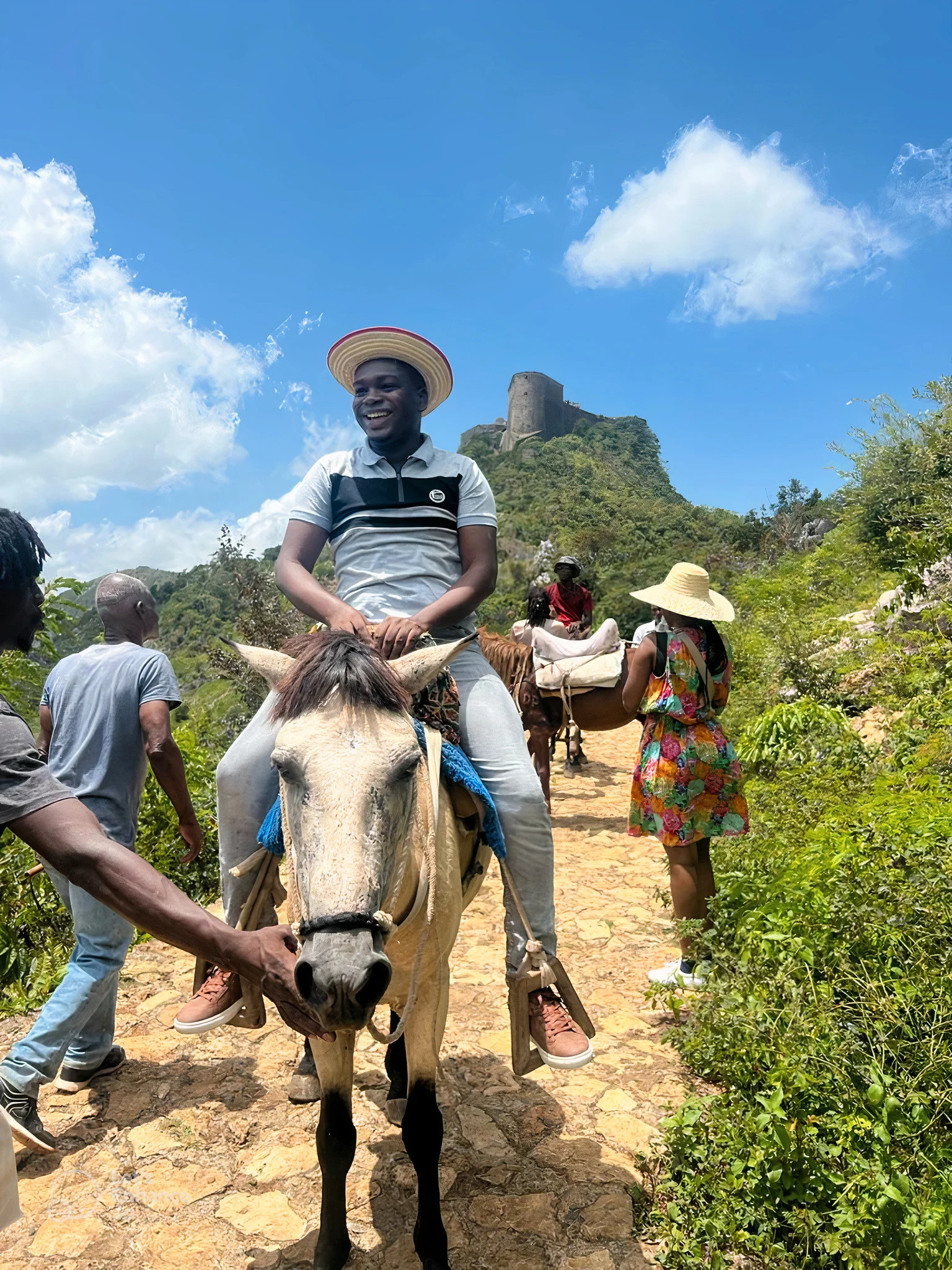
- The mountains: Haiti’s mountainous terrain is equally remarkable. With peaks like La Selle, the country is a paradise for hikers and nature lovers. The mountains offer spectacular panoramas and are an ideal place for those who wish to discover the wild beauty of the country.
- The natural parks: Haïti is home to several national parks and nature reserves, such as La Visite National Park, a haven of biodiversity where you can explore the local flora and fauna. Water basins like Bassin Bleu and Bassin Zim add to the magic of the country’s natural landscapes.
Haiti’s natural beauty is often overlooked, but it is undoubtedly one of the major attractions for those who want to discover an authentic and unspoiled side of the Caribbean.
Haïti is much more than a tourist destination. It is a journey through the history, culture, and natural beauty of a country that has overcome many challenges. Its people, warmth, and hospitality make each visit an unforgettable experience.
- A living heritage: By exploring Haiti, you are exploring a living heritage, carried by a people proud of their history and culture.
- A warm welcome: Haitians are renowned for their hospitality. They will make you discover their country with enthusiasm, sharing their traditions and national pride.
If you are looking for a destination that combines history, culture and spectacular landscapes, Haïti is a must-see. Discover this fascinating country and be seduced by all it has to offer.
Share
About the Author
Appolon Guy Alain
Appolon Guy Alain
Full Stack Developer, Créatif, expérimenté, passionné des nouvelles technologies et de l’art.
First black nation to free itself from slavery and gain independence from France in 1804 and influenced other liberation movements around the world, inspiring struggles for freedom and equality.
Natural beauty
Haïti is blessed with spectacular natural landscapes, including white sand beaches, mountains and rich biodiversity.
Heritage
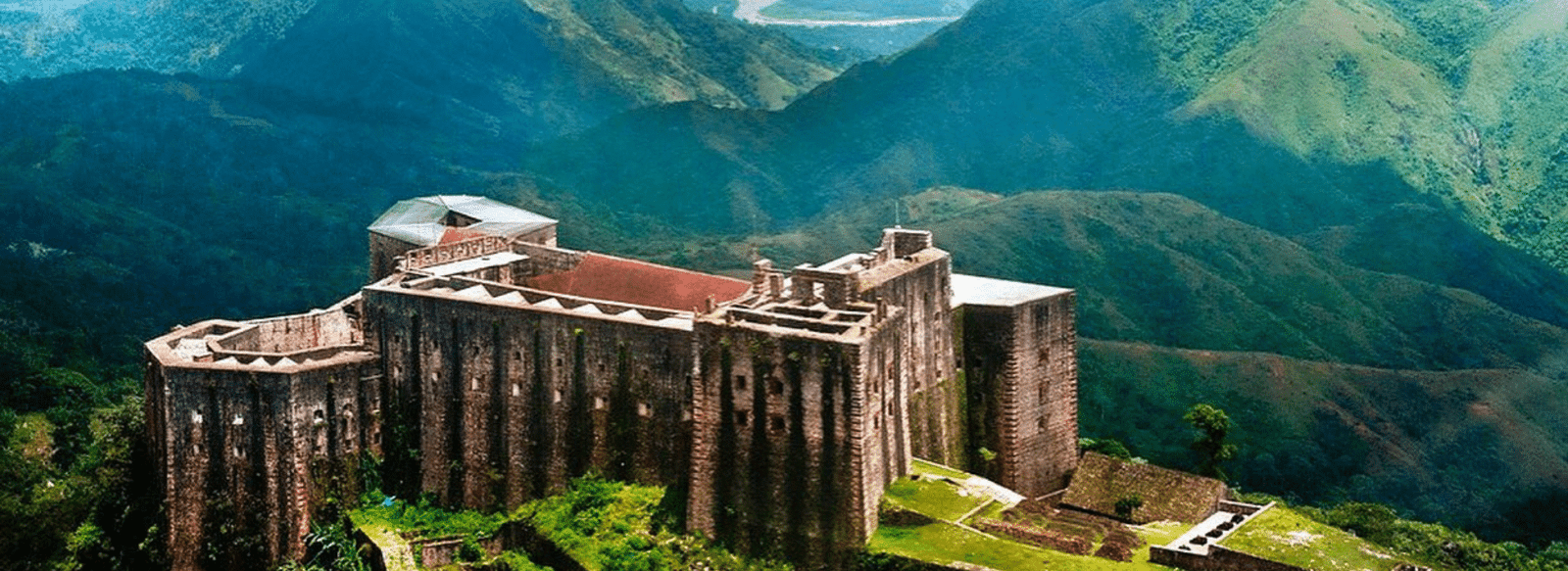
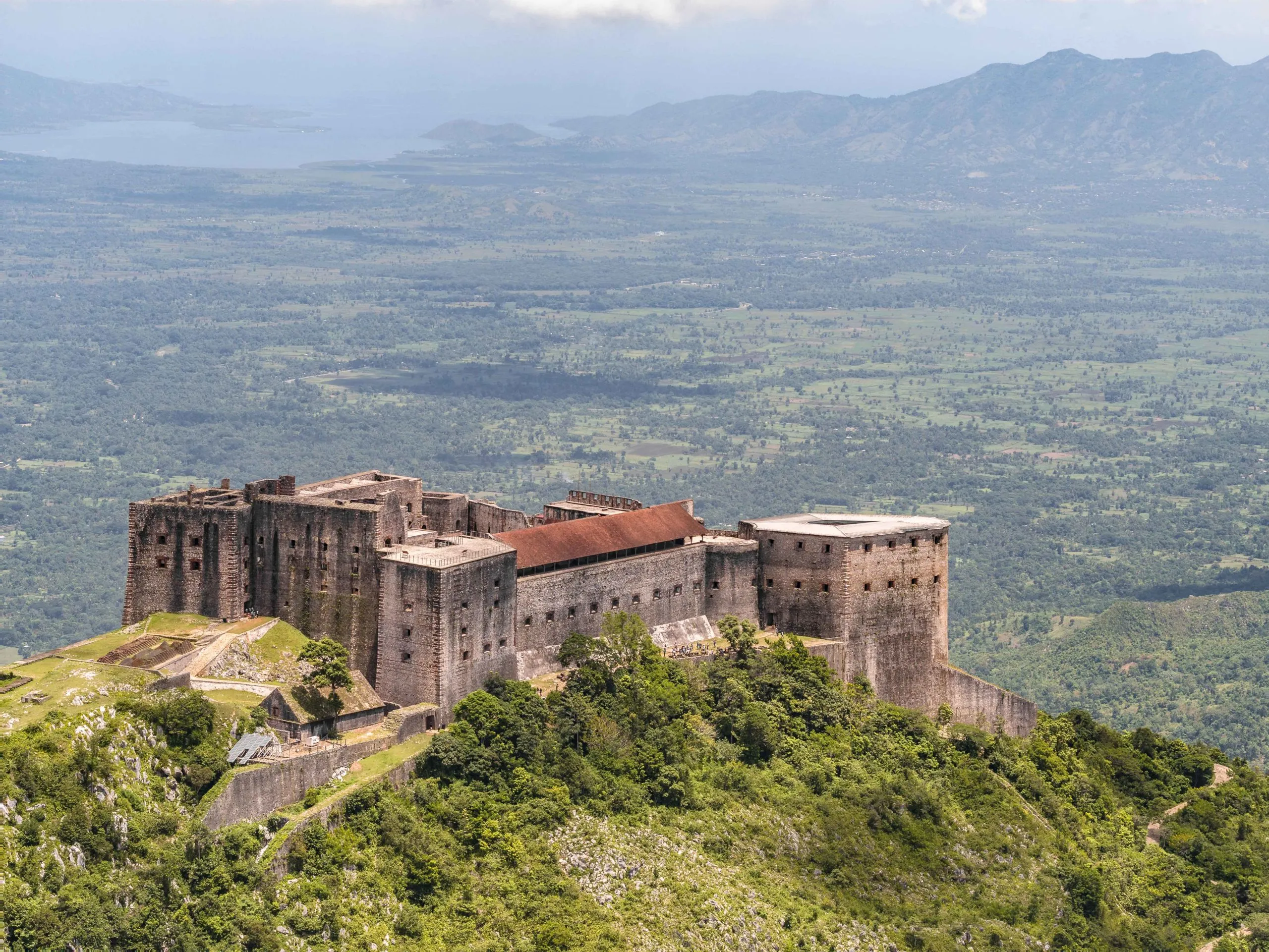
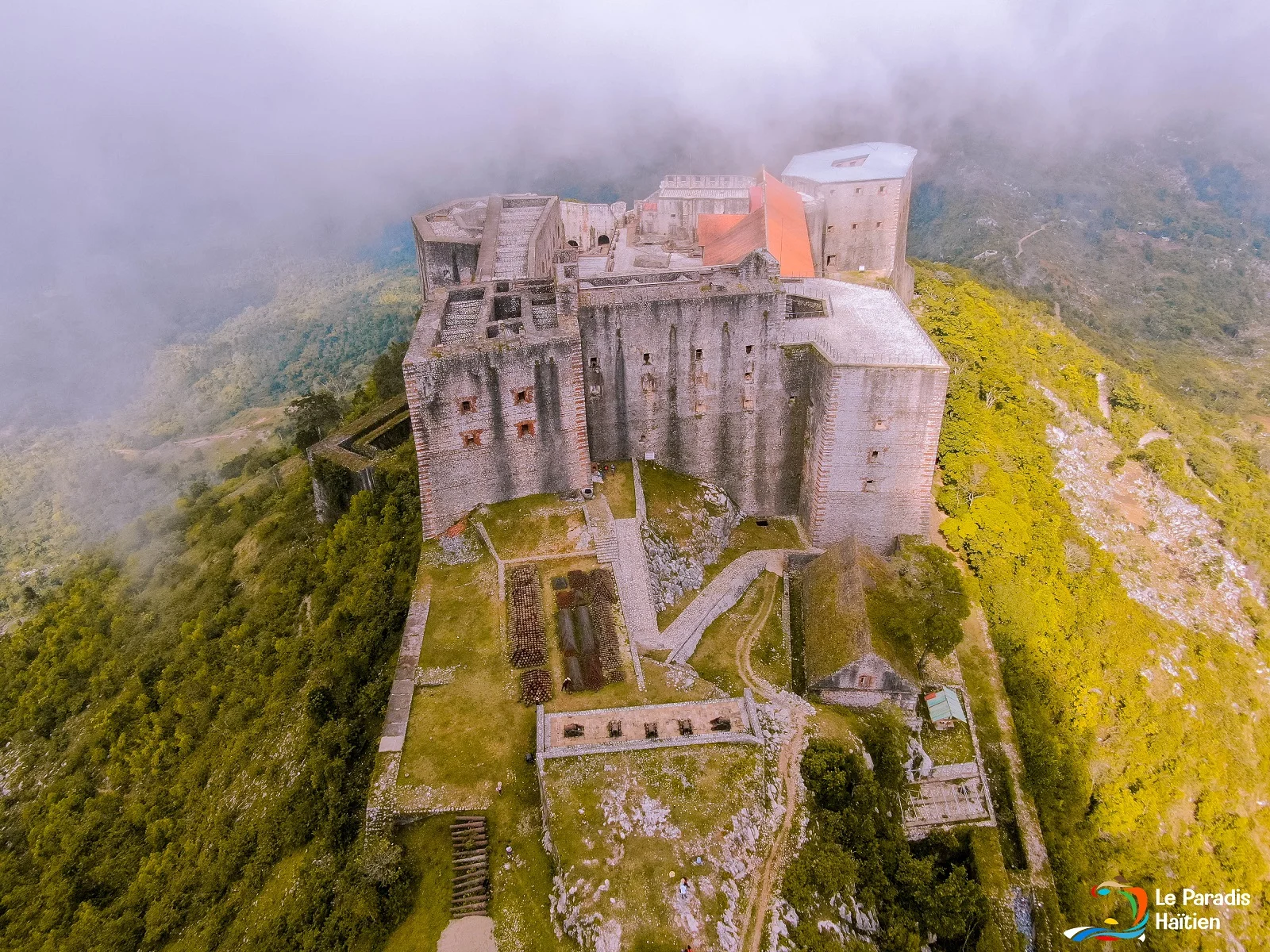
Haïti has a rich historical heritage, including sites like the Citadelle Laferrière and the Sans-Souci Palace, listed as UNESCO World Heritage Sites.
Culture
Haïti has a rich and diverse culture, influenced by African, European and indigenous elements. Haitian music, dance, art and cuisine are celebrated around the world.