contact@haitiwonderland.com+509 36184317

Discover

Shopping Cart

Haiti, Jewel of the Caribbean with an Idyllic Climate

Haiti, Jewel of the Caribbean with an Idyllic Climate

Nestled in the heart of the Caribbean Sea, Haïti is known not only for its rich cultural and historical heritage, but also for its pleasant tropical climate which makes it a popular destination for tourists and nature lovers. Located in the Greater Antilles, Haïti shares the island of Hispaniola with the Dominican Republic and benefits from a climate that profoundly influences daily life, the economy and the biodiversity of the country.

Haïti
Haïti
Haïti

An Ideal Climate Environment

Haiti’s tropical climate is characterized by warm temperatures throughout the year, with an average oscillating between 25°C and 30°C. The dry season, which runs from November to March, offers sunny days and cool nights, creating perfect conditions for outdoor activities such as hiking, scuba diving and cultural excursions.

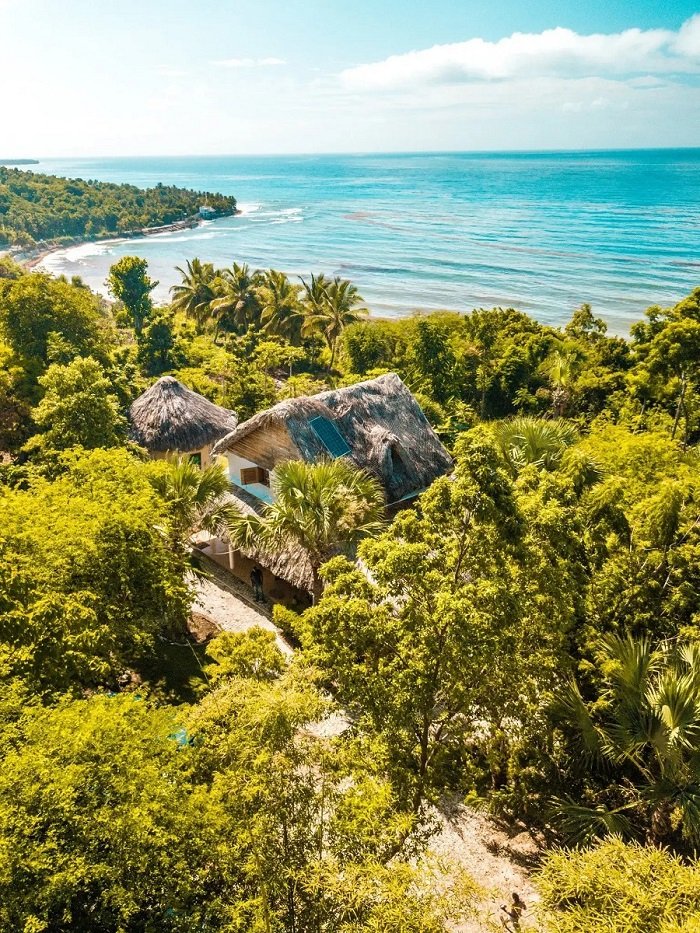
The rainy season, on the other hand, extends from April to October, bringing intermittent showers that cool the atmosphere and nourish the lush vegetation. These rains, although sometimes intense, are often short-lived and quickly give way to clear skies. It is during this period that Haiti’s nature is at its peak, with lush green landscapes and waterfalls in full glory.

Haïti
Haïti
Haïti

A Paradise for Tourists

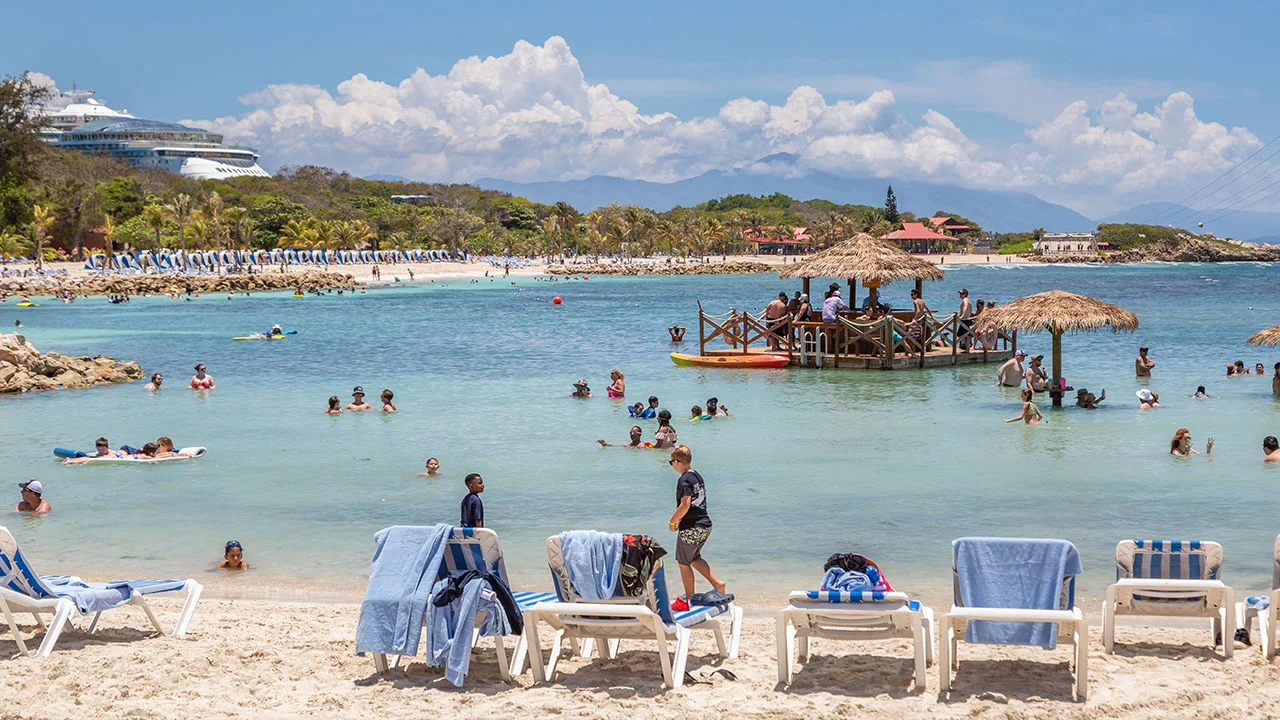
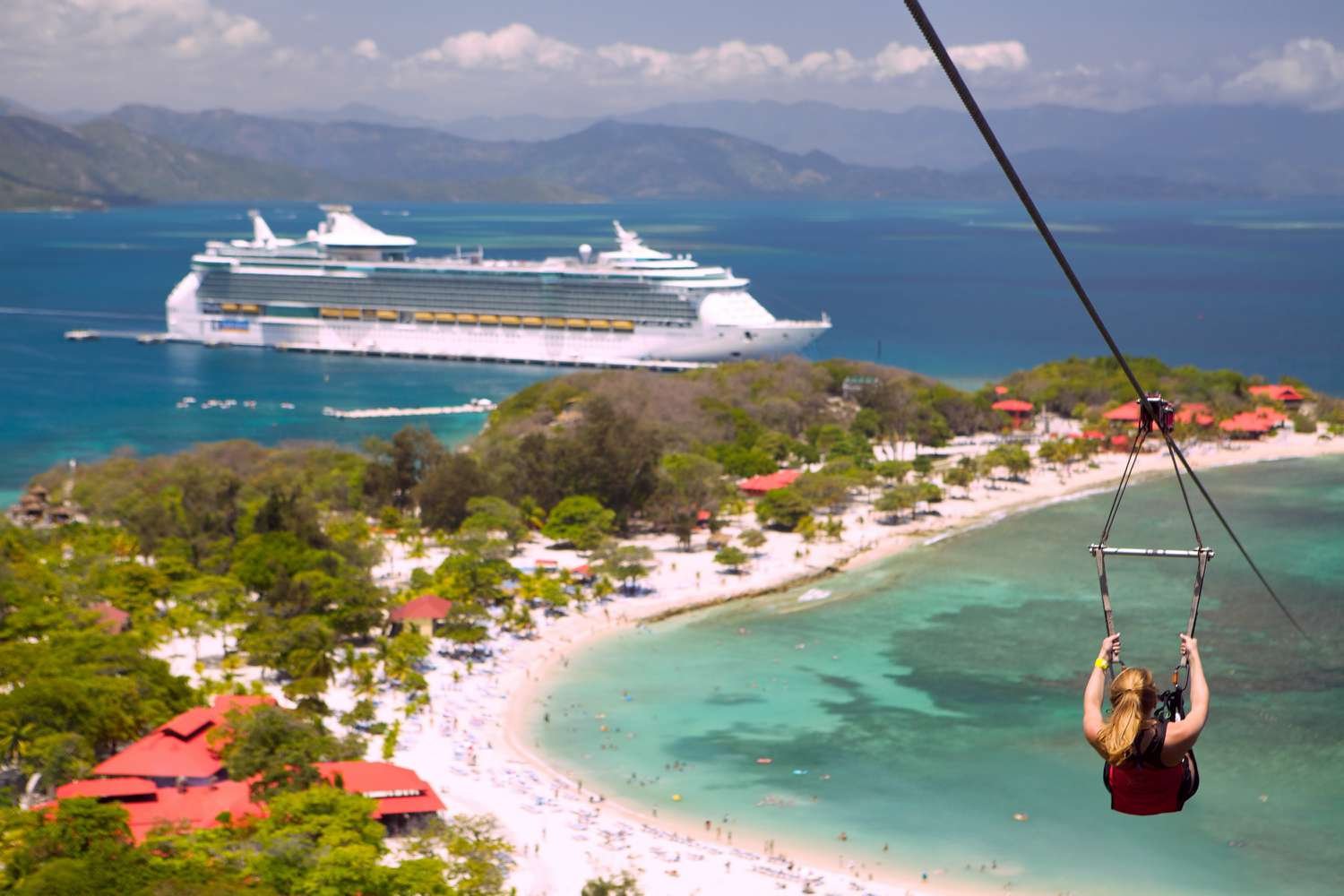
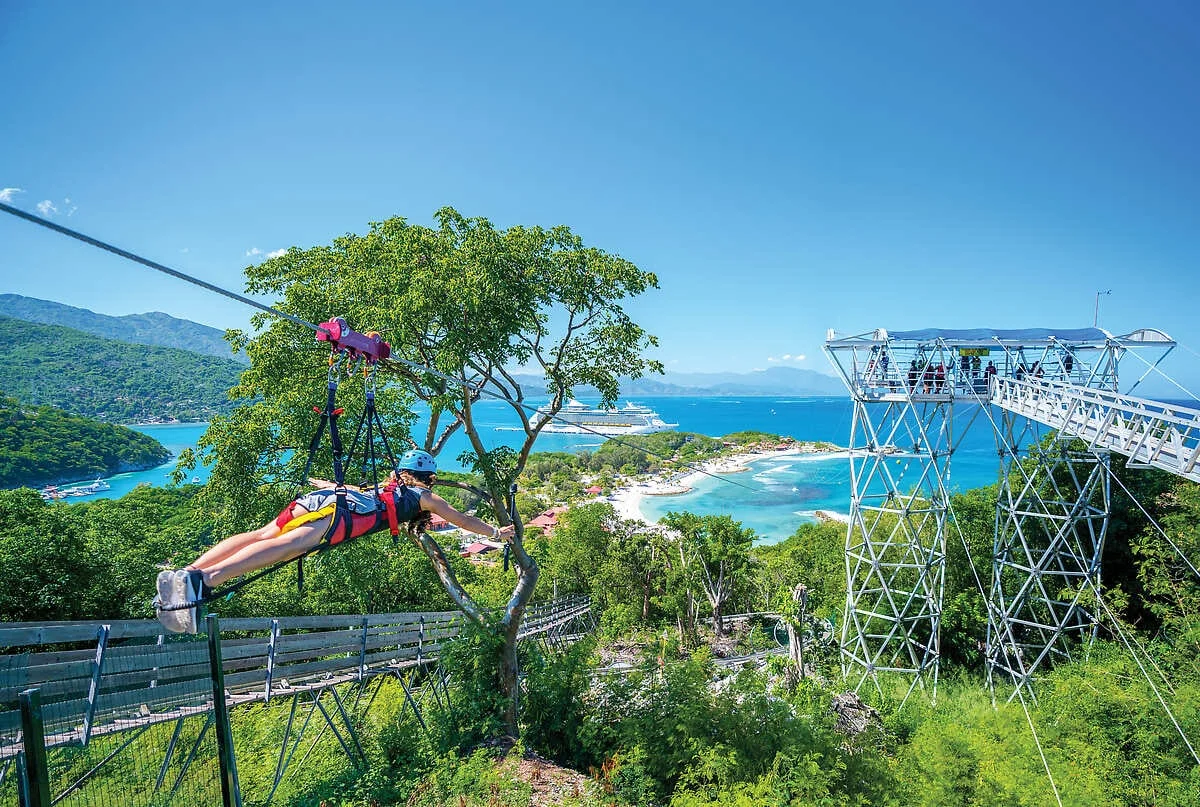
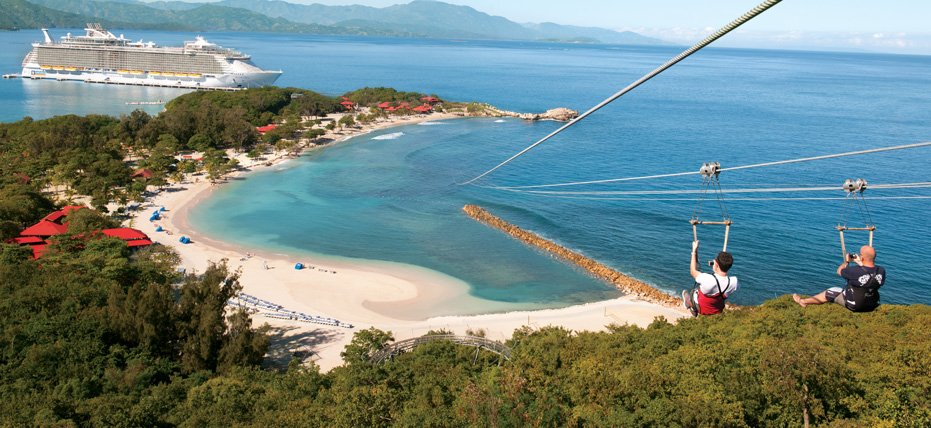
Haiti’s pleasant climate makes it an ideal destination for tourists looking for sun and relaxation. Paradise beaches, such as those of Jacmel, Labadie and Port-Salut, attract visitors from all over the world. The turquoise waters and coral reefs provide ideal conditions for diving, snorkeling and other water sports.

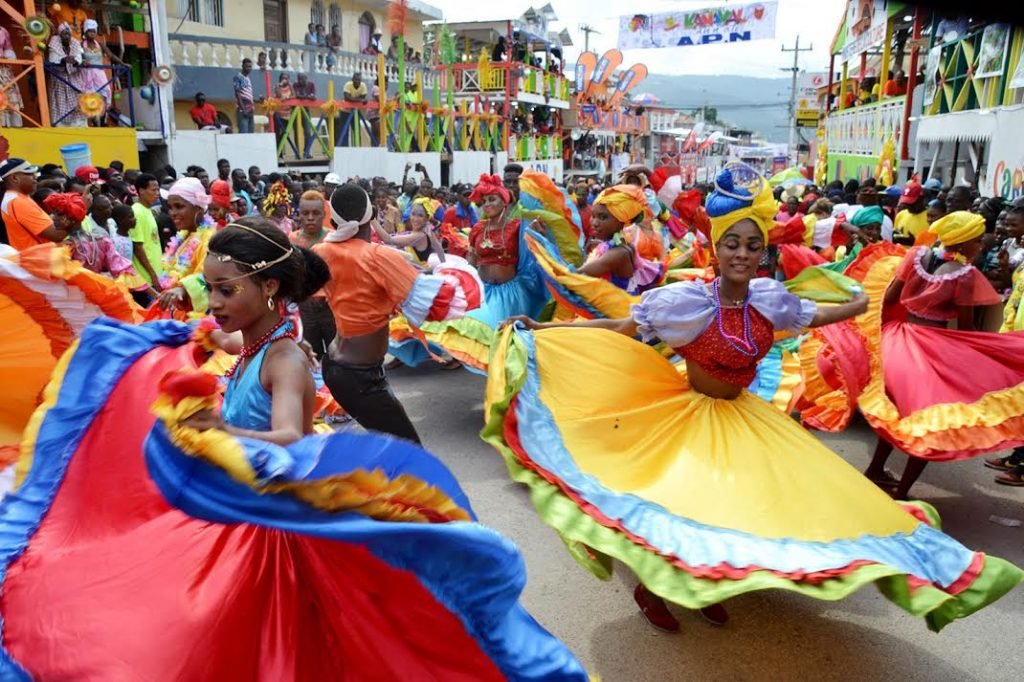
In addition, the mild climate allows the organization of numerous outdoor festivals and cultural events throughout the year, such as the Carnival and the Jazz Festival of Port-au-Prince, which highlight the artistic wealth and music of the country.

Haïti
Haïti
Haïti

Influence on Agriculture and the Economy

Haiti’s favorable tropical climate is a major asset for agriculture, which constitutes an essential part of the national economy. The fertile soils and climatic conditions allow the cultivation of various products such as coffee, mango, banana, cocoa, vetiver and others.

Stable weather conditions and constant heat also favor fishing and aquaculture, providing vital food resources for local communities and fresh produce for the market.

Haïti
Haïti
Haïti

The Unique Biodiversity of Haiti

Haiti’s tropical climate contributes to a rich and unique biodiversity. The country is home to numerous national parks and nature reserves where visitors can discover diverse flora and fauna. From mountain pine forests to coastal mangroves to coral reefs, each ecosystem provides refuge for a variety of endemic and migratory species.

La Visite National Park and Macaya National Park are examples of ecological sanctuaries where you can observe rare birds, medicinal plants and breathtaking landscapes. Conservation and reforestation efforts are crucial to preserving these natural treasures in the face of environmental challenges such as deforestation and climate change.

Haiti’s climate is a blessing that enriches every aspect of life on the island. From agriculture to biodiversity, including tourism, this climate plays a central role in the economic and cultural development of the country. By appreciating and preserving this unique environment, Haïti continues to shine as an enchanting Caribbean destination, inviting the entire world to discover its natural and cultural treasures.

Share
About the Author
Appolon Guy Alain
Appolon Guy Alain
Appolon Guy Alain

Full Stack Developer, Créatif, expérimenté, passionné des nouvelles technologies et de l’art.

See other articles from Appolon Guy Alain
Leave a comment

Recently Posted

Haïti / Fort Saint-Joseph: Historical Vestige of the Resistance

Located in the Bay of Cap-Haitien, Fort Saint-Joseph stands like a silent guardian of Haiti’s tumultuous history. Built in two stages, in 1748 and 1774, this defensive work was once a crucial element of the city’s protection system against French colonial assaults. Alongside other forts such as Picolet and Magny, its mission was to control maritime passages and defend Haitian sovereignty. However, its history is not limited to its defensive function. In 1802, then under the control of General Henry Christophe, the fort became the scene of a heroic act of resistance. Faced with the French expeditionary army, Christophe ordered the destruction of the powder magazine and the entrance gate to the fort, thus rendering it temporarily unusable. This courageous gesture, although tactical, left indelible scars on the very structure of the fort, testifying to the fierce clashes between French colonial forces and Haitian resistance fighters. These historic marks, still visible today, offer a window into the country’s tumultuous past. They allow visitors and historians to interpret the fierce struggles that forged Haitian identity. Fort Saint-Joseph, as a witness to the resistance and the struggle for freedom, embodies the indomitable spirit of the Haitian people. Recognizing its historical significance, the Haitian government officially classified Fort Saint-Joseph as national heritage in 1995. This recognition paved the way for restoration efforts aimed at preserving this precious vestige of Haitian military heritage. Thanks to collaboration between the public sector and local private funding, the fort has recently been restored and enhanced. Thus, Fort Saint-Joseph remains much more than a simple stone structure. It is a living symbol of the resilience and determination of the Haitian people, reminding all visitors that Haiti’s history is deeply rooted in the struggle for freedom and human dignity. To virtually discover this jewel of Haitian history, you can visit the following link: https://haitiwonderland.com/haiti-virtual-reality-ht/monuments-histoire/haiti--fort-saint-joseph--visite- virtual/11

There are several reasons why a foreign national might be interested in visiting Haiti

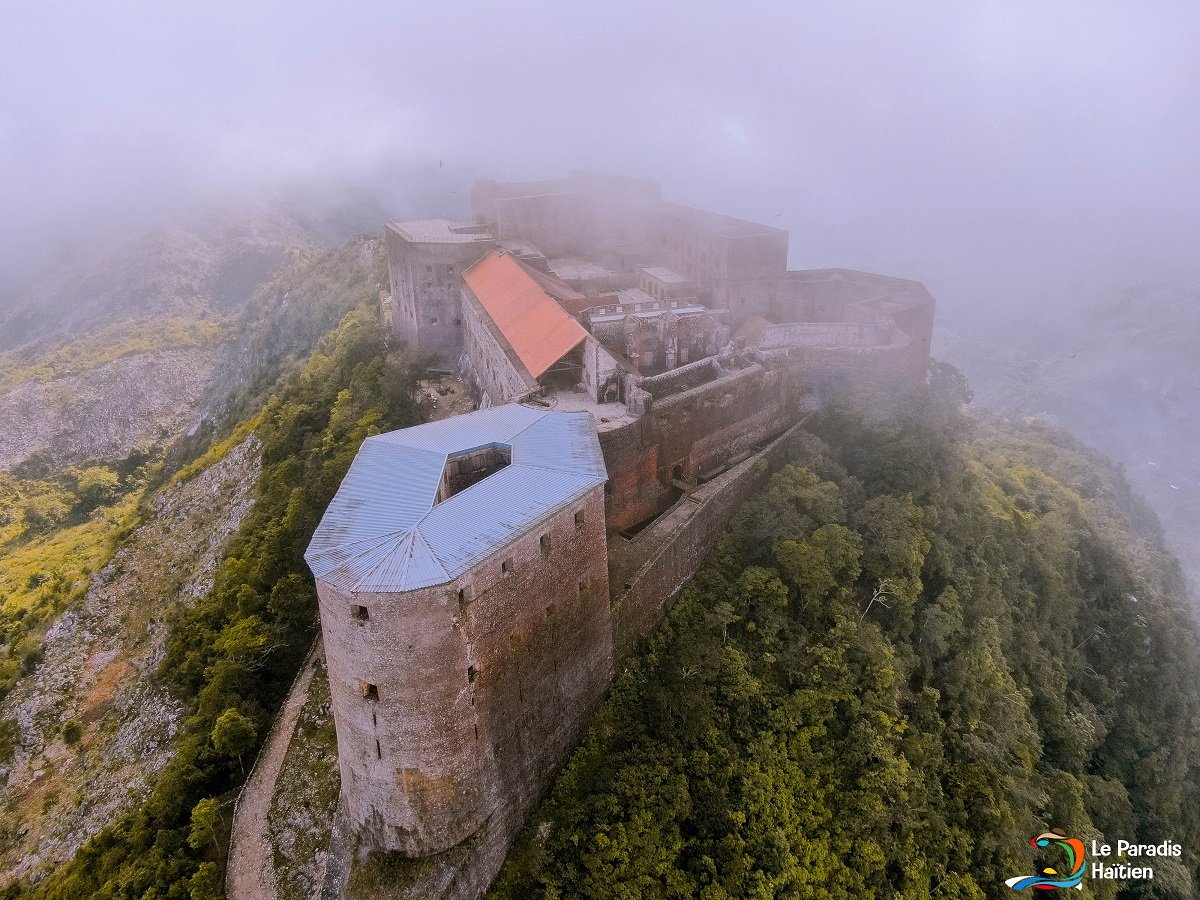
There are several reasons why a foreign national might be interested in visiting Haiti: Rich and diverse culture: Haïti has a unique culture resulting from a mixture of African, European (particularly French) and Caribbean influences. This is reflected in its music, cuisine, art and traditions. Fascinating history: Haïti was the first country in Latin America and the Caribbean to gain independence in 1804 after a successful slave revolt. Its history is rich in significant events and important historical figures. Magnificent natural landscapes: The island of Haïti offers a variety of breathtaking landscapes, from white sandy beaches to lush green mountains, picturesque waterfalls and isolated islands. Hospitality of the locals: Haitians are known for their warmth and hospitality towards foreign visitors, making the travel experience very pleasant and enriching on a human level. Opportunities for Sustainable Tourism: Haïti offers opportunities for sustainable tourism, including encouraging visits that directly benefit local communities and environmental conservation. Exploring historic sites: Historic sites such as the UNESCO-listed Citadelle Laferrière offer visitors a chance to discover colonial architecture and remains from pre-Columbian times. Vibrant cultural celebrations: Haïti is famous for its colorful festivals and cultural celebrations throughout the year, such as Carnival, where music, dance and traditional costumes are in the spotlight. In summary, visiting Haïti can offer a deep and authentic cultural experience, as well as an exploration of the unique natural and historical beauties of this Caribbean nation.

Newsletter

Subscribe to our newsletter to stay informed of all our activities and news on Haiti.

Recently Posted

History

History

First black nation to free itself from slavery and gain independence from France in 1804 and influenced other liberation movements around the world, inspiring struggles for freedom and equality.

Natural beauty

Natural beauty

Haïti is blessed with spectacular natural landscapes, including white sand beaches, mountains and rich biodiversity.

Heritage

Heritage

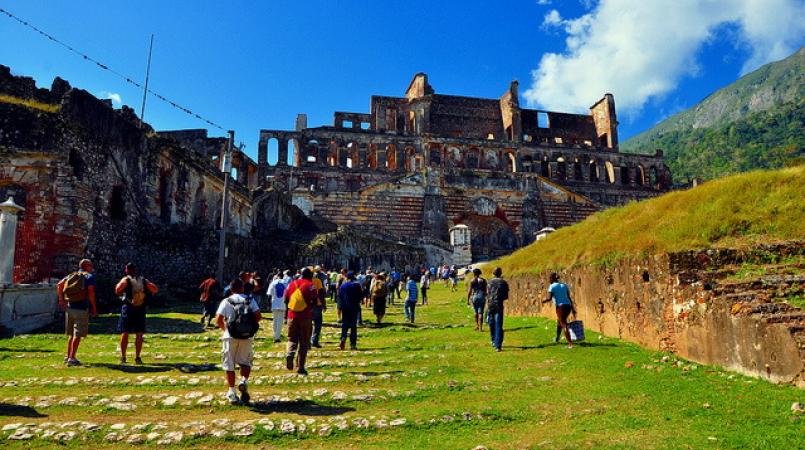
Haïti has a rich historical heritage, including sites like the Citadelle Laferrière and the Sans-Souci Palace, listed as UNESCO World Heritage Sites.

Culture

Culture

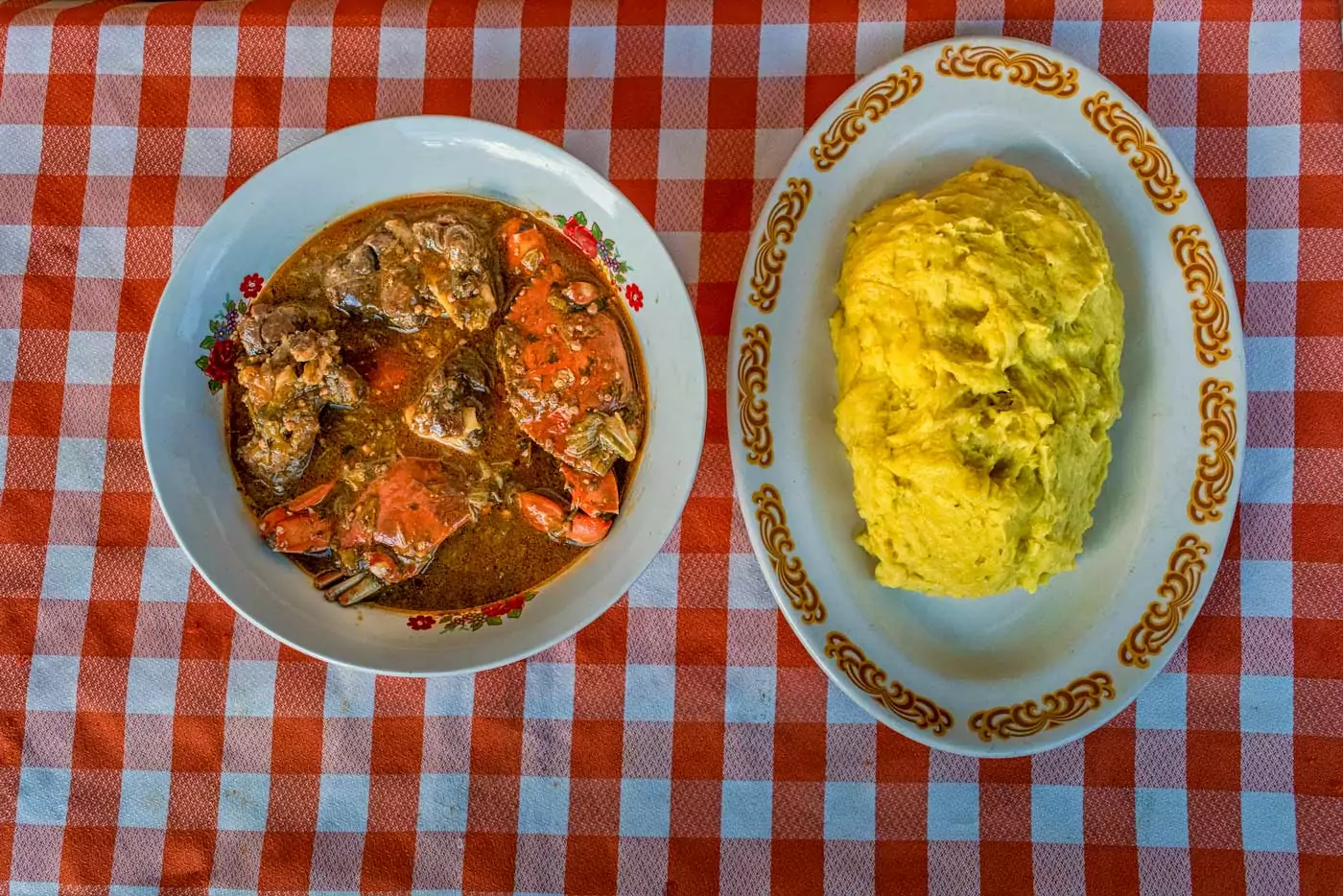
Haïti has a rich and diverse culture, influenced by African, European and indigenous elements. Haitian music, dance, art and cuisine are celebrated around the world.

  • +
    • Post