contact@haitiwonderland.com+509 36184317

Discover

Shopping Cart

Haiti, Between History, Culture and Natural Beauty: A Country to Discover

Haiti, Between History, Culture and Natural Beauty: A Country to Discover

Haïti is a country that never ceases to fascinate with its rich history, vibrant culture and breathtaking natural beauty. Although often overlooked, Haïti is full of treasures that deserve to be discovered. This unique Caribbean country, marked by centuries of history, a diverse culture and breathtaking landscapes, offers an unforgettable travel experience. Follow us to discover this jewel of the Haitian people.

Haïti
Haïti
Haïti

A History of Resistance and Independence

Haiti’s history is deeply marked by its struggle for independence, which made this country the first independent black republic in the world.

- The Haitian Revolution: In the 18th century, the slaves of Haiti, then the French colony of Saint-Domingue, rebelled against the oppressors, led by iconic figures such as Toussaint Louverture, Jean-Jacques Dessalines, and Henri Christophe. On January 1, 1804, Haïti declared its independence, ending centuries of slavery. It was a landmark victory not only for Haiti, but for oppressed peoples around the world.
- A Global Symbol: The Haitian Revolution inspired other liberation struggles around the world, particularly in Latin America, and made Haïti a global symbol of freedom and resistance.

Haiti’s history is more than just a chapter from the past: it is a legend of courage and hope that continues to inspire today.

Haïti
Haïti
Haïti

A Vibrant and Diverse Culture

Haitian culture is a unique fusion of African, European, and indigenous traditions, all enriched by a deep spirituality.

- Haitian Music: Music is at the heart of Haitian culture. Genres like compas, twoubadou, and rara tell stories of struggle, joy, and resistance. Haitian music is a way to tell the emotions and experiences of daily life, creating strong bonds between generations.
- Visual arts: Haïti is also known for its impressive art scene. Painters such as Philippe Dodard and Préféré Sondoz have helped to make the country known internationally. Haitian art, particularly naïve paintings and metal sculptures, illustrates the spiritual and social richness of the country.
- Traditions and festivals: Haïti celebrates unique festivals that reflect its cultural heritage. Independence Day on January 1, Flag Day on May 18, and Vodou celebrations are among the major events that unite Haitians in memory and tradition.

Haitian culture is a fascinating blend of ancestral traditions and contemporary innovations, making the country a must-see for travelers seeking authenticity.

Haïti
Haïti
Haïti

A breathtaking natural beauty

Beyond its history and culture, Haïti is a country of impressive landscapes, ranging from idyllic beaches to majestic mountains.

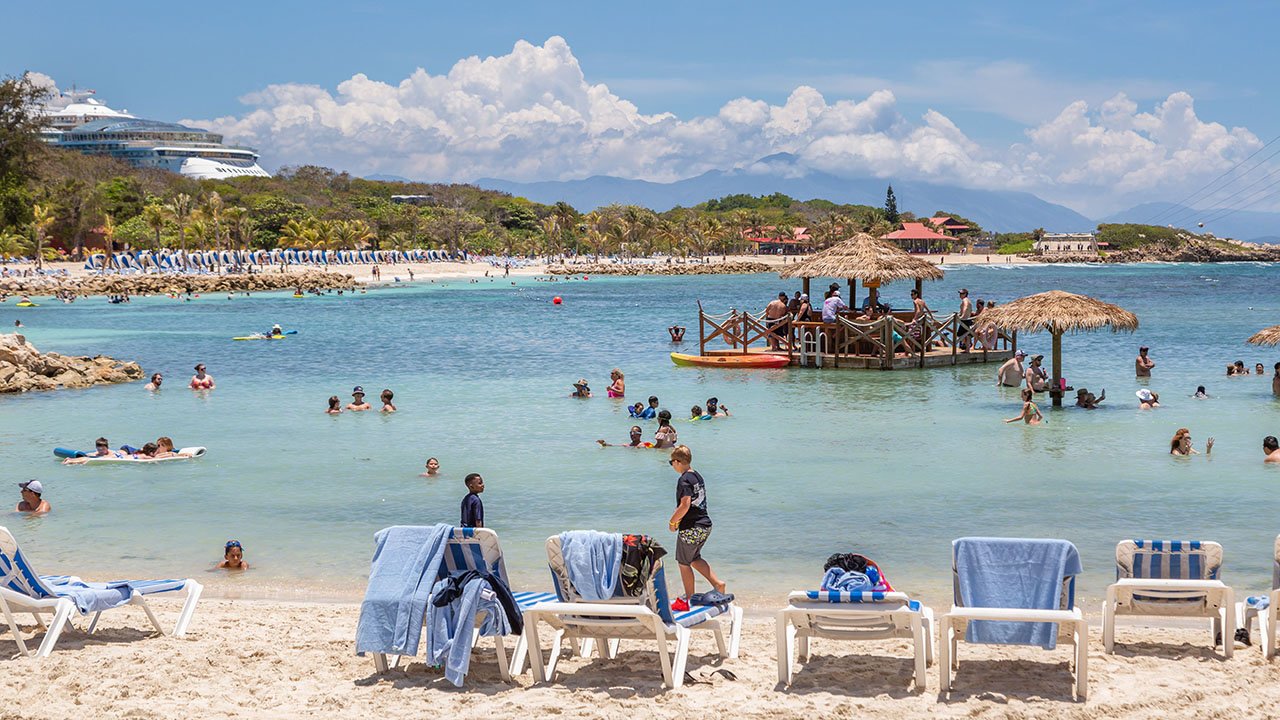
- The beaches: Haïti has some of the most beautiful beaches in the Caribbean. From the white sand beaches of Labadee, to the crystal clear waters of Jacmel and Côte des Arcadins, the country offers paradisiacal destinations for lovers of relaxation and adventure.
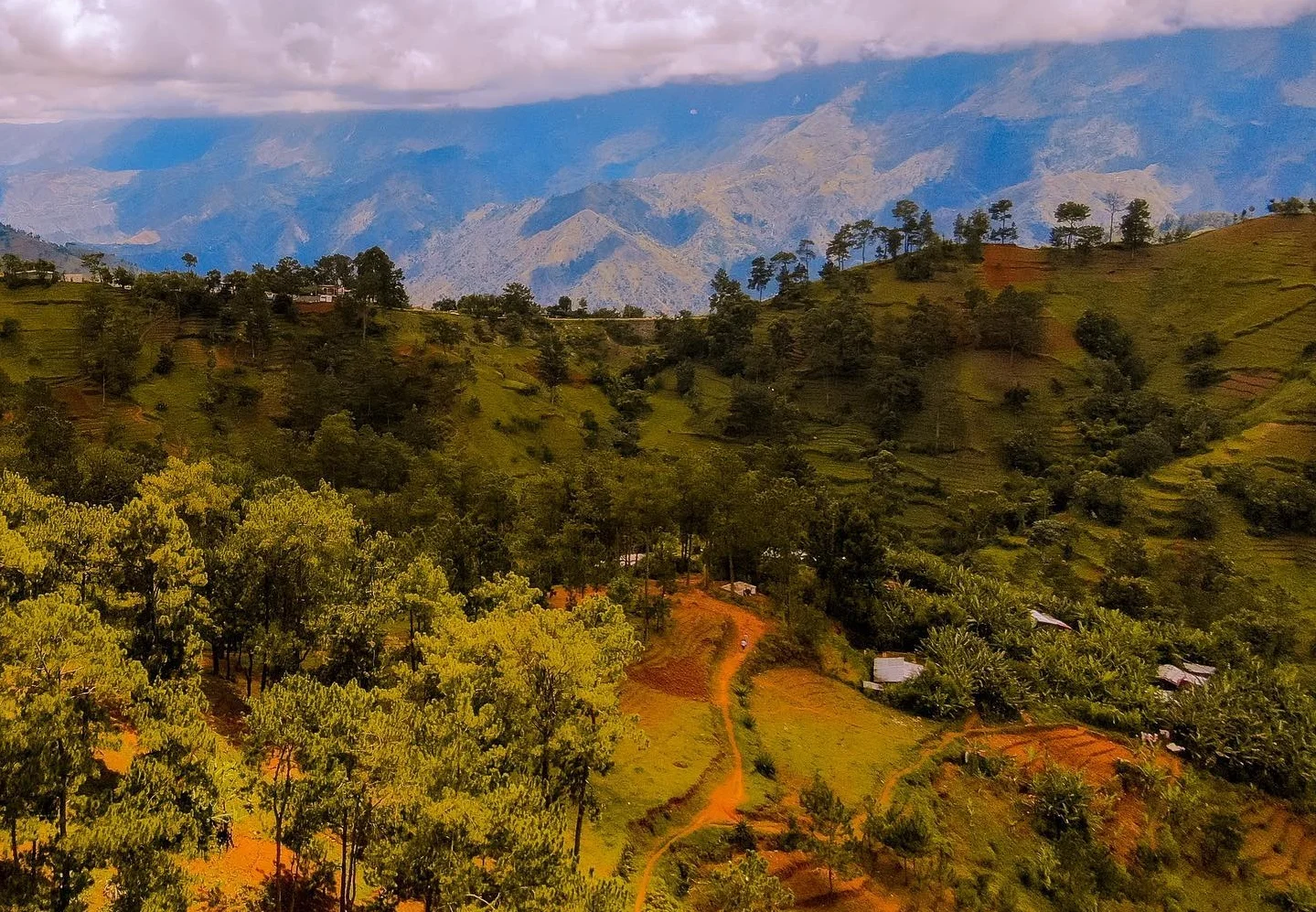
- The mountains: Haiti’s mountainous terrain is equally remarkable. With peaks like La Selle, the country is a paradise for hikers and nature lovers. The mountains offer spectacular panoramas and are an ideal place for those who wish to discover the wild beauty of the country.
- The natural parks: Haïti is home to several national parks and nature reserves, such as La Visite National Park, a haven of biodiversity where you can explore the local flora and fauna. Water basins like Bassin Bleu and Bassin Zim add to the magic of the country’s natural landscapes.

Haiti’s natural beauty is often overlooked, but it is undoubtedly one of the major attractions for those who want to discover an authentic and unspoiled side of the Caribbean.

Haïti
Haïti
Haïti

Haiti: a country to discover

Haïti is much more than a tourist destination. It is a journey through the history, culture, and natural beauty of a country that has overcome many challenges. Its people, warmth, and hospitality make each visit an unforgettable experience.

- A living heritage: By exploring Haiti, you are exploring a living heritage, carried by a people proud of their history and culture.
- A warm welcome: Haitians are renowned for their hospitality. They will make you discover their country with enthusiasm, sharing their traditions and national pride.

If you are looking for a destination that combines history, culture and spectacular landscapes, Haïti is a must-see. Discover this fascinating country and be seduced by all it has to offer.

Share
About the Author
Appolon Guy Alain
Appolon Guy Alain
Appolon Guy Alain

Full Stack Developer, Créatif, expérimenté, passionné des nouvelles technologies et de l’art.

See other articles from Appolon Guy Alain
Leave a comment

Recently Posted

Living in Prose and Poetry: an unmissable summer event in Port-au-Prince.

Living in Prose and Poetry is an artistic and cultural event organized by the cultural organization Salon de Livre de Port-au-Prince (OCSLPAP) with the aim of bringing together young artists from the Haitian capital to exhibit them to a large audience . This edition will take place on Saturday July 27, 2024, at the pyépoudré cultural center, located at number 332 on the Route de Bourne. This year the organizers announce their mission is to bring together talents from various categories of arts, always with the aim of helping them to become familiar with each other, and to help create a solid link between them and the Haitian public. . The categories targeted by the organizers for this second edition are young poets, slammers, comedians, rappers, dancers, singers, painters, and writers who have already published at least one work. Living in prose and poetry will also be an opportunity to encourage Haitian youth to think. The first part of the event will be devoted to a discussion around a text by the famous Haitian writer Louis Philippe Dalembert, entitled The Other Face of the Sea. It is a novel which carefully addresses the subject of immigration and detachment that goes with it in the immigrant’s skin. It is a book that speaks openly to the reality of the Haitian people today. It has already been announced that this first part will be moderated by the journalist and literary critic Carl Pierrecq who works for the short story writer, and moderation will be provided by Pierre Marie, a young sociology student at the Faculty of Human Sciences (FASCH). After a largely successful first edition which took place in May 2023 in the premises of the municipal library of Delmas, the organizers of living in prose and poetry say they are determined and have made the promise for this year to deliver to the public port-au -princien, a cultural event of exceptional scale for the second outing. Once again, this will be the perfect opportunity to celebrate the great richness of Haitian culture through the organs of our young talents. Given the difficult context, manifested by the almost daily situation of insecurity which has prevailed for some time, in a good part of Port-au-Prince, the announcement of this event comes as a fresh breath of oxygen, scattered throughout the within the lungs of the city. It is yet another opportunity to remind through this artistic festivity that even in times of deep unrest, art will remain an indispensable light, because even in times of crisis, the latter and the artist (its channel of diffusion) will become refuges, sources of comfort and appeasement for all human souls.

Haiti: The Rara season in Petit-Goâve: A celebration of life, unity and resilience

As the new season of Rara looms on the horizon, certain groups such as Saint Jacques Majeur, Ratyèfè, Florida Band, Lambi Grand, and Grap Kenèp are already preparing to light up the streets of Petit-Goâve with their flamboyant costumes and their captivating melodies. For these groups, the future looks bright, promising a season full of passion and success. However, other rara bands are still hesitant about which direction to take. Despite these uncertainties, optimism reigns regarding the success of this new season for all rara groups in the commune of Petit-Goâve. Rara, anchored in the Vodou tradition, is much more than a simple artistic manifestation. It embodies the very essence of Haitian culture, highlighting questions of memory, tradition and identity. This increasingly popular form of artistic expression attracts a large audience and arouses unprecedented enthusiasm. Groups like Ratyèfè, Grap Kenèp, Florida Band and Chenn Tamaren, recognized for their ability to delight their fans, play a crucial role in the continued growth of rara in the town. The rara season traditionally begins on Dead Thursday and ends on the night of Easter Sunday or quasimodo Monday. To mark the beginning of this sacred period, groups organize opening ceremonies, honoring the spirits of the deceased in rituals steeped in spirituality. These ceremonies, often held in cemeteries or in the "Bitasyons" of groups, symbolize the deep link between the rara and Vodou traditions.

Newsletter

Subscribe to our newsletter to stay informed of all our activities and news on Haiti.

Haiti: The History of the World’s First Free Black Nation

Haiti, the pearl of the Antilles, is a Caribbean island with a rich and complex history. However, its special status as the world’s first free black nation gives it a unique place in the annals of history. This small island was the scene of an extraordinary revolution which resulted in independence, thus marking the beginning of a new era for the black community and the abolition of slavery. Let’s delve into the captivating story of the birth of the first black republic, Haiti. b~The colonial era and slavery~b Haiti’s history dates back to the arrival of Europeans in the 15th century, when Christopher Columbus discovered the island. European settlers, mainly Spanish and French, introduced slavery to exploit the island’s resources, including sugar, coffee and cotton. The indigenous Native American population was decimated, paving the way for the massive importation of African slaves. b~The Haitian Revolution~b On August 14, 1791, Haitian slaves rose up against their oppressors, sparking the Haitian Revolution. Under the leadership of iconic figures such as Toussaint Louverture, Jean-Jacques Dessalines and Henri Christophe, the insurgent slaves inflicted defeats on European armies, demonstrating fierce resistance and a desperate quest for freedom. b~The Declaration of Independence and the creation of the Republic of Haiti~b On January 1, 1804, Haïti proclaimed its independence, becoming the world’s first free black nation. This historic declaration symbolized the end of slavery and the triumph of the will of a people determined to live free. The Republic of Haïti was born in struggle and blood, asserting its autonomy in the face of the colonial powers. b~Post-independence challenges~b However, independence did not mean the end of challenges for Haiti. The country had to face external pressure, reparations imposed by France in exchange for recognition of its independence, as well as internal unrest. Despite these obstacles, Haïti strove to build a free and sovereign nation. The story of Haïti is that of a nation that overcame countless challenges to emerge as a pioneer of freedom for the black population. The Haitian Revolution remains a unique example of resistance, courage and determination, and Haïti continues to carry the torch of independence in the contemporary world. The legacy of this small Caribbean island still resonates today, reminding the world that freedom is a universal right that can be won even in the most difficult circumstances.

Recently Posted

History

History

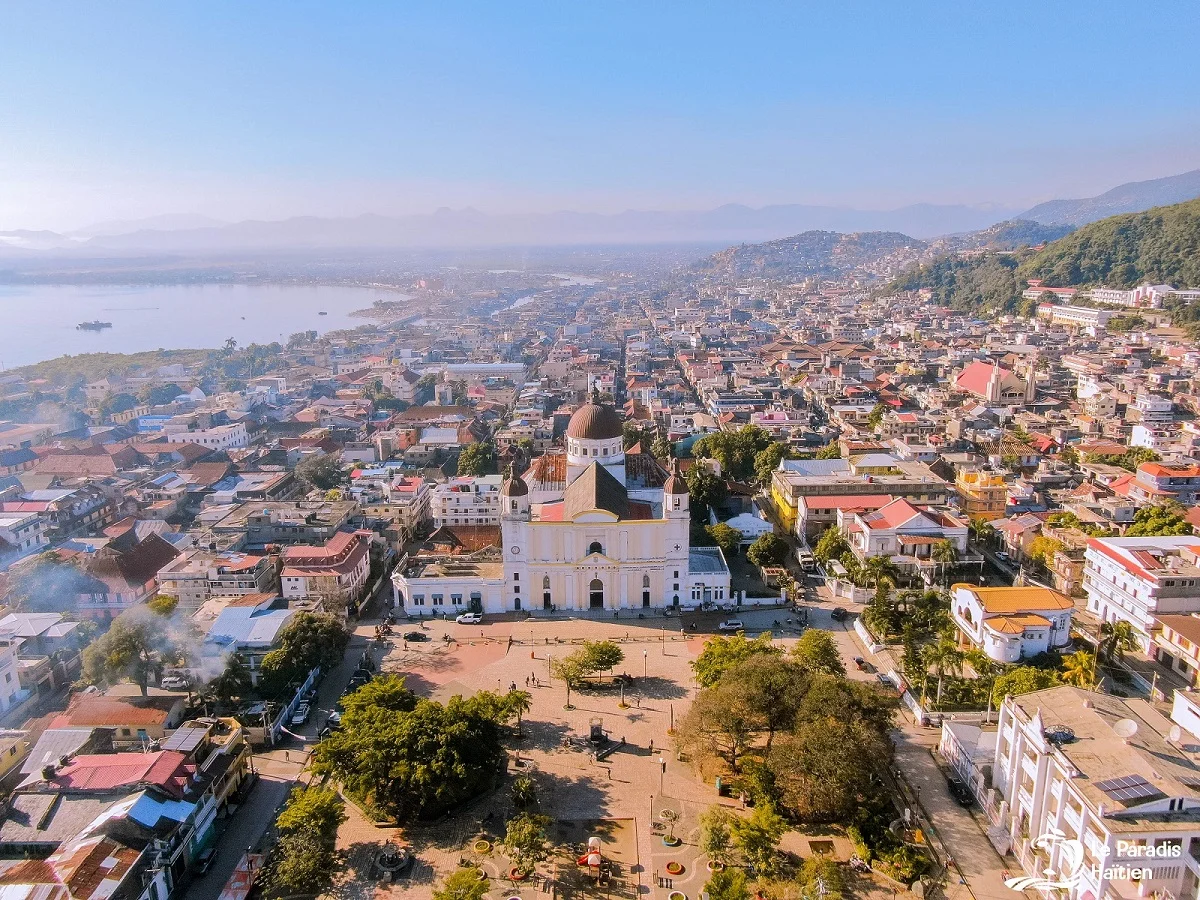
First black nation to free itself from slavery and gain independence from France in 1804 and influenced other liberation movements around the world, inspiring struggles for freedom and equality.

Natural beauty

Natural beauty

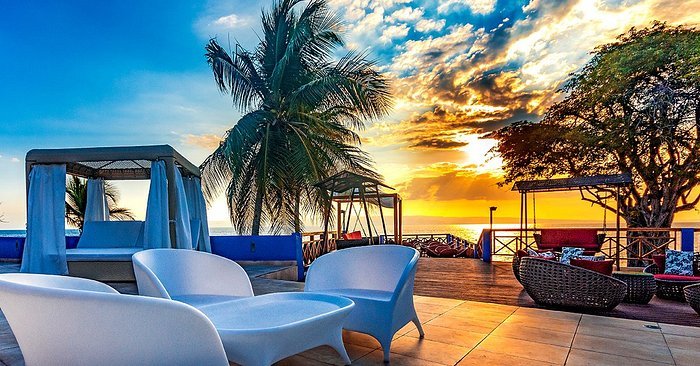
Haïti is blessed with spectacular natural landscapes, including white sand beaches, mountains and rich biodiversity.

Heritage

Heritage

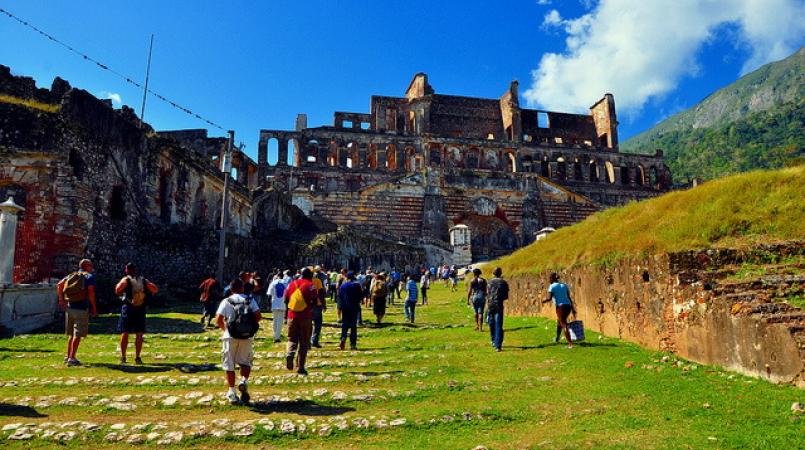
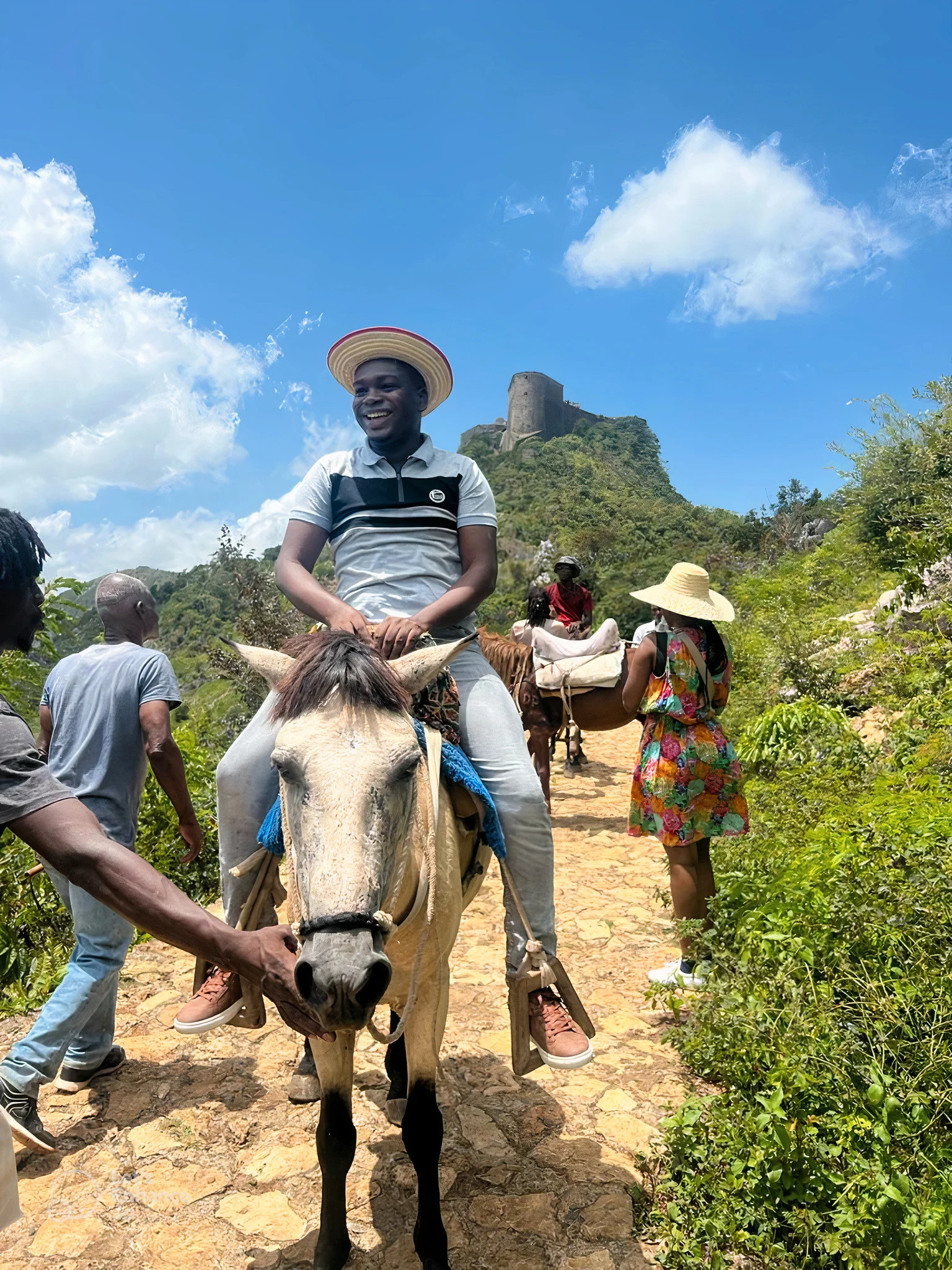
Haïti has a rich historical heritage, including sites like the Citadelle Laferrière and the Sans-Souci Palace, listed as UNESCO World Heritage Sites.

Culture

Culture

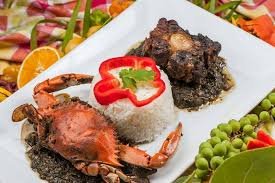
Haïti has a rich and diverse culture, influenced by African, European and indigenous elements. Haitian music, dance, art and cuisine are celebrated around the world.

  • +
    • Post