contact@haitiwonderland.com+509 36184317

Discover

Shopping Cart

Kenscoff, the other side of Haïti that we refuse to see
  • Nature
  • October 03, 2024
  •     1

Kenscoff, the other side of Haïti that we refuse to see

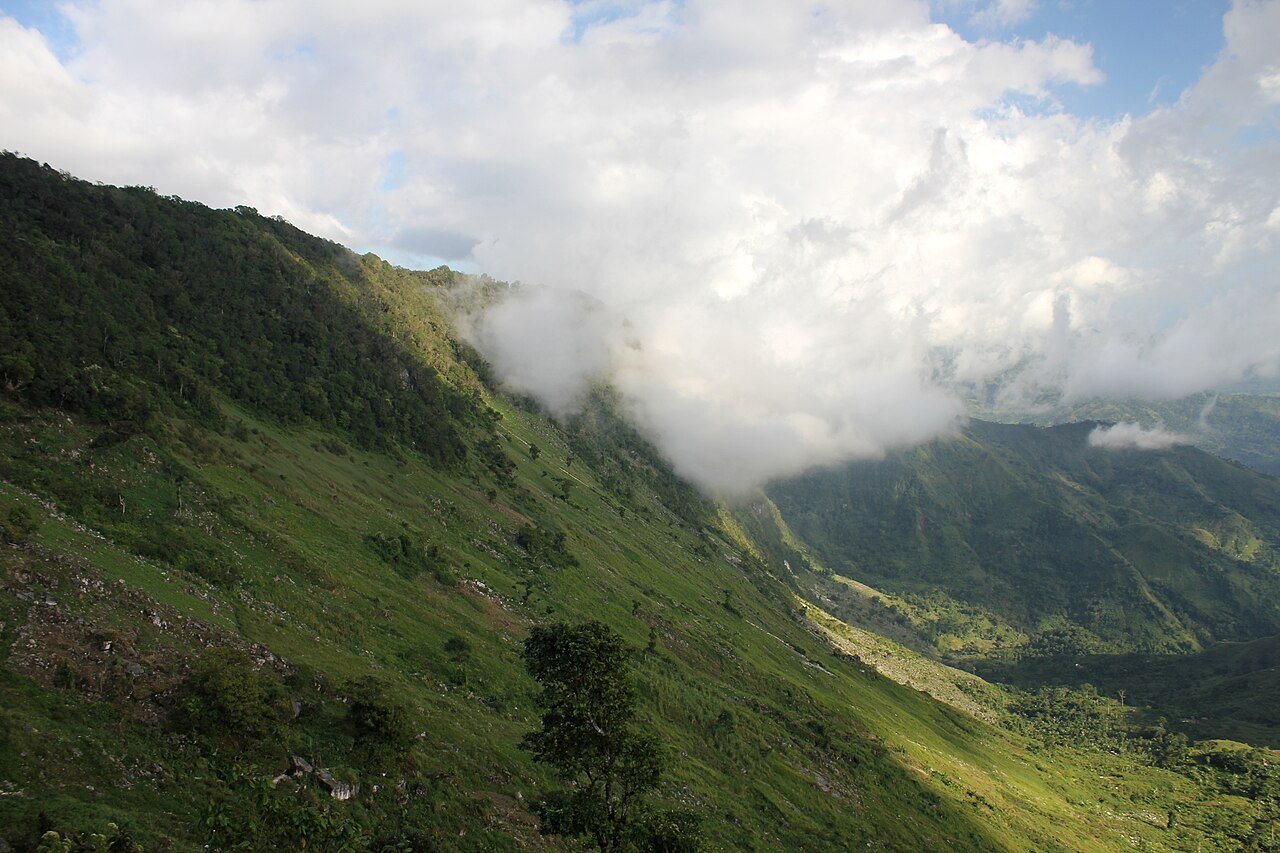
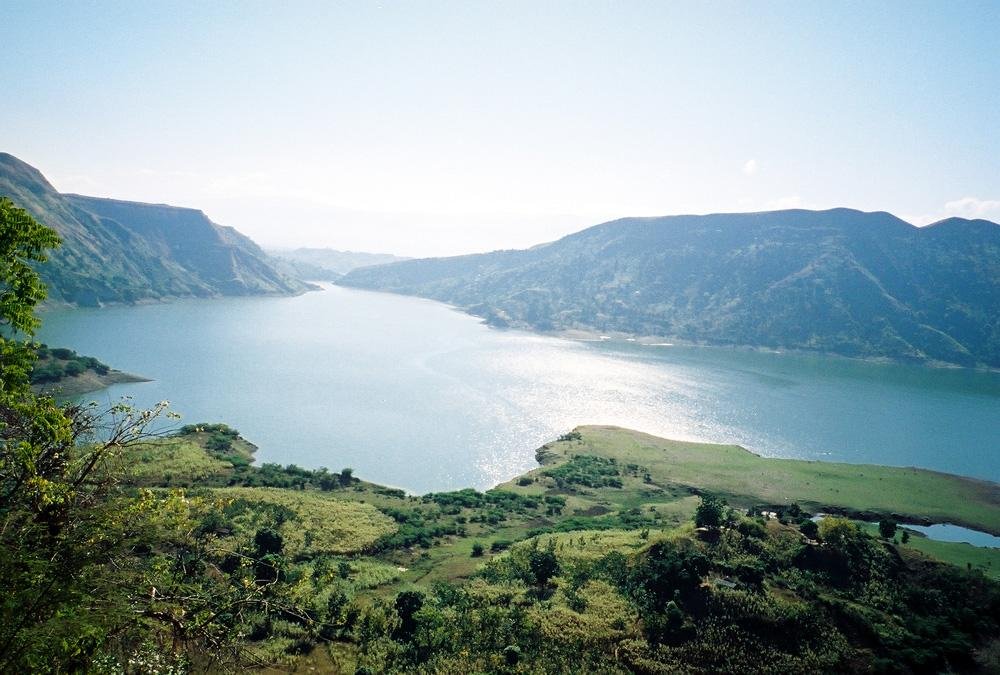
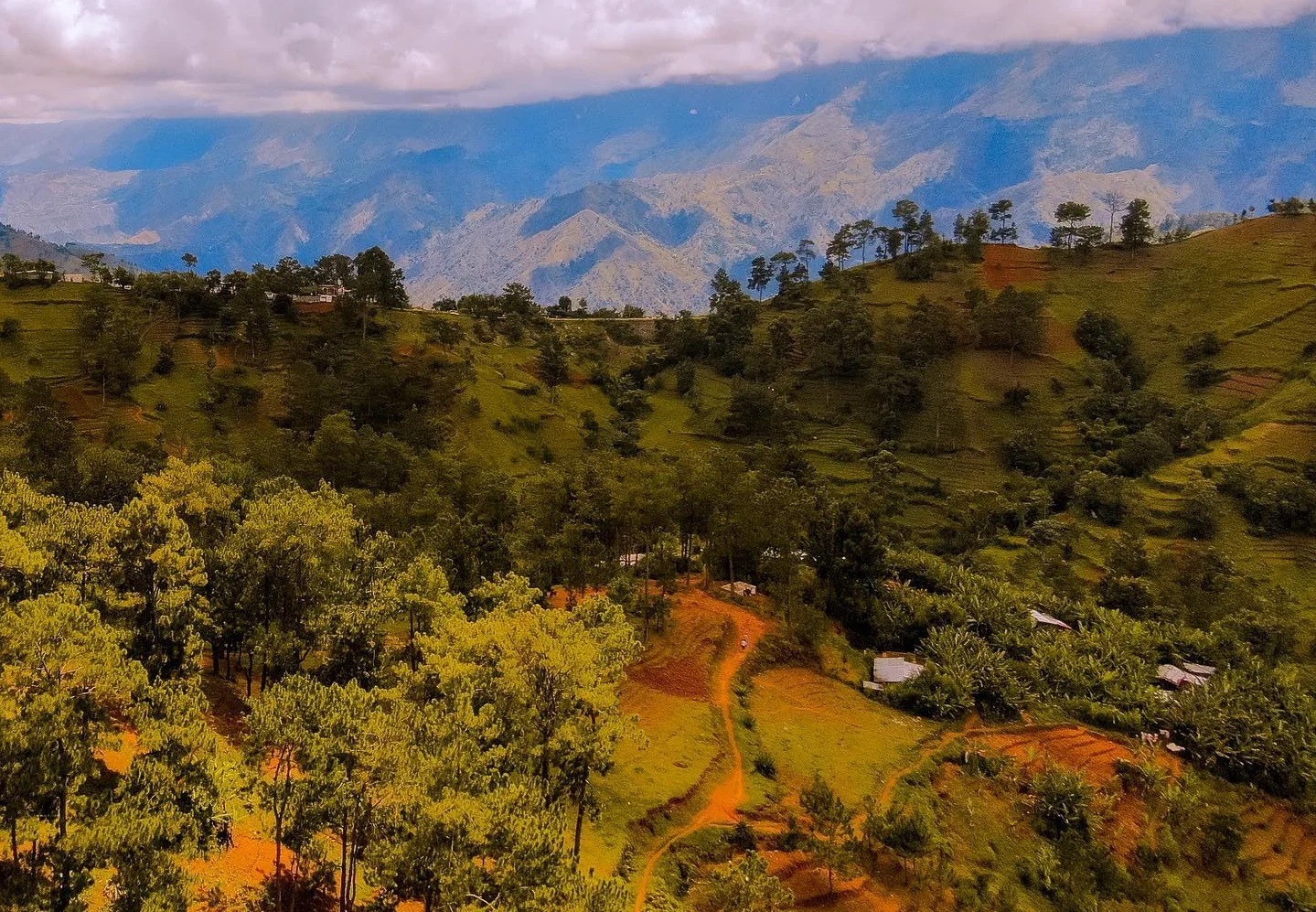
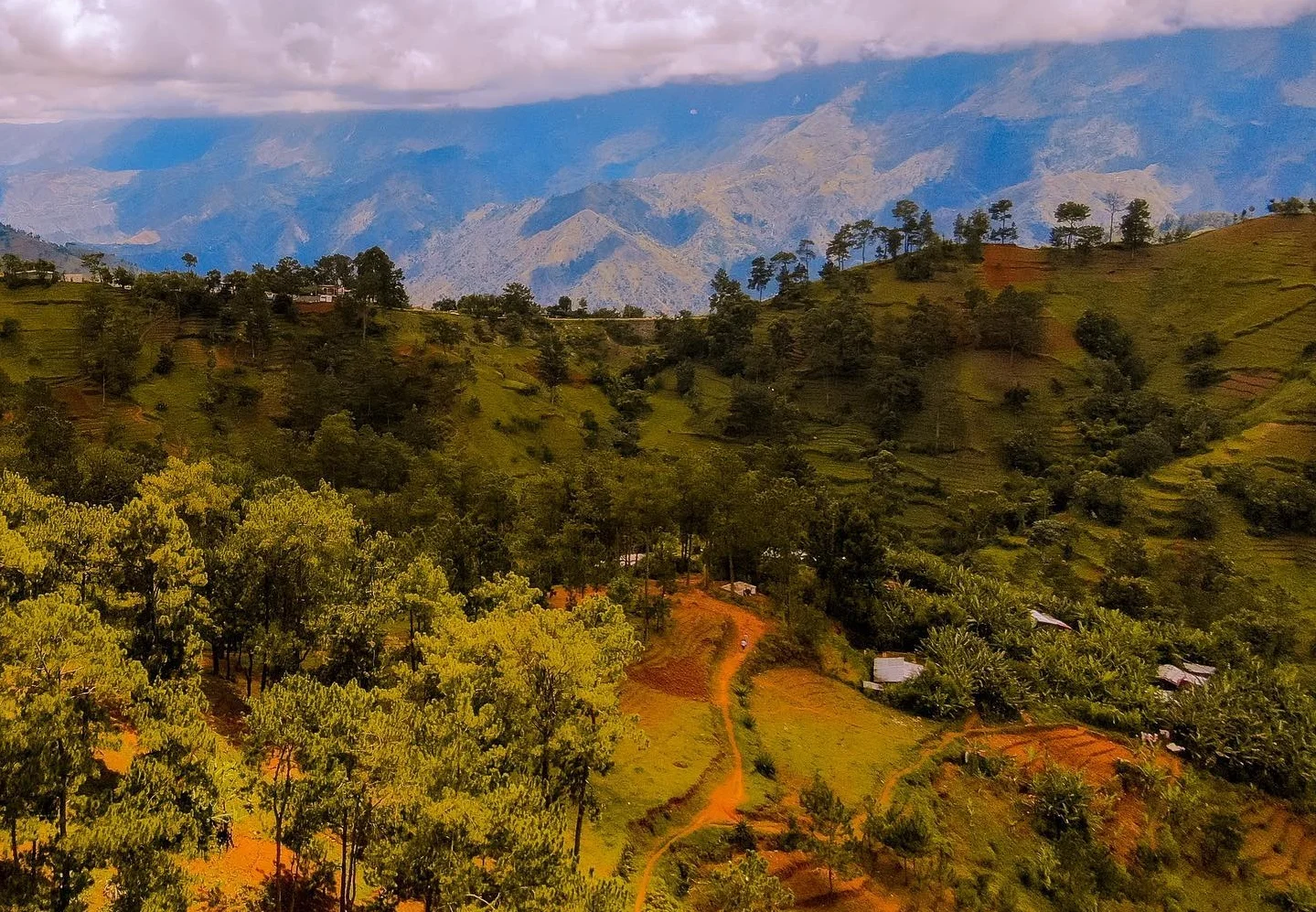
Perched in the heights, above the commune of Pétion-ville, the commune of Kenscoff is a jewel lit up above the metropolitan area of ​​Port-au-Prince.

The commune is located in the department of the West of Haiti, and is about 10 kilometers from the city center of Port-au-Prince, the capital of the country.

The city of Kenscoff was founded in 1930, and was elevated to the rank of commune in 1934. The commune has an area of ​​202.76 square kilometers and is made up of five communal sections: Belle-fontaine, Bongars, Grand-fonds, Sourcailles. And Nouvelle-Touraine. Kenscoff is one of the most mountainous communes in Haiti.

kenscoff, Haïti
kenscoff, Haïti
kenscoff, Haïti

The climatic exception.
-

See as well

kenscoff, Haïti
kenscoff, Haïti
kenscoff, Haïti

The ideal environment

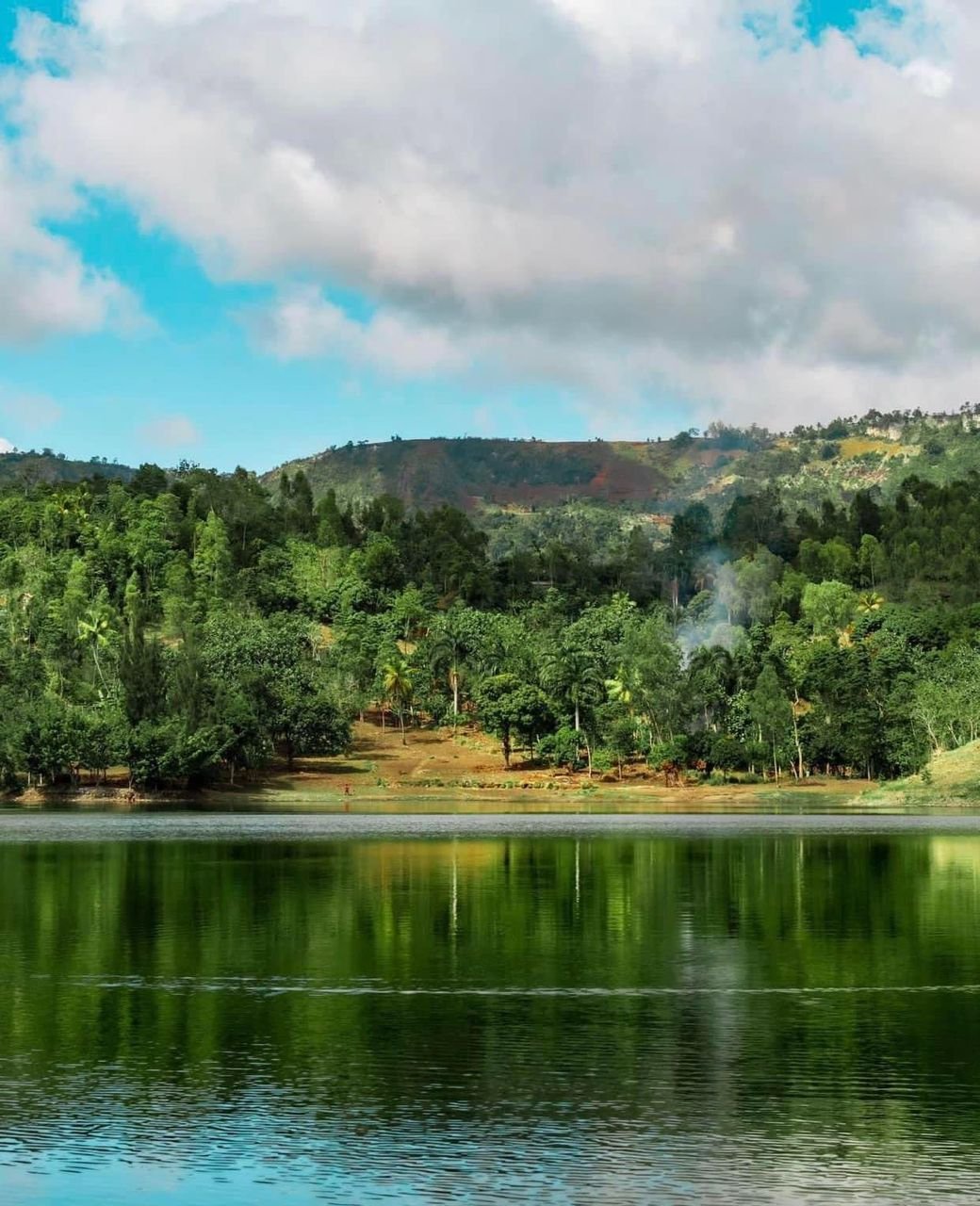
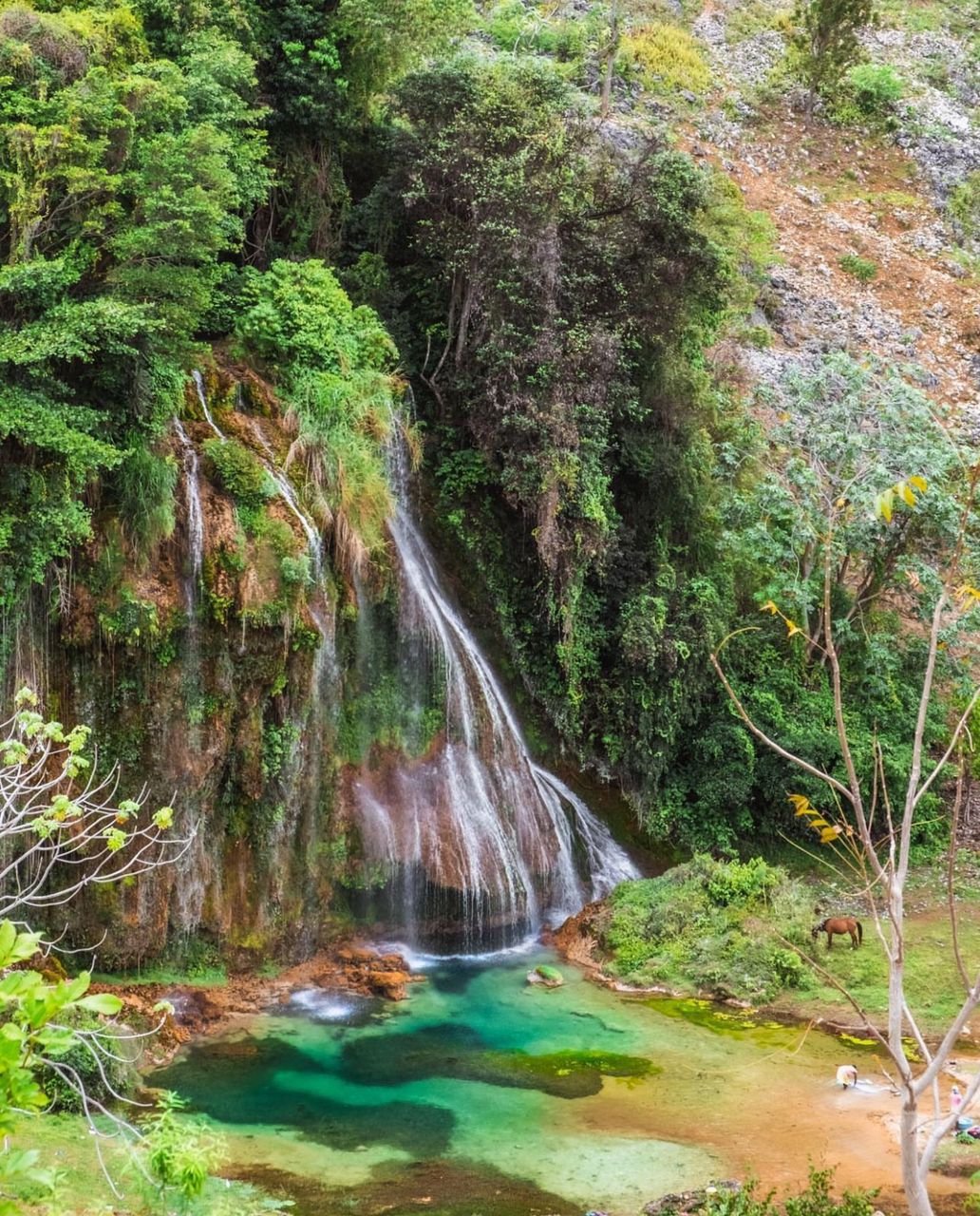
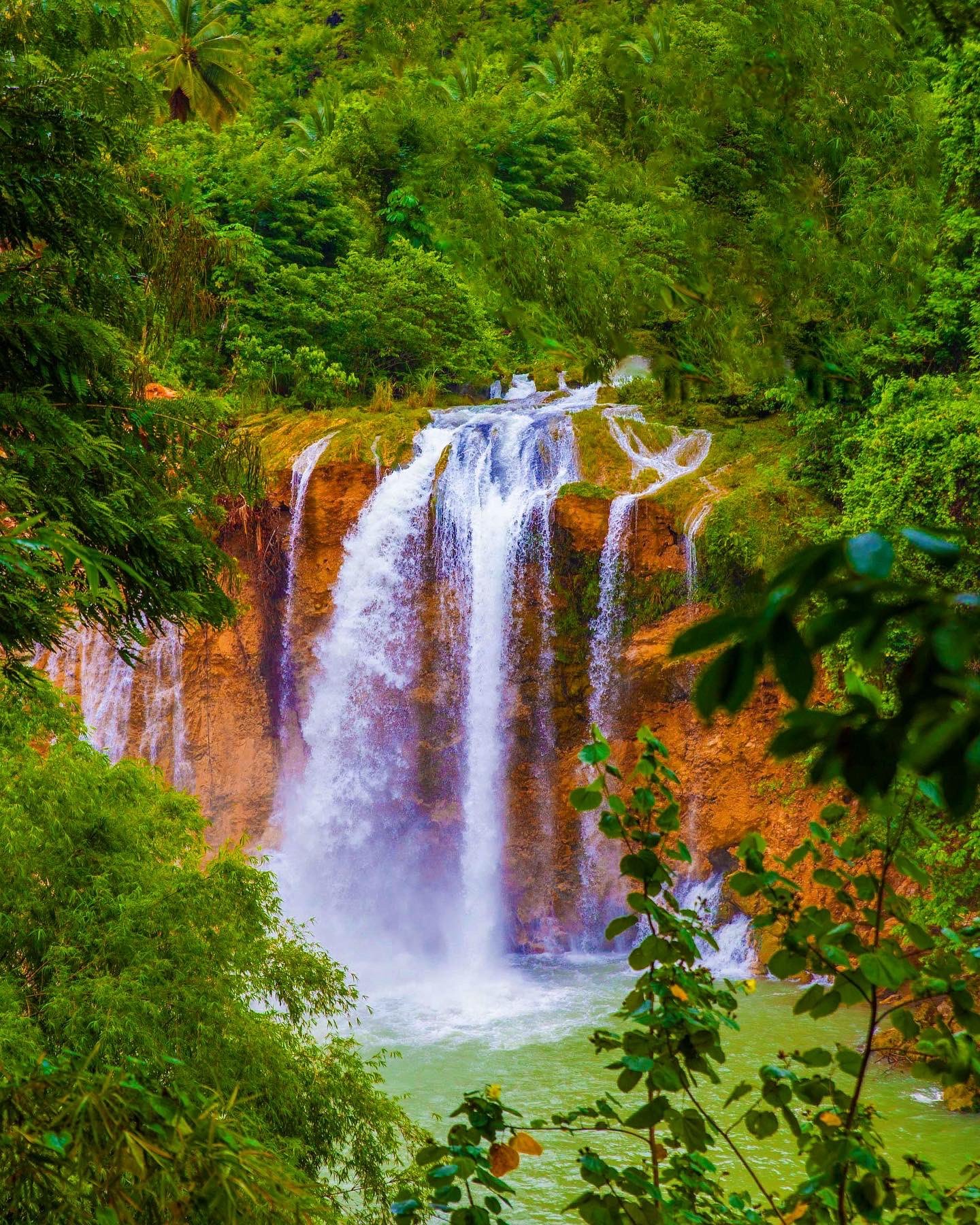
Looking for a place to spend your vacation in peace, a place to escape into unspoiled nature, or a place where breathing is not a difficult exercise. Kenscoff is the ideal place to go without hesitation. Made up almost of wooded mountains, Kenscoff is the perfect place to go hiking. Its mild and cool climate facilitates the deployment of the efforts necessary to climb its high slopes.

Located at about 1450 meters, above the level of Port-au-Prince, the cool climate that Kenscoff enjoys also facilitates the production of market gardens in large quantities. The decor of its fruit and legume plantations contributes grandiosely to the beauty of the Kenscovite ecosystem.

kenscoff, Haïti
kenscoff, Haïti
kenscoff, Haïti

Rich in tourist sites

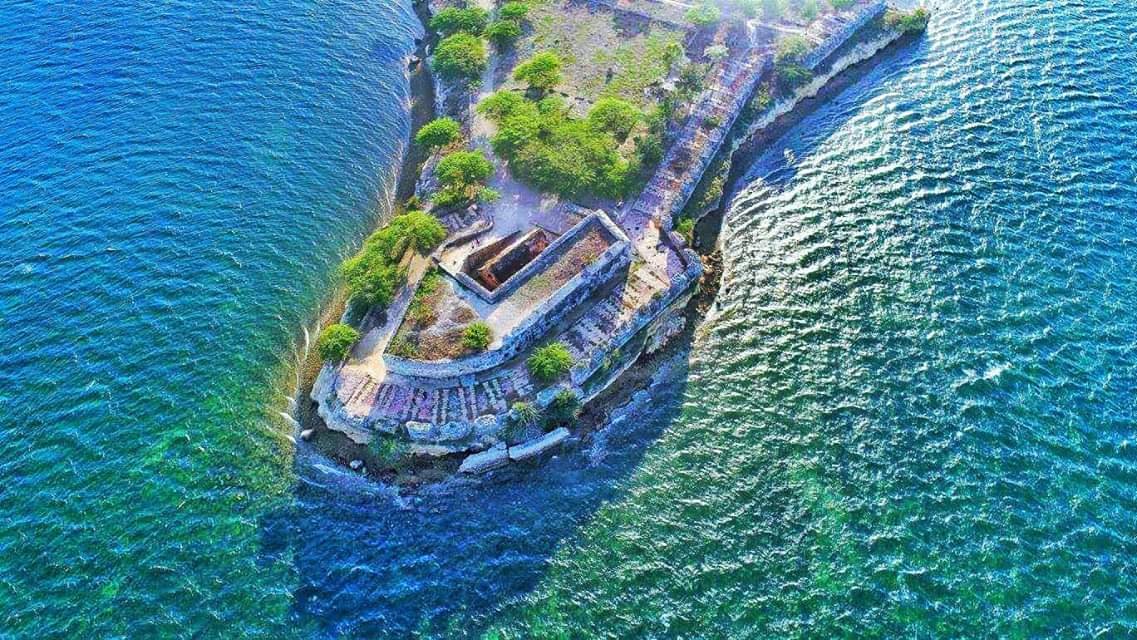
The many luxury homes of the wealthy families of Pétion-Ville, and Port-au-Prince, Fort Jacques Alexandre, (historical symbol representing the union of blacks and mulattoes) Wynne Farm ecological reserve, the biosphere restaurant, the refuge inn, hotel and restaurant and many other magnificent places, constitute high places listed and to visit within this magnificent commune.

kenscoff, Haïti
kenscoff, Haïti
kenscoff, Haïti

The other Haiti

Kenscoff is one of those places in Haïti that we will always refuse to show in its entirety to the general public, because the town symbolizes the Haïti that we would not want to sell to the rest of the world. The Haïti that eats and breathes well with dignity. And Kenscoff describes wonderfully well, the Haïti that does not seek donations, but customers, because it has them to spare, far from the degrading cliché of a country that vegetates in absolute evil. We refuse to see this version of Haïti too, for the simple reason that it confirms the continuation of the historical feat of Haitian ancestors, produced on January 1, 1804.

In short, Kenscoff is in the Haïti that awaits tourists, like any other part of the Caribbean region, which has exceptional experiences to offer them in return, alongside the unique story of the history of Haiti: the first black republic in the modern world, which knew how to trample on slavery, colonialism and the venom of racism, during its creation, at the very beginning of the 19th century.

Share
About the Author
Moise Francois
Moise Francois
Moise Francois

Journalist editor, poet and apprentice lawyer.

See other articles from Moise Francois
Paul jean-Philippe

Mw renmen jan nou dekri kenscoff la men pa bliye pandan nap respecte kilti nou fok nou pa bliye kreyol la non , mw ta swete paj la ta dwe kreyol anglè mesi bon travay

December 29, 2024 - 08:00:27 AM
Leave a comment

Recently Posted

Guédés: When Haïti celebrates its ancestors with color and fervor

Every November 1st and 2nd, Haïti comes alive with the colors black and purple to celebrate the Guédés, spirits venerated in the voodoo religion, symbols of a powerful bond between the living and the dead. Fascinating, indomitable and provocative, the Guédés form a true family in the pantheon of Haitian voodoo, where they are respected for their role as spiritual guides of the deceased to the afterlife. Led by iconic figures such as the legendary Baron Samedi and his companion Grann Brigitte, the Guédés embody the paradoxes of life and death. Each Baron has a unique personality: Baron Cimetière, Baron Kriminel, and Baron La Croix are the guardians of the souls that wander on the borders of the world of the dead. Together, they form a powerful and somewhat frightening presence, but one that is deeply rooted in Haitian culture. The Guédés are not like other voodoo spirits; they demonstrate their fearlessness in a spectacular way. Accustomed to death, they are fearless and are provocative: they eat glass, raw peppers, and coat their sensitive parts with rum and pepper. These gestures mark their indifference to danger and remind us that they have already known earthly life. They are thus psychopomps – these beings who lead the souls of the dead – and act as bridges between the world of the living and that of the dead. Some Guédés, like Guédé Nibo, wear black, purple, and white clothing, each with unique characteristics. They are many and varied: Guédé Fouillé, Guédé Loraj, Papa Guédé, and many others. These are the spirits who, each year, remind Haitians of the importance of remembering and honoring the deceased. The cult of the Guédés is not only religious; it is also cultural and historical. According to tradition, their spiritual territory, or “Fètomè” – nicknamed the “Country without Hats” – is a place where the souls of ancestors reside. According to stories, the origins of this cult go back to the Abomey plateau, the ancient capital of the kingdom of Dahomey, in Africa, where death and life coexist in a form of symbiosis. This celebration in Haïti even finds echoes in ancient history. The Romans also honored their dead with the “Fête des Lémuria”, which took place in February, to ward off spirits and restore peace between the world of the living and that of the deceased. For Haitians, honoring the Guédés is about accepting death as a part of life and celebrating the invisible bonds that unite us with those who have left us. It is also a way of resisting, because life, despite its challenges, must be celebrated in all its complexity and depth.

Newsletter

Subscribe to our newsletter to stay informed of all our activities and news on Haiti.

Recently Posted

History

History

First black nation to free itself from slavery and gain independence from France in 1804 and influenced other liberation movements around the world, inspiring struggles for freedom and equality.

Natural beauty

Natural beauty

Haïti is blessed with spectacular natural landscapes, including white sand beaches, mountains and rich biodiversity.

Heritage

Heritage

Haïti has a rich historical heritage, including sites like the Citadelle Laferrière and the Sans-Souci Palace, listed as UNESCO World Heritage Sites.

Culture

Culture

Haïti has a rich and diverse culture, influenced by African, European and indigenous elements. Haitian music, dance, art and cuisine are celebrated around the world.

  • +
    • Post