Recipes:
Ingredients
In a video that recently went viral, content creator Pigtoriasecret from Taiwan attempted to make Haitian vegetables. She showed off her culinary skills in a video captioned “Haitian Vegetable.” Her lighthearted approach to mixing culture, cuisine, and humor was creative and offered a unique twist that engaged food lovers and those curious about different cultures. However, comments from Haitians were pouring in from all sides, with criticism of the quality, sarcasm about the method, and irony about the creator’s courage in choosing to cook this dish. It didn’t stop!
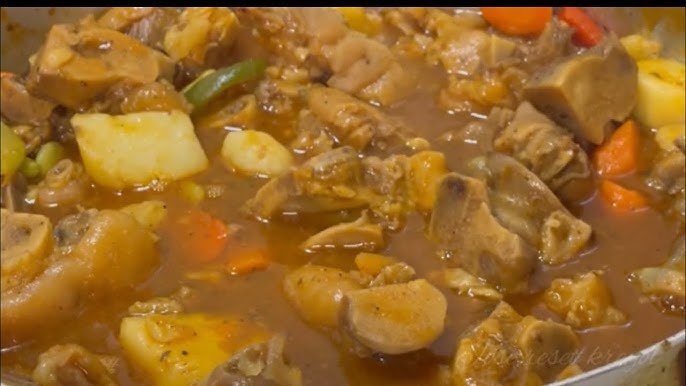
Haïti Wonderland, far from setting itself up as a chef with Michelin stars, brings you the recipe for Haitian vegetables, “legim” or “toufe.”
Read the article in :
Ingredients

• 2 pounds of Haitian-seasoned beef • 2 tablespoons of olive or vegetable oil
• 3 tablespoons of tomato paste (optional)
• 2 cups of water
• 1 chicken bouillon cube (maggi or other)

• 1 cup of water
• 2 eggplants, peeled and cut into pieces
• 0.75 of cabbage, cut into pieces
• 1 package of watercress
• 2 carrots
• 1 medium-sized onion
• 1 mirliton
• 1 hot scotch bonnet pepper (be careful not to burst this pepper)
• ½ lime (juice only)
• ½ teaspoon of salt
• 4 cloves of cloves
• 2 cloves of garlic
• 2 chicken bouillon cubes (maggi or other)
• ¼ teaspoon of clove powder
• 4 tablespoons of olive oil

Cut all your vegetables into pieces. In a saucepan, brown the garlic and onion in a little hot oil. When the garlic becomes translucent, add the eggplant, mirliton, cabbage, carrot, leek and a little water. Cover the saucepan and let the vegetables simmer, which you will then reduce to a puree using a pestle. Return the puree to the heat, salt and pepper. Add a little vinegar, the bouquet garni and the whole goat pepper.
During the week, enjoy the "Toufe" with white rice or rice with the beans of your choice, and come back to give news in comments.

Facebook : https://www.facebook.com/haitiwonderland
Youtube : https://www.youtube.com/@haitiwonderland
Instagram : https://www.instagram.com/haitiwonderland/
Twitter : https://twitter.com/haitiwonderland
Linkedin : https://www.linkedin.com/in/haitiwonderland/
Haiti, often reduced to alarming headlines about gang activity, is much more than that. It is a country whose history, natural riches and culture are deeply woven into the fabric of humanity. Although it faces challenges, there is so much to admire and celebrate in this Caribbean nation.
Subscribe to our newsletter to stay informed of all our activities and news on Haiti.
After several months of suspension, cruises to Labadie, one of Haiti’s most popular tourist destinations, are expected to resume in October 2024. Frantz Duval, a key figure in Haitian journalism, recently shared this encouraging news on the X platform (formerly Twitter). This announcement, confirmed by Le Nouvelliste via a source close to the company managing the Labadie wharf, ends a period of uncertainty marked by months of interruption of tourist activities in this jewel.
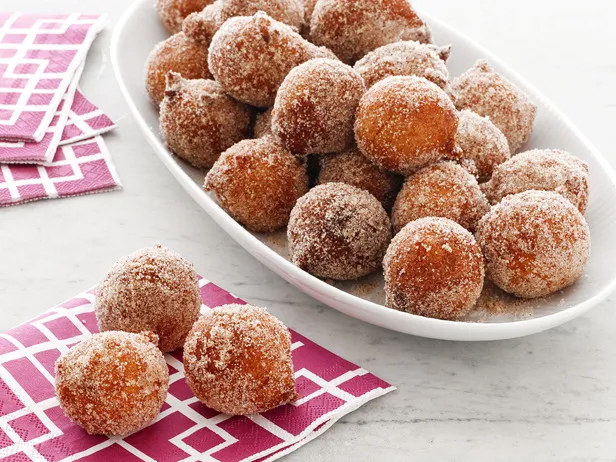
Haitian cuisine is a true invitation to pleasure, and its desserts are no exception. Whether sweet, spicy or fruity, these delicacies offer a tasty glimpse into the country’s culinary traditions. Discover seven must-try Haitian desserts that will satisfy your palate and awaken your sweet tooth.
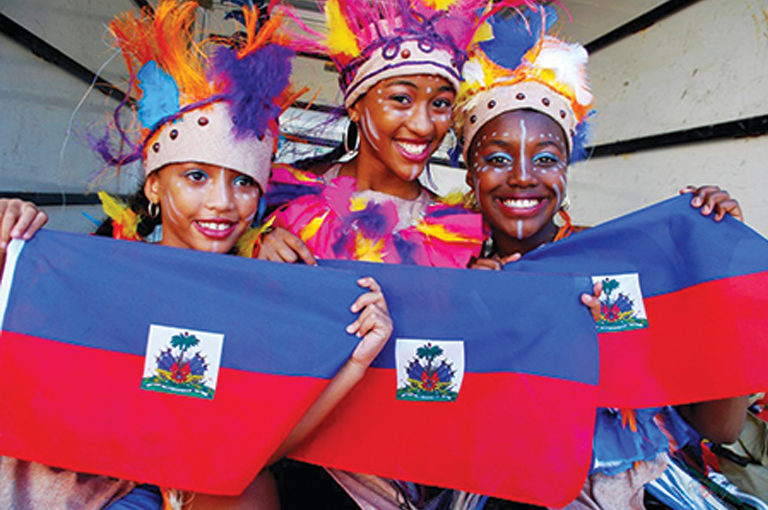
Haiti, often nicknamed "the Pearl of the Antilles", is a Caribbean island nation that shines with its cultural wealth. This richness is the result of a unique blend of African, French, Spanish and indigenous influences, shaped by a tumultuous history and remarkable resilience. Let’s explore together the varied facets of this vibrant and profound culture.

First black nation to free itself from slavery and gain independence from France in 1804 and influenced other liberation movements around the world, inspiring struggles for freedom and equality.

Haïti is blessed with spectacular natural landscapes, including white sand beaches, mountains and rich biodiversity.

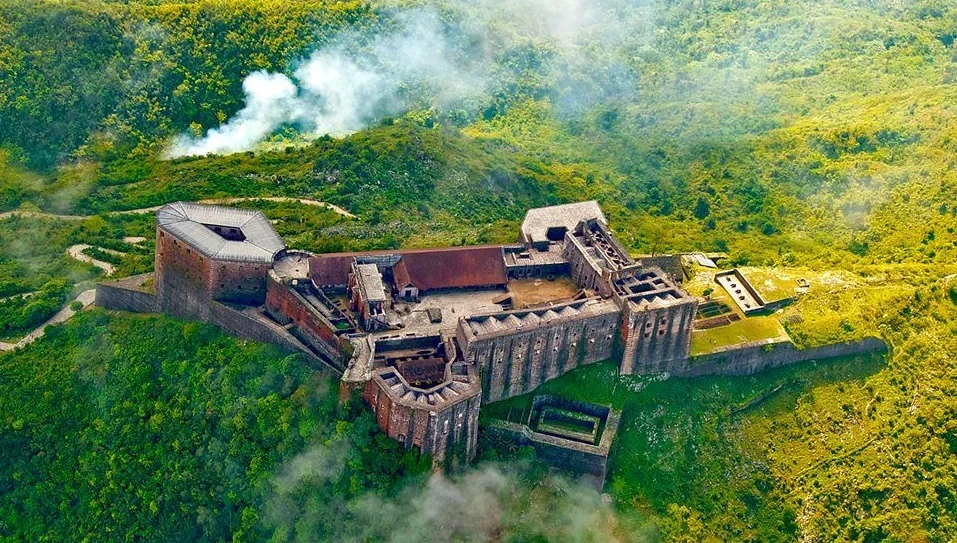
Haïti has a rich historical heritage, including sites like the Citadelle Laferrière and the Sans-Souci Palace, listed as UNESCO World Heritage Sites.

Haïti has a rich and diverse culture, influenced by African, European and indigenous elements. Haitian music, dance, art and cuisine are celebrated around the world.