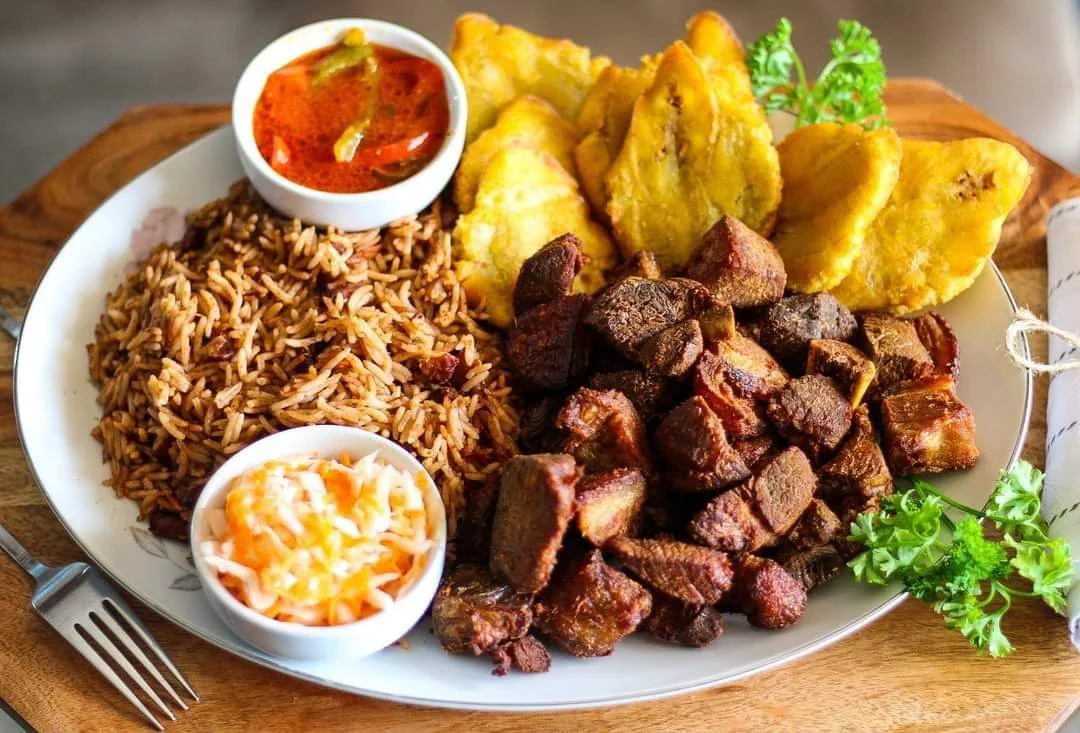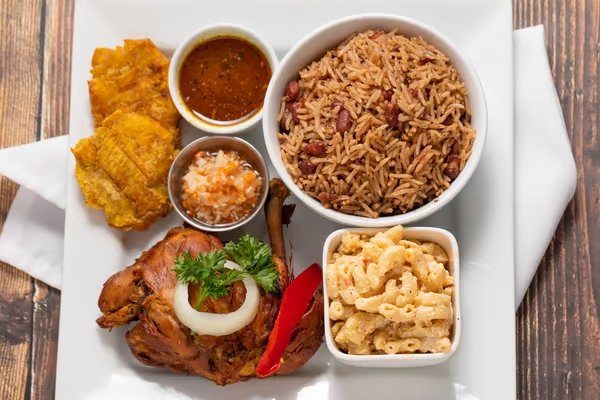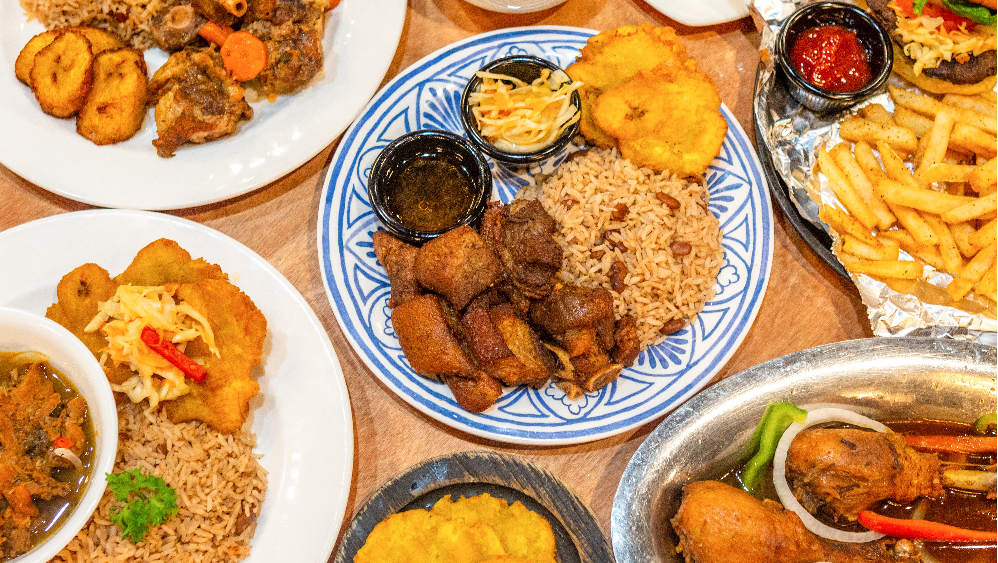


1. Mini Griot or Chicken Sandwiches
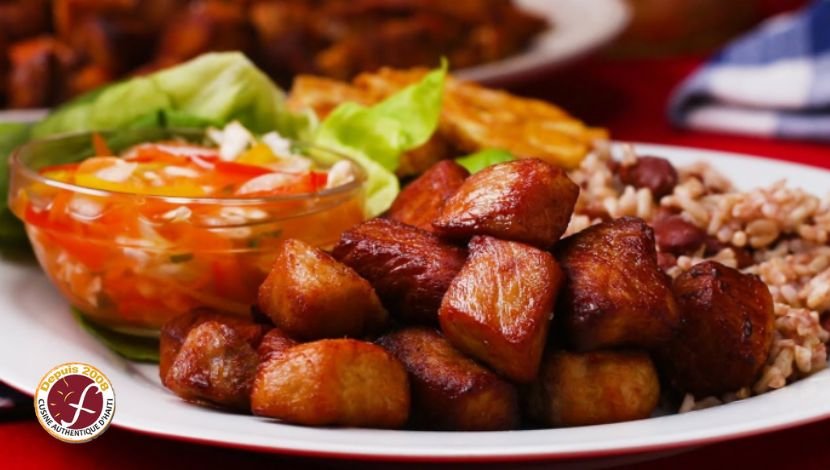
Griot is marinated, crispy porka classic! For an easy-to-eat version, make small sandwiches with bread.
Are you a parent? Are your children already going to school? Don’t say anything, I know! Every morning, it’s the same question: "What’s in their lunch today?" You want it to be tasty, balanced, and, above all, for your child to enjoy what they’re eating.
Here are 5 simple and delicious ideas to treat your child at school.
Read the article in :
Griot is marinated, crispy porka classic! For an easy-to-eat version, make small sandwiches with bread.
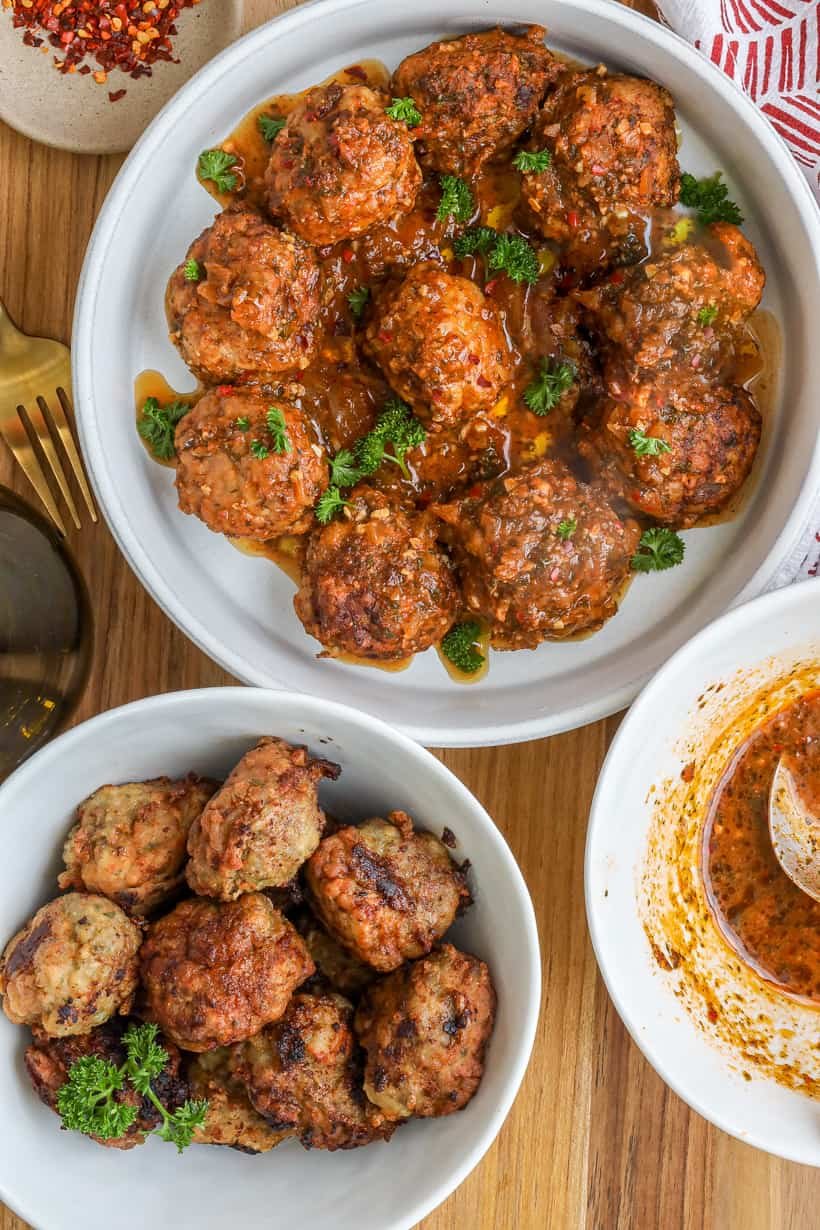
Small, well-seasoned meatballs served with crispy fries and a touch of vegetables (diced peas or carrots) for a complete and balanced meal.
Nothing beats an assortment of local fruits to bring freshness and vitamins! Mango, pineapple, melon, or papaya, cut into chunks for easy eating.
Slices of ripe banana wrapped in thin strips of grilled chicken. A perfect balance of sweet and savory that will delight little gourmands!
If your child enjoys traditional dishes, a small portion of sticky rice with red peas and chunks of fried or grilled fish is a delicious option.

Facebook : https://www.facebook.com/haitiwonderland
Youtube : https://www.youtube.com/@haitiwonderland
Instagram : https://www.instagram.com/haitiwonderland/
Twitter : https://twitter.com/haitiwonderland
Linkedin : https://www.linkedin.com/in/haitiwonderland/
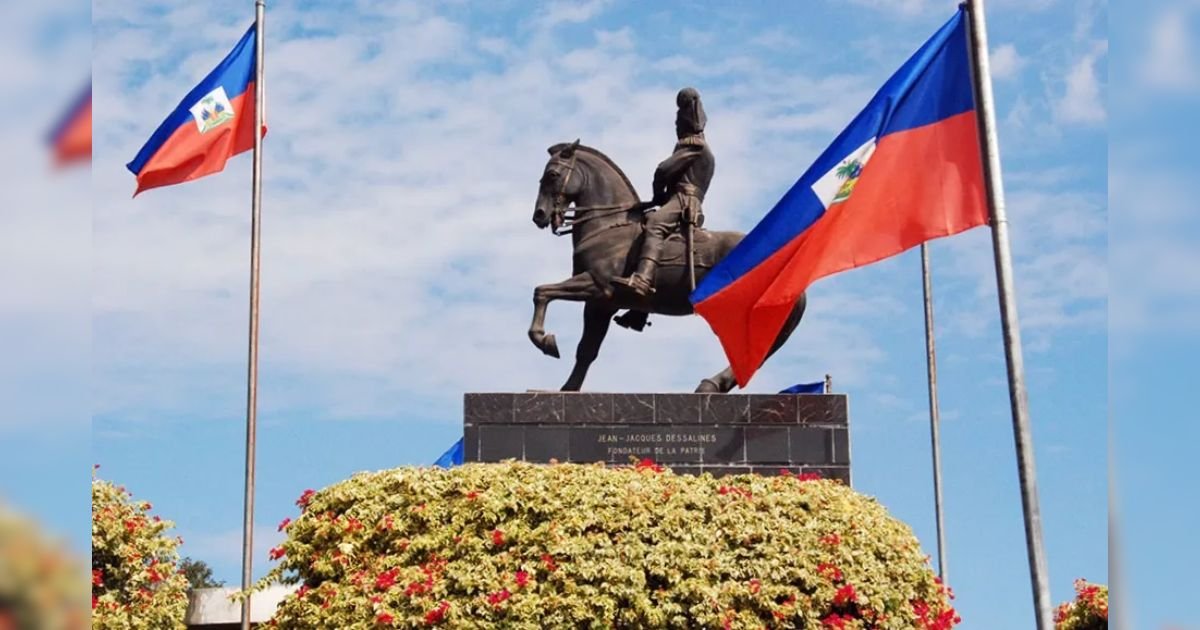
Haiti’s history is marked by founding events, and one of the most significant remains the birth of the Republic of Haïti in 1804. The first president of the Republic of Haiti, a key figure in this history, played a crucial role in the creation of the modern Haitian state. This article invites you to discover the man who marked this major turning point in the history of Haiti: Jean-Jacques Dessalines.
Subscribe to our newsletter to stay informed of all our activities and news on Haiti.
Located in the Caribbean Sea, Haïti is often nicknamed "The Pearl of the Antilles". This laudatory title not only reflects the beauty of its idyllic beaches, but also the history, culture and natural wealth of this island nation. Throughout the centuries, Haïti has acquired this prestigious reputation for various reasons, which go beyond its picturesque landscapes. b~Natural Beauty:~b Haïti is blessed with an abundance of natural beauty. Its sandy beaches, crystal clear waters, majestic mountains and lush valleys make it a dream destination for travelers from all over the world. Generous nature has endowed Haïti with impressive ecological diversity, which has helped shape its image as the pearl of the Antilles. b~Cultural Wealth:~b Beyond its landscapes, it is the richness of Haïtian culture which contributes to its reputation as a pearl. Haïti has a fascinating history, blending influences from indigenous Taino people, European settlers and African slaves. This cultural fusion gave rise to a unique artistic and musical tradition, embodied in expressions such as voodoo, naive painting and compass music. b~Historical Heritage:~b Haïti has played a central role in the history of the struggle for freedom and equality. In 1804, it became the first independent republic in Latin America and the Caribbean, after a revolution led by freed slaves. This courageous act of independence established Haïti as a symbol of resistance and determination, adding a historic dimension to its status as the pearl of the Antilles. b~Natural Resources~b Haïti is abundant in valuable natural resources, which has contributed to its nickname as the Pearl. Mineral-rich mountains, fertile soils and abundant water reserves have made Haïti a land of opportunity. Haïti, the pearl of the Antilles, is much more than just a tourist destination. It is a country whose natural beauty, cultural richness, historical heritage and natural resources contribute to a unique identity. It remains a jewel in the crown of the Caribbean, reminding the world of the strength and resilience of the Haïtian people.
Dedikas is an initiative taken by the young Haitian slam poet, Jean Wood Jude, better known as the Silent Poet. It is a cultural event that highlights poetry and music in the heart of Port-au-Prince. The event aims to offer a space for expression to young artists, especially those evolving in the Haitian slam scene. Dedikas has already taken place twice, and a third edition is planned for Saturday, December 22, 2024, at the Soho premises, located at Delmas 41, number 16, from 2:30 p.m. to 7:00 p.m. This new edition follows on from the first two, which took place respectively on October 8 and December 20, 2023.
KOJES is a non-profit youth association founded in November 2020 in Cité Soleil, the largest slum in Haïti and the Caribbean. From its inception, KOJES has been committed to promoting education, culture, and training through various initiatives. One of its flagship projects is a space for social and cultural debate that has allowed many young people to meet and discuss social issues. Although the clashes that resumed in Cité Soleil in September 2022 temporarily halted this section, KOJES was able to recover by launching the KOJES letter-writing competition, aimed at reestablishing this precious connection between young people through literature. Today, the association is embarking on a new challenge with the Jèn Soley Festival, which will take place from September 20 to 22, 2025, under the evocative theme: "Saying to Exist." Among the guests participating in this festival are the renowned Lyonel Trouillot, the talented poet Carl Henry Burrin, the young slam poet Pacôme Emmanuel, the novelist Louis Bernard Henry, the poet Inima Jeudi, and the young poet Adlyne Bonhomme.
There are several reasons why a foreign national might be interested in visiting Haiti: Rich and diverse culture: Haïti has a unique culture resulting from a mixture of African, European (particularly French) and Caribbean influences. This is reflected in its music, cuisine, art and traditions. Fascinating history: Haïti was the first country in Latin America and the Caribbean to gain independence in 1804 after a successful slave revolt. Its history is rich in significant events and important historical figures. Magnificent natural landscapes: The island of Haïti offers a variety of breathtaking landscapes, from white sandy beaches to lush green mountains, picturesque waterfalls and isolated islands. Hospitality of the locals: Haitians are known for their warmth and hospitality towards foreign visitors, making the travel experience very pleasant and enriching on a human level. Opportunities for Sustainable Tourism: Haïti offers opportunities for sustainable tourism, including encouraging visits that directly benefit local communities and environmental conservation. Exploring historic sites: Historic sites such as the UNESCO-listed Citadelle Laferrière offer visitors a chance to discover colonial architecture and remains from pre-Columbian times. Vibrant cultural celebrations: Haïti is famous for its colorful festivals and cultural celebrations throughout the year, such as Carnival, where music, dance and traditional costumes are in the spotlight. In summary, visiting Haïti can offer a deep and authentic cultural experience, as well as an exploration of the unique natural and historical beauties of this Caribbean nation.

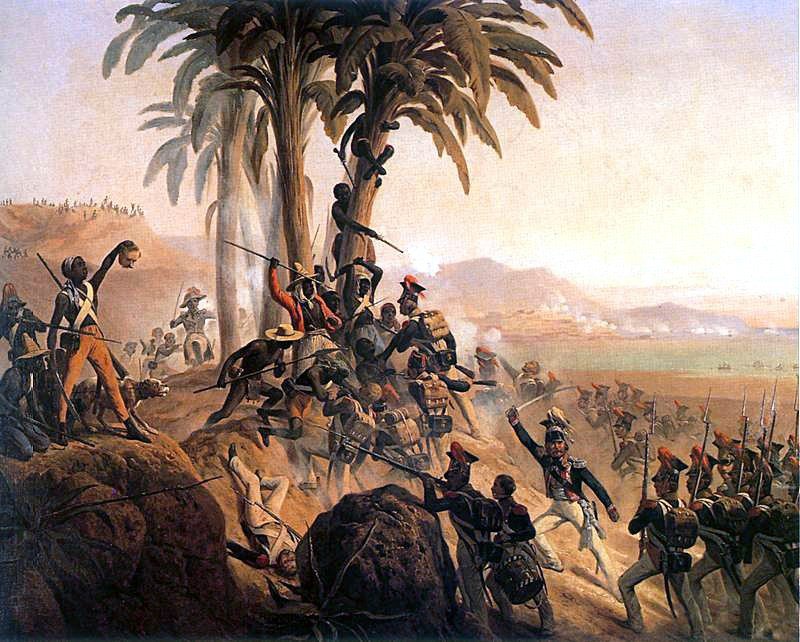
First black nation to free itself from slavery and gain independence from France in 1804 and influenced other liberation movements around the world, inspiring struggles for freedom and equality.

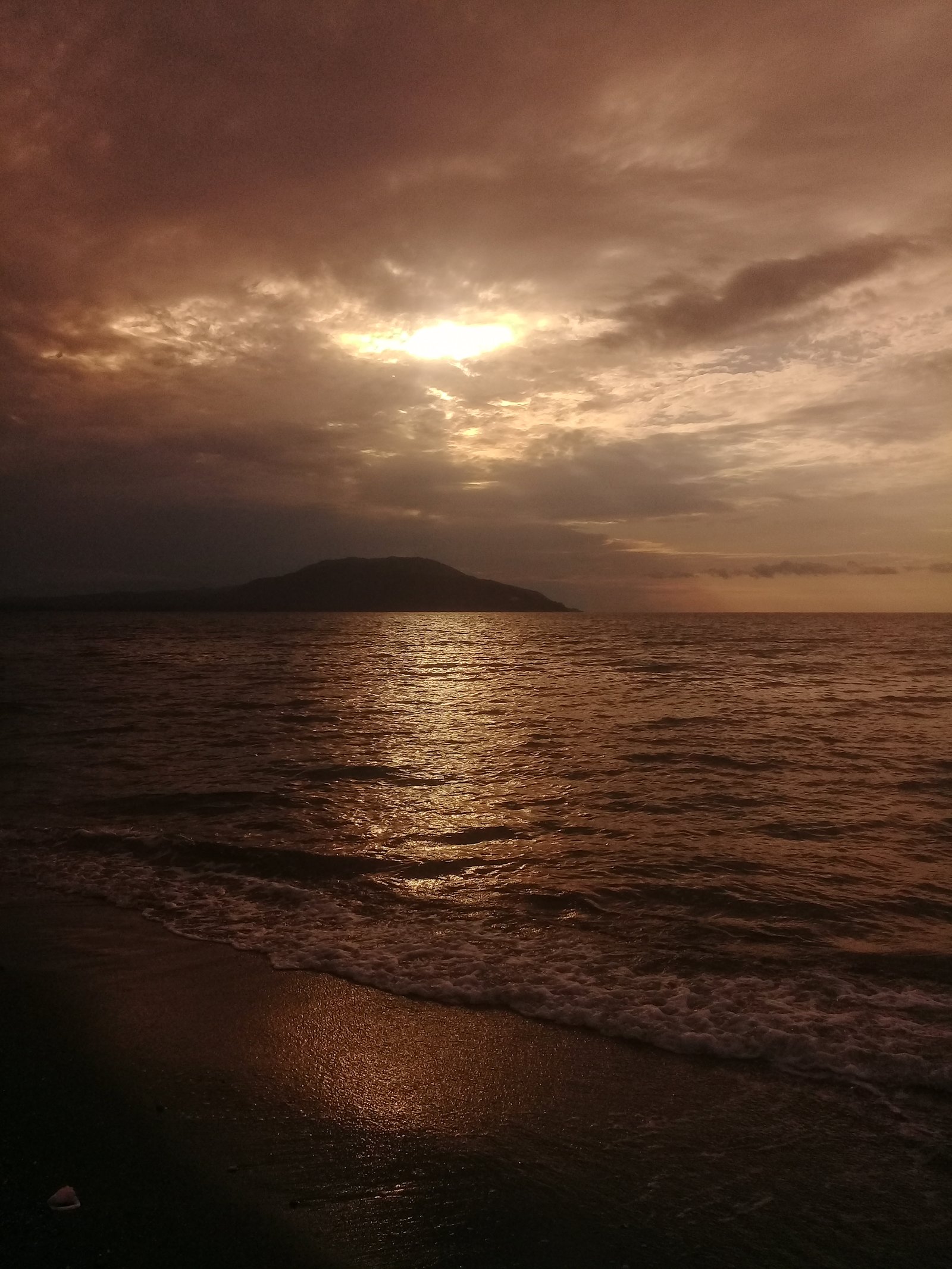
Haïti is blessed with spectacular natural landscapes, including white sand beaches, mountains and rich biodiversity.

Haïti has a rich historical heritage, including sites like the Citadelle Laferrière and the Sans-Souci Palace, listed as UNESCO World Heritage Sites.

Haïti has a rich and diverse culture, influenced by African, European and indigenous elements. Haitian music, dance, art and cuisine are celebrated around the world.