contact@haitiwonderland.com+509 36184317

Discover

Shopping Cart

What makes soup joumou so special to Haitians?

What makes soup joumou so special to Haitians?

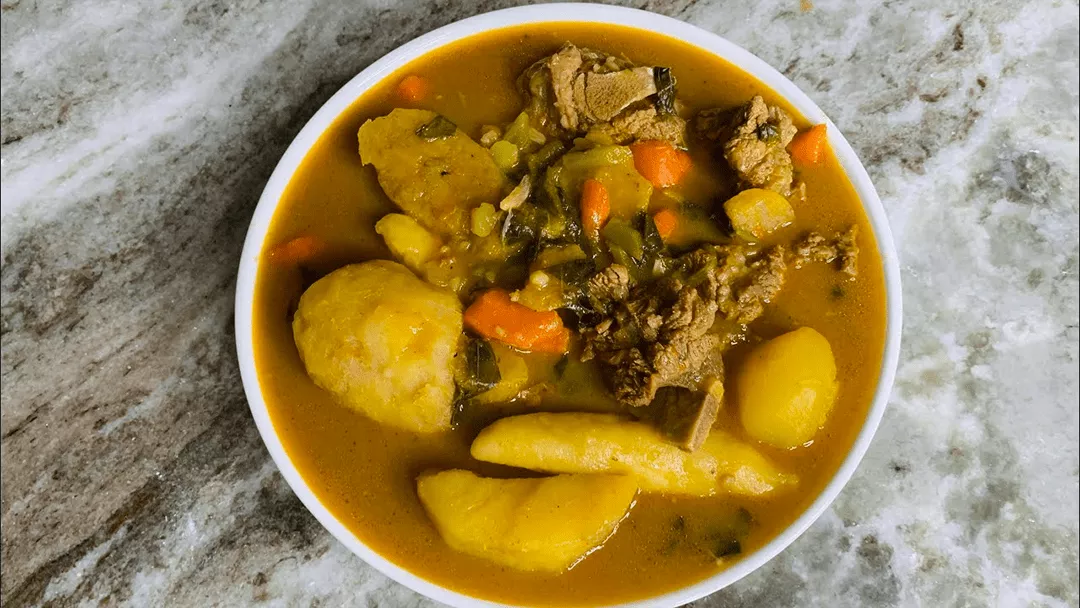
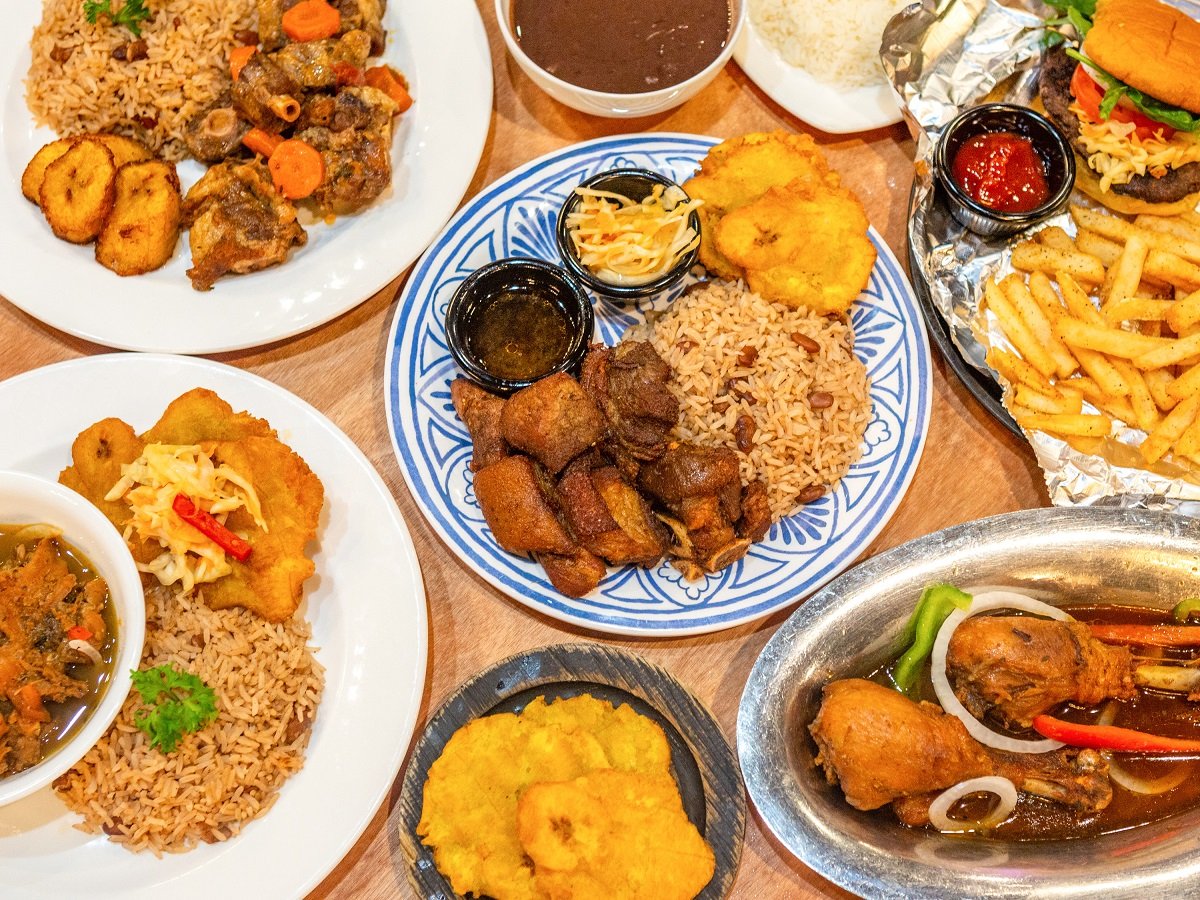
Soup joumou, a traditional Haitian dish, is more than just a mealtime treat. For Haitians, the soup is a symbol of their struggle for freedom and national identity. This article explores the history, meaning, and how soup joumou plays a central role in Haitian culture.

Soup Joumou Haiti
Soup Joumou Haiti
Soup Joumou Haiti

A Deep History: Soup Joumou and Freedom

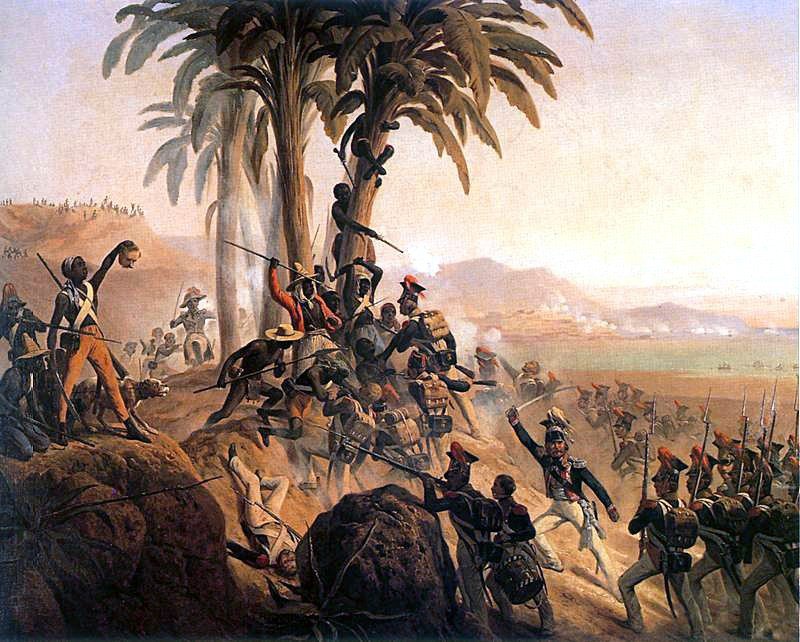
Soup joumou is traditionally eaten on January 1st, Haiti’s Independence Day celebration. Indeed, the dish is a powerful symbol of the country’s independence, which was gained in 1804 when Haïti became the first country to abolish slavery and establish a black republic.

During the colonial period, soup joumou was reserved exclusively for French colonists, who enjoyed it as a luxury dish. African slaves were forbidden to consume it. However, after the Haitian Revolution and the victory of the slaves, soup joumou became a symbol of victory over oppression and a sign of freedom for Haitians. Celebrating January 1st with soup joumou is therefore an act of memory, resilience and national pride.
Soup Joumou Haiti
Soup Joumou Haiti
Soup Joumou Haiti

A Dish of National Pride and Family Reunion

Soup joumou is not only a gourmet recipe: it is an act of family and community gathering. January 1st, in addition to marking independence, is a day when Haitians come together as a family to prepare and share this soup. It is an opportunity to remember past struggles and to pass on the values ​​of unity and freedom to future generations.

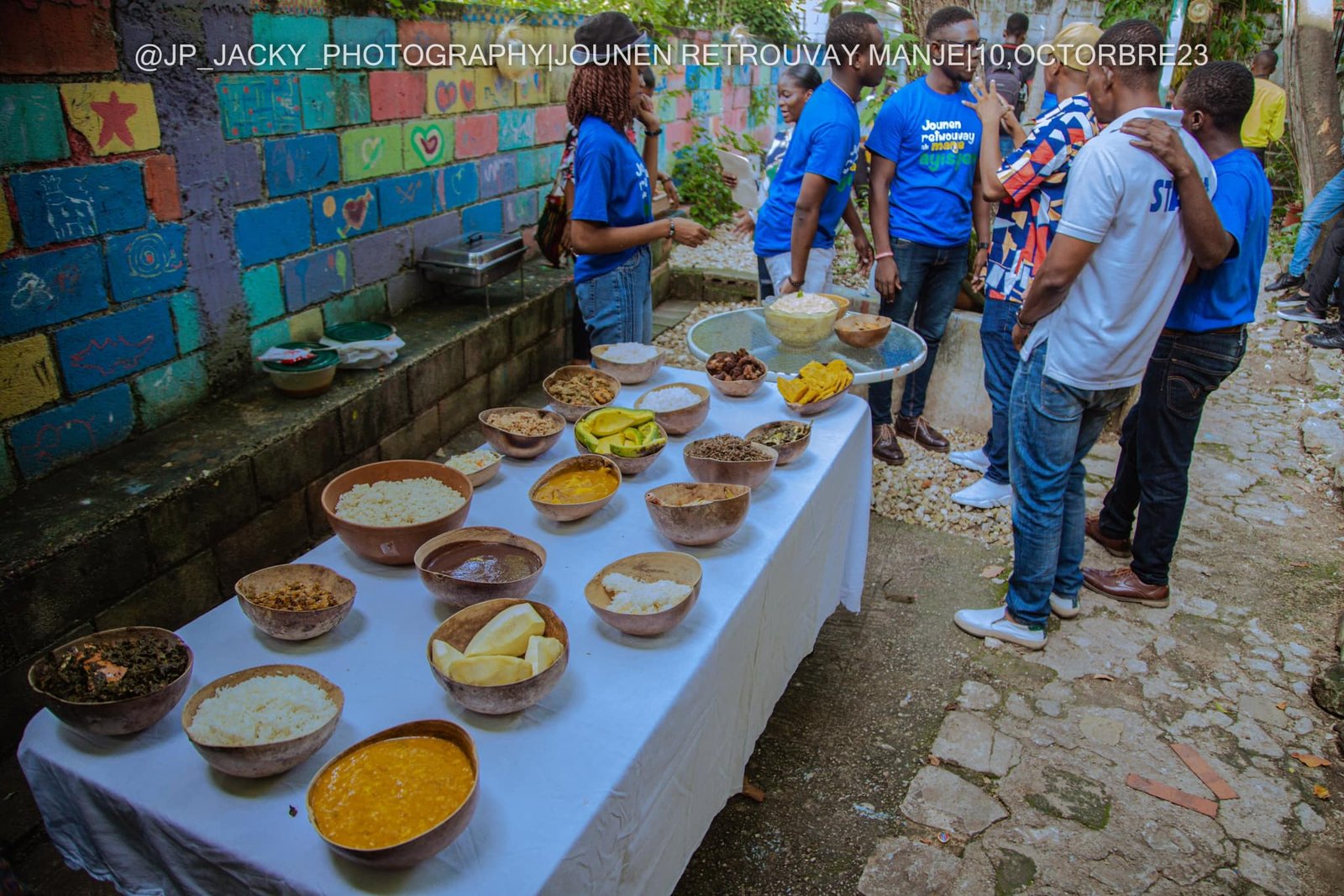
In many parts of Haiti, people go to community houses or churches where events are held to share soup joumou with neighbors and friends. This communal meal symbolizes sharing, unity, and the awakening of collective consciousness.

Soup Joumou Haiti
Soup Joumou Haiti
Soup Joumou Haiti

Why Soupe Joumou Remains an Unmissable Symbol?

What makes soup joumou so special to Haitians is its emotional history, its cultural value, and its role in preserving national identity. It is much more than just a dish: it is an act of remembrance, a tribute to ancestors, and a symbol of emancipation. Each bite is a reminder of the victory over colonial oppression, and each year on January 1st, Haitians come together to celebrate their freedom and the unity of the Haitian people.

Share
About the Author
Appolon Guy Alain
Appolon Guy Alain
Appolon Guy Alain

Full Stack Developer, Créatif, expérimenté, passionné des nouvelles technologies et de l’art.

See other articles from Appolon Guy Alain
Clerveusaravna

Good

June 04, 2025 - 06:53:18 PM
Leave a comment

Recently Posted

Haiti: seaside resorts

Haiti, often recognized for its rich history, vibrant culture and mountainous landscape, is also blessed with a stunning coastline lined with picturesque beaches. Haitian beach resorts offer a unique experience where white sand meets the crystal clear waters of the Caribbean Sea. These beach destinations are emerging as hidden gems, ready to be discovered by travelers hungry for sun and adventure. A Rich and Cultural History Haiti’s resorts don’t just offer breathtaking scenery; they are also steeped in rich history and culture. Visitors can explore historic sites such as the Citadelle Laferrière, a majestic fortress built in the early 19th century, or the Palais Sans-Souci, a former royal residence dating back to the colonial era. Additionally, Haitian music, dance and cuisine bring a lively and colorful touch to the seaside experience, giving visitors an authentic insight into local culture. Heavenly Beaches Haiti’s beaches are some of the most beautiful in the Caribbean, offering miles of pristine white sand bordered by sparkling turquoise waters. Destinations such as Jacmel, Labadee and Île-à-Vache offer tranquil retreats where visitors can relax in the tropical sun or indulge in a host of water activities, such as snorkeling, sailing and boating. kayak. Whether you’re looking for excitement or tranquility, Haiti’s beaches offer something for everyone. An Emerging Ecotourism Haïti is also becoming a popular destination for ecotourism enthusiasts. With its unique biodiversity and unspoilt landscapes, the country offers unique opportunities for bird watching, jungle hiking and discovering spectacular natural sites such as the Saut-d’Eau waterfalls and caves. Environmentally conscious travelers will find in Haïti a perfect balance between adventure and nature conservation. Haiti’s resorts offer much more than spectacular beaches. They offer immersion in a vibrant culture, fascinating history and preserved nature. By choosing to visit Haiti, travelers have the opportunity to discover a jewel of the Caribbean, while contributing to the economic development and well-being of this extraordinary country.

Newsletter

Subscribe to our newsletter to stay informed of all our activities and news on Haiti.

Haïti: The Pearl of the Antilles

Located in the Caribbean Sea, Haïti is often nicknamed "The Pearl of the Antilles". This laudatory title not only reflects the beauty of its idyllic beaches, but also the history, culture and natural wealth of this island nation. Throughout the centuries, Haïti has acquired this prestigious reputation for various reasons, which go beyond its picturesque landscapes. b~Natural Beauty:~b Haïti is blessed with an abundance of natural beauty. Its sandy beaches, crystal clear waters, majestic mountains and lush valleys make it a dream destination for travelers from all over the world. Generous nature has endowed Haïti with impressive ecological diversity, which has helped shape its image as the pearl of the Antilles. b~Cultural Wealth:~b Beyond its landscapes, it is the richness of Haïtian culture which contributes to its reputation as a pearl. Haïti has a fascinating history, blending influences from indigenous Taino people, European settlers and African slaves. This cultural fusion gave rise to a unique artistic and musical tradition, embodied in expressions such as voodoo, naive painting and compass music. b~Historical Heritage:~b Haïti has played a central role in the history of the struggle for freedom and equality. In 1804, it became the first independent republic in Latin America and the Caribbean, after a revolution led by freed slaves. This courageous act of independence established Haïti as a symbol of resistance and determination, adding a historic dimension to its status as the pearl of the Antilles. b~Natural Resources~b Haïti is abundant in valuable natural resources, which has contributed to its nickname as the Pearl. Mineral-rich mountains, fertile soils and abundant water reserves have made Haïti a land of opportunity. Haïti, the pearl of the Antilles, is much more than just a tourist destination. It is a country whose natural beauty, cultural richness, historical heritage and natural resources contribute to a unique identity. It remains a jewel in the crown of the Caribbean, reminding the world of the strength and resilience of the Haïtian people.

Recently Posted

History

History

First black nation to free itself from slavery and gain independence from France in 1804 and influenced other liberation movements around the world, inspiring struggles for freedom and equality.

Natural beauty

Natural beauty

Haïti is blessed with spectacular natural landscapes, including white sand beaches, mountains and rich biodiversity.

Heritage

Heritage

Haïti has a rich historical heritage, including sites like the Citadelle Laferrière and the Sans-Souci Palace, listed as UNESCO World Heritage Sites.

Culture

Culture

Haïti has a rich and diverse culture, influenced by African, European and indigenous elements. Haitian music, dance, art and cuisine are celebrated around the world.

  • +
    • Post