contact@haitiwonderland.com+509 36184317

Discover

Shopping Cart

Haitian Cuisine: Enjoy a good lalo to start April off right!

Haitian Cuisine: Enjoy a good lalo to start April off right!

When was the last time you enjoyed a good lalo? Were you satisfied? What particularly struck you: the taste, the company of good friends?

Tell us all about it in the comments!


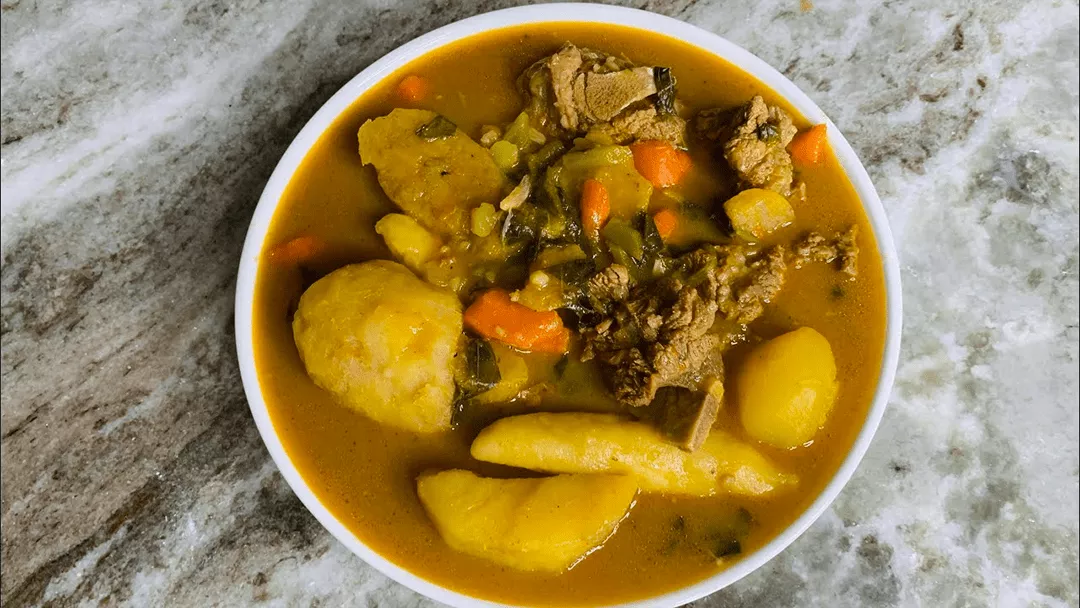
Lalo is an iconic dish from northern Haiti, particularly popular in the Artibonite region. It is prepared with jute leaves, a green plant with multiple health benefits. Rich in iron, vitamins, and fiber, lalo is known to give strength and energy.

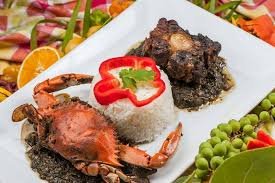
At home, we often cook it with beef, crab, or shrimp, served with white rice and a spicy sauce. Its slightly sticky texture may be surprising, but its savory flavor and spices make it a comforting dish that everyone enjoys.

Beyond its flavor, lalo holds a special place in Haitian culture: it’s often prepared at large family gatherings or on holidays, bringing together young and old alike around a delicious meal.

So, are you ready to savor a delicious lalo to welcome April with a sweet tooth?

Share
About the Author
Jeunes Influenceurs
Jeunes Influenceurs
Leave a comment

Recently Posted

Newsletter

Subscribe to our newsletter to stay informed of all our activities and news on Haiti.

Jacmel: the Haitian city whose history is linked to the liberation of Latin America

Jacmel is a city located on the southern coast of Haiti, specifically in the southeastern department. To this day, the city is known for its well-preserved colonial architecture and rich historical heritage, as well as its carnival, one of the most famous in the Caribbean. Jacmel is one of the oldest cities in Haiti. Its origins, according to some historians, trace back to the time of the Taíno people, the island’s first inhabitants, who lived here long before the arrival of Christopher Columbus and his settlers in 1492. Long before it became Jacmel, this city in southeastern Haïti was called Yakimel. The renaming of Jacmel was carried out by the French during their colonization of the western part of the island of Hispaniola. Over the years, Jacmel has transformed into a city where living well blends with the beauty of the sea, in the hearts of its visitors. Nature is fully embraced here, and the sea remains a source of joy throughout the day. Jacmel offers all of this, in addition to its glorious past, which anchors it as a major location in Haiti’s grand history. With its unique charm, Jacmel is among the Haitian cities that can leave a lasting impression. In the 1950s and 60s, until the early 1980s, Jacmel was one of the most popular tourist destinations in the Caribbean due to its reputation as a city with unmatched natural beauty and grace. During this time, the Jacmel coastline warmly welcomed cruise ships filled with tourists from all corners of the world. It was also during this period that Jacmel was one of the most commercially active cities in Haiti, among the country’s most economically flourishing, thanks to the significant influx of tourists.

Recently Posted

History

History

First black nation to free itself from slavery and gain independence from France in 1804 and influenced other liberation movements around the world, inspiring struggles for freedom and equality.

Natural beauty

Natural beauty

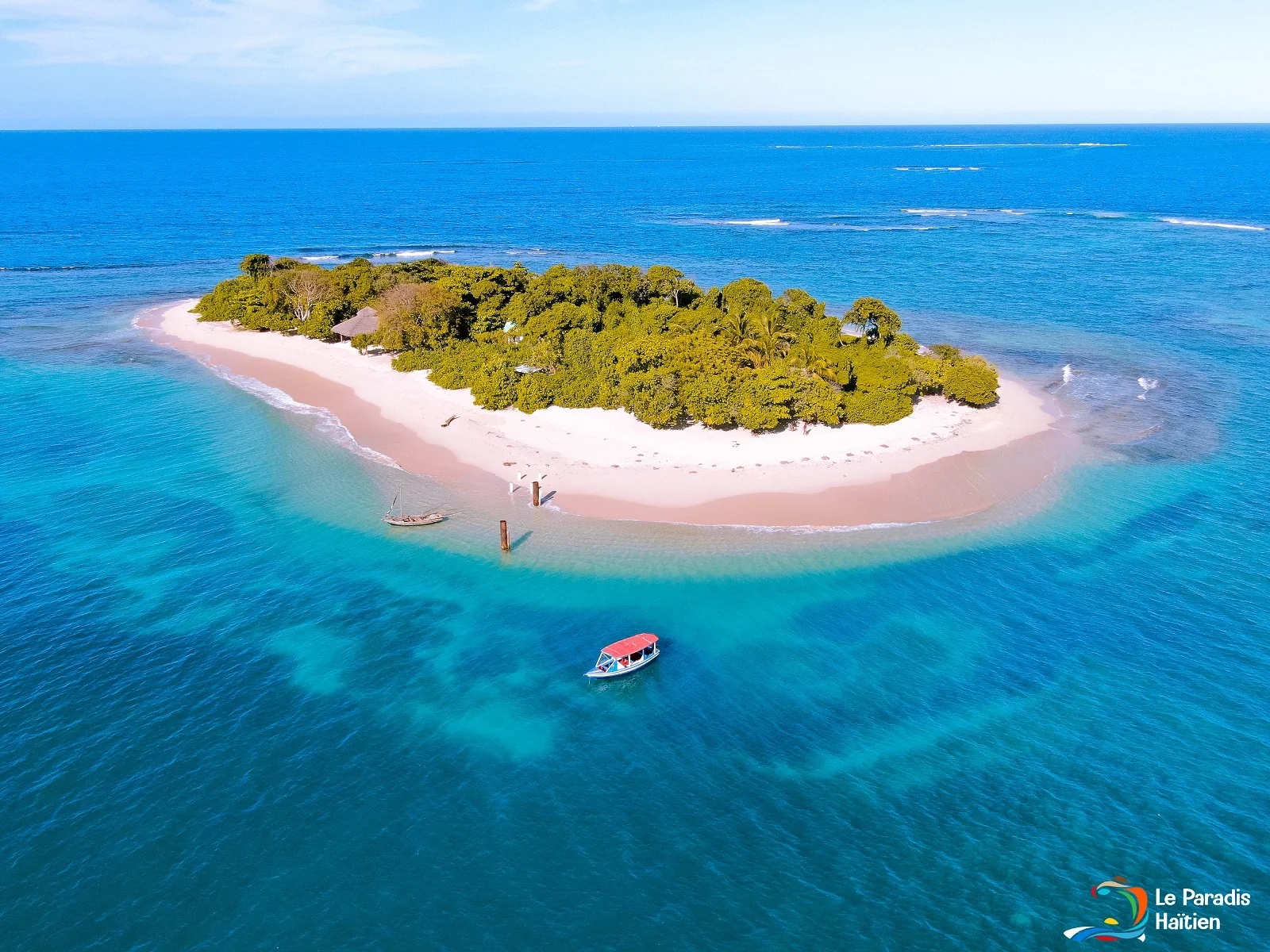
Haïti is blessed with spectacular natural landscapes, including white sand beaches, mountains and rich biodiversity.

Heritage

Heritage

Haïti has a rich historical heritage, including sites like the Citadelle Laferrière and the Sans-Souci Palace, listed as UNESCO World Heritage Sites.

Culture

Culture

Haïti has a rich and diverse culture, influenced by African, European and indigenous elements. Haitian music, dance, art and cuisine are celebrated around the world.

  • +
    • Post