January 1 is an emblematic date for Haiti, marking not only the start of the new year but above all the commemoration of the country’s independence. In 1804, after a fierce struggle against French colonial rule, Haïti became the world’s first independent black republic. This day is celebrated with pride and fervor across the country, combining tradition, history and culture.
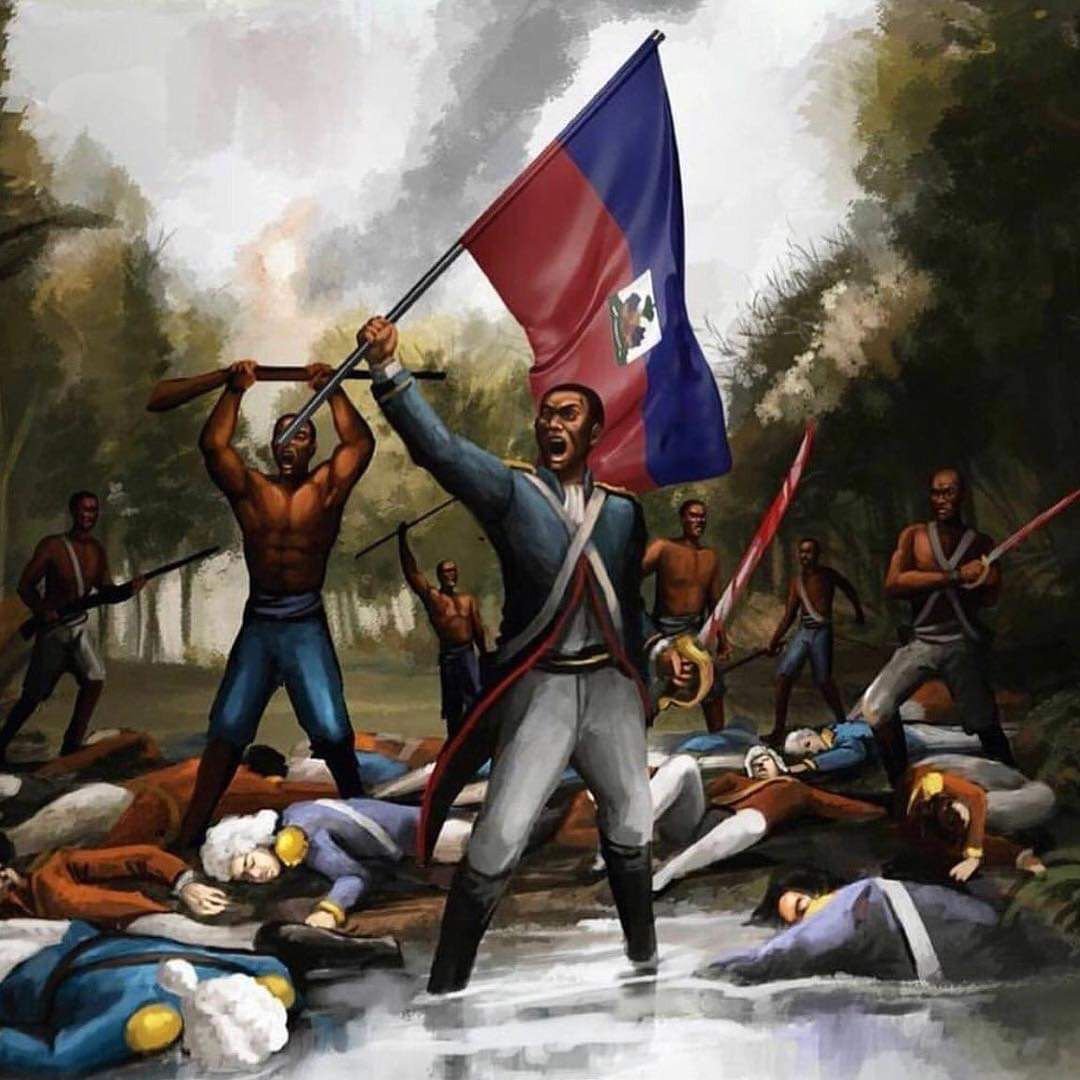
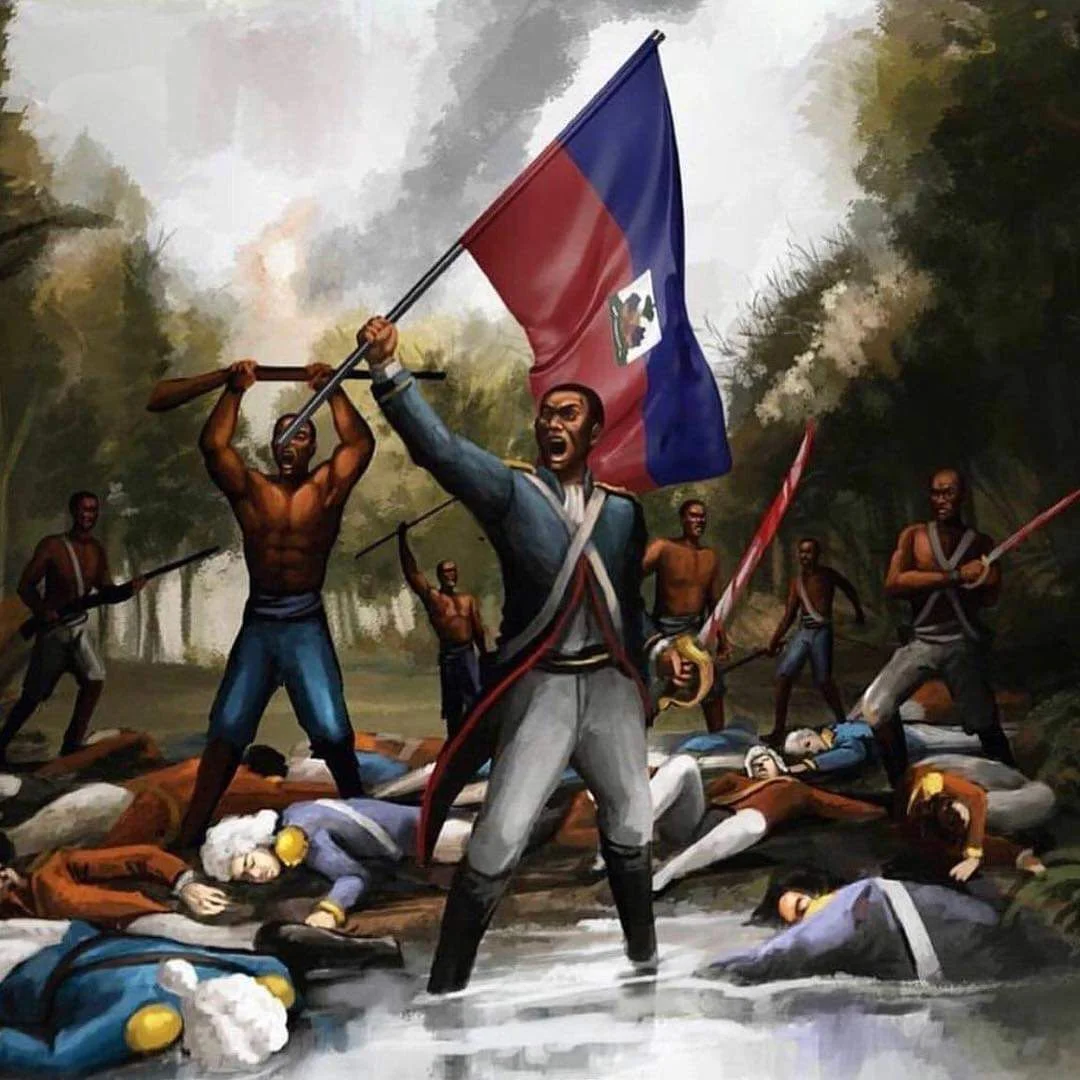
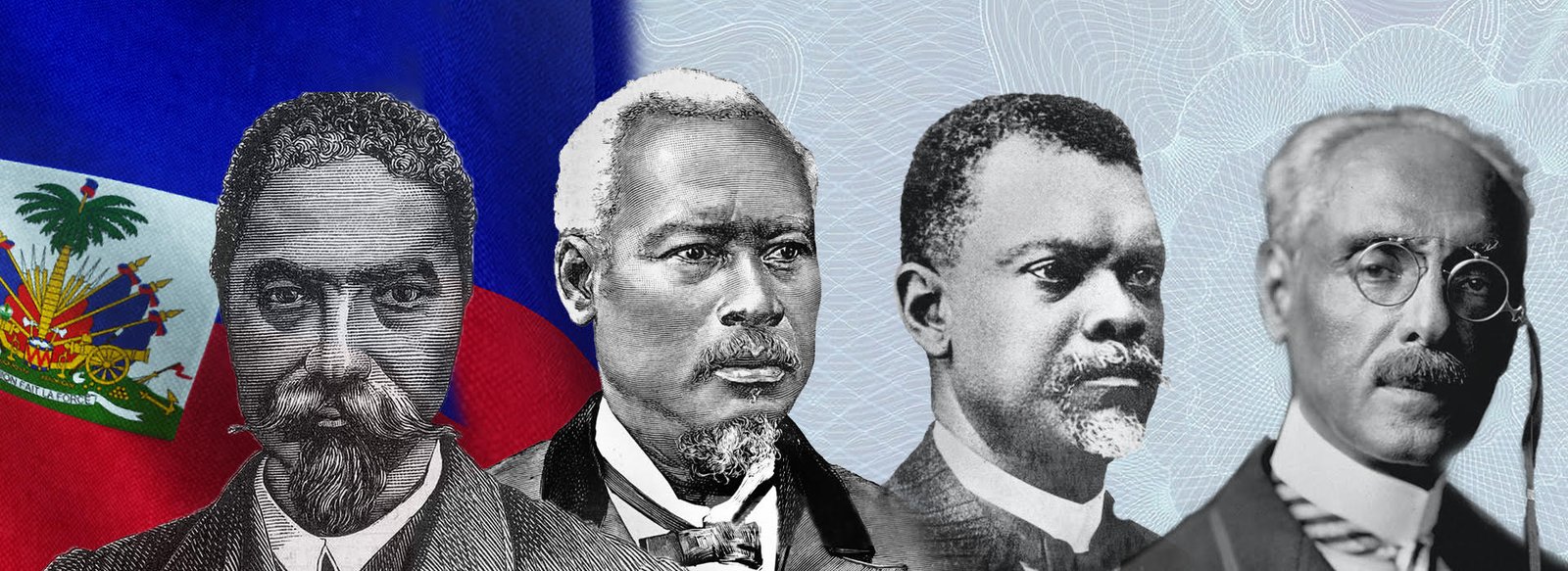
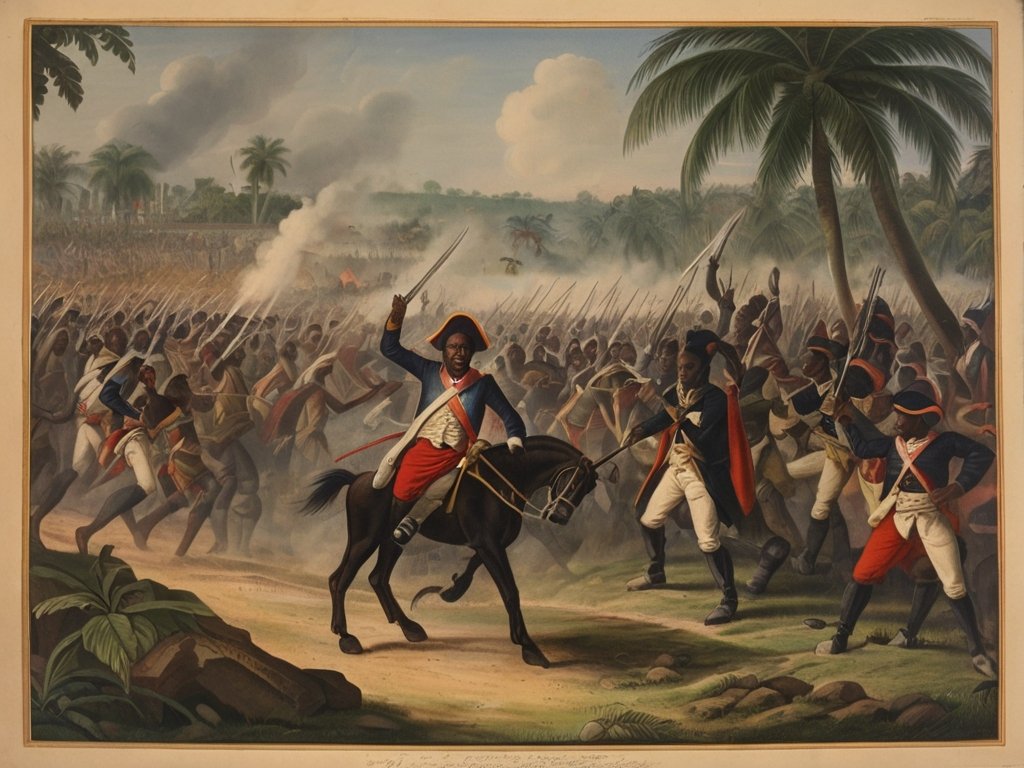
The history of Haitian independence is rooted in a series of revolts led by African slaves and freedmen against French colonists. The Haitian Revolution, which began in 1791, was a complex and violent movement, marked by decisive battles and the bravery of iconic figures such as Toussaint Louverture, Jean-Jacques Dessalines and Henri Christophe. On January 1, 1804, Jean-Jacques Dessalines officially proclaimed the independence of Haïti in Gonaïves, thus laying the foundations of a new free nation.
The celebration of January 1 in Haïti is a combination of patriotic rites and cultural traditions. The day usually begins with official ceremonies and patriotic speeches, often given by government and local officials, recalling the importance of independence and the sacrifices made to achieve it.
A central element of this celebration is "soup joumou", a traditional soup made from giraumon (a variety of squash), vegetables, meat and pasta. This soup is not only a festive dish, it is highly symbolic. Under the colonial regime, slaves were forbidden to consume this dish, reserved for masters. By tasting it on Independence Day, Haitians reaffirm their newfound freedom and dignity.
In addition to official ceremonies and traditional meals, January 1 is also a day of celebration marked by various cultural and social events. Parades, concerts, folk dances and plays are organized in several regions of the country, allowing Haitians to celebrate their cultural identity and strengthen their sense of national belonging.
The festivities are also an opportunity to get together with family and friends. The streets fill with music, laughter and joy, creating a warm and friendly atmosphere. Haitians take advantage of this day to remember their common history and to look to the future with hope and determination.
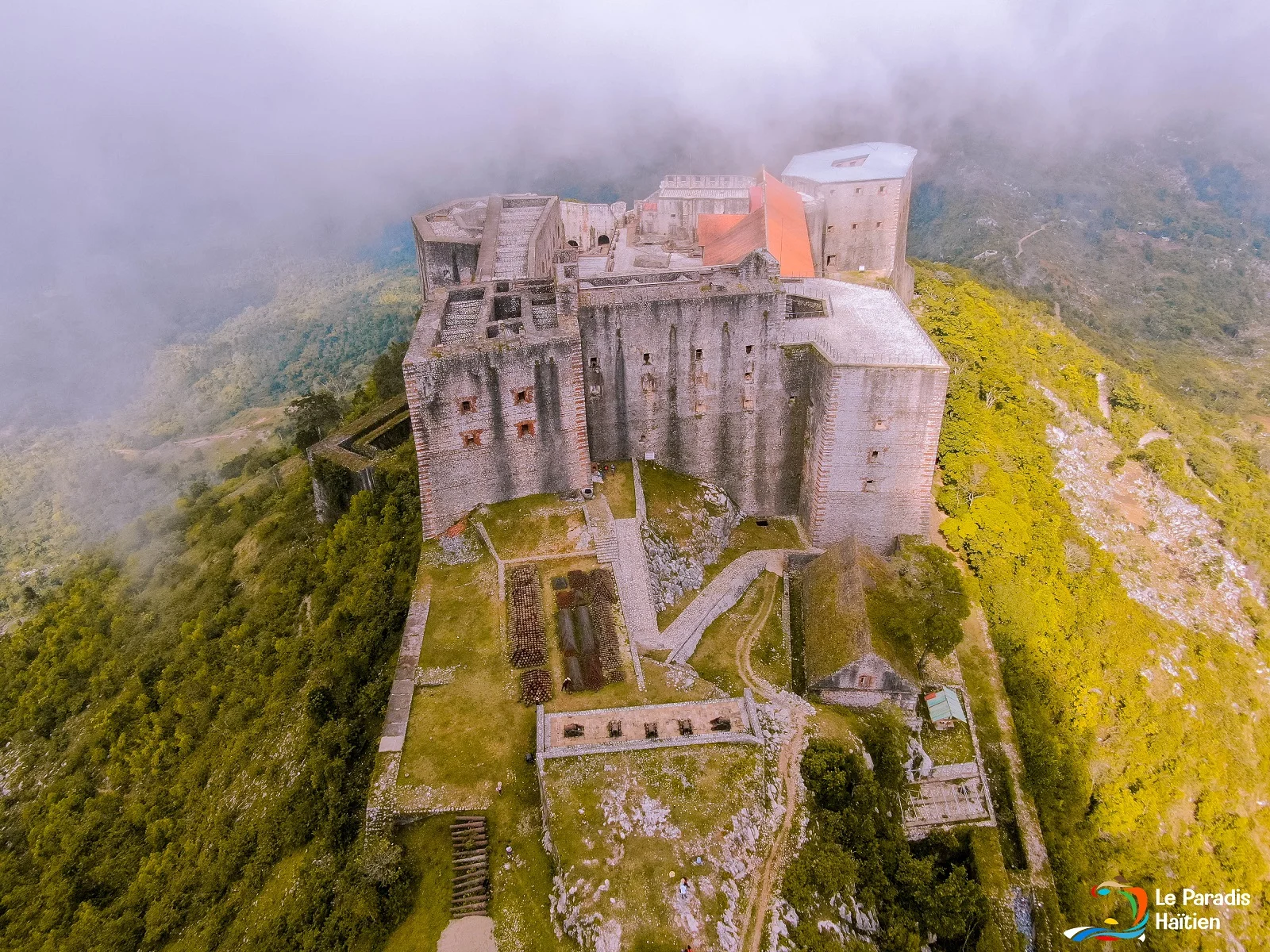
Tourism also plays a role in Haiti’s January 1 celebration. Many tourists, both local and international, visit the country to take part in the festivities. Historical sites like the Citadelle Laferrière, the Palais Sans-Souci and the beaches of the Haitian coast attract visitors eager to discover the cultural and historical richness of Haiti. Hotels, restaurants and travel agencies organize special events for tourists, thus contributing to the local economy and the country’s international influence.
January 1st in Haïti is much more than just a date on the calendar. It is a celebration of freedom, resilience and Haitian identity. Through official ceremonies, culinary traditions and cultural events, Haitians pay homage to their ancestors and reaffirm their commitment to the ideals of freedom and justice. This day is a powerful reminder of how far we have come and an encouragement to continue the fight for a prosperous and united Haiti.
Share
About the Author
Appolon Guy Alain
Appolon Guy Alain
Full Stack Developer, Créatif, expérimenté, passionné des nouvelles technologies et de l’art.
First black nation to free itself from slavery and gain independence from France in 1804 and influenced other liberation movements around the world, inspiring struggles for freedom and equality.
Natural beauty
Haïti is blessed with spectacular natural landscapes, including white sand beaches, mountains and rich biodiversity.
Heritage
Haïti has a rich historical heritage, including sites like the Citadelle Laferrière and the Sans-Souci Palace, listed as UNESCO World Heritage Sites.
Culture
Haïti has a rich and diverse culture, influenced by African, European and indigenous elements. Haitian music, dance, art and cuisine are celebrated around the world.




































Hola me gusta mucho lo que esta haciendo pero creo que hay muchisimo repetición de palabras avecez es un poco aburrido gracias .
November 22, 2024 - 10:03:17 AM