contact@haitiwonderland.com+509 36184317

Discover

Shopping Cart

What are the national holidays in Haiti?

What are the national holidays in Haiti?

Haiti, rich in history and culture, celebrates several national holidays throughout the year. These celebrations reflect the identity and resilience of the Haitian people, marking key moments in their history and honoring their traditions. Discover the most important national holidays in Haiti, their meanings and how they are celebrated.

Haïti
Haïti
Haïti

National Independence Day January 1st

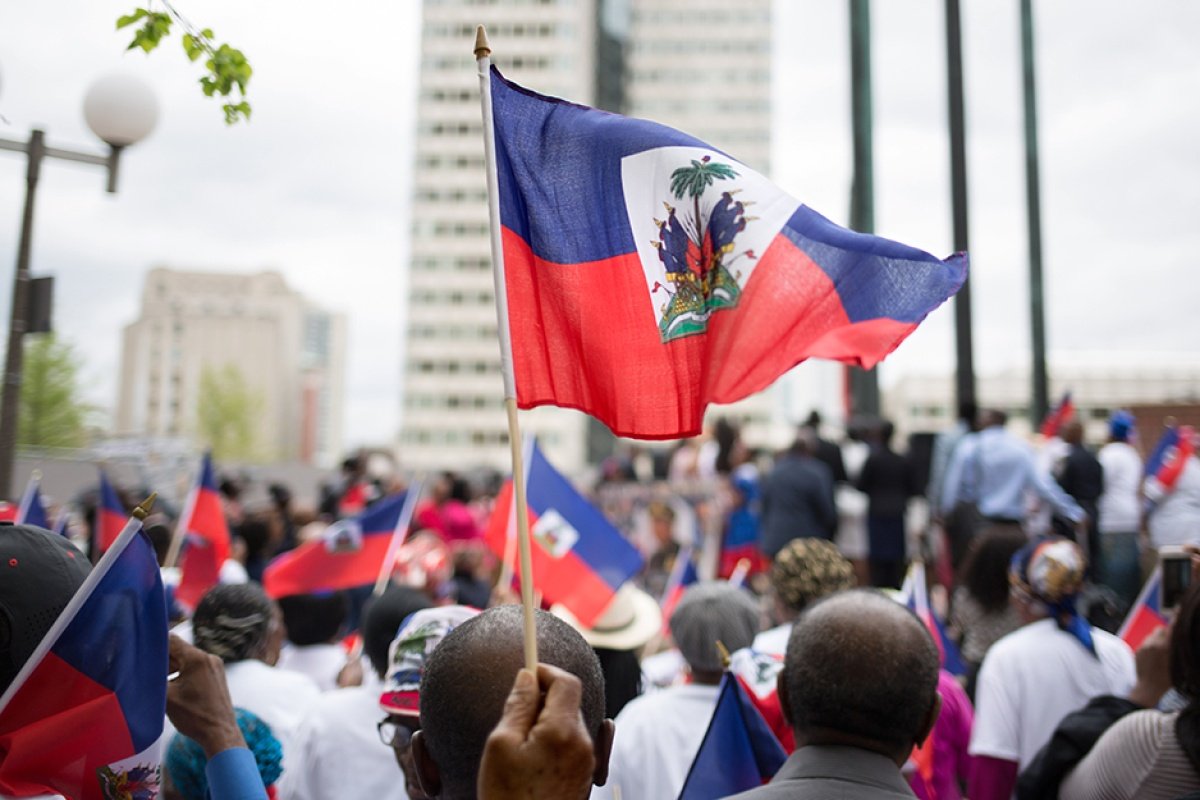
January 1st is a sacred date for Haitians, marking their accession to independence in 1804.

- Significance: This holiday celebrates the proclamation of Haiti’s independence, making the country the first independent black republic in the world.
- Celebrations: The day is marked by patriotic speeches, official ceremonies and the sharing of soup joumou, an iconic dish symbolizing freedom and national pride.
- Key figures: More than 11 million Haitians participate in this culinary and historical tradition each year.

Haïti
Haïti
Haïti

Grandfathers’ Day January 2

The day after Independence Day, Haïti pays tribute to the ancestors who fought for freedom.

- Significance: This day honors the heroes of the Haitian revolution and celebrates their courage and sacrifice.
- Celebrations: Haitians often visit historical monuments and organize gatherings to remember their ancestors.
- Impact: It is an opportunity to reflect on the legacy left by these emblematic figures.

Haïti
Haïti
Haïti

Agriculture and Labor Day May 1

May 1 is a day dedicated to the importance of agriculture and labor in Haitian society.

- Meaning: This holiday highlights the crucial role of farmers and workers in the national economy.
- Celebrations: Agricultural fairs are held across the country, showcasing local products and innovations in the agricultural sector.

- Key figures: Agriculture employs nearly 38% of the working population in Haiti, highlighting the importance of this sector.

Haïti
Haïti
Haïti

Flag and University Day May 18

May 18 is a doubly symbolic day, celebrating the Haitian flag and education.

- Meaning: This date commemorates the creation of the Haitian flag in 1803 in Arcahaie, a symbol of national unity.
- Celebrations: Parades, patriotic speeches, and educational activities are organized to honor this event.
- Key figures: More than 90% of Haitian schools organize events to mark this day.

Haïti
Haïti
Haïti

The Commemoration of the Battle of Vertières November 18

November 18 is a key date in Haitian history, marking the last major battle before independence.

- Significance: This day celebrates the decisive victory of Haitian troops against the Napoleonic army at the Battle of Vertières in 1803.
- Celebrations: Military ceremonies and historical reenactments are organized to commemorate this feat.
- Highlights: This battle remains a symbol of the determination and courage of the Haitian people.

Haïti
Haïti
Haïti

The importance of these national holidays

National holidays in Haïti are much more than public holidays: they embody the history, values, and identity of the nation. These celebrations allow Haitians to come together, pay tribute to their past and pass on their heritage to future generations.

If you have memories or anecdotes about one of these celebrations, share them in the comments!

Share
About the Author
Appolon Guy Alain
Appolon Guy Alain
Appolon Guy Alain

Full Stack Developer, Créatif, expérimenté, passionné des nouvelles technologies et de l’art.

See other articles from Appolon Guy Alain
Leave a comment

Recently Posted

Newsletter

Subscribe to our newsletter to stay informed of all our activities and news on Haiti.

The Republic of the Stateless?

Haïti is making headlines all over the world. And it’s not good news. The exploits of Haitians rarely generate so much interest, but we always tend to point out the excesses, spill ink to stir up thorns in the side, broadcast on loop to relay the chaos that is raging. There is hardly any media to make amends for the resilience of this cornered people. No one to highlight the fierce resistance that serves as fuel for this people hanging in the gorges of death. And what if it was to a certain extent the only way to talk about this country to finally attract attention? It is July 26, 2024. The Olympic Games have just started in France. The 33rd Olympiad of modern times. Without realizing it, according to Forbes Magazine, Haïti ranks among the ten nations with the best costume, proudly pointing to third place. At the same time, miles away from France, on “The Island of Skillfully Orchestrated Chaos,” Haitians do not even realize how much this recognition borders on irony. A paradox whose unpopular evocation is likely to greatly displease. An aerial image shows the city of Paris in all its splendor, illuminated like the gates of paradise, reflecting all the grandeur of France, all the magnificence it has acquired over the centuries, without forgetting the contribution of the blood shed by the horrible machine of colonization. I close my eyes, I go back in time, I see again this boy left to his own devices, lost without even knowing it, doomed to failure without even understanding it. And then there are the others. Boys in the same situation, or worse. Banished from society, they do not know what life has in store for them. They form the elegant class of the marginalized, in their quality of scoundrels, good-for-nothings, and thugs who spoil the splendor of society. This contrast challenges me, and I wonder for a moment if those who live the chaos from the outside grasp the stakes and the reality of the situation. Moreover, it seems to me that even the majority of Haitians living in the territory have no notion of the fundamental and essential aspects of the situation.

Haïti / Fort Saint-Joseph: Historical Vestige of the Resistance

Located in the Bay of Cap-Haitien, Fort Saint-Joseph stands like a silent guardian of Haiti’s tumultuous history. Built in two stages, in 1748 and 1774, this defensive work was once a crucial element of the city’s protection system against French colonial assaults. Alongside other forts such as Picolet and Magny, its mission was to control maritime passages and defend Haitian sovereignty. However, its history is not limited to its defensive function. In 1802, then under the control of General Henry Christophe, the fort became the scene of a heroic act of resistance. Faced with the French expeditionary army, Christophe ordered the destruction of the powder magazine and the entrance gate to the fort, thus rendering it temporarily unusable. This courageous gesture, although tactical, left indelible scars on the very structure of the fort, testifying to the fierce clashes between French colonial forces and Haitian resistance fighters. These historic marks, still visible today, offer a window into the country’s tumultuous past. They allow visitors and historians to interpret the fierce struggles that forged Haitian identity. Fort Saint-Joseph, as a witness to the resistance and the struggle for freedom, embodies the indomitable spirit of the Haitian people. Recognizing its historical significance, the Haitian government officially classified Fort Saint-Joseph as national heritage in 1995. This recognition paved the way for restoration efforts aimed at preserving this precious vestige of Haitian military heritage. Thanks to collaboration between the public sector and local private funding, the fort has recently been restored and enhanced. Thus, Fort Saint-Joseph remains much more than a simple stone structure. It is a living symbol of the resilience and determination of the Haitian people, reminding all visitors that Haiti’s history is deeply rooted in the struggle for freedom and human dignity. To virtually discover this jewel of Haitian history, you can visit the following link: https://haitiwonderland.com/haiti-virtual-reality-ht/monuments-histoire/haiti--fort-saint-joseph--visite- virtual/11

Recently Posted

History

History

First black nation to free itself from slavery and gain independence from France in 1804 and influenced other liberation movements around the world, inspiring struggles for freedom and equality.

Natural beauty

Natural beauty

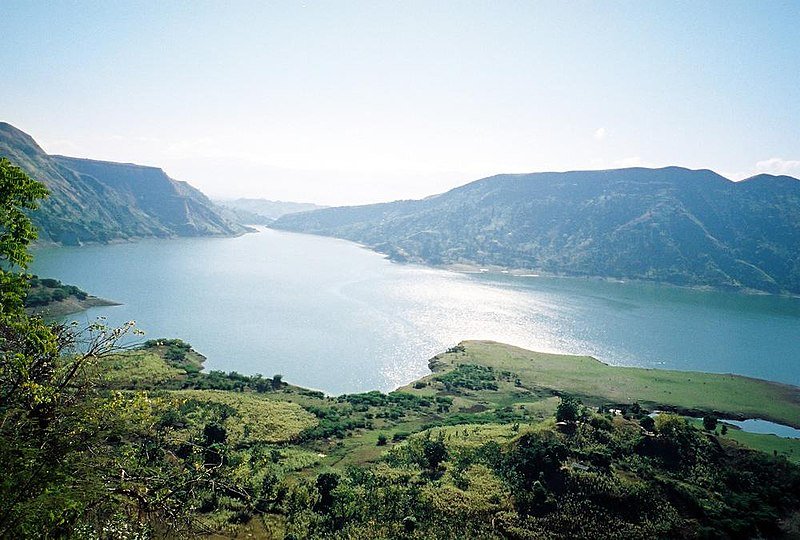
Haïti is blessed with spectacular natural landscapes, including white sand beaches, mountains and rich biodiversity.

Heritage

Heritage

Haïti has a rich historical heritage, including sites like the Citadelle Laferrière and the Sans-Souci Palace, listed as UNESCO World Heritage Sites.

Culture

Culture

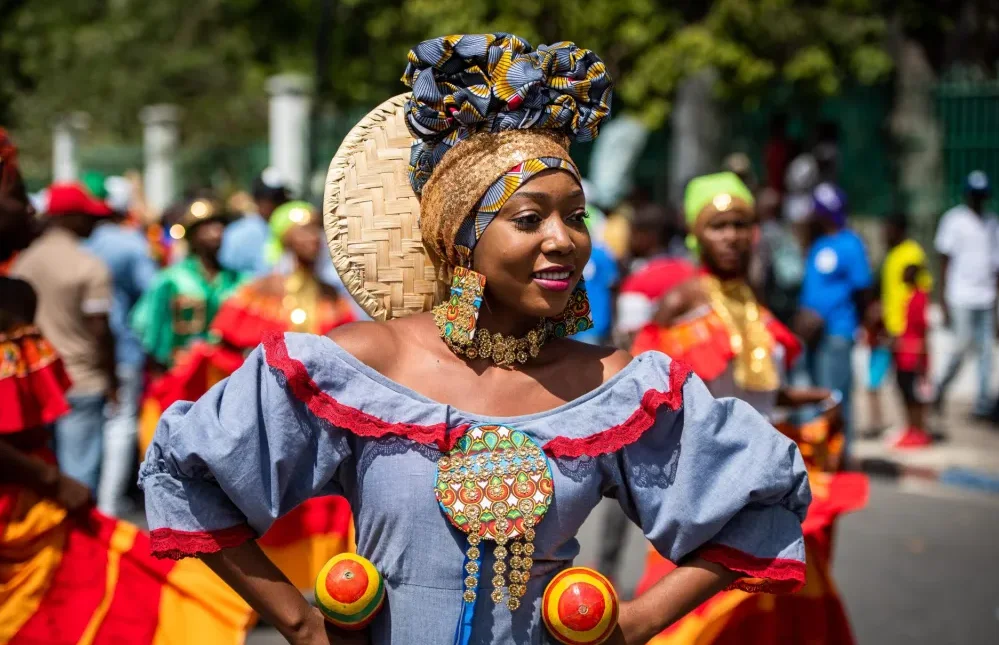
Haïti has a rich and diverse culture, influenced by African, European and indigenous elements. Haitian music, dance, art and cuisine are celebrated around the world.

  • +
    • Post