contact@haitiwonderland.com+509 36184317

Discover

Shopping Cart

Haiti: Historical Revolution and Global Impact

Haiti: Historical Revolution and Global Impact

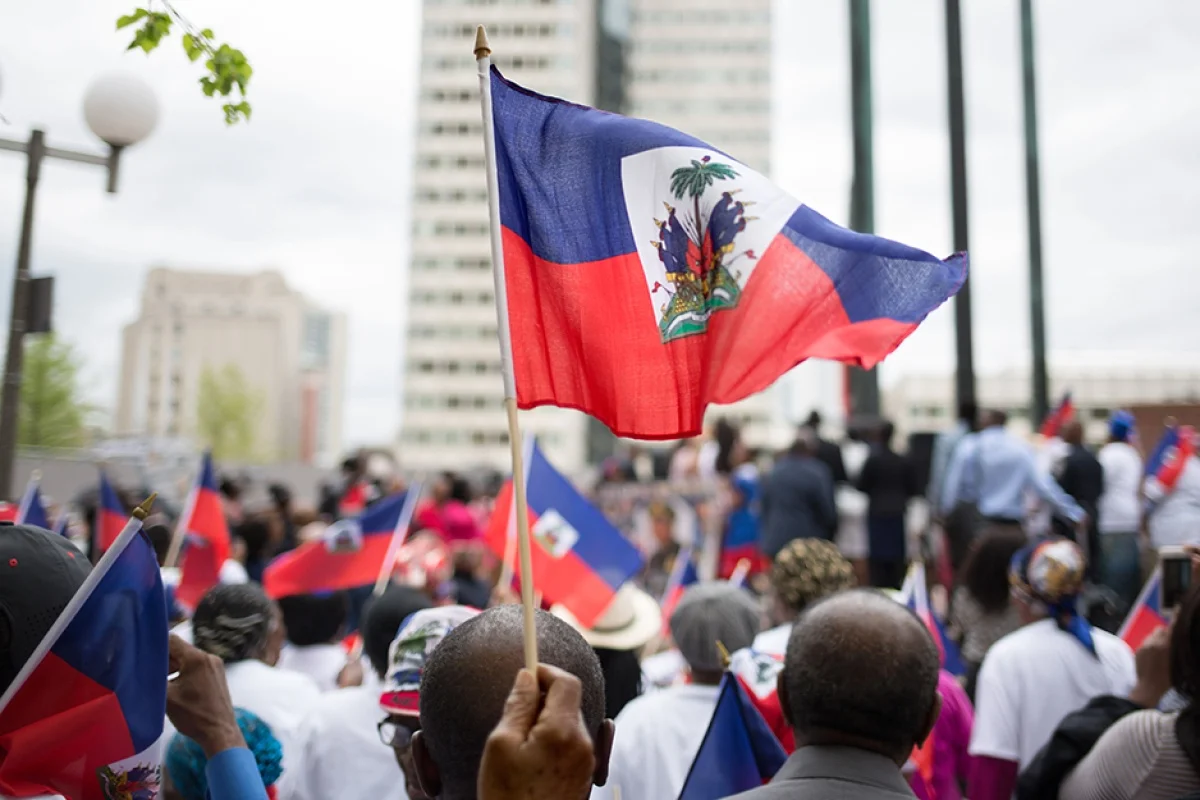
Haiti, a Caribbean island, carries within it an extraordinary history that resonates through the ages. Best known for being the scene of the first successful slave revolt in modern history, this nation has left an indelible mark on the course of humanity. Haiti’s history is notable not only for its revolutionary independence, but also for its impact on liberation movements and struggles for social justice around the world.


Haïti
Haïti
Haïti

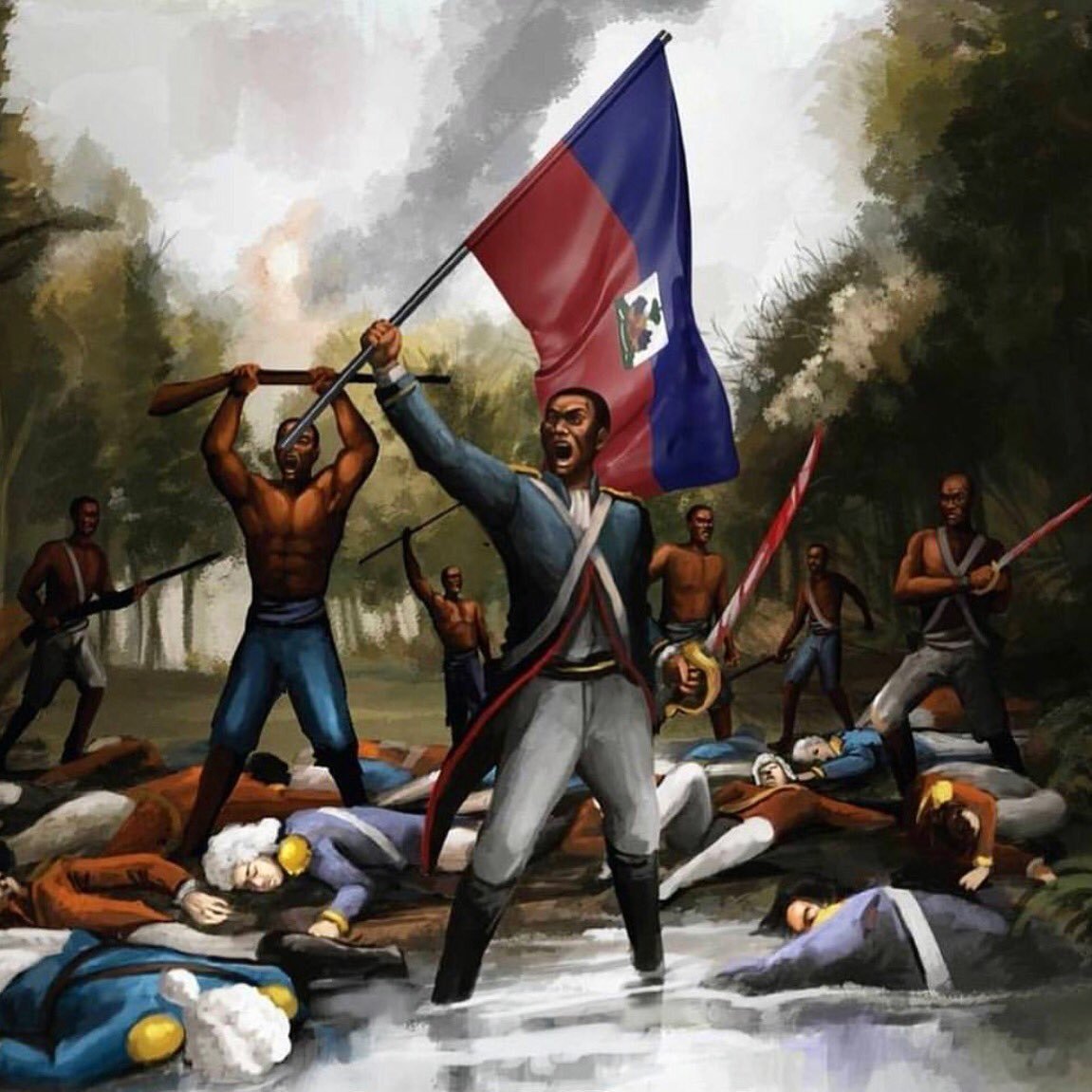
The Haitian Revolution: A Triumph Against Oppression

At the turn of the 19th century, Haïti was known as Saint-Domingue, the pearl of the Antilles, where French colonists intensively exploited resources through an economy based on slavery. It is in this context that an unprecedented resistance movement developed.

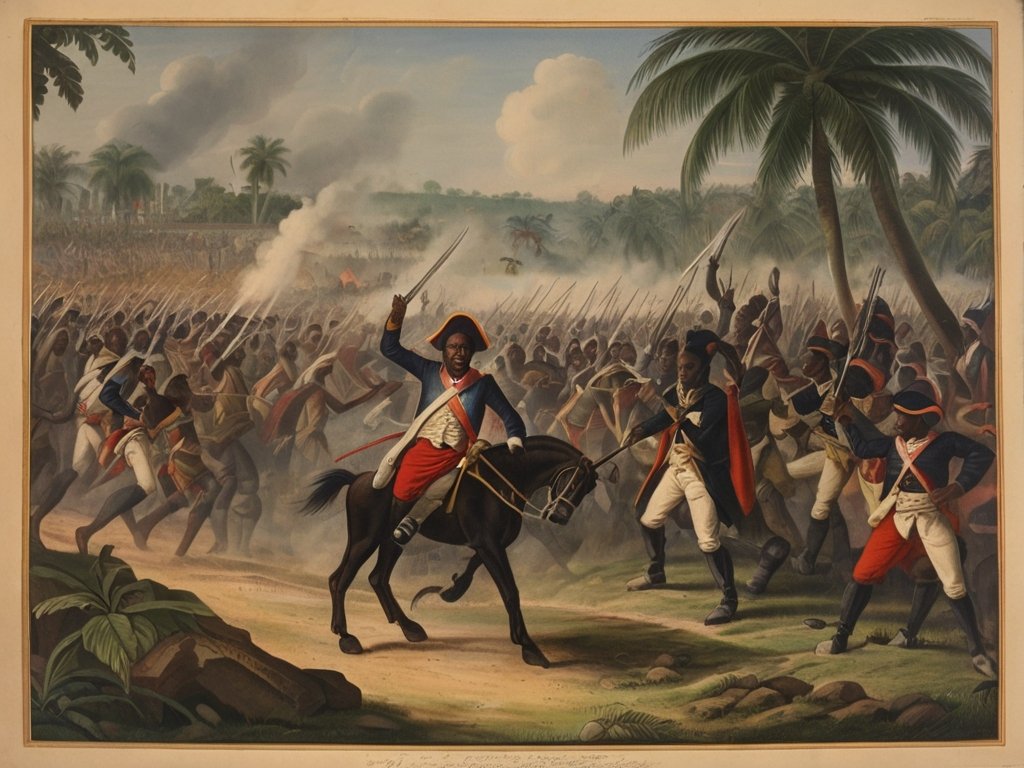
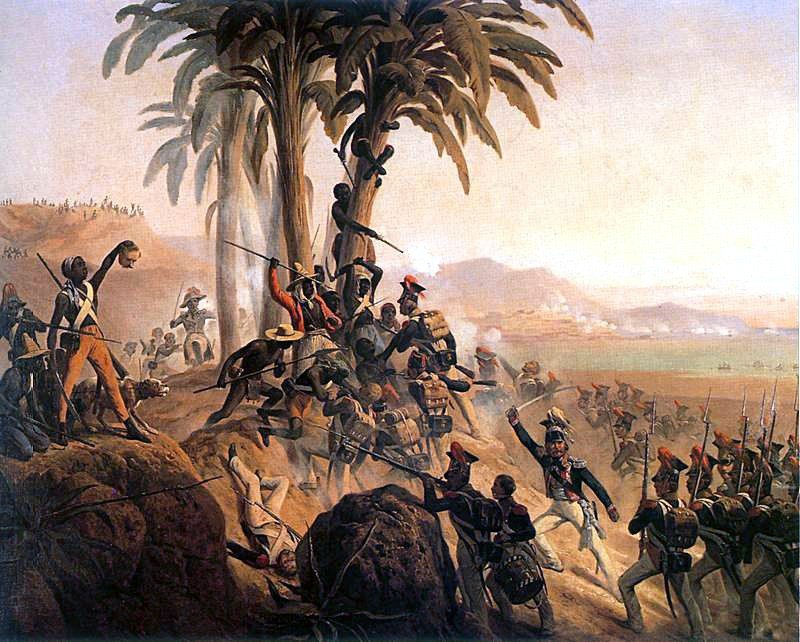
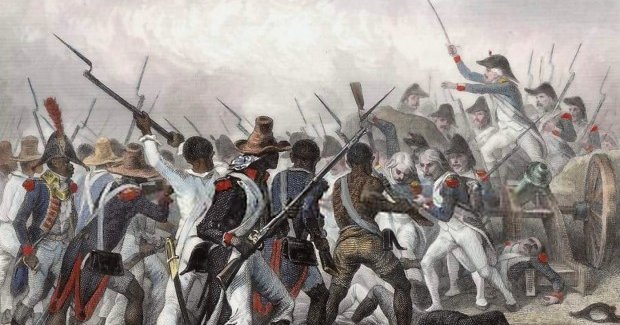
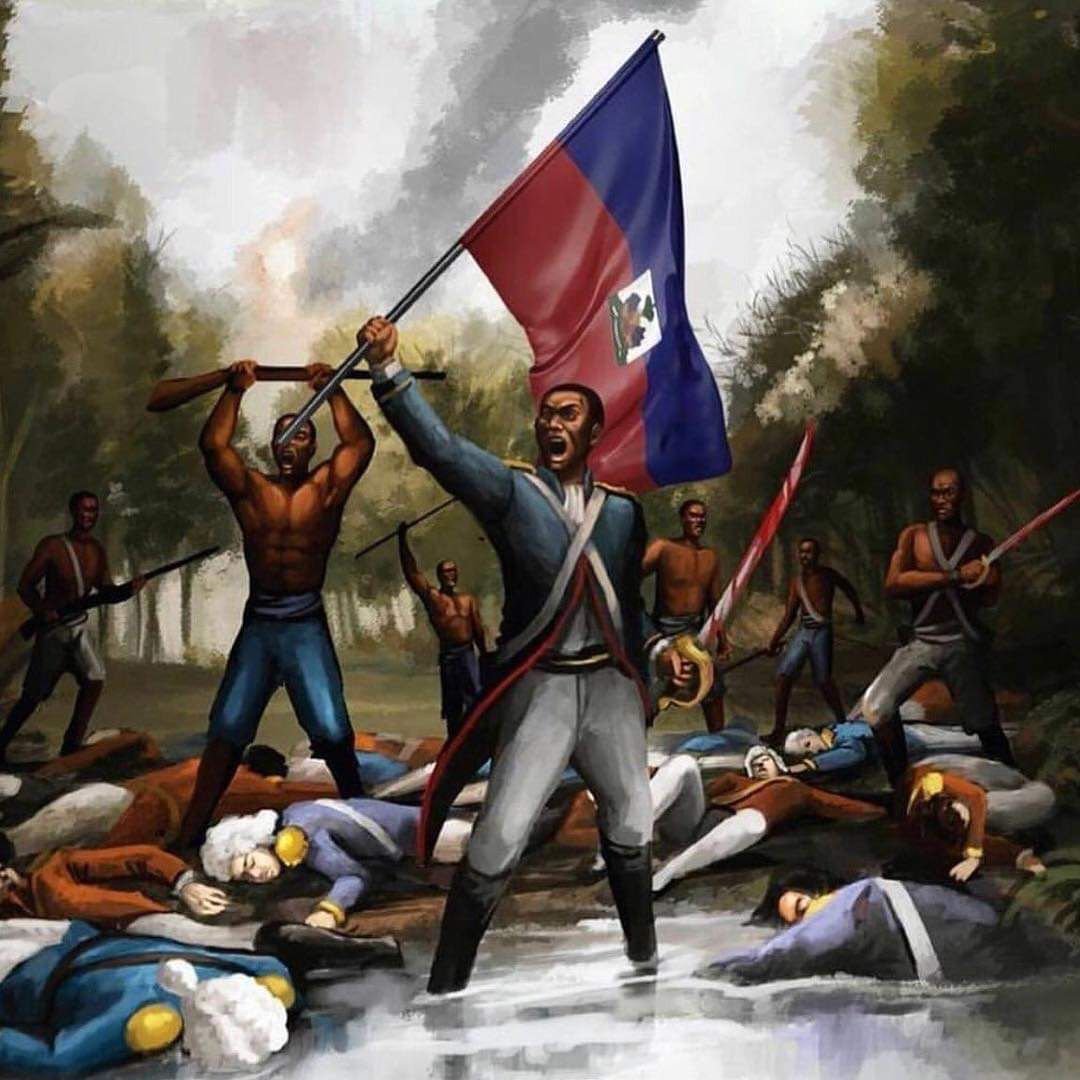
The Haitian Revolution was led by charismatic leaders such as Toussaint Louverture, Jean-Jacques Dessalines and Henri Christophe. This uprising, begun in 1791, resulted in a series of military victories against French colonial forces, ultimately leading to the proclamation of Haitian independence on January 1, 1804. This date not only marks the birth of the first black republic independent, but also a radical turning point in the world history of the struggle for freedom and human dignity.

Haïti
Haïti
Haïti

A Global Impact

The impact of the Haitian Revolution is not limited to the island’s borders. By breaking the chains of slavery and proclaiming an independent republic, Haïti sent a powerful message throughout the world. She inspired abolitionist movements in Europe and America, proving that freedom was available to those who dared to fight for it.

Discover the history of Haiti: A fascinating story to explore! : https://haitiwonderland.com/haiti/histoire/decouvrez-l-histoire-d-haiti--un-recit-fascinant-a-explorer/81

Haïti
Haïti
Haïti

Cultural and Identity Heritage

In addition to its political impact, Haïti also has a rich cultural heritage. Its literature, music, cuisine and religious traditions reflect the unique fusion of African, European and Native American influences. Literary figures like Jacques Roumain and René Depestre, as well as musical genres like compass and vodou, illustrate the depth and diversity of Haitian culture.

Challenges and Resilience

However, Haiti’s post-colonial history has been marked by considerable challenges. The price of independence imposed by France, foreign interventions, political instability, and natural disasters have posed obstacles in the path of the Haitian nation. Despite these challenges, the Haitian people have shown extraordinary resilience and continue to fight for a better future.

Conclusion

In conclusion, the history of Haïti is both a story of struggle against oppression and a testimony of human strength in the face of adversity. From the Haitian Revolution to the present day, Haïti continues to inspire the world with its courage, its resistance and its contribution to the universal quest for freedom and justice. Throughout its complex and often tragic history, Haïti remains a living symbol of the struggle for human dignity and fundamental rights.

Haiti, with its glorious past and promising future, deserves to be celebrated not only for its historic achievements, but also for its unwavering ability to overcome challenges and thrive in an ever-changing world.

Share
About the Author
Appolon Guy Alain
Appolon Guy Alain
Appolon Guy Alain

Full Stack Developer, Créatif, expérimenté, passionné des nouvelles technologies et de l’art.

See other articles from Appolon Guy Alain
Leave a comment

Recently Posted

The Haitian Carnival: A Festival of Colors, Music and Traditions

The Haitian carnival, an emblematic and essential celebration of the country’s festive calendar, is much more than a simple party. It embodies the very essence of Haitian culture, joyfully blending ancestral traditions, intoxicating music and a deep sense of community. Each year, this vibrant celebration transforms the streets into a vibrant and colorful spectacle, attracting thousands of participants and spectators eager to take part in this one-of-a-kind celebration. Haitian carnival has deep roots in the country’s history, dating back to colonial times. It has evolved over the centuries, incorporating elements of African, French and Creole culture to create a distinct and captivating celebration. The carnival period in Haïti traditionally begins in January and culminates with extravagant festivities that take place over several days. One of the most striking features of the Haitian carnival is the profusion of colors. Traditional costumes, called "masks", are elaborate and beautifully designed. They feature vivid patterns and vibrant decorations, creating a vivid picture of Haitian cultural identity. Participants, dressed in these elaborate costumes, parade through the streets to the sound of lively music, creating an electric atmosphere. Music is at the heart of the Haitian carnival. The captivating rhythms of compass, rasin, rara and other local musical genres resonate throughout the city, inviting people to dance to the rhythm of the party. Orchestras parade through the streets, accompanying the dancers and creating a unique symbiosis between the music and the graceful movements of the participants. The Haitian carnival parade is not just about the music and costumes; it also celebrates the richness of street arts. Talented artists create giant sculptures, art installations and theatrical performances that tell deep stories of Haitian history and culture. These artistic expressions contribute to the transmission of values ​​and stories that shape the identity of the Haitian people.

Newsletter

Subscribe to our newsletter to stay informed of all our activities and news on Haiti.

Haiti: Camp Louise: A Hidden Treasure in the Heart of Acul du Nord Bay

At the entrance to Haiti’s beautiful Baie de l’Acul du Nord lies an oasis of tranquility and natural beauty: Camp Louise, more affectionately known as Saint Michel Beach. With its black sand and rushing swells, this beach offers a spellbinding experience that captures the wild spirit of nature. As soon as you set foot on this enchanting shore, you are enveloped by an atmosphere of mystery and serenity. The "ajoupas" dotted along the beach are home to modest restaurants serving local delicacies, from fresh grilled fish to succulent conch. With every bite, you taste the exquisite fusion of authentic flavors that celebrate Haiti’s culinary richness. On your right, majestically sits the "M&M" restaurant, ready to delight your taste buds with its irresistible specialties, available to serve you at the end of the week, to crown your beach days with an exquisite gastronomic note. Despite its proximity to the bustling town of Cap-Haïtien, located just 26 kilometers away, Camp Louise seems like a world apart. Accessible both by road and by sea, by jet ski from the neighboring beaches of Gaderas and Labadie, this beach offers a welcome escape from the hustle and bustle of everyday life. Whether you are looking for adventure, relaxation or simply connection with nature, Camp Louise will meet all your desires. Its turquoise waters invite you to swim, its sandy beaches invite you to relax, and its warm atmosphere inspires wonder. For travelers seeking authentic experiences and breathtaking scenery, Camp Louise proves to be a hidden treasure worth discovering and celebrating. So, let yourself be carried away by the captivating magic of this rare pearl in the heart of the Bay of Acul du Nord, and let your worries float away with the waves that gently caress its shores.

Recently Posted

History

History

First black nation to free itself from slavery and gain independence from France in 1804 and influenced other liberation movements around the world, inspiring struggles for freedom and equality.

Natural beauty

Natural beauty

Haïti is blessed with spectacular natural landscapes, including white sand beaches, mountains and rich biodiversity.

Heritage

Heritage

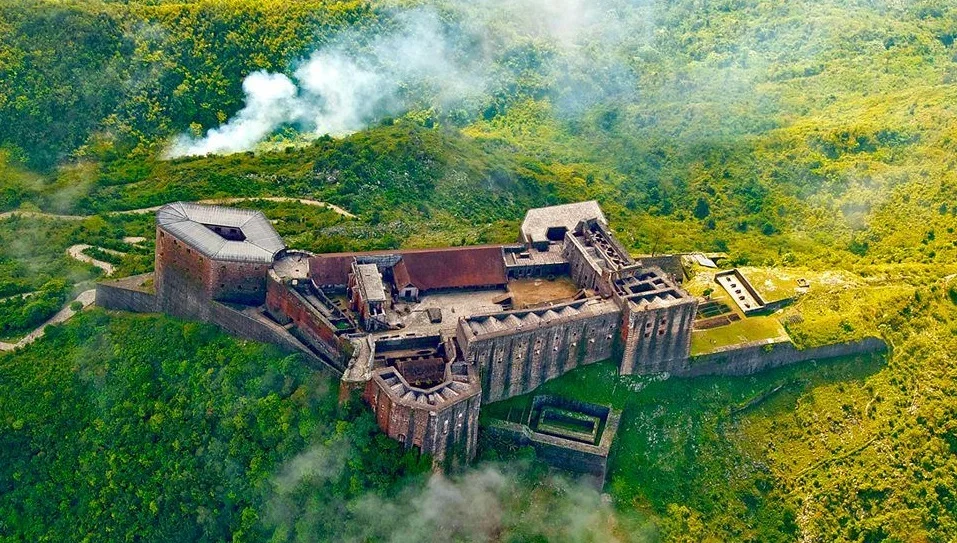
Haïti has a rich historical heritage, including sites like the Citadelle Laferrière and the Sans-Souci Palace, listed as UNESCO World Heritage Sites.

Culture

Culture

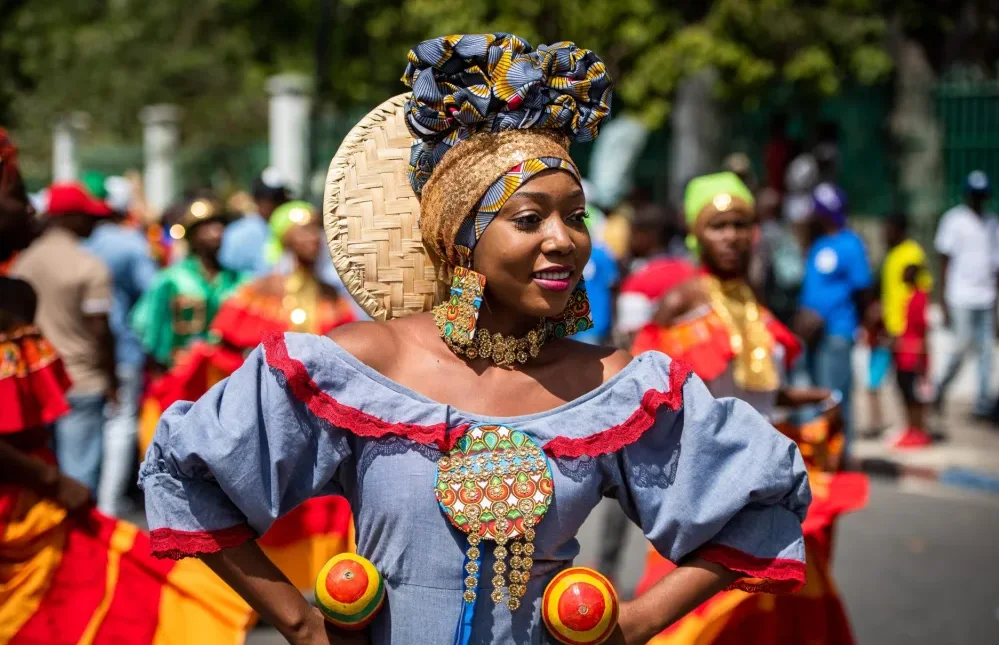
Haïti has a rich and diverse culture, influenced by African, European and indigenous elements. Haitian music, dance, art and cuisine are celebrated around the world.

  • +
    • Post