contact@haitiwonderland.com+509 36184317

Discover

Shopping Cart

Article 1 of the Haitian Constitution: The 6 Terms that Define the Republic of Haiti

Article 1 of the Haitian Constitution: The 6 Terms that Define the Republic of Haiti

Article 1 of the Haitian Constitution of 1987, amended in 2011, establishes the foundations of national identity. In one concise but powerful sentence, it states that Haïti is an indivisible, sovereign, independent, free, democratic and social Republic. These six terms reflect the fundamental values ​​and collective aspirations of the Haitian nation, forged through a rich and tumultuous history.

ARTICLE 1: Haïti is a Republic, indivisible, sovereign, independent, cooperative, free, democratic and social.


Let’s discover the meaning and importance of each of these principles in the context of the Republic of Haiti.

Haïti
Haïti
Haïti

1. Indivisible: National Unity Above All

Indivisibility ensures that Haïti forms a whole, unified and inseparable. This means that its territory, its people and its government cannot be divided, neither by internal conflicts nor by external influences.

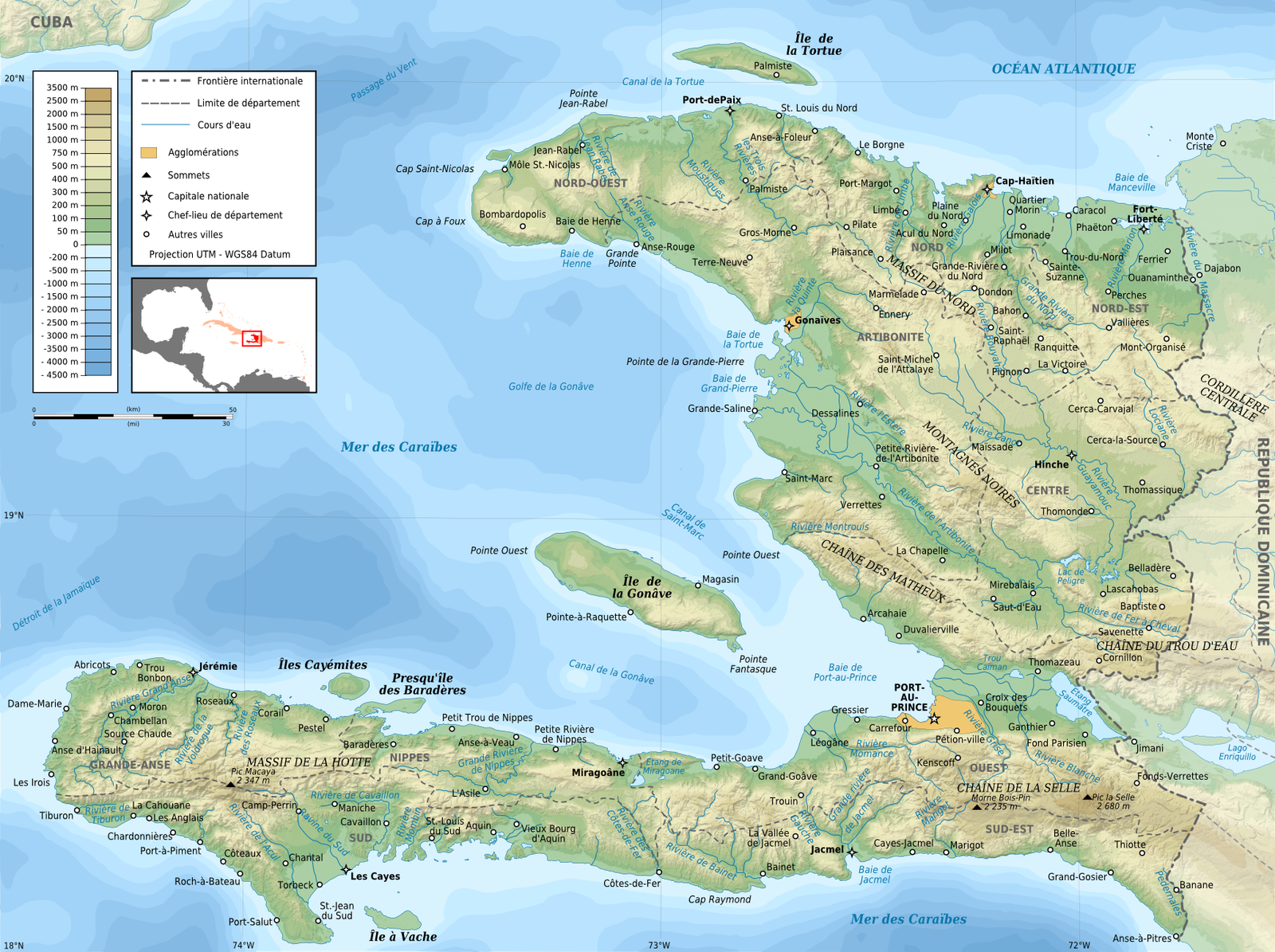
- Key figure: Haïti has 10 administrative departments, but they all operate under a single national entity.
- Concrete example: The national motto, "Unity is Strength," illustrates this commitment to unity.

Haïti
Haïti
Haïti

2. Sovereign: A Country Master of Its Destiny

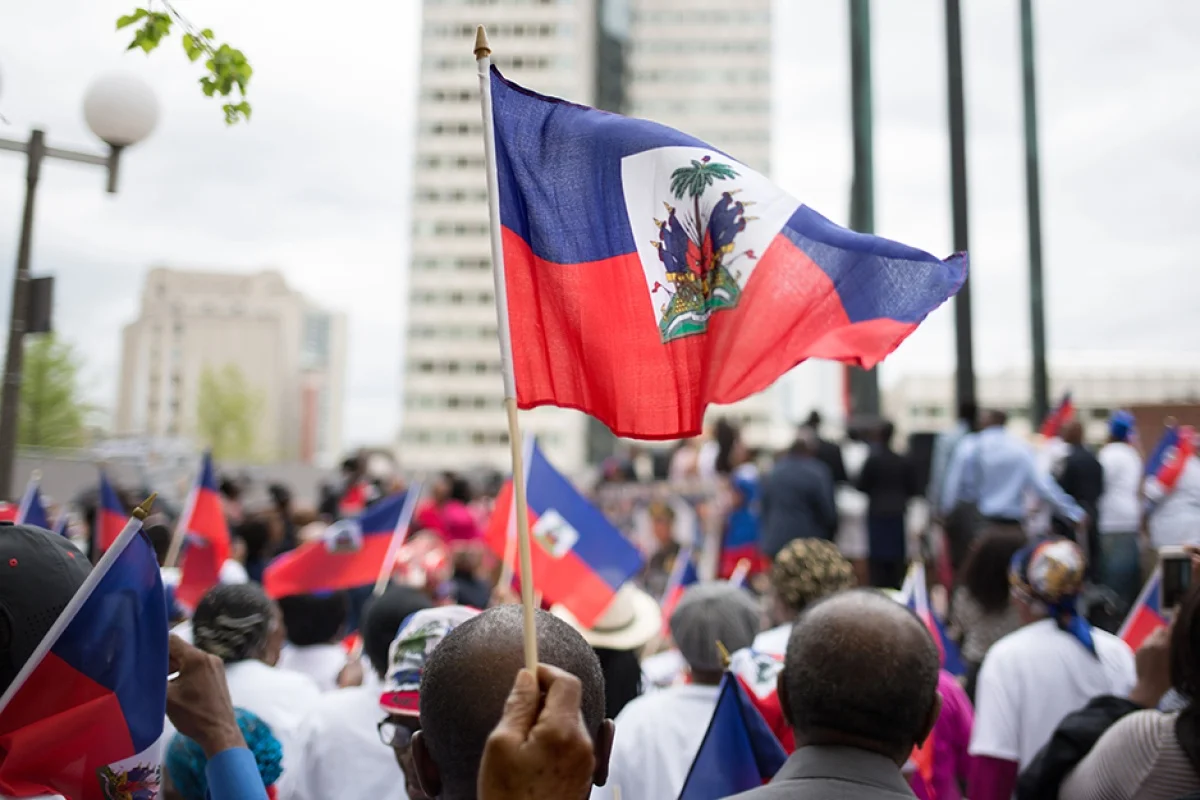
Sovereignty symbolizes political independence and Haiti’s ability to govern without foreign interference. Since its declaration of independence in 1804, Haïti has remained a model of resistance and self-determination.

- Key figure: Haïti is the first sovereign black republic in the world.
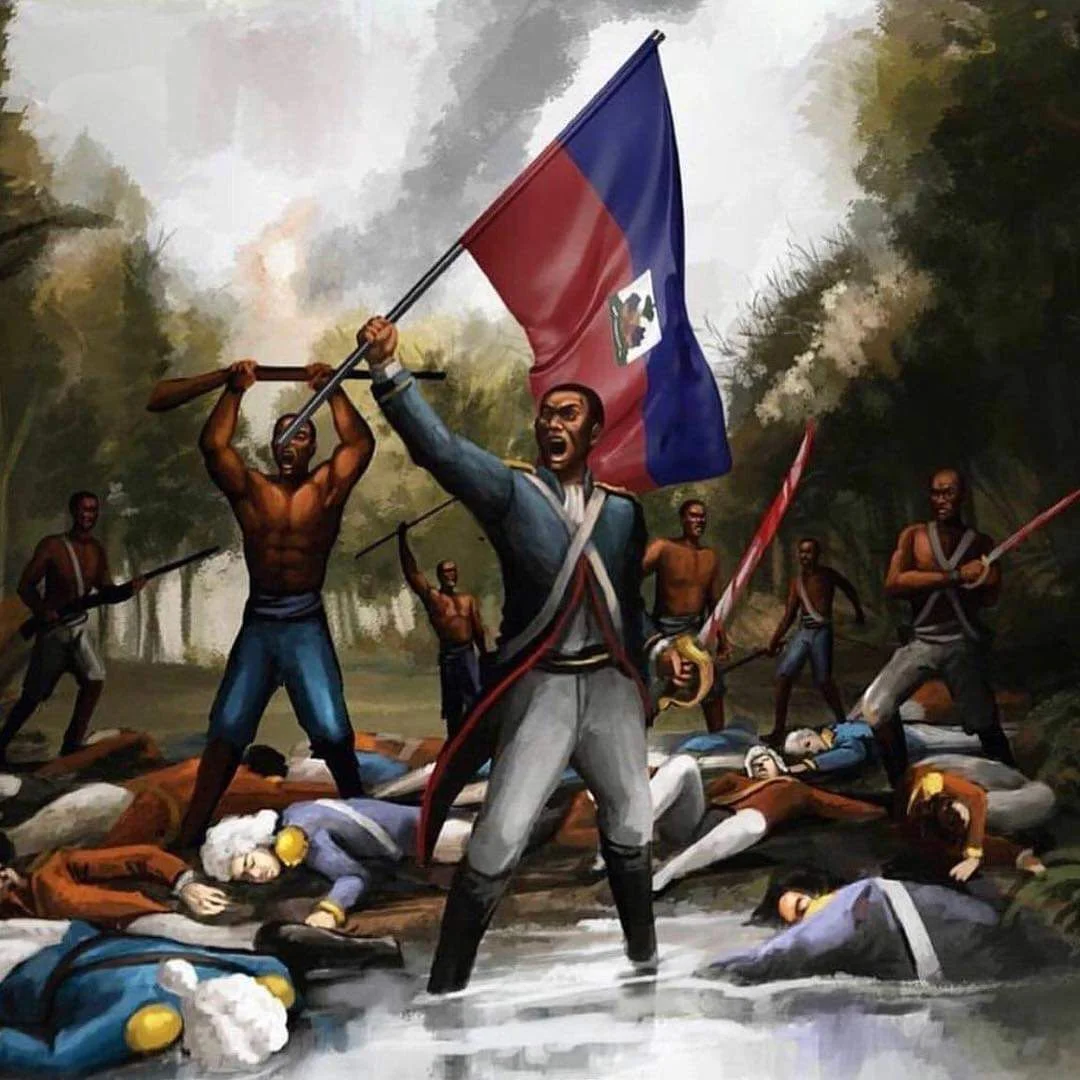
- Historical fact: The Battle of Vertières in 1803 marked the defeat of the Napoleonic army and affirmed Haitian sovereignty.

Haïti
Haïti
Haïti

3. Independent: a historic struggle for freedom

Being independent means that Haïti is free from any foreign domination. This independence was won through the Haitian Revolution, a movement that overturned the colonial and slave systems of the time.

- Notable fact: Haïti inspired other nations fighting for independence, particularly in Latin America.
- Key figure: January 1, 1804 official date of the declaration of independence.

Haïti
Haïti
Haïti

4. Free: a fundamental pillar

Freedom is at the heart of Haitian values. This principle guarantees that every citizen enjoys fundamental rights and freedoms, including freedom of expression, worship and association.

- Concrete example: Haïti is a country where different religions coexist harmoniously, including Catholicism, Protestantism and Voodoo.
- Key figure: More than 500,000 slaves were freed thanks to the Haitian Revolution.

Haïti
Haïti
Haïti

5. Democratic: the voice of the people above all

As a democratic republic, Haïti values ​​citizen participation in political decisions. Although the country has experienced periods of turbulence, the democratic ideal remains an essential objective.

- Notable fact: The first universal democratic elections were held in 1990.
- Key figure: Haïti has approximately 7 million registered voters.

Haïti
Haïti
Haïti

6. Social: a commitment to justice and equity

The social character of the Republic emphasizes the reduction of inequalities and the promotion of collective well-being. This includes initiatives to improve education, health, and living conditions for citizens.

- Concrete example: Community programs aim to strengthen infrastructure and reduce poverty.
- Notable fact: Approximately 60% of the Haitian population depends on agriculture for their livelihood, highlighting the importance of social policies.

An article that embodies the essence of Haiti

Article 1 of the Haitian Constitution is much more than a legal text. It is a declaration of the values ​​and aspirations of a nation proud of its history and identity. These six terms indivisible, sovereign, independent, free, democratic, and social encapsulate the vision of a unified, strong, and resilient Haiti.

By celebrating these principles, every Haitian is called to contribute to a Republic that honors its past while building a promising future.

Share
About the Author
Appolon Guy Alain
Appolon Guy Alain
Appolon Guy Alain

Full Stack Developer, Créatif, expérimenté, passionné des nouvelles technologies et de l’art.

See other articles from Appolon Guy Alain
Leave a comment

Recently Posted

Haïti: The Pearl of the Antilles

Located in the Caribbean Sea, Haïti is often nicknamed "The Pearl of the Antilles". This laudatory title not only reflects the beauty of its idyllic beaches, but also the history, culture and natural wealth of this island nation. Throughout the centuries, Haïti has acquired this prestigious reputation for various reasons, which go beyond its picturesque landscapes. b~Natural Beauty:~b Haïti is blessed with an abundance of natural beauty. Its sandy beaches, crystal clear waters, majestic mountains and lush valleys make it a dream destination for travelers from all over the world. Generous nature has endowed Haïti with impressive ecological diversity, which has helped shape its image as the pearl of the Antilles. b~Cultural Wealth:~b Beyond its landscapes, it is the richness of Haïtian culture which contributes to its reputation as a pearl. Haïti has a fascinating history, blending influences from indigenous Taino people, European settlers and African slaves. This cultural fusion gave rise to a unique artistic and musical tradition, embodied in expressions such as voodoo, naive painting and compass music. b~Historical Heritage:~b Haïti has played a central role in the history of the struggle for freedom and equality. In 1804, it became the first independent republic in Latin America and the Caribbean, after a revolution led by freed slaves. This courageous act of independence established Haïti as a symbol of resistance and determination, adding a historic dimension to its status as the pearl of the Antilles. b~Natural Resources~b Haïti is abundant in valuable natural resources, which has contributed to its nickname as the Pearl. Mineral-rich mountains, fertile soils and abundant water reserves have made Haïti a land of opportunity. Haïti, the pearl of the Antilles, is much more than just a tourist destination. It is a country whose natural beauty, cultural richness, historical heritage and natural resources contribute to a unique identity. It remains a jewel in the crown of the Caribbean, reminding the world of the strength and resilience of the Haïtian people.

Newsletter

Subscribe to our newsletter to stay informed of all our activities and news on Haiti.

Discover the Hidden Gem of Caracol: A Peaceful Haven in Haiti

Nestled in the enchanting embrace of Haiti’s North East department lies a true marvel – Caracol. This picturesque area is more than just a destination; it’s a sanctuary where tranquility dances in harmony with the gentle whispers of nature. From the chirping of content birds to the warm smiles of its inhabitants, Caracol is a true wonderland waiting to be explored. One of the most captivating aspects of Caracol is its serene ambiance. Here, peace isn’t just a concept; it’s a way of life. Even the birds seem to sing with an extra ounce of joy, as if they’ve found their own slice of paradise amidst the lush greenery. Stepping into Caracol feels like entering a world where time slows down, allowing you to embrace the simple pleasures of life. But what truly sets Caracol apart is its people – kind-hearted souls who find solace in the simplicity of their daily lives. Engaged in activities like fishing and gardening, they embody a deep connection to the land that sustains them. And amidst it all, the industrious spirit of Caracol shines through, with the industrial parc serving as a beacon of progress and opportunity for the community. Yet, amidst the tranquil rhythm of everyday life, Caracol pulsates with the vibrant energy of Haitian culture. Voodoo, an integral part of local life, weaves its mystical threads into the fabric of daily rituals and traditions. And come July, the entire community comes alive with patronal celebrations that draw Haitian diaspora from every corner of the globe. It’s a time of joyous reunions, where cultural immersion meets spirited competitions, from exhilarating running races to thrilling boat races on the sparkling waters. As the sun sets on another day in Caracol, the excitement doesn’t end – it transforms. Carnival season, known as "mardi gras," casts its spell over the land, igniting the imaginations of children who eagerly don disguises and wield whips to make merry mischief. Laughter fills the air as they chase each other, their gleeful shrieks echoing through the streets, creating memories that will last a lifetime. In Caracol, every moment is a celebration, every day a testament to the resilience and warmth of its people. So, whether you’re seeking a tranquil retreat or a cultural adventure, Caracol invites you to discover its hidden wonders and experience the magic for yourself. After all, in this captivating corner of Haiti, every day is a journey into the heart of paradise.

Recently Posted

History

History

First black nation to free itself from slavery and gain independence from France in 1804 and influenced other liberation movements around the world, inspiring struggles for freedom and equality.

Natural beauty

Natural beauty

Haïti is blessed with spectacular natural landscapes, including white sand beaches, mountains and rich biodiversity.

Heritage

Heritage

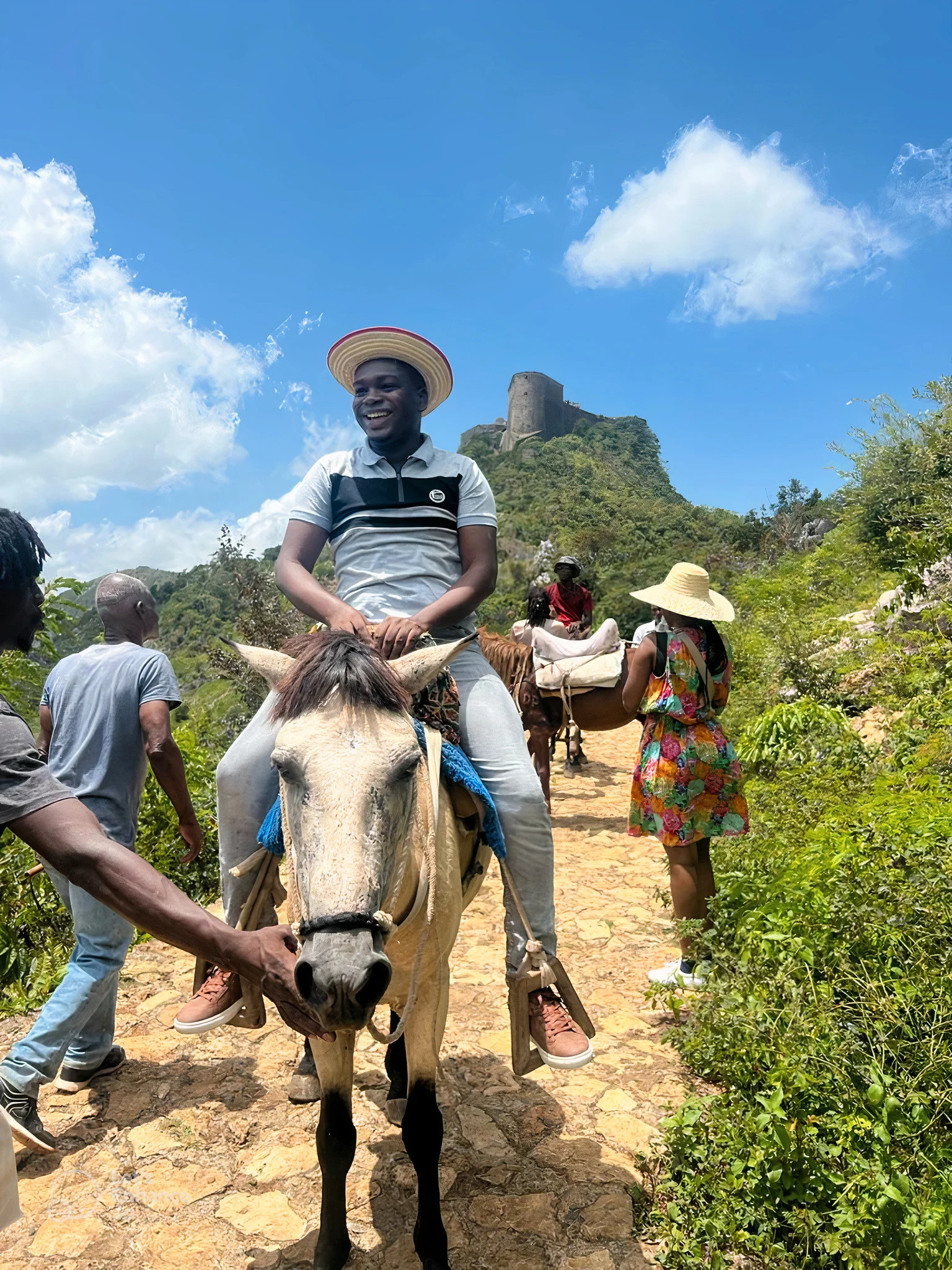
Haïti has a rich historical heritage, including sites like the Citadelle Laferrière and the Sans-Souci Palace, listed as UNESCO World Heritage Sites.

Culture

Culture

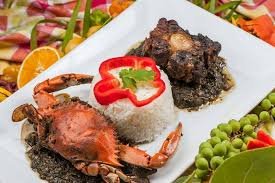
Haïti has a rich and diverse culture, influenced by African, European and indigenous elements. Haitian music, dance, art and cuisine are celebrated around the world.

  • +
    • Post