contact@haitiwonderland.com+509 36184317

Discover

Shopping Cart

Haiti: Symbol of Freedom

Haiti: Symbol of Freedom

Haiti, a Caribbean island country, is much more than just a tourist destination. It embodies a symbol of resistance, freedom and the struggle for emancipation, a historical example for the whole world. In this article, we will explore why Haïti is considered a true symbol of freedom, by highlighting its history, culture and its essential role in the fight against oppression.

Read the article in :

French : Haïti : Symbole de Liberté

Spanish : Haití: símbolo de libertad

Creole : Ayiti: Senbòl Libète

Reference page : Haiti: Symbol of Freedom

Other version : Haïti : Symbole de Liberté

Haïti
Haïti
Haïti

Haiti’s History: A Model of Resistance

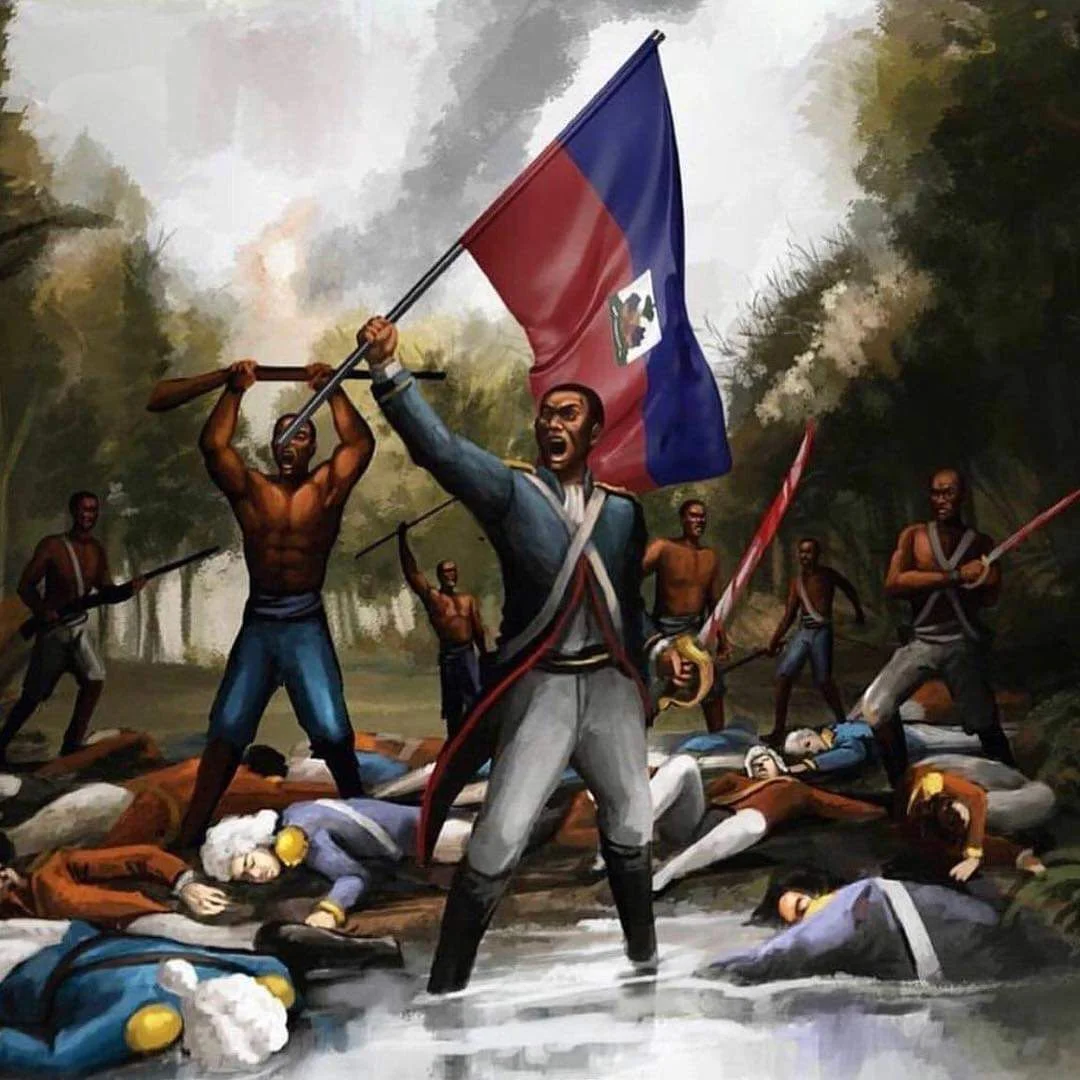
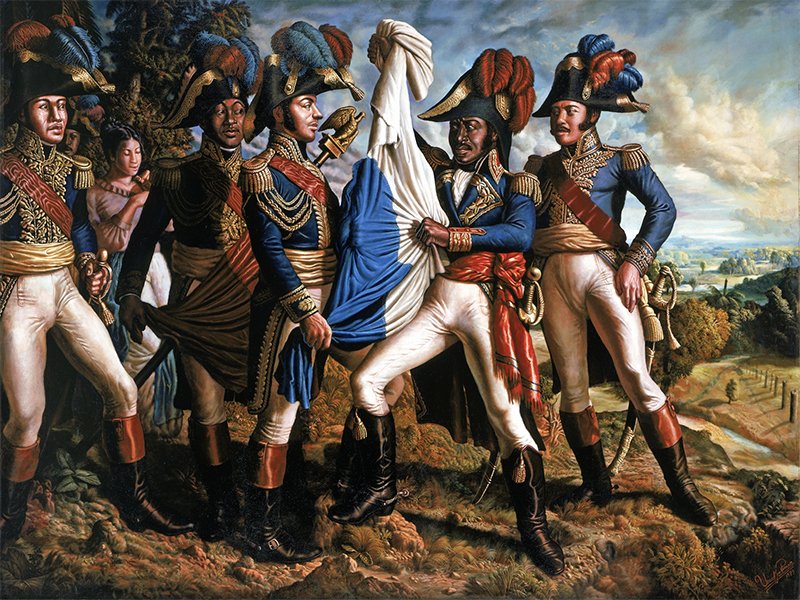
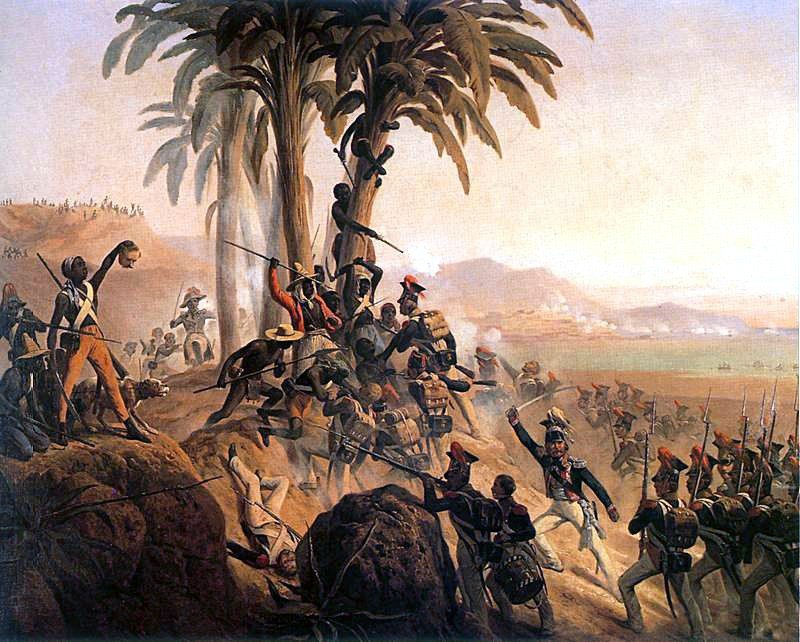
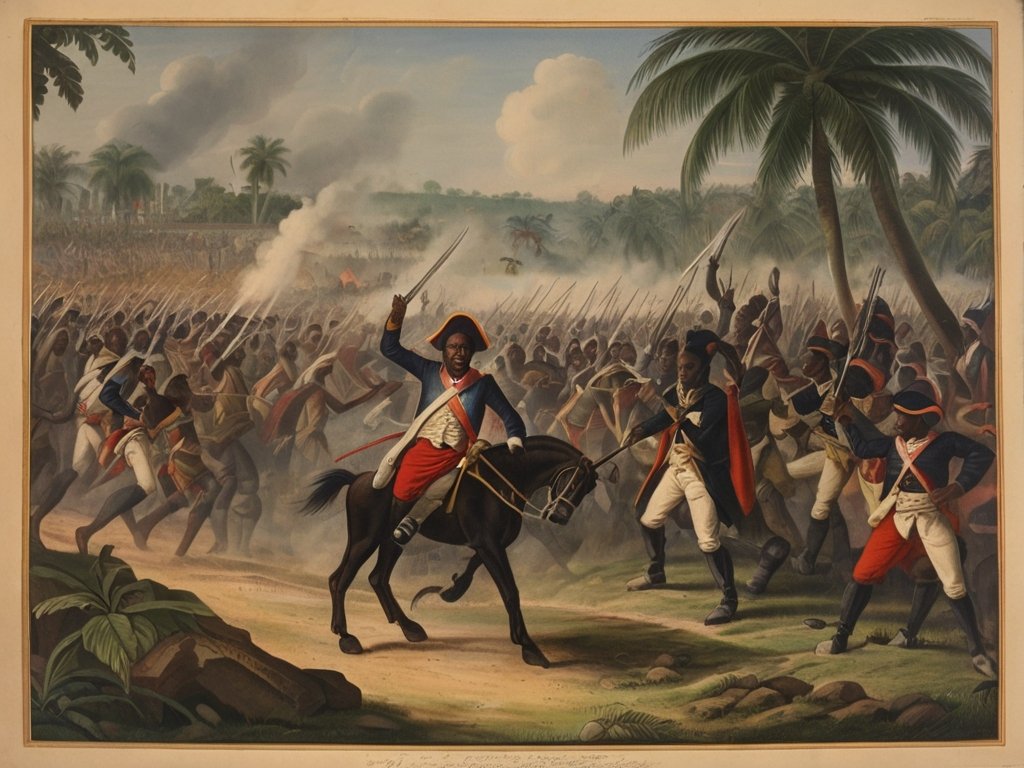
Haiti’s history is marked by a major historical event: the Haitian Revolution. In 1804, Haïti became the first country in the world to gain its independence by overthrowing a colonial empire, that of France. Haiti’s slaves, led by iconic leaders such as Toussaint Louverture, Jean-Jacques Dessalines, and Henri Christophe, waged a titanic fight against the French colonists and triumphed, achieving an unprecedented feat in modern history.

This revolution, one of the greatest victories against slavery, was a turning point for all colonized nations. It inspired revolts and liberation movements around the world. Haiti’s victory remains a model of courage and hope for all oppressed peoples.

Haïti
Haïti
Haïti

Haiti: The First Country to Abolish Slavery

On January 1, 1804, Haïti declared its independence, marking the end of slavery in the French colony of Saint-Domingue. It was the first country to abolish slavery, offering a strong message of freedom and justice. Indeed, after centuries of exploitation and oppression, Haïti became the beacon of black peoples and a model for the abolition of slavery throughout the world.

This founding act of Haitian independence resonated far beyond the country’s borders. It was a moral and political victory against the injustices of the colonial system. The Haitian Republic is thus seen as a historical example of resistance and the conquest of human rights.

Haïti
Haïti
Haïti

An Act of Liberation that Resonated Around the World

The Haitian Revolution did not only have a local impact. It had profound global repercussions. In 1804, Haïti launched the abolition of slavery and inspired liberation movements in other colonies. Slaves and oppressed people in the United States, Brazil, the Caribbean, and Latin America found a model in the Haitian struggle. Haiti’s victory sent a powerful message: freedom is not a privilege, but an inalienable right for all human beings.

The Haitian Revolution had a particular impact on the United States. At the time, the American nation, although already independent, continued to maintain slavery, particularly in the South. The Haitian success demonstrated that a people, even if deprived of basic rights, could overthrow oppression. Haiti’s victory sowed the seeds of revolt among American slaves and helped fuel abolitionist ideas.

Haiti: The History of the World’s First Free Black Nation

Haiti: The History of the World’s First Free Black Nation

Haiti, the pearl of the Antilles, is a Caribbean island with a rich and complex history. However, its special status as the world’s first free black nation gives it a unique place in the annals of history. This small island was the scene of an extraordinary revolution which resulted in independence, thus marking the beginning of a new era for the black community and the abolition of slavery. Let’s delve into the captivating story of the birth of the first black republic, Haiti. b~The colonial era and slavery~b Haiti’s history dates back to the arrival of Europeans in the 15th century, when Christopher Columbus discovered the island. European settlers, mainly Spanish and French, introduced slavery to exploit the island’s resources, including sugar, coffee and cotton. The indigenous Native American population was decimated, paving the way for the massive importation of African slaves. b~The Haitian Revolution~b On August 14, 1791, Haitian slaves rose up against their oppressors, sparking the Haitian Revolution. Under the leadership of iconic figures such as Toussaint Louverture, Jean-Jacques Dessalines and Henri Christophe, the insurgent slaves inflicted defeats on European armies, demonstrating fierce resistance and a desperate quest for freedom. b~The Declaration of Independence and the creation of the Republic of Haiti~b On January 1, 1804, Haïti proclaimed its independence, becoming the world’s first free black nation. This historic declaration symbolized the end of slavery and the triumph of the will of a people determined to live free. The Republic of Haïti was born in struggle and blood, asserting its autonomy in the face of the colonial powers. b~Post-independence challenges~b However, independence did not mean the end of challenges for Haiti. The country had to face external pressure, reparations imposed by France in exchange for recognition of its independence, as well as internal unrest. Despite these obstacles, Haïti strove to build a free and sovereign nation. The story of Haïti is that of a nation that overcame countless challenges to emerge as a pioneer of freedom for the black population. The Haitian Revolution remains a unique example of resistance, courage and determination, and Haïti continues to carry the torch of independence in the contemporary world. The legacy of this small Caribbean island still resonates today, reminding the world that freedom is a universal right that can be won even in the most difficult circumstances.

Haïti
Haïti
Haïti

The Legacy of the Haitian Revolution and the Abandonment of Slavery

The abolition of slavery in Haïti marked a turning point in human history. By overthrowing a system that had persisted for centuries, Haïti helped shape global debates about human rights, equality, and justice.

Moreover, Haitian culture itself is a celebration of this liberation. The island’s music, dance, and religion bear the marks of the struggle for freedom. The symbols and rituals of the Haitian Revolution, such as the Haitian flag and the January 1 celebrations, perpetuate the spirit of resistance and victory against slavery. Haitians transformed their suffering into art, resilience, and culture, making their heritage a living testament to their relentless quest for freedom.

Haïti
Haïti
Haïti

Modern Challenges: Haïti Today

Despite this historic victory, Haïti has not been spared economic and political challenges. Despite its status as a symbol of freedom, the country has faced years of dictatorship, political instability, and natural disasters. The devastating earthquake of 2010, as well as periods of political and economic violence, have marked the nation’s recent history.

However, Haïti remains a beacon of hope. Haitians continue to fight for their rights, for peace, and for the reconstruction of their country. The many social movements and local initiatives testify to the resilience of the Haitian people and their commitment to their ideals of freedom and justice.

Haïti
Haïti
Haïti

Haiti, a Rich and Diverse Cultural Center

Haitian culture is one of the elements that enrich the country’s identity. It is a unique blend of African, French and indigenous influences, giving birth to a form of expression that embodies the spirit of freedom and resistance. Haitian music, dance, art and cuisine reflect this rich cultural diversity.

Rara, this traditional festive music, Vodou Dances, symbols of spiritual resistance, and Haitian visual arts, which convey messages of struggle and identity, are an integral part of the cultural heritage that continues to inspire the world. Haïti is thus a living symbol of creativity and resilience.

Haïti
Haïti
Haïti

Haitians: Guardians of Freedom

Haitians themselves are the true reflection of this symbol of freedom. Since independence, the Haitian people have demonstrated courage and determination in the face of adversity. Their struggles continue to embody the spirit of freedom and the search for social justice.

Figures like Toussaint Louverture, considered one of the greatest generals and revolutionary leaders in history, remain inspiring role models for many generations around the world. Louverture, even in his darkest moments, never stopped fighting for the equality and independence of his people. These are the values ​​that continue to inspire Haitians today, whether they live at home or abroad.

Haïti
Haïti
Haïti

Why Haïti Remains a Symbol of Freedom in the Modern World

Haïti continues to embody a symbol of freedom not only for the people of the Caribbean, but for the entire world. At a time when many countries still face social injustice and human rights violations, Haïti remains a beacon of hope, proving that freedom is a right for all, regardless of origin or social condition.

In the modern context, Haiti’s history reminds the world that the struggle for freedom is a never-ending battle. The values ​​of human dignity, justice and respect for individual rights are as relevant today as they were in 1804, when the country first made its voice heard on the international stage.

Haïti remains a living symbol of freedom. Its history, its struggle for independence and its rich and diverse culture make this country an example of hope and courage. The Haitian nation, despite its contemporary challenges, continues to represent the ideals of justice, resistance and human dignity, not only for current generations, but also for future generations around the world.

Haïti teaches us that freedom is an endless quest, but that it remains, above all, a collective conquest and a universal duty.

Share
About the Author
Appolon Guy Alain
Appolon Guy Alain
Appolon Guy Alain

Full Stack Developer, Créatif, expérimenté, passionné des nouvelles technologies et de l’art.

See other articles from Appolon Guy Alain
Leave a comment

Recently Posted

The Haïtian Compas: A Musical and Cultural Journey

Music has always been an essential part of Haïtian culture, and among the many genres that have emerged from this Caribbean island, Compas holds a special place. It is a musical style that carries with it the history, cultural diversity and vibrant energy of Haïti. b~Origins and Evolution~b The Compas Haïtien, also known as Kompa, has deep roots in Haïtian and African musical traditions. Its development was influenced by genres such as Dominican merengue, Cuban salsa, jazz and even rock. This fusion of styles has resulted in a distinctive sound that embodies the cultural richness and diversity of Haïti. The Haïtian Compass has evolved over the decades, moving from a more traditional style to more modern and sophisticated forms. Iconic artists such as Nemours Jean-Baptiste and Tabou Combo helped shape the genre and propel it onto the international music scene. b~The Characteristics of the Compass~b Le Compas Haïtien is characterized by its intoxicating rhythm and complex arrangements. Traditional instruments such as guitar, saxophone, drums, and of course, bass, play a crucial role in creating this catchy music. The lyrics, often sung in Haïtian Creole, address varied themes, from love and joy to social and political issues. Dance is an inseparable component of the Haïtian Compass. The irresistible rhythms encourage the dancers to sway to the music. Traditional dance moves, such as "Kompa Direk" and "Kompa Love," reflect the joyful expression and sensuality that characterize this musical genre. b~Global Influence~b Over the years, the Haïtian Compas has transcended the borders of Haïti to conquer the international stages. Haïtian artists helped popularize the genre around the world, bringing with them the warmth and vitality of Haïtian culture. Music festivals dedicated to Compas attract fans from around the world, providing an immersive experience of this catchy music. The Haïtian Compass is much more than a musical genre; it is a standard bearer of Haïtian culture, a mirror reflecting the history, diversity and resilience of the Haïtian people. Discovering the Haïtian Compas means diving into a world of captivating rhythms, passionate dances and captivating stories, while celebrating Haïti’s unique musical heritage. Whether you are a world music lover or simply curious about new experiences, the Compas Haïtien is an invitation to an unforgettable sound journey.

Newsletter

Subscribe to our newsletter to stay informed of all our activities and news on Haiti.

Guédés: When Haïti celebrates its ancestors with color and fervor

Every November 1st and 2nd, Haïti comes alive with the colors black and purple to celebrate the Guédés, spirits venerated in the voodoo religion, symbols of a powerful bond between the living and the dead. Fascinating, indomitable and provocative, the Guédés form a true family in the pantheon of Haitian voodoo, where they are respected for their role as spiritual guides of the deceased to the afterlife. Led by iconic figures such as the legendary Baron Samedi and his companion Grann Brigitte, the Guédés embody the paradoxes of life and death. Each Baron has a unique personality: Baron Cimetière, Baron Kriminel, and Baron La Croix are the guardians of the souls that wander on the borders of the world of the dead. Together, they form a powerful and somewhat frightening presence, but one that is deeply rooted in Haitian culture. The Guédés are not like other voodoo spirits; they demonstrate their fearlessness in a spectacular way. Accustomed to death, they are fearless and are provocative: they eat glass, raw peppers, and coat their sensitive parts with rum and pepper. These gestures mark their indifference to danger and remind us that they have already known earthly life. They are thus psychopomps – these beings who lead the souls of the dead – and act as bridges between the world of the living and that of the dead. Some Guédés, like Guédé Nibo, wear black, purple, and white clothing, each with unique characteristics. They are many and varied: Guédé Fouillé, Guédé Loraj, Papa Guédé, and many others. These are the spirits who, each year, remind Haitians of the importance of remembering and honoring the deceased. The cult of the Guédés is not only religious; it is also cultural and historical. According to tradition, their spiritual territory, or “Fètomè” – nicknamed the “Country without Hats” – is a place where the souls of ancestors reside. According to stories, the origins of this cult go back to the Abomey plateau, the ancient capital of the kingdom of Dahomey, in Africa, where death and life coexist in a form of symbiosis. This celebration in Haïti even finds echoes in ancient history. The Romans also honored their dead with the “Fête des Lémuria”, which took place in February, to ward off spirits and restore peace between the world of the living and that of the deceased. For Haitians, honoring the Guédés is about accepting death as a part of life and celebrating the invisible bonds that unite us with those who have left us. It is also a way of resisting, because life, despite its challenges, must be celebrated in all its complexity and depth.

Haïti / Fort Saint-Joseph: Historical Vestige of the Resistance

Located in the Bay of Cap-Haitien, Fort Saint-Joseph stands like a silent guardian of Haiti’s tumultuous history. Built in two stages, in 1748 and 1774, this defensive work was once a crucial element of the city’s protection system against French colonial assaults. Alongside other forts such as Picolet and Magny, its mission was to control maritime passages and defend Haitian sovereignty. However, its history is not limited to its defensive function. In 1802, then under the control of General Henry Christophe, the fort became the scene of a heroic act of resistance. Faced with the French expeditionary army, Christophe ordered the destruction of the powder magazine and the entrance gate to the fort, thus rendering it temporarily unusable. This courageous gesture, although tactical, left indelible scars on the very structure of the fort, testifying to the fierce clashes between French colonial forces and Haitian resistance fighters. These historic marks, still visible today, offer a window into the country’s tumultuous past. They allow visitors and historians to interpret the fierce struggles that forged Haitian identity. Fort Saint-Joseph, as a witness to the resistance and the struggle for freedom, embodies the indomitable spirit of the Haitian people. Recognizing its historical significance, the Haitian government officially classified Fort Saint-Joseph as national heritage in 1995. This recognition paved the way for restoration efforts aimed at preserving this precious vestige of Haitian military heritage. Thanks to collaboration between the public sector and local private funding, the fort has recently been restored and enhanced. Thus, Fort Saint-Joseph remains much more than a simple stone structure. It is a living symbol of the resilience and determination of the Haitian people, reminding all visitors that Haiti’s history is deeply rooted in the struggle for freedom and human dignity. To virtually discover this jewel of Haitian history, you can visit the following link: https://haitiwonderland.com/haiti-virtual-reality-ht/monuments-histoire/haiti--fort-saint-joseph--visite- virtual/11

Recently Posted

History

History

First black nation to free itself from slavery and gain independence from France in 1804 and influenced other liberation movements around the world, inspiring struggles for freedom and equality.

Natural beauty

Natural beauty

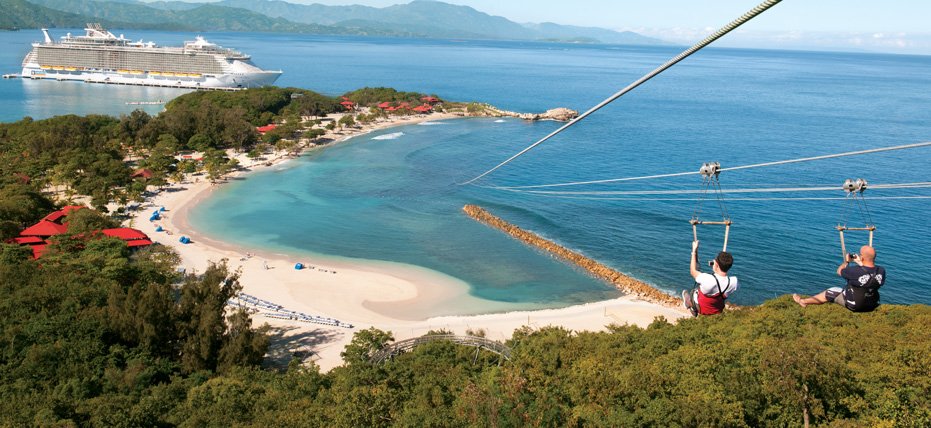
Haïti is blessed with spectacular natural landscapes, including white sand beaches, mountains and rich biodiversity.

Heritage

Heritage

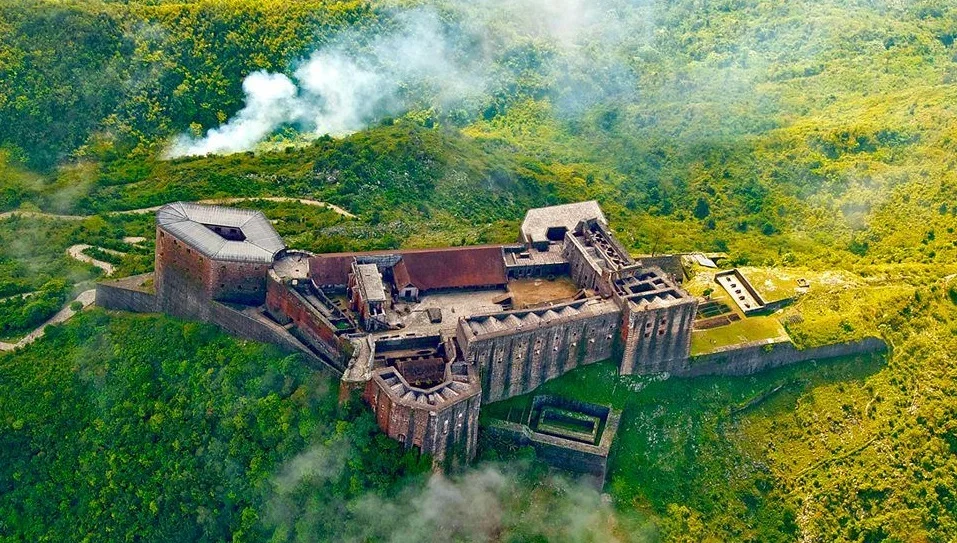
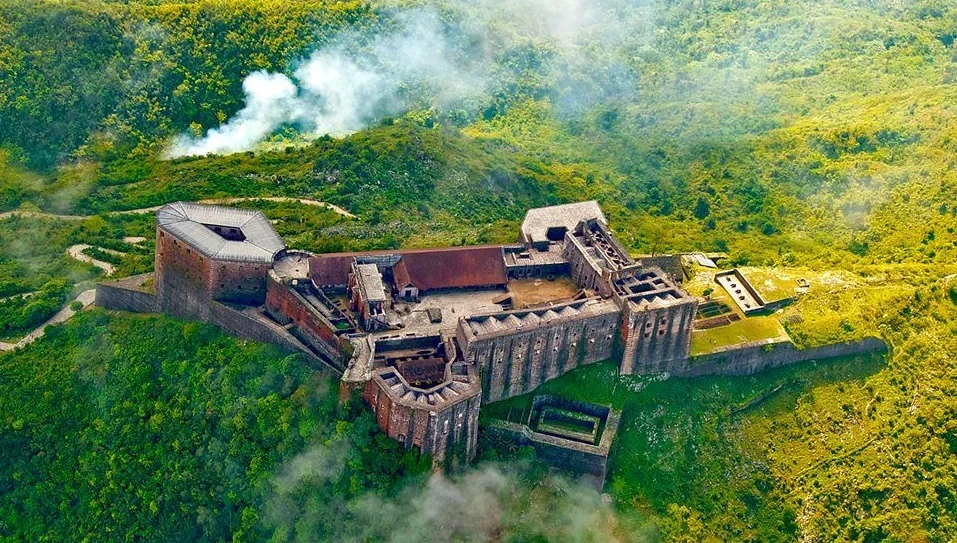
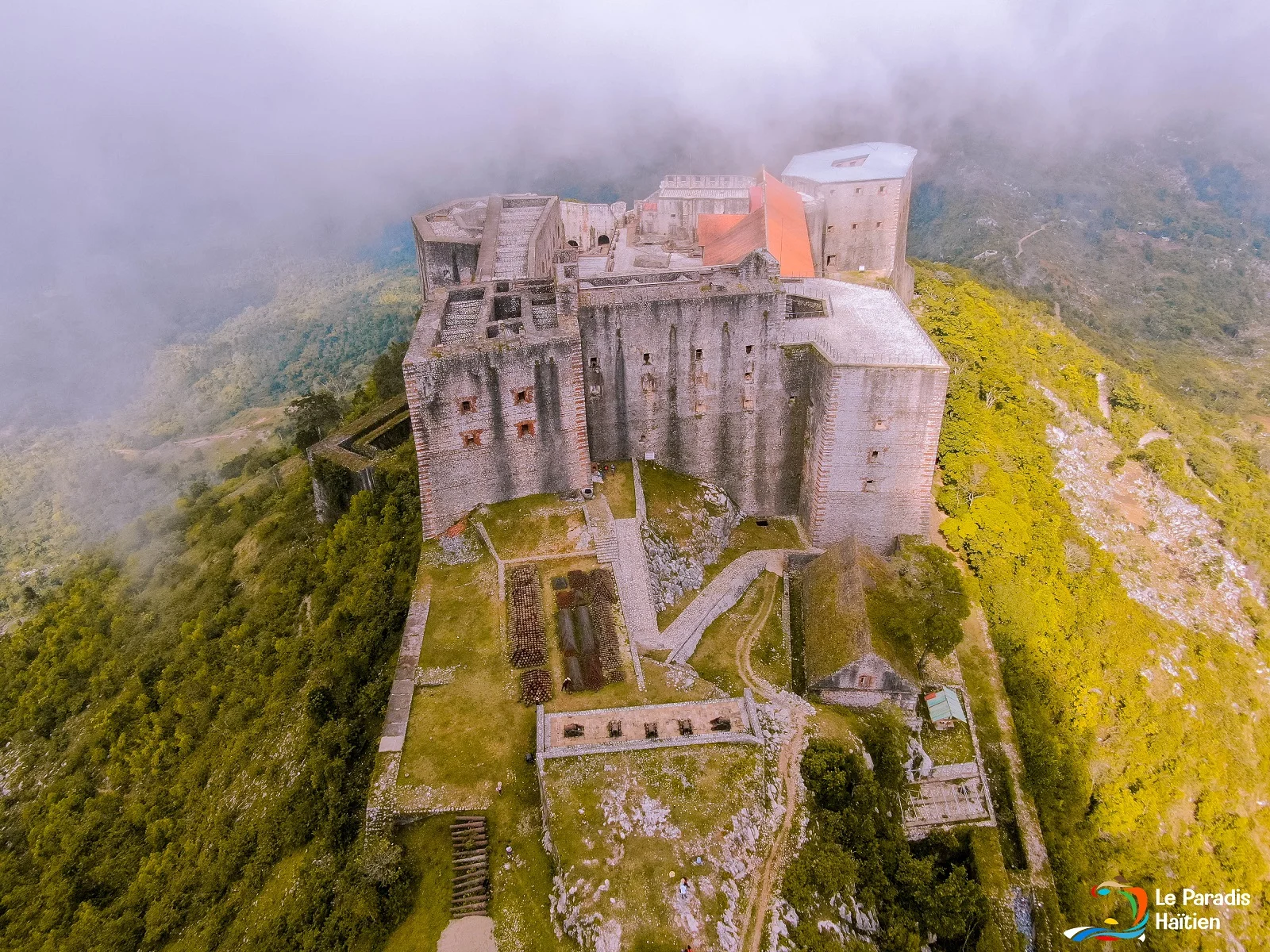
Haïti has a rich historical heritage, including sites like the Citadelle Laferrière and the Sans-Souci Palace, listed as UNESCO World Heritage Sites.

Culture

Culture

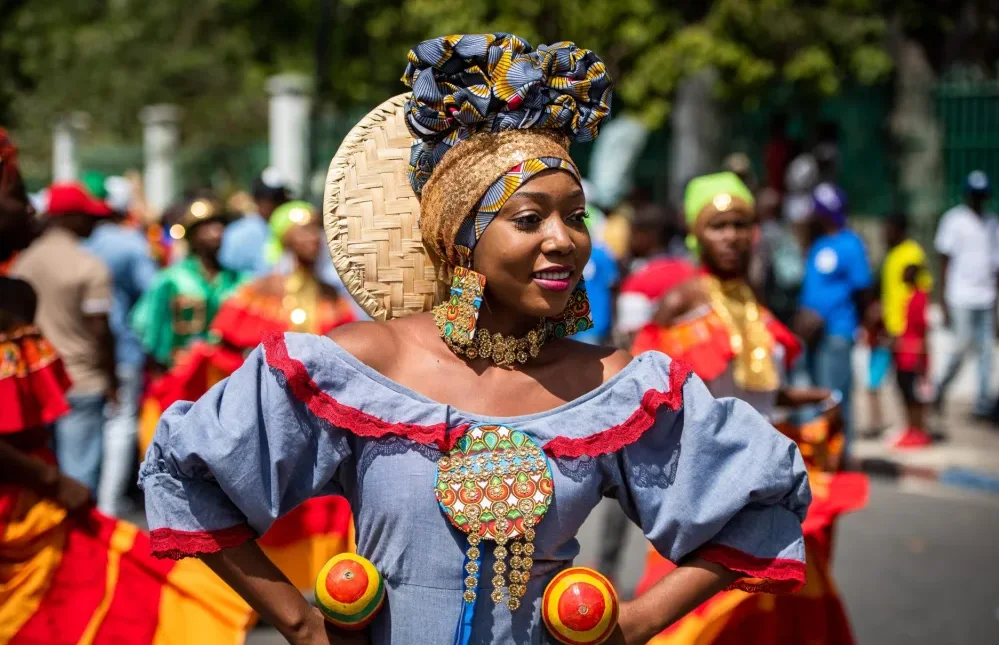
Haïti has a rich and diverse culture, influenced by African, European and indigenous elements. Haitian music, dance, art and cuisine are celebrated around the world.

  • +
    • Post