contact@haitiwonderland.com+509 36184317

Discover

Shopping Cart

What Does “Strength in Unity” Mean for Haiti
What Does  Strength in Unity  Mean for Haiti
What Does Strength in Unity Mean for Haiti

What Does “Strength in Unity” Mean for Haiti

Haiti’s national motto, “Strength in Unity,” is emblazoned on the Haitian flag and is an integral part of the country’s identity. But what does this phrase really mean to Haïti and why is it so important? This article explores the historical, cultural, and symbolic significance of this motto, which embodies the Haitian spirit of solidarity and resilience.

Haïti
Haïti
Haïti

A Legacy of the Haitian Revolution

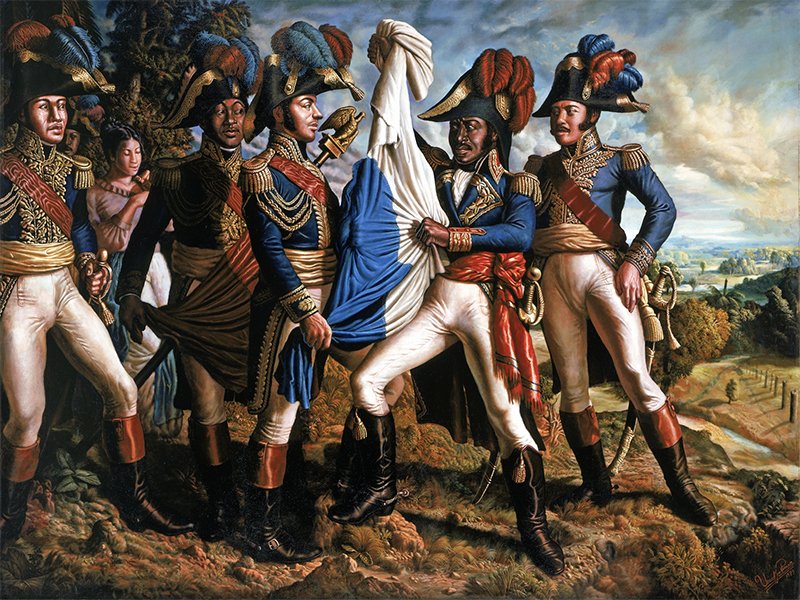
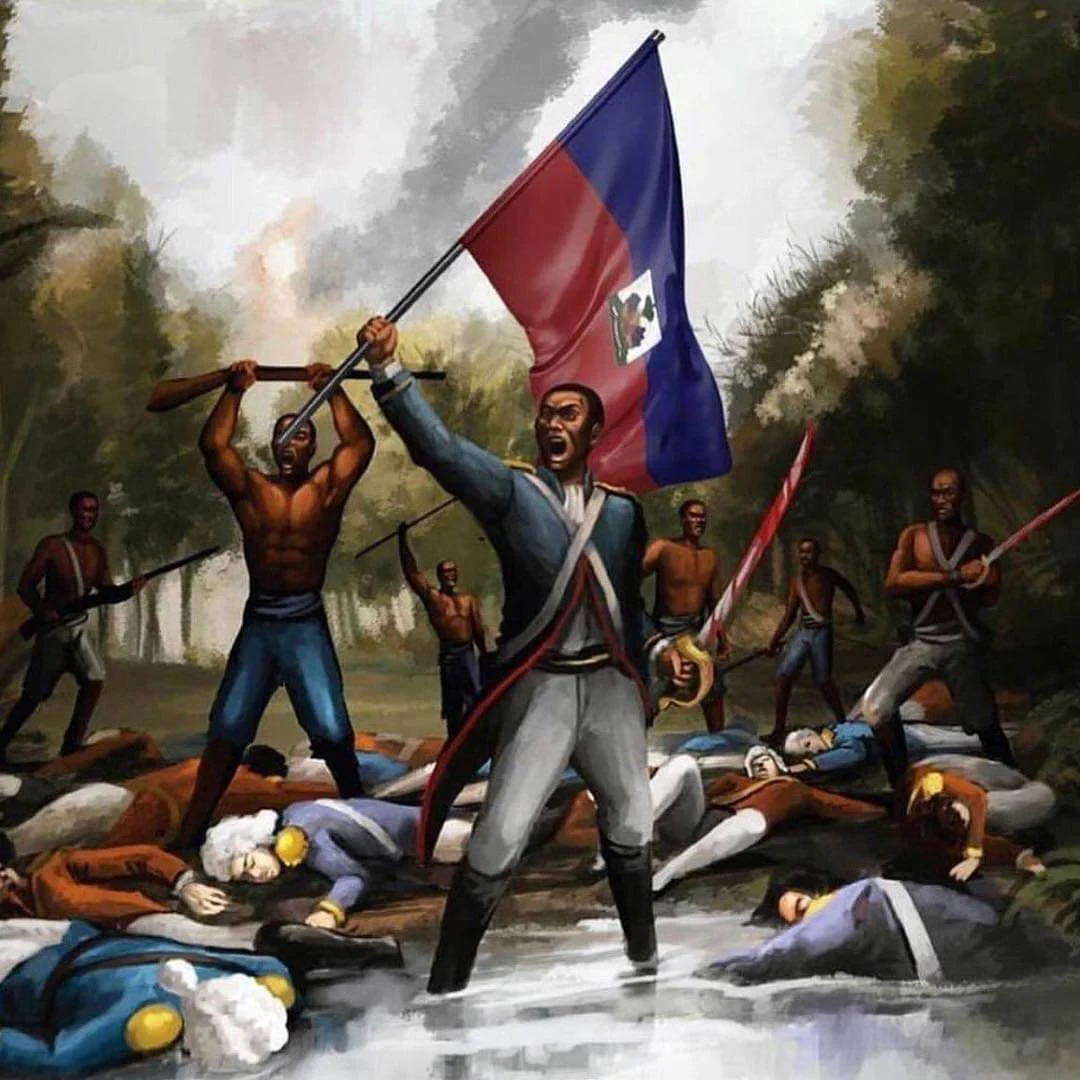
“Strength in Unity” is rooted in Haiti’s revolutionary history. During the struggle for independence from France in the early 19th century, former slaves, led by leaders such as Toussaint Louverture, Jean-Jacques Dessalines, and Henri Christophe, joined forces to overthrow colonial oppression.

This unity was crucial because the slaves came from different regions of Africa, spoke different languages, and had distinct traditions. By overcoming their differences, they were able to form a powerful and coordinated army that defeated one of the most powerful military forces of the time.

The motto "Unity is Strength" reflects this historical lesson: it is through solidarity and collaboration that Haitians were able to conquer their freedom and create the first independent black republic in the world.
A Message of National Cohesion

After independence, Haïti faced many challenges, including economic reconstruction, internal political divisions, and international isolation. In this context, "Unity is Strength" became a constant reminder of the importance of unity in overcoming adversity.

This motto is not just a slogan; it represents a philosophy of life. It invites Haitians to work together, despite their social, economic, or political differences, to build a better future for the country. It also serves as a guide in times of crisis, encouraging people to come together to overcome obstacles.

A Symbol of Resilience and Pride

"Unity is strength" is also an expression of the resilience of the Haitian people. Throughout its history, Haïti has faced many challenges: natural disasters, political instability, and economic challenges. Yet, despite these difficulties, Haitians continue to rise again thanks to their community spirit and solidarity.

The motto inspires national pride, reminding Haitians of their unique history and their ability to overcome oppression. It is a call to remember the sacrifices of ancestors and to honor their struggle by remaining united.

A Call for Unity in Diversity

Haïti is a country rich in cultural, linguistic, and religious diversity. This plurality can sometimes create tensions, but "L’Union fait la force" reminds us that diversity is a richness when it is used to serve a common goal.

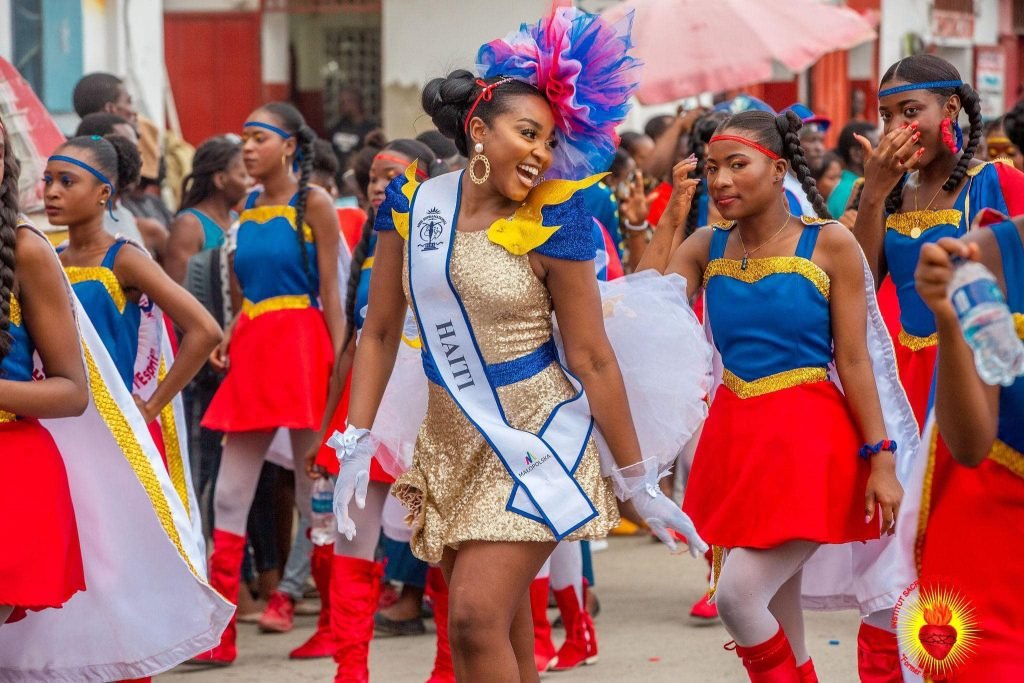
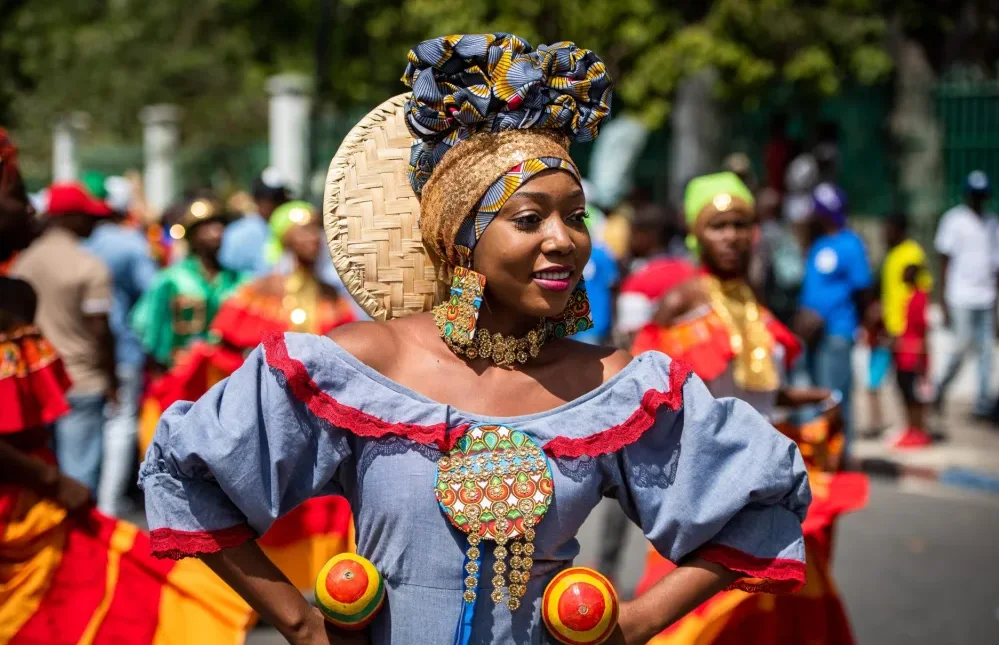
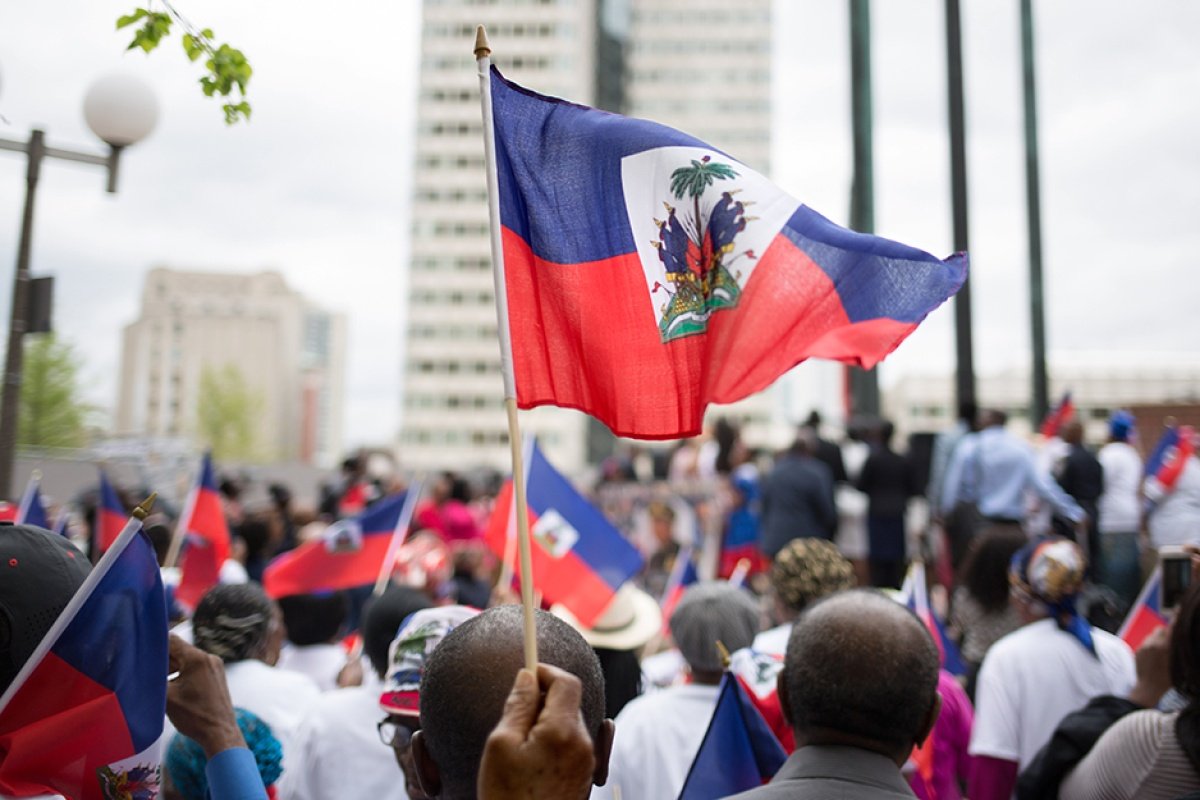
Whether in music, gastronomy or traditional festivals, Haitians celebrate their culture with a spirit of sharing and inclusion. The motto resonates particularly during national events such as Carnival or the celebration of the flag, where unity and fraternity are highlighted.

Haïti
Haïti
Haïti

A Message for the Whole World

Beyond Haiti’s borders, "L’Union fait la force" is a universal message. In a world marked by divisions, this motto recalls the importance of solidarity and collaboration to meet global challenges.

For the Haitian diaspora, it is a link to the homeland and a reminder of the values ​​inherited from ancestors. It also inspires others to learn from Haiti’s history and believe in the power of unity in the face of adversity.

Haiti: The History of the World’s First Free Black Nation

Haiti: The History of the World’s First Free Black Nation

Haiti, the pearl of the Antilles, is a Caribbean island with a rich and complex history. However, its special status as the world’s first free black nation gives it a unique place in the annals of history. This small island was the scene of an extraordinary revolution which resulted in independence, thus marking the beginning of a new era for the black community and the abolition of slavery. Let’s delve into the captivating story of the birth of the first black republic, Haiti. b~The colonial era and slavery~b Haiti’s history dates back to the arrival of Europeans in the 15th century, when Christopher Columbus discovered the island. European settlers, mainly Spanish and French, introduced slavery to exploit the island’s resources, including sugar, coffee and cotton. The indigenous Native American population was decimated, paving the way for the massive importation of African slaves. b~The Haitian Revolution~b On August 14, 1791, Haitian slaves rose up against their oppressors, sparking the Haitian Revolution. Under the leadership of iconic figures such as Toussaint Louverture, Jean-Jacques Dessalines and Henri Christophe, the insurgent slaves inflicted defeats on European armies, demonstrating fierce resistance and a desperate quest for freedom. b~The Declaration of Independence and the creation of the Republic of Haiti~b On January 1, 1804, Haïti proclaimed its independence, becoming the world’s first free black nation. This historic declaration symbolized the end of slavery and the triumph of the will of a people determined to live free. The Republic of Haïti was born in struggle and blood, asserting its autonomy in the face of the colonial powers. b~Post-independence challenges~b However, independence did not mean the end of challenges for Haiti. The country had to face external pressure, reparations imposed by France in exchange for recognition of its independence, as well as internal unrest. Despite these obstacles, Haïti strove to build a free and sovereign nation. The story of Haïti is that of a nation that overcame countless challenges to emerge as a pioneer of freedom for the black population. The Haitian Revolution remains a unique example of resistance, courage and determination, and Haïti continues to carry the torch of independence in the contemporary world. The legacy of this small Caribbean island still resonates today, reminding the world that freedom is a universal right that can be won even in the most difficult circumstances.

Haïti
Haïti
Haïti

Why “Unity is Strength” Remains Essential for Haiti

“Unity is Strength” is much more than just a motto for Haiti. It is a historical legacy, a moral guide, and a source of motivation for a people who have always risen to the challenges. It reflects the very essence of Haitian identity: a courageous, resilient, and united people.

By recalling the importance of unity, this motto continues to inspire current and future generations to build a stronger and more united Haiti, while honoring the struggles and victories of the past.

Share
About the Author
Appolon Guy Alain
Appolon Guy Alain
Appolon Guy Alain

Full Stack Developer, Créatif, expérimenté, passionné des nouvelles technologies et de l’art.

See other articles from Appolon Guy Alain
Leave a comment

Recently Posted

Newsletter

Subscribe to our newsletter to stay informed of all our activities and news on Haiti.

Haiti: A Little-Known Pillar of World Independence

Haiti, the world’s first independent black republic, played an exceptional role in the quest for independence for other nations. Although often overshadowed by other historical events, Haiti’s contribution to the liberation of other countries was significant and deserves to be highlighted. b~The Haitian Revolution~b At the turn of the 19th century, Haïti threw off the chains of slavery and achieved the impossible by freeing itself from French colonial rule. In 1804, the country proclaimed its independence, ushering in a new era for oppressed peoples around the world. b~Inspiration for Latin America~b The Haitian Revolution was a major source of inspiration for independence movements in Latin America. Iconic figures such as Simón Bolívar and Francisco de Miranda recognized the courage and determination of Haitians as a driving force for their own struggles. By materially and ideologically supporting these movements, Haïti contributed to the emergence of several independent nations in South America. b~Influence in Africa~b Beyond the Americas, Haïti also played a crucial role in the quest for independence in Africa. African leaders have left a legacy that has inspired entire generations of freedom fighters on the African continent. The idea that oppressed people could rise up against their oppressors found a powerful echo in the struggles for independence in Africa. b~Support for Liberation Movements~b Throughout its history, Haïti has provided substantial support to liberation movements around the world. Whether through troop dispatches, financial resources or active diplomacy, the country has demonstrated its solidarity with those fighting for their autonomy. Haiti’s contributions have often been discreet but crucial. Haiti, as a pioneer of independence and freedom, has left a lasting impact on the world stage. His legacy resonates across continents, reminding the world that the quest for freedom is universal. By recognizing and celebrating Haiti’s role in the independence of other nations, we not only honor its history, but we also commit to promoting a future where all people have the opportunity to shape their destiny.

Recently Posted

History

History

First black nation to free itself from slavery and gain independence from France in 1804 and influenced other liberation movements around the world, inspiring struggles for freedom and equality.

Natural beauty

Natural beauty

Haïti is blessed with spectacular natural landscapes, including white sand beaches, mountains and rich biodiversity.

Heritage

Heritage

Haïti has a rich historical heritage, including sites like the Citadelle Laferrière and the Sans-Souci Palace, listed as UNESCO World Heritage Sites.

Culture

Culture

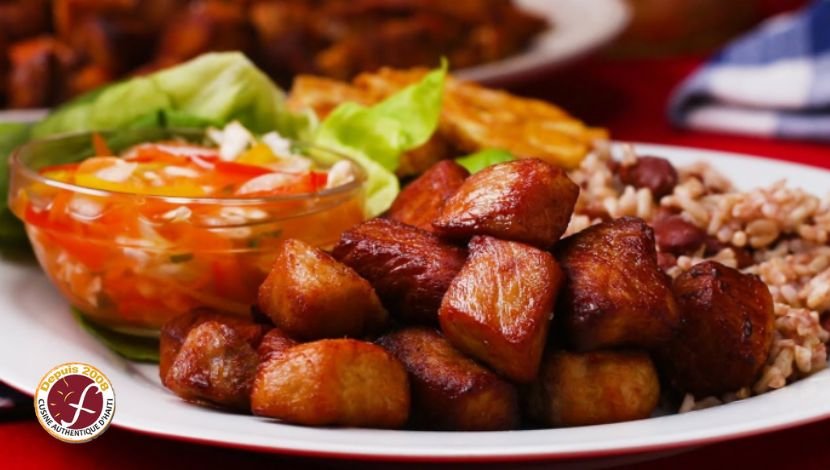
Haïti has a rich and diverse culture, influenced by African, European and indigenous elements. Haitian music, dance, art and cuisine are celebrated around the world.

  • +
    • Post