contact@haitiwonderland.com+509 36184317

Discover

Shopping Cart

And if you were Chef Leen, what dish would you choose to showcase Haiti?

And if you were Chef Leen, what dish would you choose to showcase Haiti?

Cheffe Leen! A name that’s been making the rounds on social media in recent weeks! And for good reason: the Haitian chef represented Haïti in the Guinness World Records in an extraordinary culinary competition. This challenge consisted of cooking for eight days non-stop, a bold way to showcase the richness of Haitian cuisine.

It was in France, more precisely at the Anba Le Pont restaurant, located in Saint-Denis, that Leen Excellent embarked on this exceptional adventure. Starting on Monday, April 7, 2025, she cooked non-stop for nine consecutive days, totaling 187 hours of actual cooking time (after deducting statutory breaks). A historic achievement, combining endurance, passion, and cultural pride.

So, if you were Chef Leen, what would be the first dish you would cook to represent Haitian cuisine to the world?

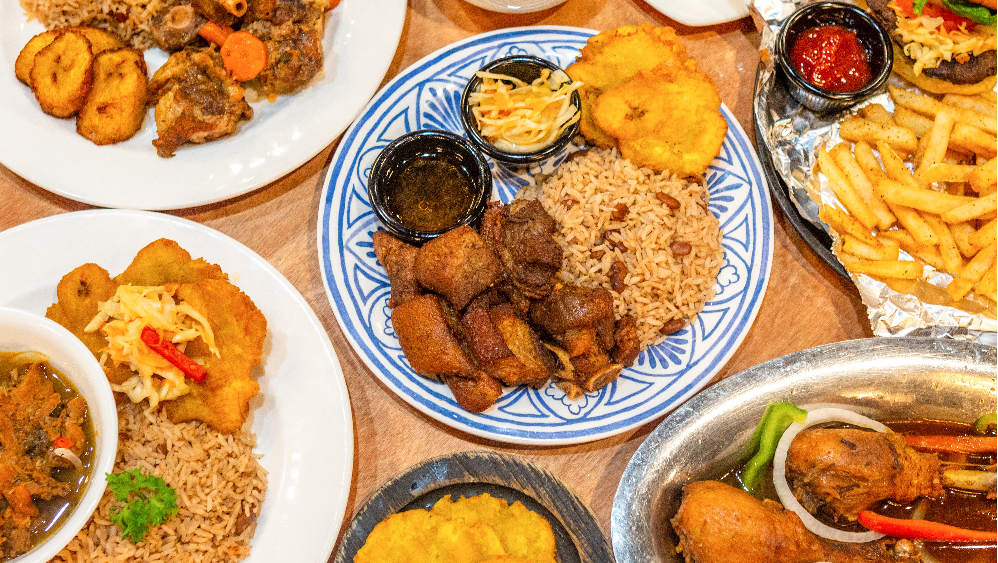
The Haïti Wonderland editorial team asked a few readers this question: some readily answered white rice with pea and vegetable sauce, which they call GOAT. Others opted for a good lalo, a tasty pye kochon stew, a good tchaka, or even the famous morning rice.

Given this diversity, I’ve chosen to present each dish mentioned in the survey over the weeks.

And today we’re starting with tchaka!

Haitian Tchaka Recipe

Ingredients:

500g dried corn
300g red peas or Congo peas
500g pork
1 onion
2 cloves of garlic
1 bouquet garni
1 West Indian chili
2 cloves
Salt and pepper to taste
1 bouillon cube

Preparation:

1. Soaking (the day before):
Soak the corn and red peas separately in water overnight to facilitate cooking.

2. Cooking the peas:
Drain and cook the peas in a large pot with water, salt, a little garlic, and thyme. Cook until tender.

3. Cooking the Corn:
Cook the corn separately in a separate pot with water until tender (approximately 1.5 to 2 hours depending on the type of corn).

4. Preparing the Meat:
Clean the pork (with lemon or vinegar), then boil it with a little salt, garlic, cloves, and spices. Then brown the meat in a little oil until golden brown.

5. Assembly:
Once the peas and corn are thoroughly cooked, combine them in a large pot. Add the browned pork, the whole chili pepper, the chopped onion, the bouillon cube (if desired), and adjust the seasoning.

6. Final Cooking:
Simmer over low heat for approximately 45 minutes to 1 hour, until the mixture becomes smooth and fragrant. You can add water or coconut milk for a richer texture.

Tchaka is more than a dish: it’s a symbol of sharing, tradition, and memory. A dish that, like Chef Leen, represents the strength and pride of our culinary heritage.

See you next week for another recipe from the survey!

Share
About the Author
Jeunes Influenceurs
Jeunes Influenceurs
Leave a comment

Recently Posted

Newsletter

Subscribe to our newsletter to stay informed of all our activities and news on Haiti.

The Republic of the Stateless?

Haïti is making headlines all over the world. And it’s not good news. The exploits of Haitians rarely generate so much interest, but we always tend to point out the excesses, spill ink to stir up thorns in the side, broadcast on loop to relay the chaos that is raging. There is hardly any media to make amends for the resilience of this cornered people. No one to highlight the fierce resistance that serves as fuel for this people hanging in the gorges of death. And what if it was to a certain extent the only way to talk about this country to finally attract attention? It is July 26, 2024. The Olympic Games have just started in France. The 33rd Olympiad of modern times. Without realizing it, according to Forbes Magazine, Haïti ranks among the ten nations with the best costume, proudly pointing to third place. At the same time, miles away from France, on “The Island of Skillfully Orchestrated Chaos,” Haitians do not even realize how much this recognition borders on irony. A paradox whose unpopular evocation is likely to greatly displease. An aerial image shows the city of Paris in all its splendor, illuminated like the gates of paradise, reflecting all the grandeur of France, all the magnificence it has acquired over the centuries, without forgetting the contribution of the blood shed by the horrible machine of colonization. I close my eyes, I go back in time, I see again this boy left to his own devices, lost without even knowing it, doomed to failure without even understanding it. And then there are the others. Boys in the same situation, or worse. Banished from society, they do not know what life has in store for them. They form the elegant class of the marginalized, in their quality of scoundrels, good-for-nothings, and thugs who spoil the splendor of society. This contrast challenges me, and I wonder for a moment if those who live the chaos from the outside grasp the stakes and the reality of the situation. Moreover, it seems to me that even the majority of Haitians living in the territory have no notion of the fundamental and essential aspects of the situation.

Recently Posted

History

History

First black nation to free itself from slavery and gain independence from France in 1804 and influenced other liberation movements around the world, inspiring struggles for freedom and equality.

Natural beauty

Natural beauty

Haïti is blessed with spectacular natural landscapes, including white sand beaches, mountains and rich biodiversity.

Heritage

Heritage

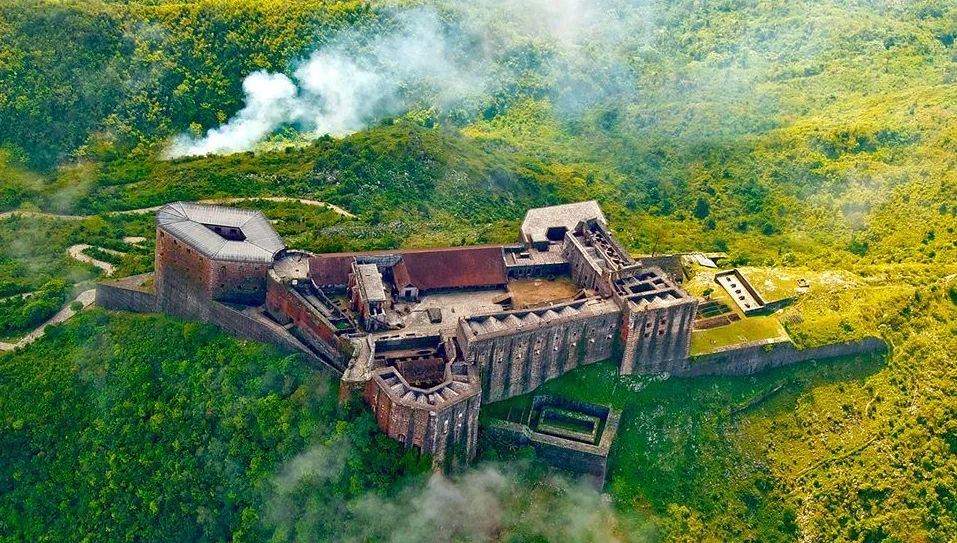
Haïti has a rich historical heritage, including sites like the Citadelle Laferrière and the Sans-Souci Palace, listed as UNESCO World Heritage Sites.

Culture

Culture

Haïti has a rich and diverse culture, influenced by African, European and indigenous elements. Haitian music, dance, art and cuisine are celebrated around the world.

  • +
    • Post