Recipes:
Ingredients
In a video that recently went viral, content creator Pigtoriasecret from Taiwan attempted to make Haitian vegetables. She showed off her culinary skills in a video captioned “Haitian Vegetable.” Her lighthearted approach to mixing culture, cuisine, and humor was creative and offered a unique twist that engaged food lovers and those curious about different cultures. However, comments from Haitians were pouring in from all sides, with criticism of the quality, sarcasm about the method, and irony about the creator’s courage in choosing to cook this dish. It didn’t stop!
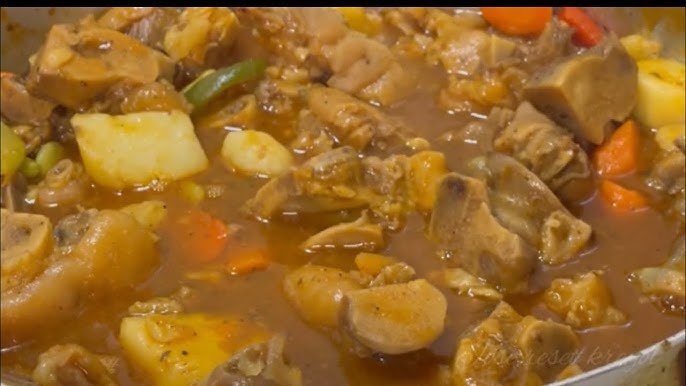
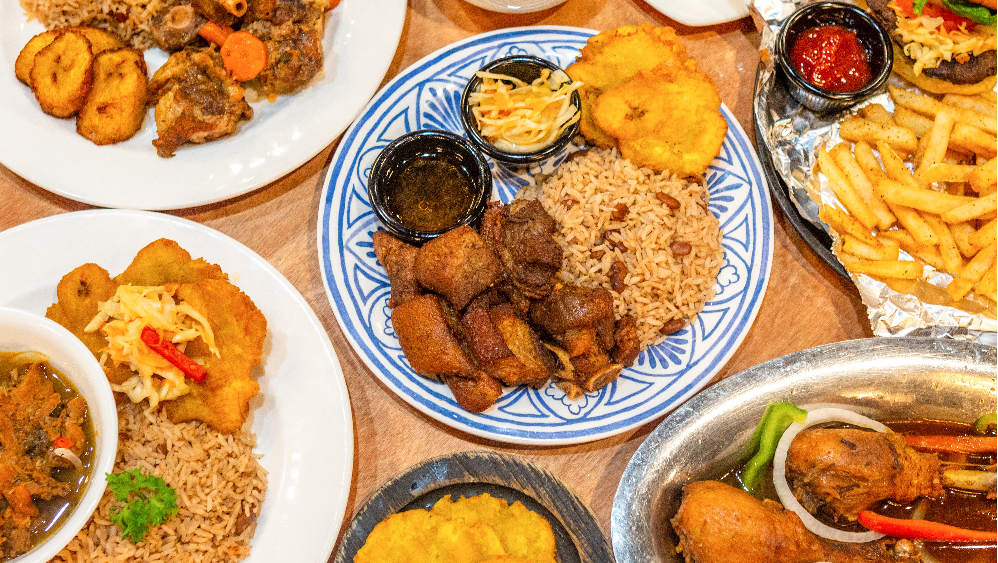
Haïti Wonderland, far from setting itself up as a chef with Michelin stars, brings you the recipe for Haitian vegetables, “legim” or “toufe.”
Read the article in :
Ingredients

• 2 pounds of Haitian-seasoned beef • 2 tablespoons of olive or vegetable oil
• 3 tablespoons of tomato paste (optional)
• 2 cups of water
• 1 chicken bouillon cube (maggi or other)

• 1 cup of water
• 2 eggplants, peeled and cut into pieces
• 0.75 of cabbage, cut into pieces
• 1 package of watercress
• 2 carrots
• 1 medium-sized onion
• 1 mirliton
• 1 hot scotch bonnet pepper (be careful not to burst this pepper)
• ½ lime (juice only)
• ½ teaspoon of salt
• 4 cloves of cloves
• 2 cloves of garlic
• 2 chicken bouillon cubes (maggi or other)
• ¼ teaspoon of clove powder
• 4 tablespoons of olive oil

Cut all your vegetables into pieces. In a saucepan, brown the garlic and onion in a little hot oil. When the garlic becomes translucent, add the eggplant, mirliton, cabbage, carrot, leek and a little water. Cover the saucepan and let the vegetables simmer, which you will then reduce to a puree using a pestle. Return the puree to the heat, salt and pepper. Add a little vinegar, the bouquet garni and the whole goat pepper.
During the week, enjoy the "Toufe" with white rice or rice with the beans of your choice, and come back to give news in comments.

Facebook : https://www.facebook.com/haitiwonderland
Youtube : https://www.youtube.com/@haitiwonderland
Instagram : https://www.instagram.com/haitiwonderland/
Twitter : https://twitter.com/haitiwonderland
Linkedin : https://www.linkedin.com/in/haitiwonderland/
Haiti, a country located in the Caribbean, is an exceptional destination offering rich history, vibrant culture and magnificent landscapes. Here is a list of historical monuments and beautiful places to visit in Haïti to immerse yourself in this land full of treasures.
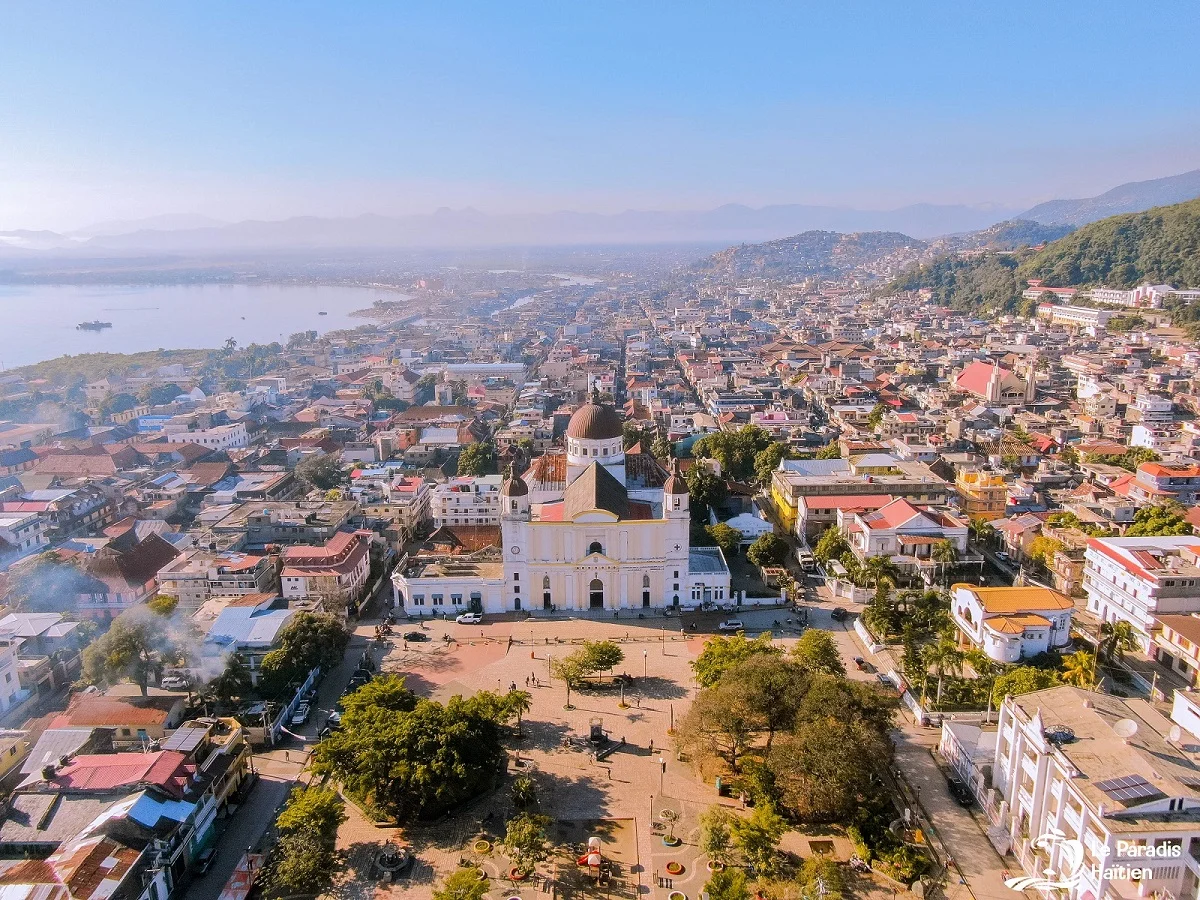
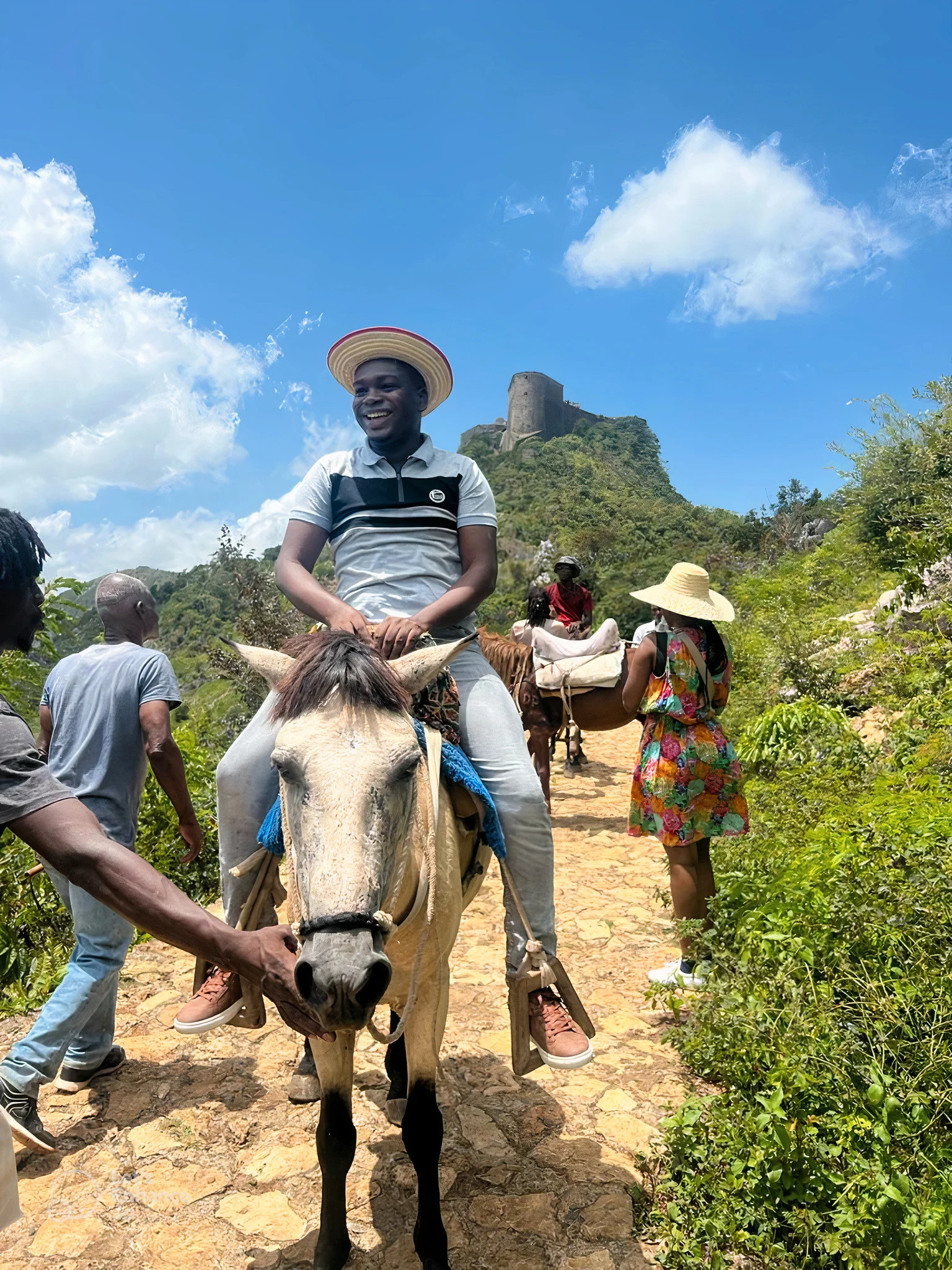
Cap-Haïtien, is a coastal city in the northern department of Haiti, formerly known under the names of Cap-Français or Cap-Henri. Dominated by the Morne Jean mountain, this destination offers an immersion in the French colonial past and the Haitian revolution. Nestled by picturesque bays and bordered by the Haut-du-Cap river, Cap-Haitien appeals to travelers looking for authenticity and seaside adventure. The city, rich in history and culture, has seen the birth of renowned artists like Philomé Obin and hosts a vibrant music scene with the groups Septentrional and Tropicana from Haiti. Its hidden treasures, including the Citadelle La Ferrière and the historic site of Vertières, as well as its magnificent natural landscapes, make Cap-Haitien an unmissable destination in the Caribbean. Paradise beaches in Labadie and cobbled streets evoking a rich past invite visitors to fully immerse themselves in Haitian history and culture. Cap-Haïtien, formerly Cap-Français or Cap-Henri, is the second city of Haiti, capital of the Nord department and the district of Cap-Haïtien. Located on the northern coast of the Republic of Haïti , was considered in the 19th century as the safest port. Dominated by the Morne Jean mountain, culminating at 718 meters above sea level, the town is located at the mouth of the Haut-du-Cap river, on the west coast. of the bay of Cap-Haïtien. To the west of the town lies the Acul Bay.
Subscribe to our newsletter to stay informed of all our activities and news on Haiti.
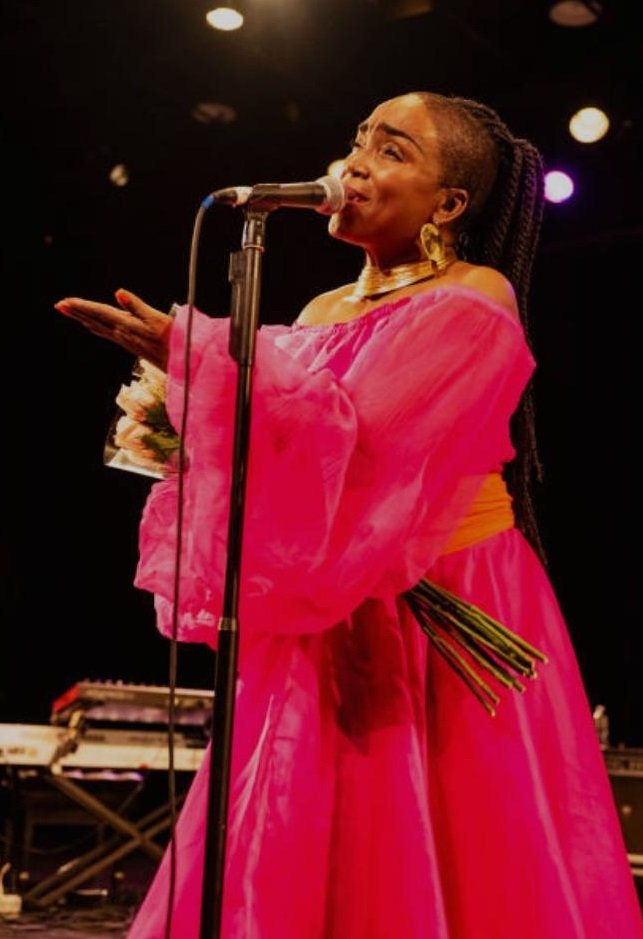
St. Clement Parish celebrates its seventy years of service to God and the Haitian community, this November 23, 2024, at 2975 N. Andrews Ave., Wilton Manors, FL. On the occasion of this celebration, Emeline Michel will be in exceptional concert to mark this cultural event. On the menu of this program, the committee plans to organize evangelization sessions, continuing education, fields of ethics, morality and spirituality. This event will also emphasize faith, reason and culture to rebuild in unity the kingdom of God here below where "Charity unites us to God". With the aim of raising culture to its peak, the Archbishop of Miami is pleased to join us for a great Eucharistic celebration on Saturday, November 23, 2024, starting at 10 a.m. Together, they will mark this mythical date engraved in the memory of his faithful and friends. This evening will be hosted by the icon of Haitian music, Emeline Michel, who has made a name for herself in the Haitian cultural landscape: "We welcome the famous singer Emeline Michel. She will do us the honor of reliving important and unforgettable moments of our charming land of Haiti. With her melodious, very captivating voice and her poetic songs, all the beautiful memories will be there, like our beaches, the light breeze of our mornings and the flight of capricious birds," wrote the press release. The 58-year-old diva continues to establish herself as one of the unique, contagious voices of Haitian music. While remaining in her style, she has been able to create her musical universe during her career, which has allowed her to be honored in the community by her fans. Emeline Michel, with her sincere lyrics and unique style, has managed to reach a wide audience without giving up her authenticity. With her songs and her melodious voice, she has rocked several generations. Throughout her musical career, she has an enriching repertoire, about thirteen albums to her credit, we can cite a few: Douvanjou ka leve (1987); Flanm (1989); Pa gen manti nan sa (1990); Rhum et Flamme (1993); Tout mon temps (1991); Emeline Michel, the very best (1994); Ban m pase (1996); Coedes and Soul (2001); Rasin Kreyòl (2004); Queen of Hearts (2007); Quintessence and lastly Gratitude (2015). She also has many collaborations with other artists. Chanjman and Jan mwen (2020, and 2021) Emeline Michel, 40 years of experience on stage, she carries all Haïti in her voice, her soul and her body. During her flourishing years of success, she has marked several continents where she has already performed (Antilles, America, Europe, Asia). This allowed her to discover several places, such as: Carnegie Hall, at the United Nations; the Teatro Manzoni in Milan; the Kravis Center in Florida; the International Jazz Festival (Haiti). Then, the Luminato Festival in Ontario; the International Jazz of Montreal; the New Orleans Jazz Fest; the Ten Days On The Island. The priest of the parish of St. Clement, Rev. Patrick Charles, took the opportunity to extend a warm invitation to the community to come celebrate this great day marking its seventieth anniversary and to entertain in order to once again highlight Haitian culture.
Haiti, nicknamed the "Pearl of the Antilles", is much more than a beach destination. It is also a paradise for lovers of adventure and exploration. Between mountains, caves, waterfalls and national parks, this country is full of sites where you can live thrilling experiences. Here is a selection of ten places in Haïti that promise unforgettable moments and a total immersion in Haitian nature and culture.
Haiti, an island located in the Caribbean, is not geographically or politically attached to Africa. However, despite the distance and geographical differences, Haïti and Africa share an extremely strong historical, cultural and spiritual bond, forged by centuries of shared history, including the slave trade, colonization and the struggle for freedom. So, is Haïti part of Africa? Let’s explore this question from different angles, highlighting the African roots that shape Haïti to this day.
The national emblem of Haïti is a powerful symbol of the country’s identity, history, and values. It embodies the struggle for independence and the fundamental principles that unite Haitians. This article explores in depth the national emblem of Haiti, its elements, meaning, and importance to the Haitian nation.

First black nation to free itself from slavery and gain independence from France in 1804 and influenced other liberation movements around the world, inspiring struggles for freedom and equality.

Haïti is blessed with spectacular natural landscapes, including white sand beaches, mountains and rich biodiversity.

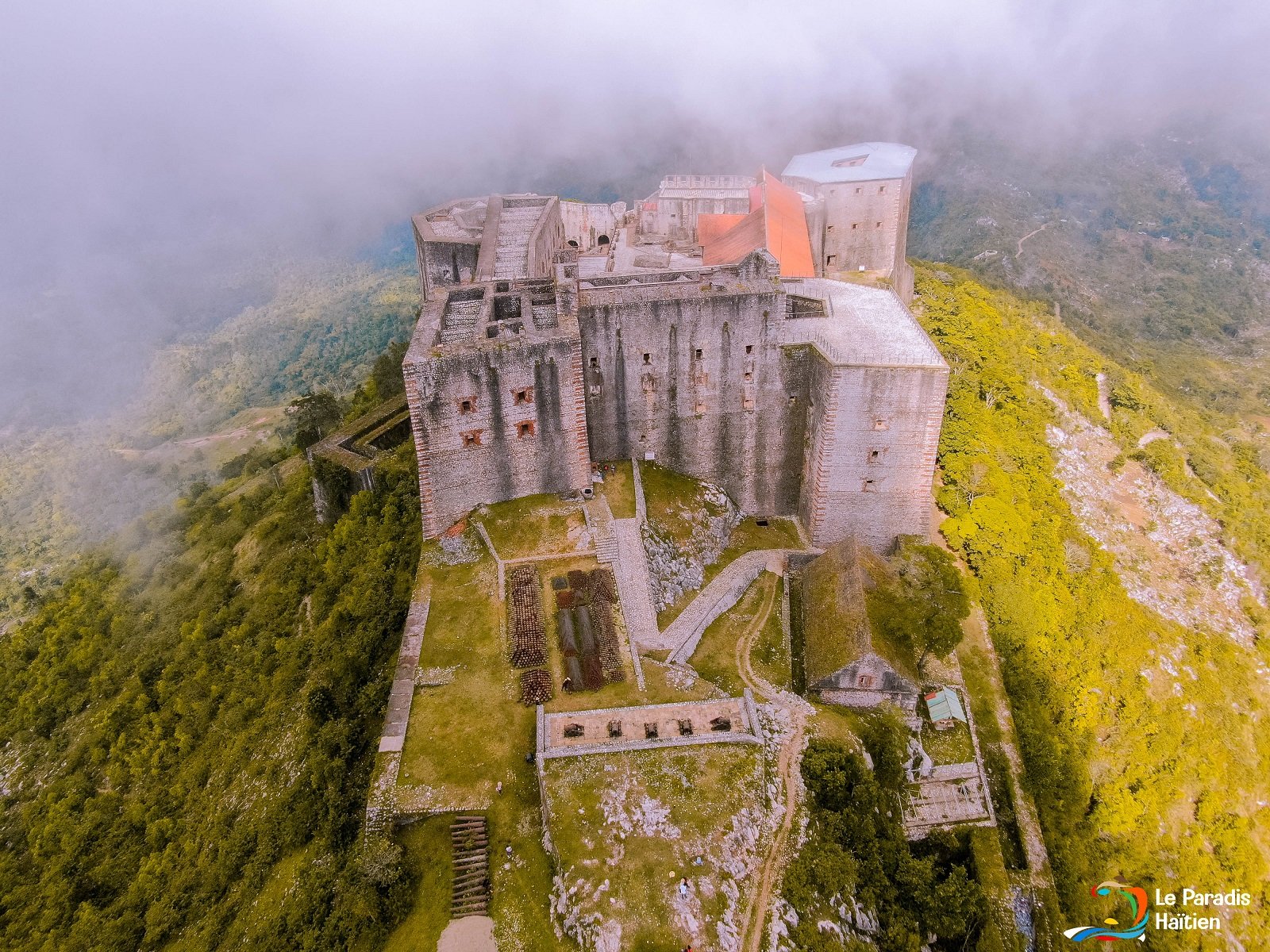
Haïti has a rich historical heritage, including sites like the Citadelle Laferrière and the Sans-Souci Palace, listed as UNESCO World Heritage Sites.

Haïti has a rich and diverse culture, influenced by African, European and indigenous elements. Haitian music, dance, art and cuisine are celebrated around the world.