Ingredients:
- 3 cups corn
- 6 cups water
- 2 tablespoons oil
- 1 tablespoon seasoning
- 2 cups cheddar cheese
- 1 cup parmesan cheese
- 2 tablespoons butter
- Diced onions
- Salt to taste
Readers and little chefs of Haïti Wonderland, I present to you on a golden platter the recipe for corn à la bonne femme. Take your time and share your creation in the comments!
Read the article in :
- 3 cups corn
- 6 cups water
- 2 tablespoons oil
- 1 tablespoon seasoning
- 2 cups cheddar cheese
- 1 cup parmesan cheese
- 2 tablespoons butter
- Diced onions
- Salt to taste

- 2 pounds ground beef
- 1 diced onion
- 1 cup diced bell peppers
- 1 tablespoon seasoning
- 1 cup tomato sauce
- 2 tablespoons olive oil
- 1 tablespoon lime juice
- Salt and pepper to taste

1. Season the ground beef. Brown in an oiled pan with the onion and peppers until cooked. Reduce into pieces and set aside.
2. In a saucepan, prepare a broth with the water, garlic, goat pepper, salt, pepper, thyme and oil. Bring to a boil.
3. Add the corn, tomatoes, onion and pepper. Cook until the water is absorbed, then reduce the heat and simmer.
For the final cooking, add 1 cup of cheddar cheese.

Facebook : https://www.facebook.com/haitiwonderland
Youtube : https://www.youtube.com/@haitiwonderland
Instagram : https://www.instagram.com/haitiwonderland/
Twitter : https://twitter.com/haitiwonderland
Linkedin : https://www.linkedin.com/in/haitiwonderland/
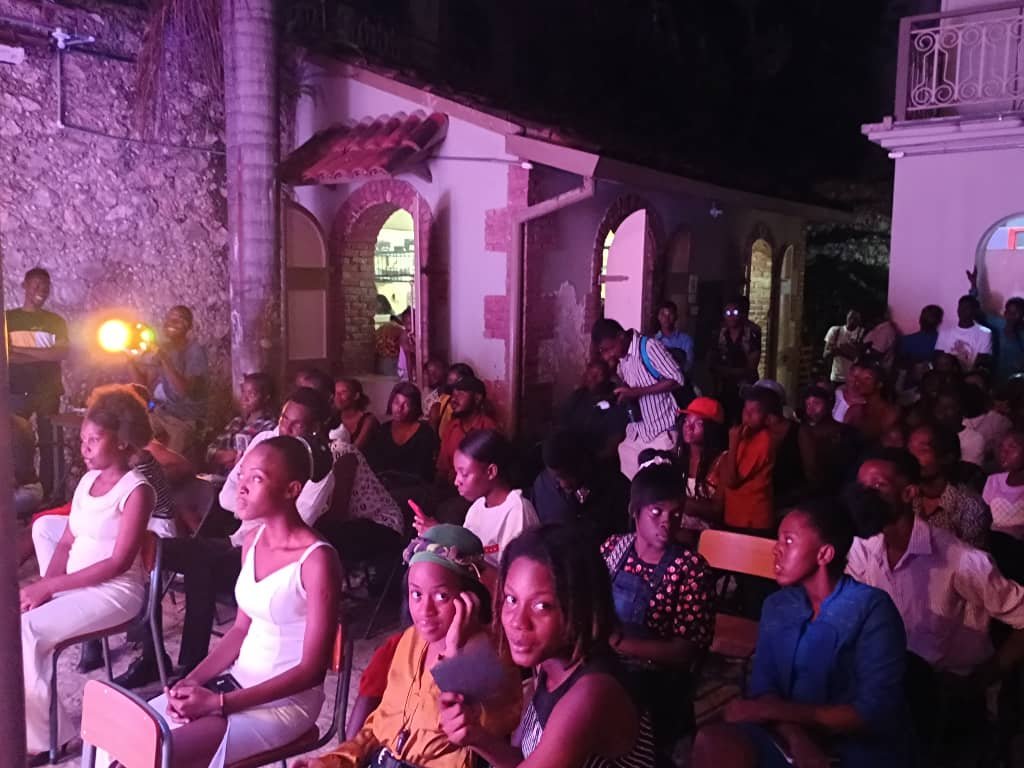
On March 23, 2024, in an atmosphere full of emotion and reflection, the Alliance française de Jacmel witnessed a unique cultural event of its kind. In collaboration with the Jacmel Jazz Festival, Plume en Quête presented a captivating show entitled “The Haitian woman is an asset”. Under the artistic direction of Jean Kenia, this captivating show drew on the provocative writings of the famous philosopher Simone de Beauvoir. Through striking artistic performances, the audience was transported on an introspective journey about the central role of women in Haitian society. The spectators, who came in large numbers to witness this event, were deeply touched by the evocative power of the show. “It was an incredible experience,” said one spectator. “This show captured the strength and resilience of Haitian women in a striking way.” Beyond its artistic aspect, this show also raised important questions about gender equality and women’s empowerment. By highlighting the essential contribution of Haitian women to society, he called for collective reflection on the need to promote social justice and gender equality. In short, this evening at the Alliance Française was much more than just entertainment: it was a vibrant testimony to the strength, resilience and beauty of Haitian women, as well as a call to action in favor of a fairer and more equitable future for all.
Carnival in Haïti is a must-see celebration that embodies the vibrant and festive soul of the country. Each year, this spectacular celebration attracts thousands of participants and visitors, fascinated by the energy, creativity and cultural richness of Haiti. It is a time when music, dance and traditions intertwine in a whirlwind of joy and national pride. Immerse yourself in the enchanting world of Haitian Carnival and discover everything that makes it a unique event.
Subscribe to our newsletter to stay informed of all our activities and news on Haiti.
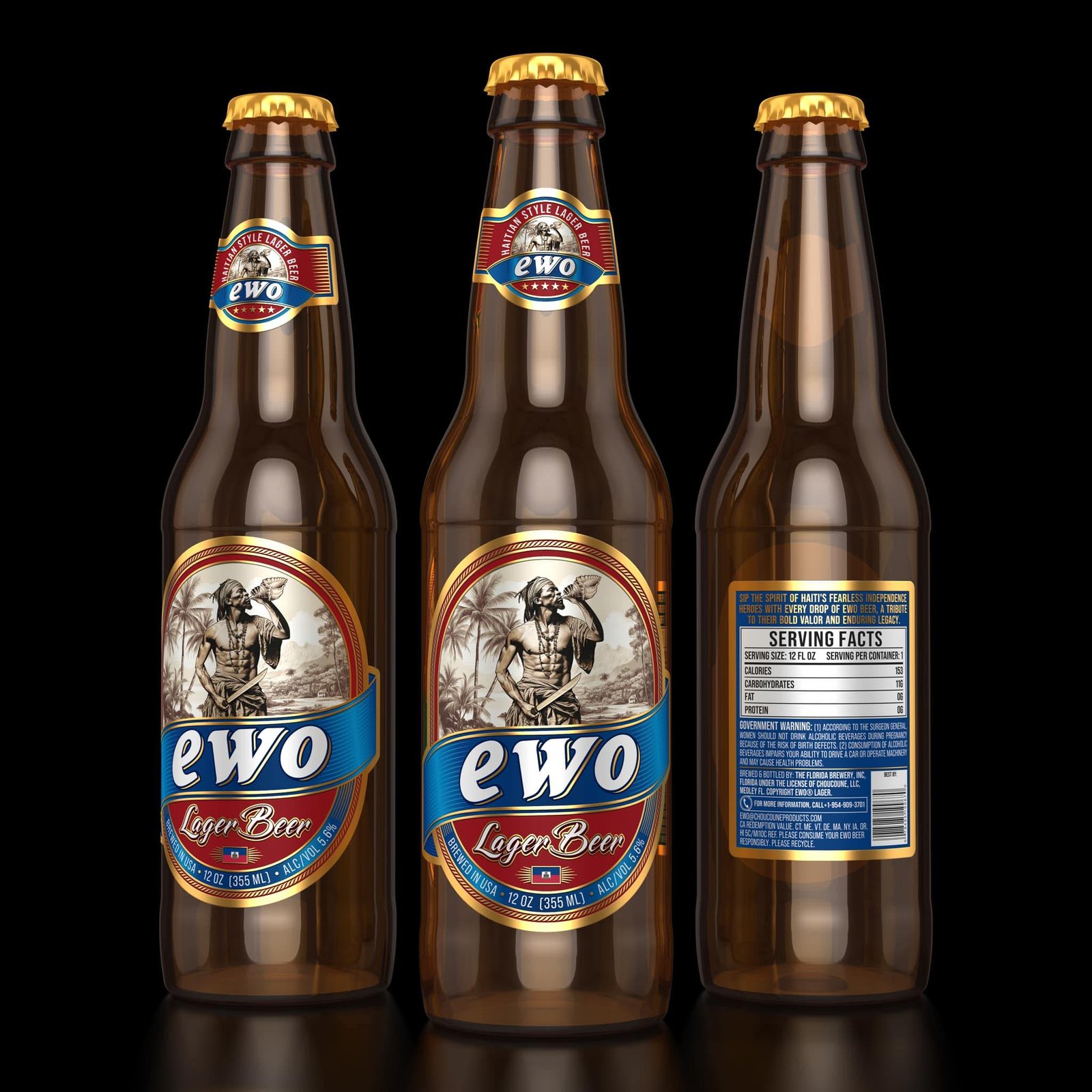
December 1 marked an exceptional moment for the Haitian community and beer lovers around the world, with the official launch of “Ewo” beer by Haitian entrepreneur Jhonson Napoléon. After the success of “Kola Choucoune”, already present in several countries, including the United States and Canada, it is the turn of “Ewo” beer to take the American market by storm. Available in several cities in the United States, this beer embodies the perfect marriage between tradition and innovation, offering consumers a unique taste experience. “Ewo” beer is much more than just an alcoholic beverage. It is a delight that skillfully blends the authentic flavors of Haitian culture with a touch of innovation. In a country where Prestige beer and Barbancourt rum have already conquered palates around the world, “Ewo” beer is proudly added to the list of Haitian taste treasures. Jhonson Napoléon, the man behind this new creation, continues to fly the colors of Haïti across the globe. His commitment to promoting quality Haitian products continues to strengthen the reputation of his country of origin. “Ewo” beer is not just a drink, it is a symbol of Haitian creativity and perseverance that transcends borders. This new step demonstrates the country’s ability to be part of the global trend for quality craft beers. “Ewo” beer is not only a leading local product, but it also stands out on the international scene as the representative of a rich and dynamic culture. The pride that Haitians feel for the success of Jhonson Napoléon and the growing fame of “Ewo” beer is palpable. It is a success story that transcends geographic boundaries and embodies the strength of the Haitian entrepreneurial spirit.
On Tuesday, March 11, 2025, the Haïti Jazz Foundation officially announced the launch of the 18th edition of Pap Jazz during a press conference with festival partners, such as the Canadian Embassy, represented by H.E. Mr. André François Giroux, the French Embassy represented by H.E. Mr. Antoine Michon, the Spanish Embassy represented by H.E. Mr. Marco Peñin Toledano, and the Mexican Embassy, represented by Mr. Jesús Cisneros, Chargé d’Affaires ad hoc of Mexico in Haiti. The Bank of the Republic of Haiti, represented by Mr. Rotchild Jean François Junior and Mrs. Stéphanie St Louis from the Direction of Artistic and Literary Creation, Ministry of Culture and Communication, Mr. Joel Widmaier, Artistic Director of the festival, along with the General Director of the Haïti Jazz Foundation, took the time to explain the details of this 18th edition, including the logistical complexities involved in organizing the festival this year due to the country’s precarious security situation. This edition will take place from March 20 to 22, 2025, across four venues: Quartier Latin, the Brazil-Haïti Cultural Center, the French Institute in Haiti, and the Karibe Hotel.
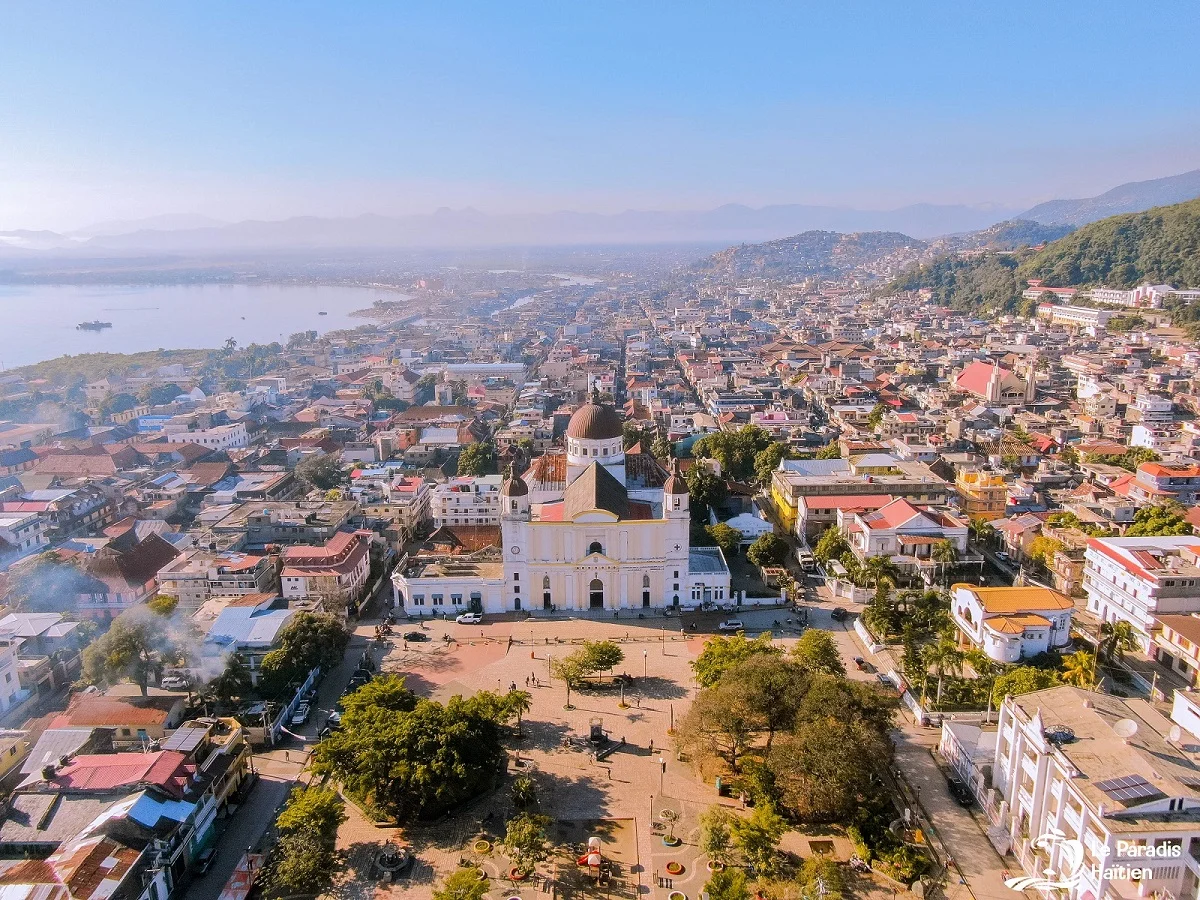
Cap-Haïtien, is a coastal city in the northern department of Haiti, formerly known under the names of Cap-Français or Cap-Henri. Dominated by the Morne Jean mountain, this destination offers an immersion in the French colonial past and the Haitian revolution. Nestled by picturesque bays and bordered by the Haut-du-Cap river, Cap-Haitien appeals to travelers looking for authenticity and seaside adventure. The city, rich in history and culture, has seen the birth of renowned artists like Philomé Obin and hosts a vibrant music scene with the groups Septentrional and Tropicana from Haiti. Its hidden treasures, including the Citadelle La Ferrière and the historic site of Vertières, as well as its magnificent natural landscapes, make Cap-Haitien an unmissable destination in the Caribbean. Paradise beaches in Labadie and cobbled streets evoking a rich past invite visitors to fully immerse themselves in Haitian history and culture. Cap-Haïtien, formerly Cap-Français or Cap-Henri, is the second city of Haiti, capital of the Nord department and the district of Cap-Haïtien. Located on the northern coast of the Republic of Haïti , was considered in the 19th century as the safest port. Dominated by the Morne Jean mountain, culminating at 718 meters above sea level, the town is located at the mouth of the Haut-du-Cap river, on the west coast. of the bay of Cap-Haïtien. To the west of the town lies the Acul Bay.

First black nation to free itself from slavery and gain independence from France in 1804 and influenced other liberation movements around the world, inspiring struggles for freedom and equality.

Haïti is blessed with spectacular natural landscapes, including white sand beaches, mountains and rich biodiversity.

Haïti has a rich historical heritage, including sites like the Citadelle Laferrière and the Sans-Souci Palace, listed as UNESCO World Heritage Sites.

Haïti has a rich and diverse culture, influenced by African, European and indigenous elements. Haitian music, dance, art and cuisine are celebrated around the world.