contact@haitiwonderland.com+509 36184317

Discover

Shopping Cart

Haitian originality at the heart of the Olympic Games thanks to Stella Jean and Philippe Dodard

Haitian originality at the heart of the Olympic Games thanks to Stella Jean and Philippe Dodard

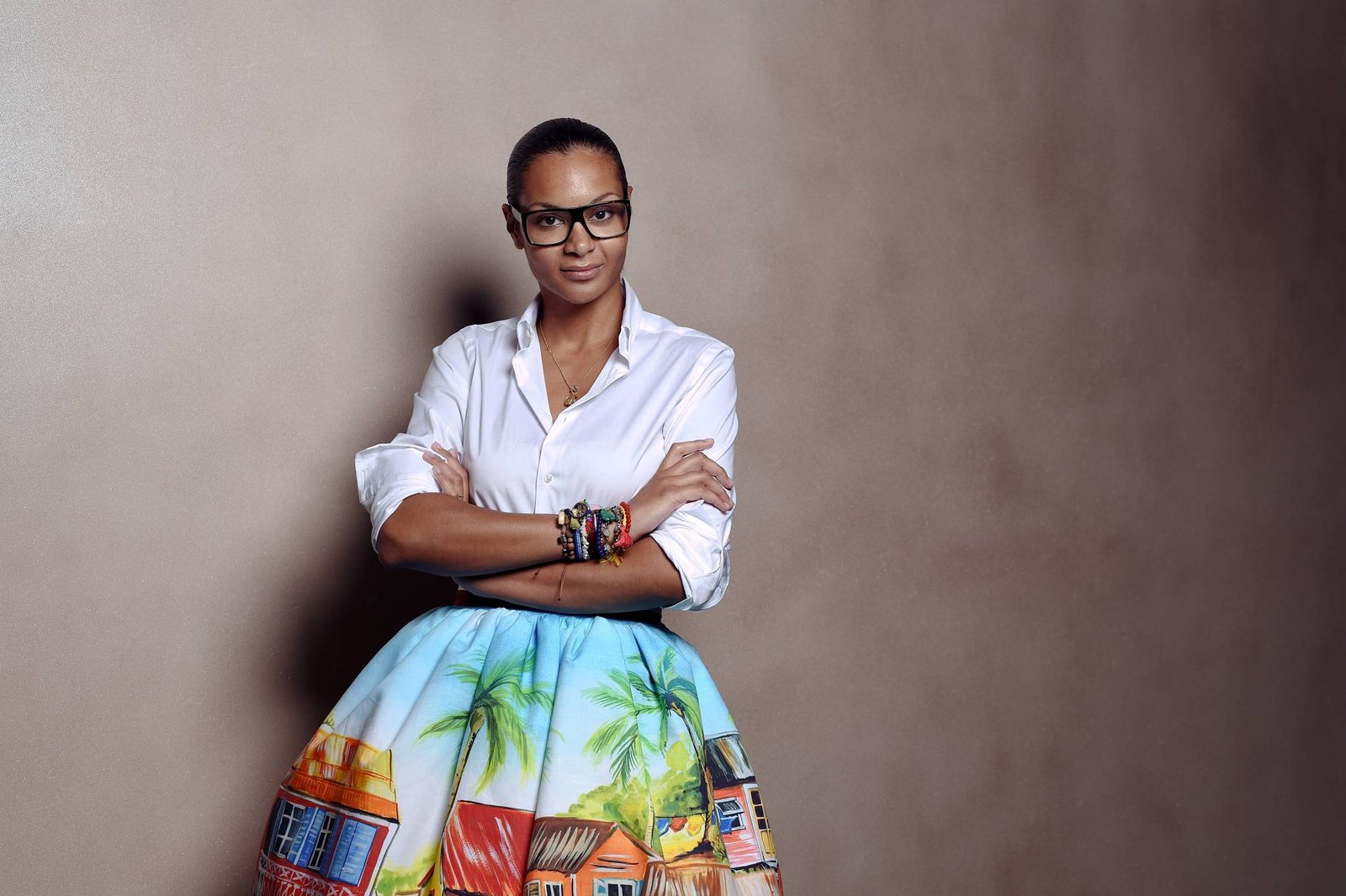
The Olympic Games are in full swing, and this year, Haïti is making a remarkable entrance. For Haitian athletes, these games are not only an opportunity to demonstrate their sporting talent, but also to fly the flag for their culture and history. And this, thanks to an exceptional collaboration between Stella Jean and Philippe Dodard.

Stella Jean
Stella Jean
Stella Jean

Stella Jean: A Designer Between Two Worlds

Stella Jean, this Italo-Haitian designer with a radiant smile, has never forgotten her Haitian roots despite her international successes. When she talks about her creations, her eyes shine with a palpable passion. "Each piece tells a story," she often says. And for these Olympic Games, she wanted each Haitian athlete to carry a piece of the history and pride of their country.

Haïti
Haïti
Haïti

Philippe Dodard: Master of Haitian Art

Philippe Dodard, for his part, is a true master of Haitian art. His works, deeply rooted in the traditions and symbols of the island, capture the very essence of Haitian identity. "Art is a way to reconnect with our ancestors," he explains with emotion. When Stella approached him for this project, he didn’t hesitate for a second. Together, they worked hard to create outfits that are not only beautiful, but also carry a strong message.

Haïti
Haïti
Haïti

The Olympics: A Global Stage for Haitian Expression

The Olympics are often seen as a sporting competition, but for the Haitian delegation, it is a global stage where they can share their history, culture and national pride. Thanks to Stella Jean and Philippe Dodard, every step, every movement of the Haitian athletes is a declaration of love for their country.

As the world watches, Haïti shows that its originality and cultural richness are unmatched. The outfits created by Stella Jean and Philippe Dodard are not simply clothes; they are living works of art, vibrant testimonies to the beauty and depth of the Haitian soul. And through them, the history and spirit of Haïti shines brightly, reminding everyone of the strength and resilience of this extraordinary people.

Share
About the Author
Faïly Anderson Trazil

    Medical student, software developer, UX/UI designer, and web writer.
    Driven by a deep passion for writing and digital innovation.

    Email: failyandersontrazil@gmail.com

    See other articles from Faïly Anderson Trazil
    Leave a comment

    Recently Posted

    Haiti: The History of the World’s First Free Black Nation

    Haiti, the pearl of the Antilles, is a Caribbean island with a rich and complex history. However, its special status as the world’s first free black nation gives it a unique place in the annals of history. This small island was the scene of an extraordinary revolution which resulted in independence, thus marking the beginning of a new era for the black community and the abolition of slavery. Let’s delve into the captivating story of the birth of the first black republic, Haiti. b~The colonial era and slavery~b Haiti’s history dates back to the arrival of Europeans in the 15th century, when Christopher Columbus discovered the island. European settlers, mainly Spanish and French, introduced slavery to exploit the island’s resources, including sugar, coffee and cotton. The indigenous Native American population was decimated, paving the way for the massive importation of African slaves. b~The Haitian Revolution~b On August 14, 1791, Haitian slaves rose up against their oppressors, sparking the Haitian Revolution. Under the leadership of iconic figures such as Toussaint Louverture, Jean-Jacques Dessalines and Henri Christophe, the insurgent slaves inflicted defeats on European armies, demonstrating fierce resistance and a desperate quest for freedom. b~The Declaration of Independence and the creation of the Republic of Haiti~b On January 1, 1804, Haïti proclaimed its independence, becoming the world’s first free black nation. This historic declaration symbolized the end of slavery and the triumph of the will of a people determined to live free. The Republic of Haïti was born in struggle and blood, asserting its autonomy in the face of the colonial powers. b~Post-independence challenges~b However, independence did not mean the end of challenges for Haiti. The country had to face external pressure, reparations imposed by France in exchange for recognition of its independence, as well as internal unrest. Despite these obstacles, Haïti strove to build a free and sovereign nation. The story of Haïti is that of a nation that overcame countless challenges to emerge as a pioneer of freedom for the black population. The Haitian Revolution remains a unique example of resistance, courage and determination, and Haïti continues to carry the torch of independence in the contemporary world. The legacy of this small Caribbean island still resonates today, reminding the world that freedom is a universal right that can be won even in the most difficult circumstances.

    Newsletter

    Subscribe to our newsletter to stay informed of all our activities and news on Haiti.

    The Haitian Carnival: A Festival of Colors, Music and Traditions

    The Haitian carnival, an emblematic and essential celebration of the country’s festive calendar, is much more than a simple party. It embodies the very essence of Haitian culture, joyfully blending ancestral traditions, intoxicating music and a deep sense of community. Each year, this vibrant celebration transforms the streets into a vibrant and colorful spectacle, attracting thousands of participants and spectators eager to take part in this one-of-a-kind celebration. Haitian carnival has deep roots in the country’s history, dating back to colonial times. It has evolved over the centuries, incorporating elements of African, French and Creole culture to create a distinct and captivating celebration. The carnival period in Haïti traditionally begins in January and culminates with extravagant festivities that take place over several days. One of the most striking features of the Haitian carnival is the profusion of colors. Traditional costumes, called "masks", are elaborate and beautifully designed. They feature vivid patterns and vibrant decorations, creating a vivid picture of Haitian cultural identity. Participants, dressed in these elaborate costumes, parade through the streets to the sound of lively music, creating an electric atmosphere. Music is at the heart of the Haitian carnival. The captivating rhythms of compass, rasin, rara and other local musical genres resonate throughout the city, inviting people to dance to the rhythm of the party. Orchestras parade through the streets, accompanying the dancers and creating a unique symbiosis between the music and the graceful movements of the participants. The Haitian carnival parade is not just about the music and costumes; it also celebrates the richness of street arts. Talented artists create giant sculptures, art installations and theatrical performances that tell deep stories of Haitian history and culture. These artistic expressions contribute to the transmission of values ​​and stories that shape the identity of the Haitian people.

    Recently Posted

    History

    History

    First black nation to free itself from slavery and gain independence from France in 1804 and influenced other liberation movements around the world, inspiring struggles for freedom and equality.

    Natural beauty

    Natural beauty

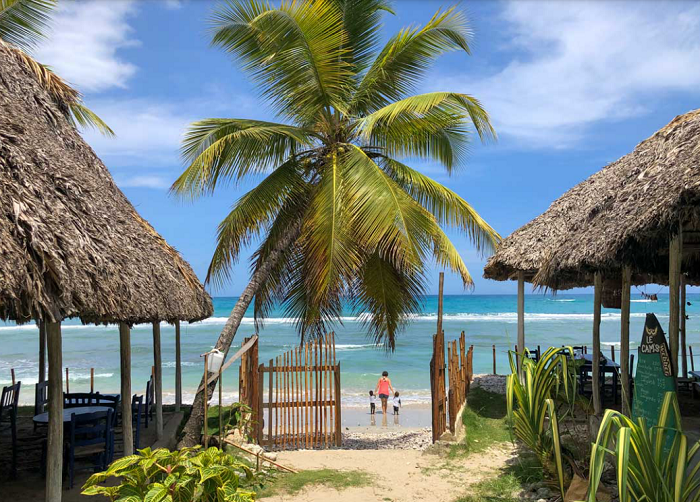
    Haïti is blessed with spectacular natural landscapes, including white sand beaches, mountains and rich biodiversity.

    Heritage

    Heritage

    Haïti has a rich historical heritage, including sites like the Citadelle Laferrière and the Sans-Souci Palace, listed as UNESCO World Heritage Sites.

    Culture

    Culture

    Haïti has a rich and diverse culture, influenced by African, European and indigenous elements. Haitian music, dance, art and cuisine are celebrated around the world.

    • +
      • Post