1. Tropical Fruits and Nuts
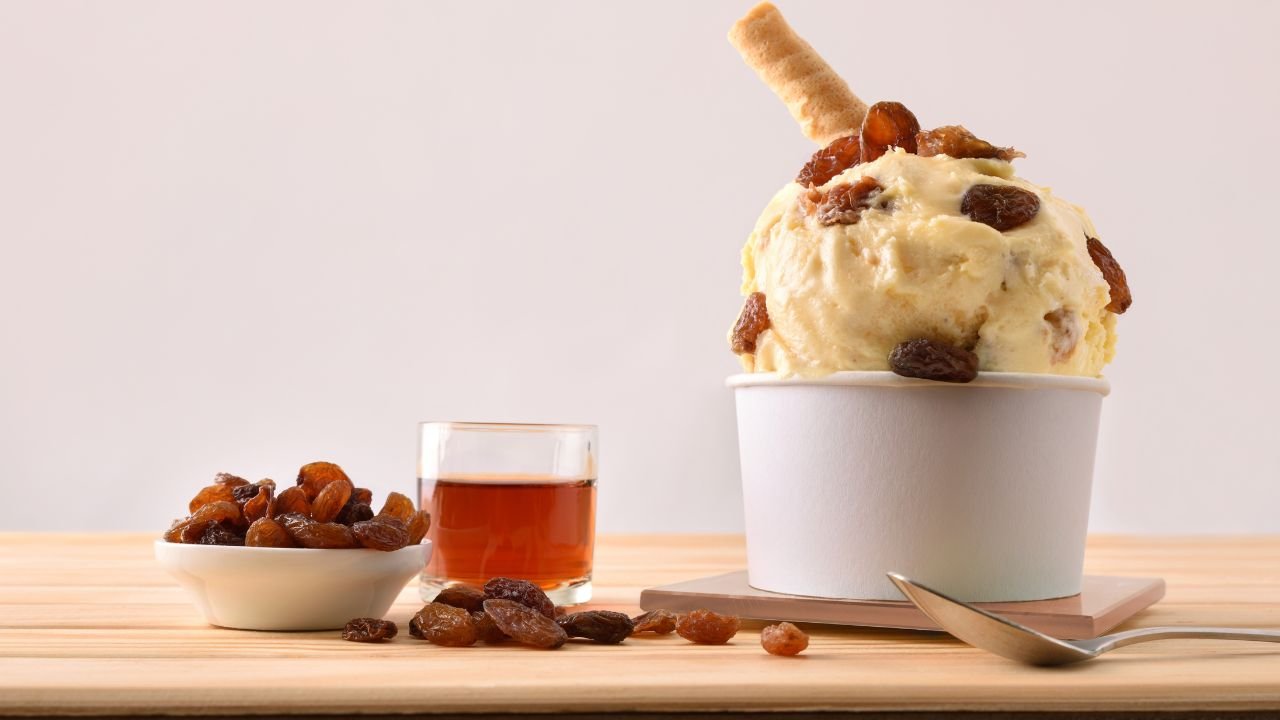
A blend of mango, papaya, pineapple, and banana paired with cashews or almonds for a fresh and vitamin-packed breakfast.
If you’re looking for light Haitian options to start the day off right, here are some simple and nutritious ideas:
Read the article in :
A blend of mango, papaya, pineapple, and banana paired with cashews or almonds for a fresh and vitamin-packed breakfast.
A slice of bread spread with homemade guava, soursop, or tamarind jam, served with a nice ginger tea.
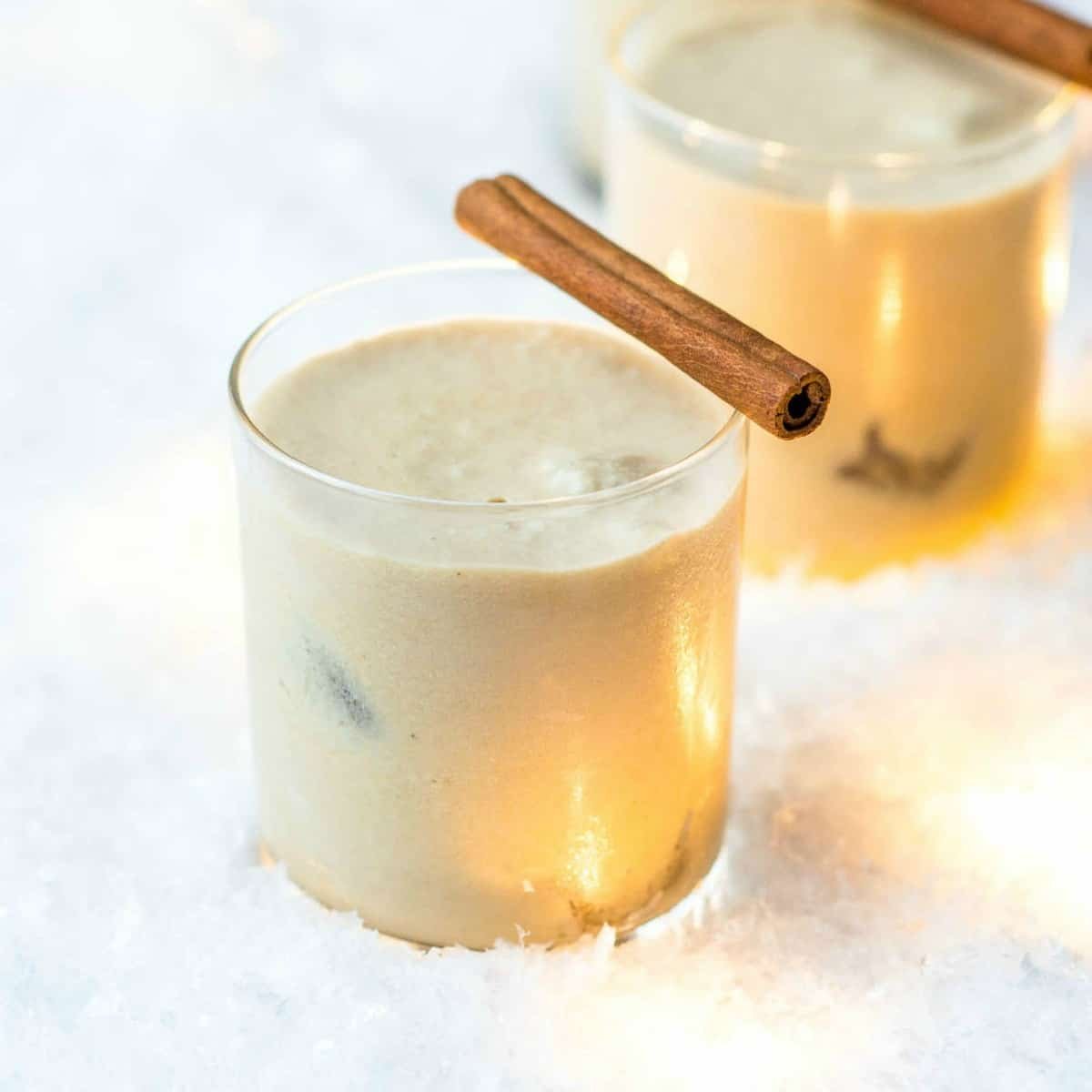
A creamy and nourishing smoothie with coconut milk, banana, and mango, lightly sweetened with honey or maple syrup.
A lightly grilled cassava flatbread with avocado slices, a squeeze of lemon, and a pinch of salt.

Facebook : https://www.facebook.com/haitiwonderland
Youtube : https://www.youtube.com/@haitiwonderland
Instagram : https://www.instagram.com/haitiwonderland/
Twitter : https://twitter.com/haitiwonderland
Linkedin : https://www.linkedin.com/in/haitiwonderland/
A simple Google search for "Haïti" will leave you with a bitter taste, as you will mostly discover degrading images that fail to pay homage to Haïti’s natural beauty, rich history, and vibrant culture. This reality stems from a multitude of online media outlets that, in their relentless quest for visibility and profit, disseminate images that do not reflect the true essence of Haïti. It is time to challenge this trend and raise awareness among Haïtian online media of the profound impact of their editorial choices on the image of their own country. b~The Consequences of the Dissemination of Degrading Images:~b Sharing degrading images of Haïti contributes to perpetuating prejudices and reinforcing negative stereotypes associated with the country. This can have serious consequences for tourism, foreign investment, and even the national pride of Haïtians. Furthermore, it creates a distortion of reality, masking the many positive and inspiring aspects of Haïti. b~A Call for Editorial Responsibility:~b It is imperative that Haïtian online media take editorial responsibility in ensuring that the images and stories they broadcast reflect the diversity and richness of Haïti. Rather than focusing only on the negative aspects, they should highlight the successes, positive initiatives, and exceptional contributions of Haïtians to global society. b~Promote a Balanced Image:~b Haïti’s diversity, both culturally and socially, deserves to be celebrated. Haïtian online media have the opportunity to play a key role in promoting a more balanced image of the country by highlighting its successes, its innovations and its rich history. This will not only help educate the global public, but also inspire pride and confidence in Haïtians themselves. It is time for Haïtian online media to realize their power as opinion shapers and actively contribute to transforming Haïti’s image. By choosing to share balanced and positive stories, they can play a vital role in building a more accurate and respectful perception of this remarkable country. It is a call for editorial responsibility, sensitivity and national pride, in order to restore Haïti to its rightful place on the world stage.
Subscribe to our newsletter to stay informed of all our activities and news on Haiti.
Each year, May 1 is celebrated around the world as Labor Day, a day dedicated to honoring the contributions of workers and reflecting on work-related issues. In Haiti, this day takes on special significance, where agriculture is emerging as a crucial economic pillar. With its fertile lands and nature conducive to cultivation, Haïti has enormous agricultural potential that could transform its economy and improve the lives of its inhabitants.
Christmas in Haïti is a holiday full of traditions, spirituality and moments of conviviality. Marked by religious celebrations, family feasts and unique cultural expressions, Haitian Christmas is a magical time that reflects the generous and festive soul of the Haitian people. This article takes you to the heart of Christmas traditions in Haiti.
Schneider Léon Hilaire is a young Haitian painter endowed with exceptional talent, trained at the prestigious Centre d’Art in Port-au-Prince. From the very beginning, he captured the hearts of art lovers throughout the Haitian capital, quickly making a positive impression on the local art scene. His talent, nourished by the rich and diverse Haitian culture, has not been confined to the borders of Haiti. Indeed, after a successful exhibition in Paris last year, Schneider Léon Hilaire’s work has found a new place to spread its wings, continuing to captivate beyond the oceans.
Haiti, officially the Republic of Haïti (Ayiti in Creole), is a country in the Greater Antilles. With an area of approximately 27,750 square kilometers, it is the third largest country in the Caribbean after Cuba and the Dominican Republic. Haïti shares a 360-kilometer land border with the Dominican Republic, strengthening ties and cultural distinctions between the two nations that cohabit on the island of Hispaniola. Haiti’s coastline stretches approximately 1,770 kilometers, bordering the Atlantic Ocean to the north and the Caribbean Sea to the south. This island is full of historical treasures, stunning natural landscapes and a vibrant culture worth exploring. Discover this Caribbean gem with us.

First black nation to free itself from slavery and gain independence from France in 1804 and influenced other liberation movements around the world, inspiring struggles for freedom and equality.

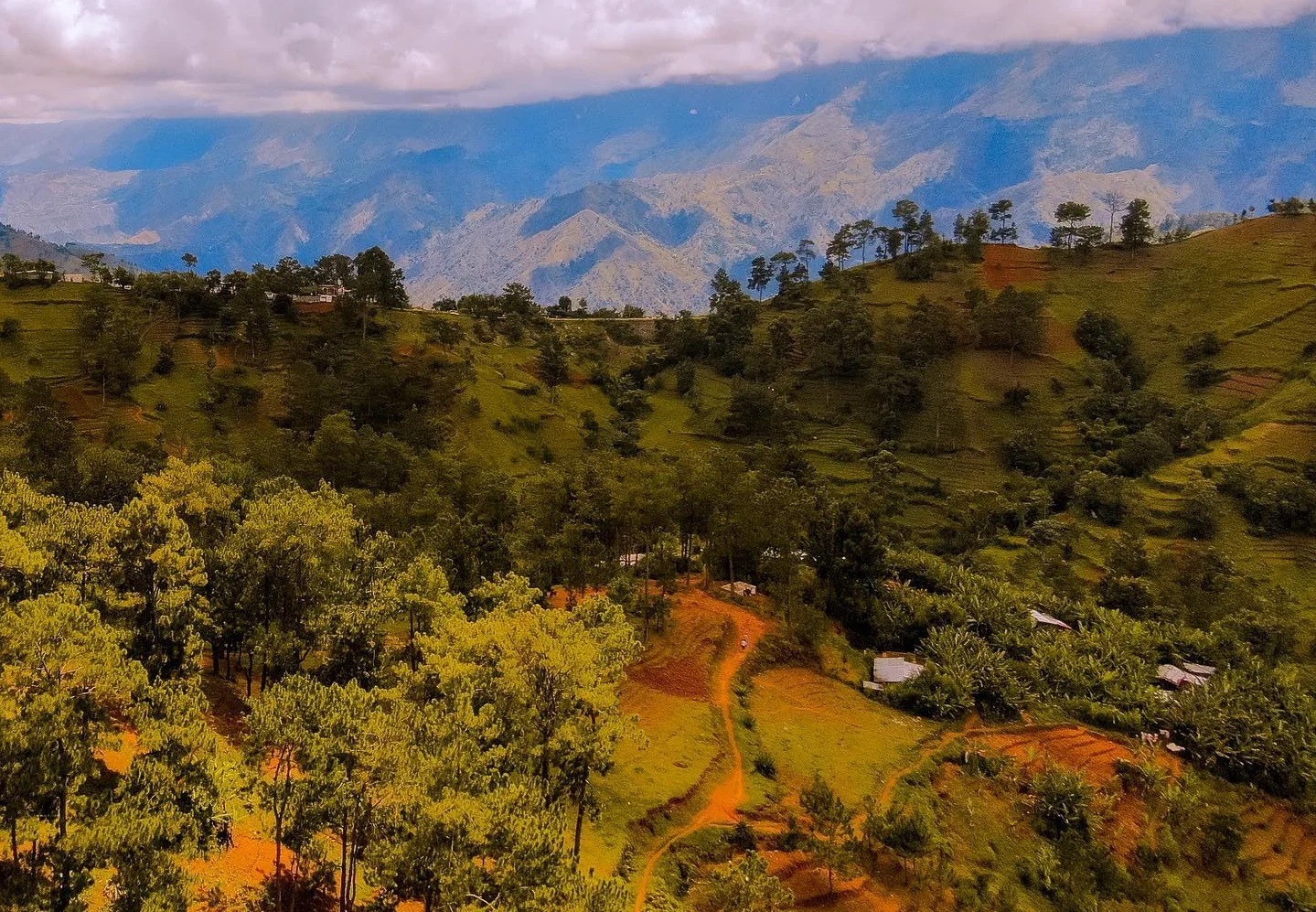
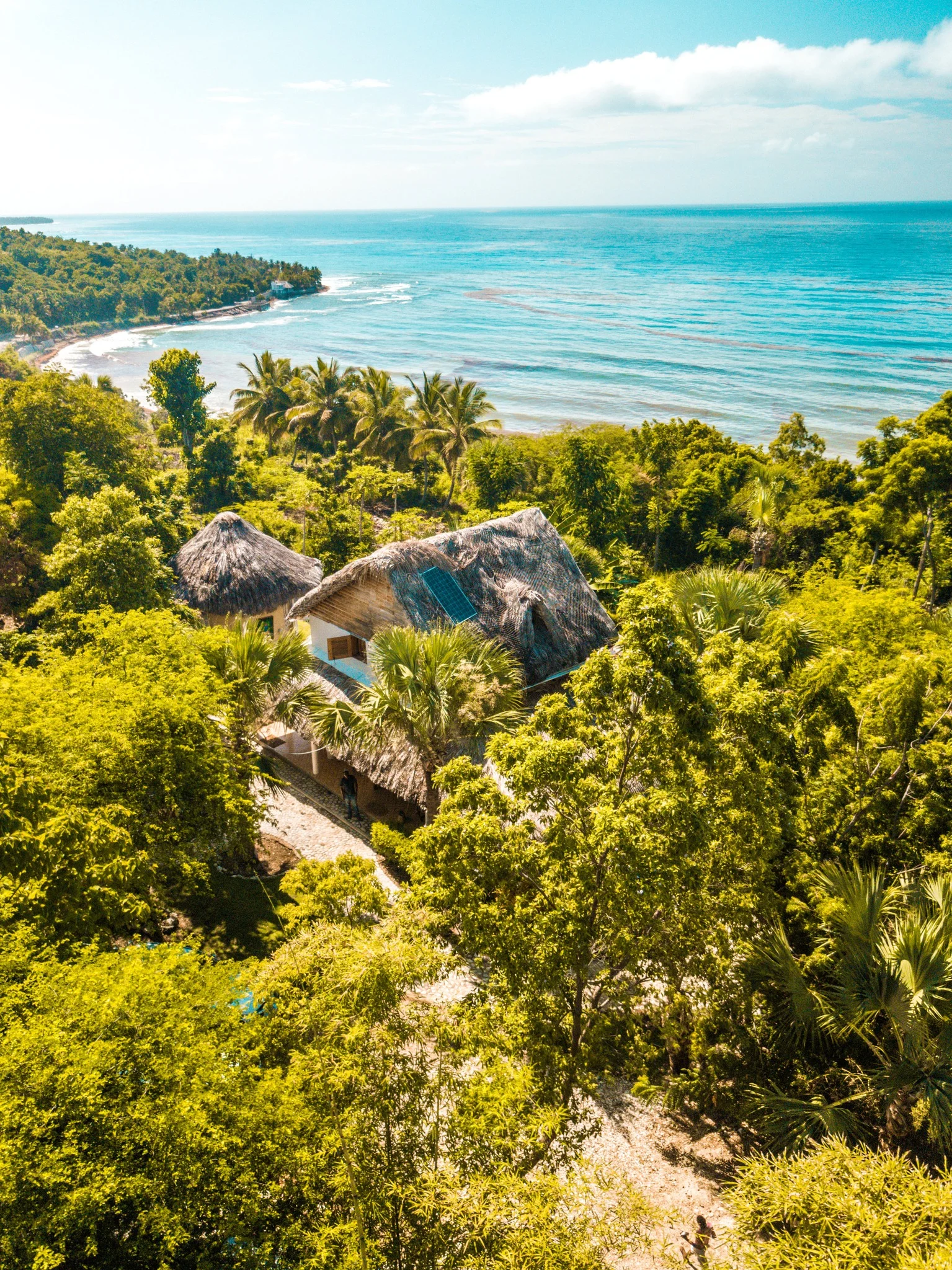
Haïti is blessed with spectacular natural landscapes, including white sand beaches, mountains and rich biodiversity.

Haïti has a rich historical heritage, including sites like the Citadelle Laferrière and the Sans-Souci Palace, listed as UNESCO World Heritage Sites.

Haïti has a rich and diverse culture, influenced by African, European and indigenous elements. Haitian music, dance, art and cuisine are celebrated around the world.