contact@haitiwonderland.com+509 36184317

Discover

Shopping Cart

Labor Day in Haiti: Agriculture as an Economic Lever

Labor Day in Haiti: Agriculture as an Economic Lever

Each year, May 1 is celebrated around the world as Labor Day, a day dedicated to honoring the contributions of workers and reflecting on work-related issues. In Haiti, this day takes on special significance, where agriculture is emerging as a crucial economic pillar. With its fertile lands and nature conducive to cultivation, Haïti has enormous agricultural potential that could transform its economy and improve the lives of its inhabitants.

Artibonite
Artibonite
Artibonite

Fertile Lands of Haiti

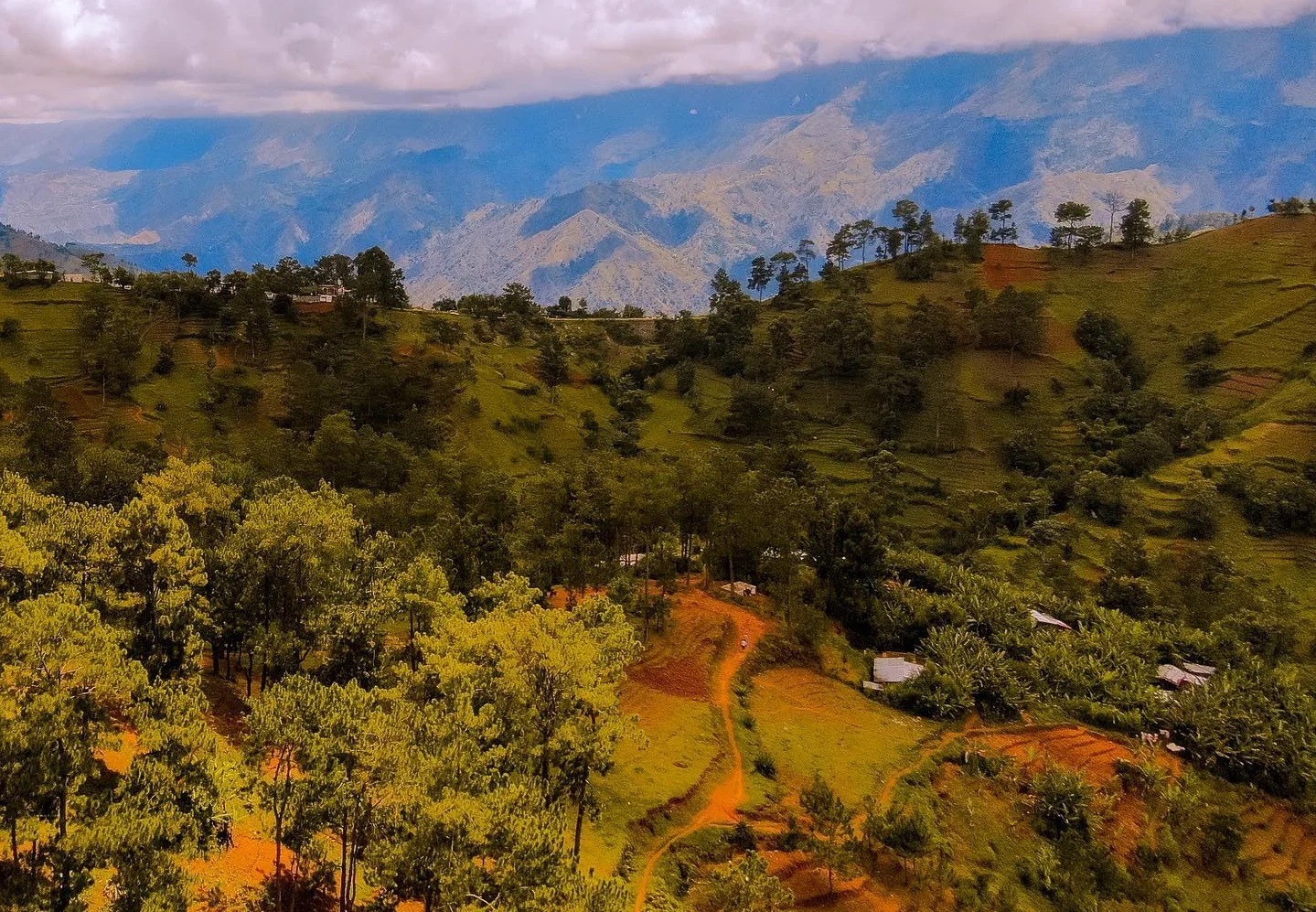
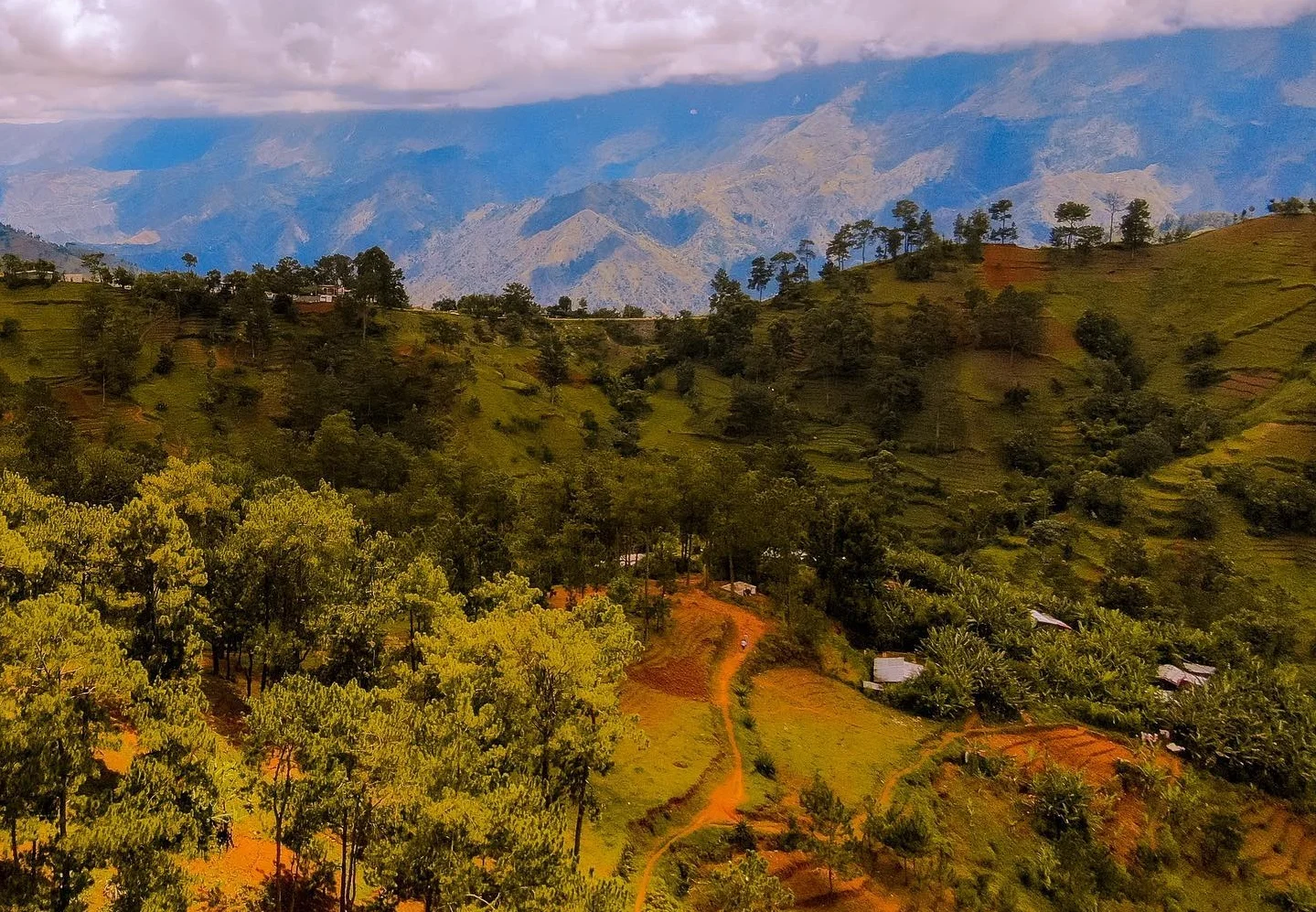
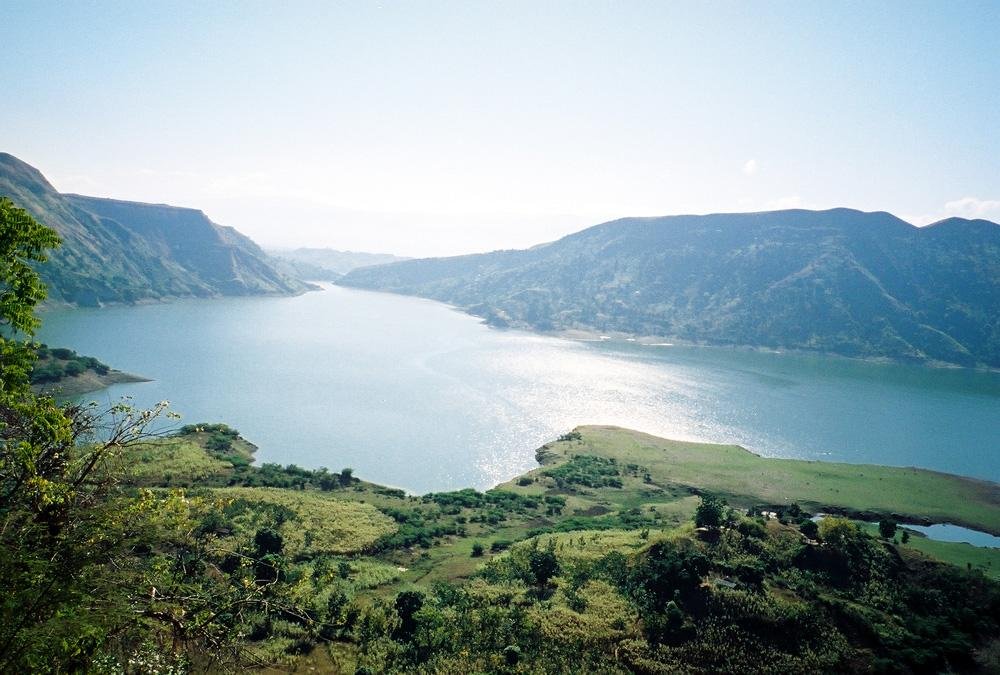
One of Haiti’s most valuable assets is its fertile soil. The country has a great diversity of agricultural land, ranging from fertile valleys to mountainous plateaus. Regions like Artibonite and the Northern Plains provide ideal conditions for growing a variety of agricultural products, from rice to coffee to cocoa. These fertile lands are a valuable natural resource which, if properly exploited, can provide a solid foundation for Haiti’s economic development.

See as well

Haïti
Haïti
Haïti

Auspicious Nature of Haiti

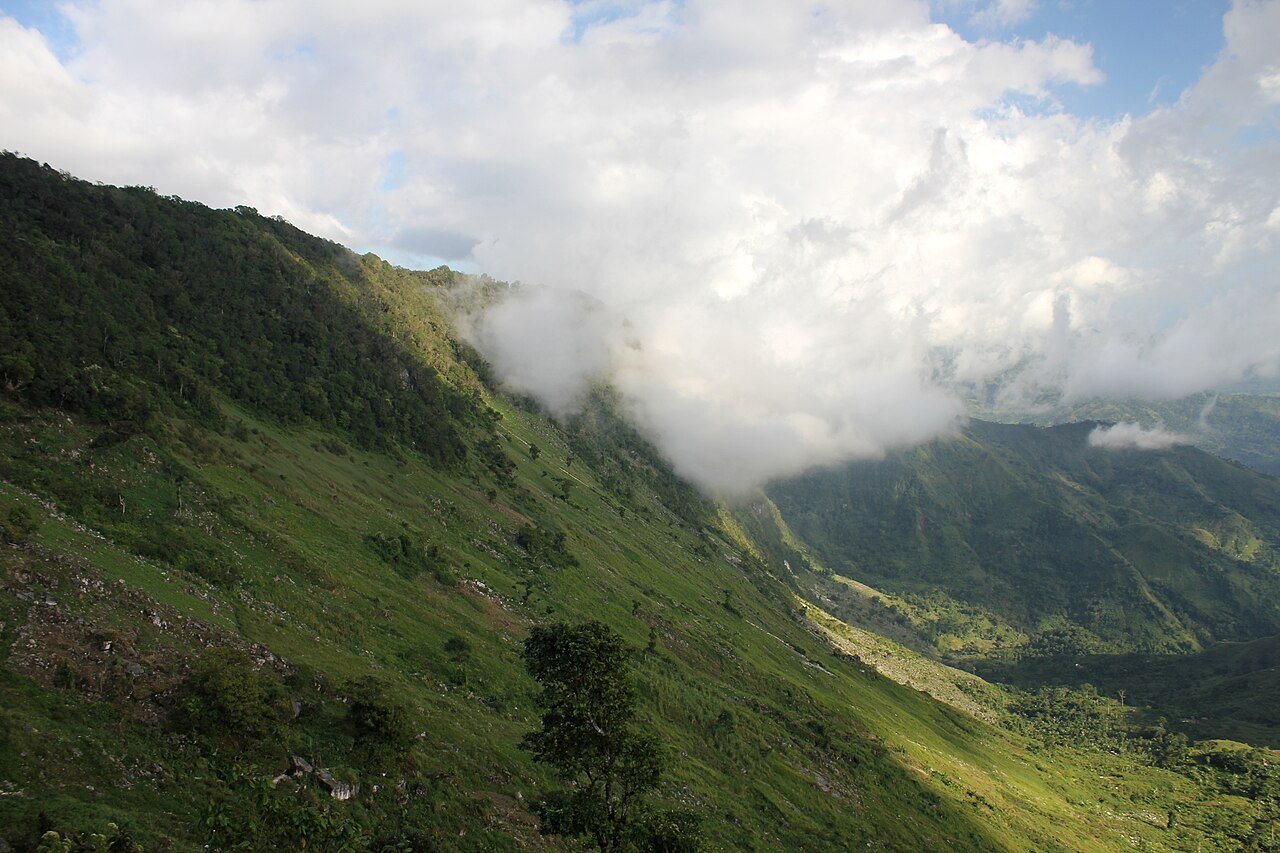
In addition to its fertile lands, Haïti benefits from a tropical climate favorable to agriculture. With moderate temperatures and adequate rainfall, the country provides a conducive environment for crop growth throughout the year. Additionally, the variety of altitudes creates microclimates suitable for different types of crops. This climatic diversity allows Haïti to produce a wide range of agricultural products, which constitutes a competitive advantage on the international market.

Haïti
Haïti
Haïti

Agriculture as an Economic Pillar

In a country where more than half of the population depends on agriculture for their livelihood, the agricultural sector plays a vital role in the Haitian economy. Not only does it provide employment to millions of people, but it also contributes significantly to the country’s GDP.

Haïti
Haïti
Haïti

Future prospects

There is immense potential to develop agriculture in Haïti and make it an engine of sustainable economic growth. By investing in modern agricultural practices, robust agricultural infrastructure, technical training and agronomic research, the country can increase its agricultural productivity, improve food security and create jobs in rural areas. Additionally, by adopting sustainable agricultural practices and preserving its natural resources, Haïti can help mitigate the effects of climate change and promote the resilience of agricultural communities.

This Labor Day, it is essential to recognize the crucial role that agricultural workers play in Haiti’s development and to renew our commitment to supporting and promoting the agricultural sector. By investing in agriculture, we are investing in Haiti’s future, creating economic opportunities, reducing poverty and ensuring food security for all.

Share
About the Author
Appolon Guy Alain
Appolon Guy Alain
Appolon Guy Alain

Full Stack Developer, Créatif, expérimenté, passionné des nouvelles technologies et de l’art.

See other articles from Appolon Guy Alain
Leave a comment

Recently Posted

Newsletter

Subscribe to our newsletter to stay informed of all our activities and news on Haiti.

Haïti: The Pearl of the Antilles

Located in the Caribbean Sea, Haïti is often nicknamed "The Pearl of the Antilles". This laudatory title not only reflects the beauty of its idyllic beaches, but also the history, culture and natural wealth of this island nation. Throughout the centuries, Haïti has acquired this prestigious reputation for various reasons, which go beyond its picturesque landscapes. b~Natural Beauty:~b Haïti is blessed with an abundance of natural beauty. Its sandy beaches, crystal clear waters, majestic mountains and lush valleys make it a dream destination for travelers from all over the world. Generous nature has endowed Haïti with impressive ecological diversity, which has helped shape its image as the pearl of the Antilles. b~Cultural Wealth:~b Beyond its landscapes, it is the richness of Haïtian culture which contributes to its reputation as a pearl. Haïti has a fascinating history, blending influences from indigenous Taino people, European settlers and African slaves. This cultural fusion gave rise to a unique artistic and musical tradition, embodied in expressions such as voodoo, naive painting and compass music. b~Historical Heritage:~b Haïti has played a central role in the history of the struggle for freedom and equality. In 1804, it became the first independent republic in Latin America and the Caribbean, after a revolution led by freed slaves. This courageous act of independence established Haïti as a symbol of resistance and determination, adding a historic dimension to its status as the pearl of the Antilles. b~Natural Resources~b Haïti is abundant in valuable natural resources, which has contributed to its nickname as the Pearl. Mineral-rich mountains, fertile soils and abundant water reserves have made Haïti a land of opportunity. Haïti, the pearl of the Antilles, is much more than just a tourist destination. It is a country whose natural beauty, cultural richness, historical heritage and natural resources contribute to a unique identity. It remains a jewel in the crown of the Caribbean, reminding the world of the strength and resilience of the Haïtian people.

Belle-Anse, a village between tradition, nature and tourist potential

Nestled in the southeast of Haiti, Belle-Anse is a destination that fascinates with its natural beauty and rich history. This small town, still often ignored by major tourist routes, is full of treasures that deserve to be discovered. Its wild beaches, its imposing mountains and its unique historical heritage make Belle-Anse a hidden pearl, ready to seduce travelers in search of authenticity and tranquility. Belle-Anse, founded in the 18th century, still bears the traces of its past. Its history, marked by changes of names and identity, bears witness to the political and social upheavals that have given the region. From the colonial era to the birth of the Republic, each corner of the city tells a part of the history of Haiti. This rich past is combined with a vibrant cultural life, where local festivals, such as the celebration of the Patron Saint every December 10, offer an authentic glimpse into the lives of the inhabitants. The historical remains scattered throughout the city are not only a reminder of the era of colonization, but also of the struggles for independence. These witnesses of the past, combined with a calm and preserved atmosphere, make Belle-Anse a place where history and nature intertwine harmoniously. What distinguishes Belle-Anse is undoubtedly its spectacular natural environment. Ultimately, these beaches before the deserts invite you to relax. Lagan Beach, lined with palm trees and crystal clear waters, offers an idyllic setting for lovers of wild nature, far from the crowds of more frequent tourist destinations. The nearby Bay of Jacmel is a true natural bliss, promising moments of calm and escape. The city is also surrounded by majestic mountains, ideal for those who wish to explore the Haitian landscapes on foot, while discovering a unique biodiversity. While Belle-Anse’s natural resources are rich, they are also fragile, and preserving these areas remains an important issue for the future of the region.

Recently Posted

History

History

First black nation to free itself from slavery and gain independence from France in 1804 and influenced other liberation movements around the world, inspiring struggles for freedom and equality.

Natural beauty

Natural beauty

Haïti is blessed with spectacular natural landscapes, including white sand beaches, mountains and rich biodiversity.

Heritage

Heritage

Haïti has a rich historical heritage, including sites like the Citadelle Laferrière and the Sans-Souci Palace, listed as UNESCO World Heritage Sites.

Culture

Culture

Haïti has a rich and diverse culture, influenced by African, European and indigenous elements. Haitian music, dance, art and cuisine are celebrated around the world.

  • +
    • Post