contact@haitiwonderland.com+509 36184317

Discover

Shopping Cart

What is the capital of Haiti?

What is the capital of Haiti?

Port-au-Prince is the vibrant and historic capital of Haiti. Located on the bay of the same name, this city is much more than just an administrative center. It embodies the soul of the country through its history, vibrant culture, and resilience in the face of challenges. Let’s discover why Port-au-Prince is the beating heart of Haiti.

Haïti
Haïti
Haïti

A historical crossroads

Port-au-Prince was founded in 1749 by French colonists, who chose it for its strategic location on the bay.

- A colonial center: Initially conceived as a commercial port, Port-au-Prince quickly became an economic hub for coffee and sugar exports in the 18th century. - A key role in independence: The city played a central role in the Haitian Revolution, marking the struggle for the emancipation of slaves and the country’s freedom in 1804.

Today, the capital remains a symbol of independence and determination for the Haitian people.

Haïti
Haïti
Haïti

The economic and cultural lung of Haiti

Port-au-Prince is the country’s economic, cultural and administrative nerve center.

- Economy: The city is home to many businesses, banks, and financial institutions. With the main port and Toussaint Louverture International Airport, it is a key point for trade.
- Culture: The Haitian National Pantheon Museum (MUPANAH) and Notre-Dame Cathedral illustrate the rich cultural heritage. In addition, the iconic iron market offers a glimpse of local artisan talents.
- Education: The country’s leading universities, including the State University of Haiti, are located in the capital, attracting thousands of students each year.

Port-au-Prince is also the seat of government, housing the National Palace, ministries, and other key administrative institutions.

Haïti
Haïti
Haïti

A Resilient City

Port-au-Prince has faced major challenges in its recent history, including:

- The 2010 earthquake: This devastating earthquake caused enormous human and material losses, but the city has shown extraordinary resilience.
- Economic and political crises: Despite these challenges, Port-au-Prince remains the engine of the country and continues to evolve thanks to the efforts of citizens and the diaspora.

This resilience is a testament to the strength and indomitable spirit of the Haitian people.

Haïti
Haïti
Haïti

Key figures on Port-au-Prince

- Area: Approximately 36 km².
- Population: More than 1.2 million inhabitants in the commune, and up to 3.5 million in the metropolitan area.
- Founded: 1749.
- Altitude: 98 meters above sea level.

These figures illustrate the city’s importance as a densely populated and vital urban center for Haiti.

Haïti
Haïti
Haïti

Port-au-Prince: a symbol for Haiti

The Haitian capital is much more than just a city; it is a reflection of the country’s history, aspirations, and national identity.

From its bustling markets to its historic monuments to its thriving arts scene, Port-au-Prince embodies Haiti’s cultural richness and optimism.

Have you visited Port-au-Prince or would you like to know more about its attractions? Share your impressions or questions in the comments. Together, let’s explore and celebrate the capital of Haiti!

Share
About the Author
Appolon Guy Alain
Appolon Guy Alain
Appolon Guy Alain

Full Stack Developer, Créatif, expérimenté, passionné des nouvelles technologies et de l’art.

See other articles from Appolon Guy Alain
Leave a comment

Recently Posted

Newsletter

Subscribe to our newsletter to stay informed of all our activities and news on Haiti.

Caractéristique d’un lapin

Les lapins sont des mammifères appartenant à la famille des Leporidae. Voici quelques-unes de leurs caractéristiques principales : 1. **Physique** : Les lapins ont un corps couvert de fourrure douce, des oreilles longues et droites, de grands yeux sur les côtés de leur tête, et une queue courte et duveteuse. Ils possèdent de puissantes pattes arrière adaptées au saut. 2. **Taille et poids** : La taille et le poids peuvent varier considérablement selon la race, allant d’environ 500 grammes pour les plus petits à plus de 5 kilogrammes pour les plus grands. 3. **Comportement** : Les lapins sont connus pour être sociaux et peuvent vivre en groupes dans la nature. Ils communiquent entre eux par différents moyens, y compris par des sons et des mouvements corporels. Les lapins creusent des terriers pour y vivre et se protéger des prédateurs. 4. **Alimentation** : Ils sont herbivores, se nourrissant principalement de foin, d’herbes, de feuilles, de fleurs, et de certains légumes. Leur système digestif est adapté pour traiter une grande quantité de fibres. 5. **Reproduction** : Les lapins sont réputés pour leur capacité à se reproduire rapidement, avec des gestations courtes d’environ 28 à 31 jours. Une portée peut compter de un à douze lapereaux, selon la race. 6. **Sens** : Ils ont une excellente vision périphérique pour détecter les mouvements tout autour d’eux, mais ont une zone aveugle juste devant leur nez. Leur ouïe est également très développée, leur permettant de capter des sons à de grandes distances. 7. **Espérance de vie** : En captivité, les lapins peuvent vivre de 7 à 10 ans, selon la race et les soins prodigués, tandis que dans la nature, leur espérance de vie est généralement plus courte en raison des prédateurs et des maladies. Ces animaux nécessitent des soins appropriés, notamment un régime alimentaire équilibré, de l’exercice, et une attention particulière à leur bien-être émotionnel et physique pour vivre une vie saine et heureuse en captivité.

Haiti: A Little-Known Pillar of World Independence

Haiti, the world’s first independent black republic, played an exceptional role in the quest for independence for other nations. Although often overshadowed by other historical events, Haiti’s contribution to the liberation of other countries was significant and deserves to be highlighted. b~The Haitian Revolution~b At the turn of the 19th century, Haïti threw off the chains of slavery and achieved the impossible by freeing itself from French colonial rule. In 1804, the country proclaimed its independence, ushering in a new era for oppressed peoples around the world. b~Inspiration for Latin America~b The Haitian Revolution was a major source of inspiration for independence movements in Latin America. Iconic figures such as Simón Bolívar and Francisco de Miranda recognized the courage and determination of Haitians as a driving force for their own struggles. By materially and ideologically supporting these movements, Haïti contributed to the emergence of several independent nations in South America. b~Influence in Africa~b Beyond the Americas, Haïti also played a crucial role in the quest for independence in Africa. African leaders have left a legacy that has inspired entire generations of freedom fighters on the African continent. The idea that oppressed people could rise up against their oppressors found a powerful echo in the struggles for independence in Africa. b~Support for Liberation Movements~b Throughout its history, Haïti has provided substantial support to liberation movements around the world. Whether through troop dispatches, financial resources or active diplomacy, the country has demonstrated its solidarity with those fighting for their autonomy. Haiti’s contributions have often been discreet but crucial. Haiti, as a pioneer of independence and freedom, has left a lasting impact on the world stage. His legacy resonates across continents, reminding the world that the quest for freedom is universal. By recognizing and celebrating Haiti’s role in the independence of other nations, we not only honor its history, but we also commit to promoting a future where all people have the opportunity to shape their destiny.

Recently Posted

History

History

First black nation to free itself from slavery and gain independence from France in 1804 and influenced other liberation movements around the world, inspiring struggles for freedom and equality.

Natural beauty

Natural beauty

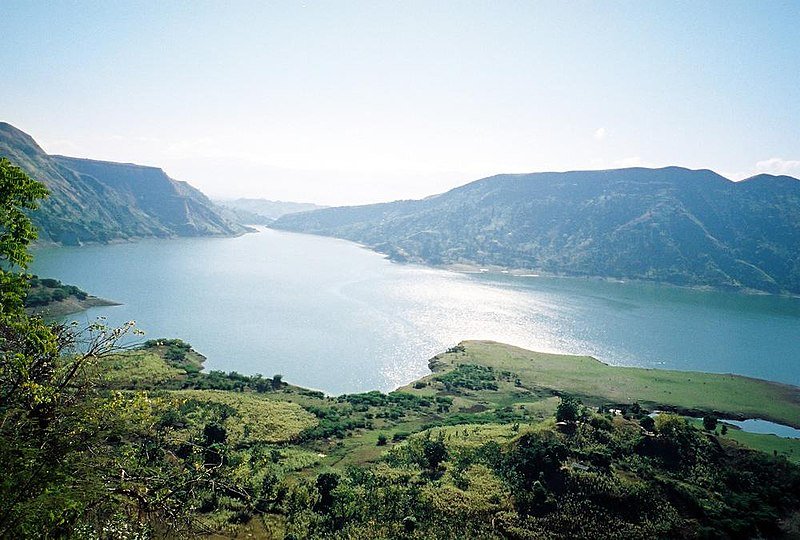
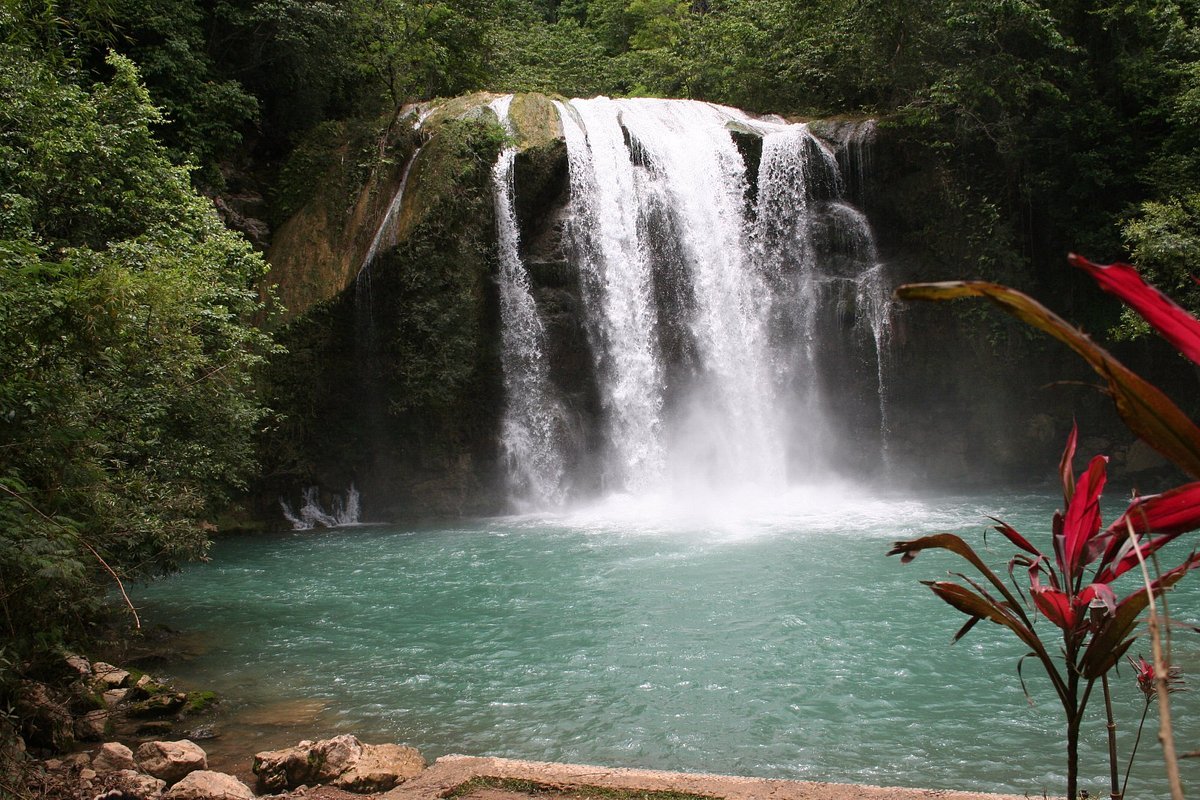
Haïti is blessed with spectacular natural landscapes, including white sand beaches, mountains and rich biodiversity.

Heritage

Heritage

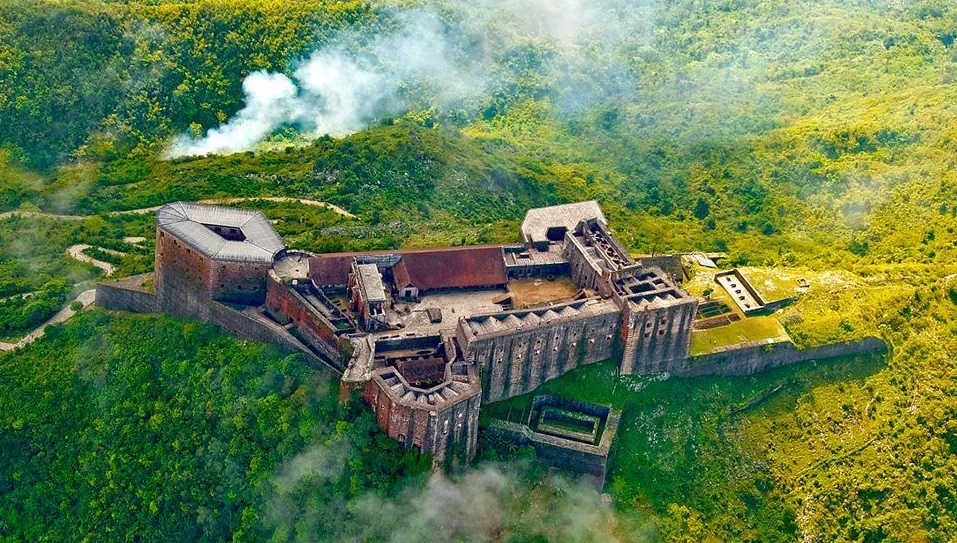
Haïti has a rich historical heritage, including sites like the Citadelle Laferrière and the Sans-Souci Palace, listed as UNESCO World Heritage Sites.

Culture

Culture

Haïti has a rich and diverse culture, influenced by African, European and indigenous elements. Haitian music, dance, art and cuisine are celebrated around the world.

  • +
    • Post