Haiti, with its fascinating history and vibrant culture, is also characterized by a vibrant and resilient population. But exactly how many people will live on this island nation in 2024? Here’s an exploration of the current demographics and what they mean for Haiti’s future.
In 2024, Haiti’s population is estimated to be approximately 12.2 million, according to updated data from international demographic institutions. This figure represents steady growth over the past few decades, despite the economic and environmental challenges the country faces.
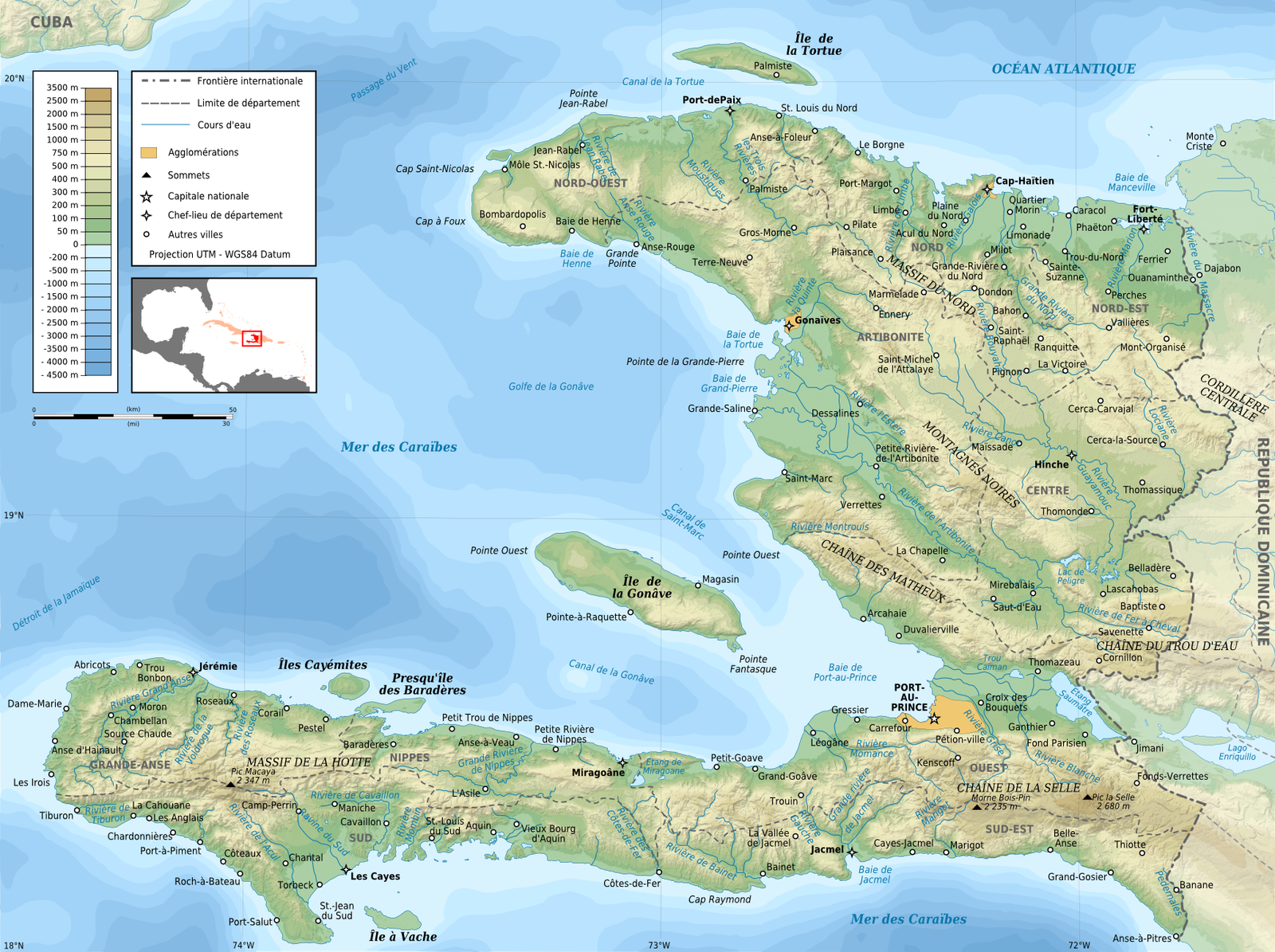
With an area of 27,750 km², Haïti has a high population density of approximately 440 people per square kilometer, making it one of the most densely populated countries in the Caribbean.
Haïti has a predominantly young population. Approximately 60% of Haitians are under the age of 25, an indicator of immense human potential for future development. This youth is a strength, but it also poses challenges in terms of education, job creation, and access to basic services.
Life expectancy, although increasing, is currently 64 years for men and 68 years for women, according to the latest estimates. These figures reflect continued efforts to improve living conditions, despite limited infrastructure.
Large Cities: A Growing Concentration
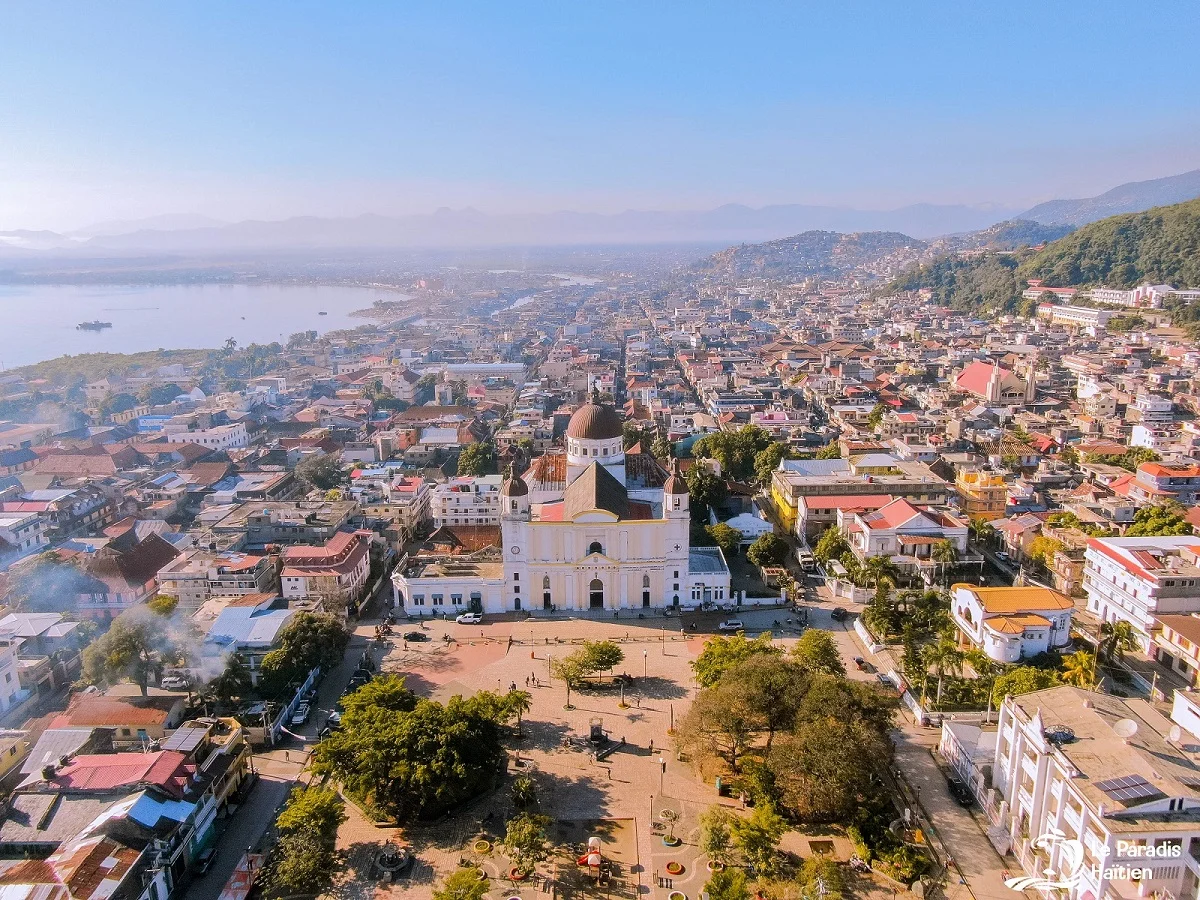
The country’s major cities concentrate a significant share of the population. Port-au-Prince, the capital, alone has more than 2.6 million inhabitants, representing approximately 21% of the country’s total population. Other major urban centers include Cap-Haïtien (population 300,000), Gonaïves, and Les Cayes.
This growing urbanization reflects internal migration to cities, often driven by economic opportunities, but it also puts pressure on urban infrastructure.
The Haitian Diaspora: An Integral Part of the Population
It is impossible to talk about the Haitian population without mentioning its diaspora. An estimated 4 million Haitians live abroad, primarily in the United States, the Dominican Republic, Canada, and France.
The diaspora plays a vital role in the country’s economy, sending over $3 billion in remittances each year, representing approximately 30% of the country’s GDP. This community also contributes to Haiti’s cultural and economic influence on a global scale.
Challenges and Opportunities for the Future
With an annual growth rate of approximately 1.2%, Haiti’s population continues to increase, posing challenges in terms of resource management, education and health. However, this population growth is also an opportunity.
Investment in education, vocational training and infrastructure could transform this young population into an engine of sustainable development. Haïti also has strong agricultural and tourism potential that, if well exploited, could support this growth.
Haiti’s population in 2024, with its 12.2 million inhabitants and its dynamism, is the beating heart of the country. Despite the challenges, this nation shows a resilience and an ability to overcome obstacles that continue to inspire.
If you have any observations or additional information on the demographics of Haiti, share them in the comments and let’s enrich this discussion together!
Share
About the Author
Appolon Guy Alain
Appolon Guy Alain
Full Stack Developer, Créatif, expérimenté, passionné des nouvelles technologies et de l’art.
First black nation to free itself from slavery and gain independence from France in 1804 and influenced other liberation movements around the world, inspiring struggles for freedom and equality.
Natural beauty
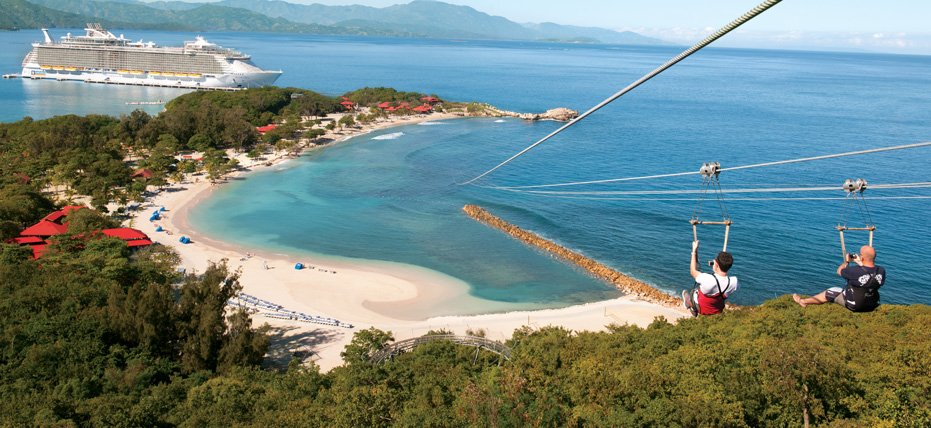
Haïti is blessed with spectacular natural landscapes, including white sand beaches, mountains and rich biodiversity.
Heritage
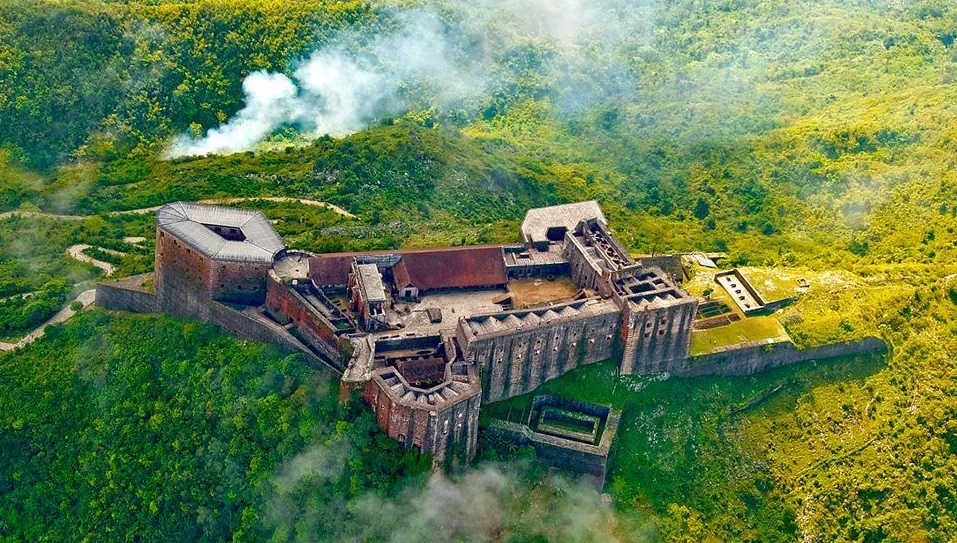
Haïti has a rich historical heritage, including sites like the Citadelle Laferrière and the Sans-Souci Palace, listed as UNESCO World Heritage Sites.
Culture
Haïti has a rich and diverse culture, influenced by African, European and indigenous elements. Haitian music, dance, art and cuisine are celebrated around the world.