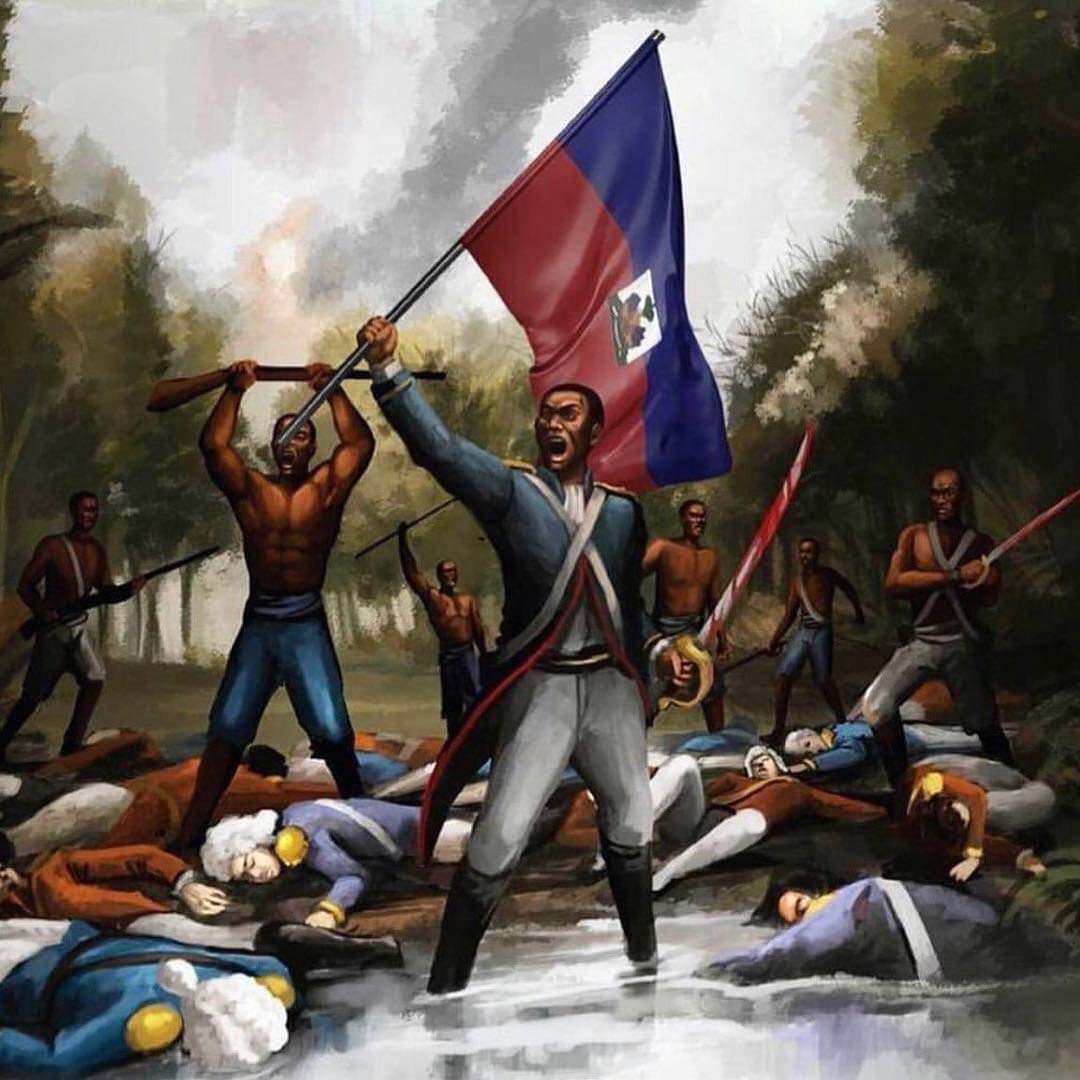
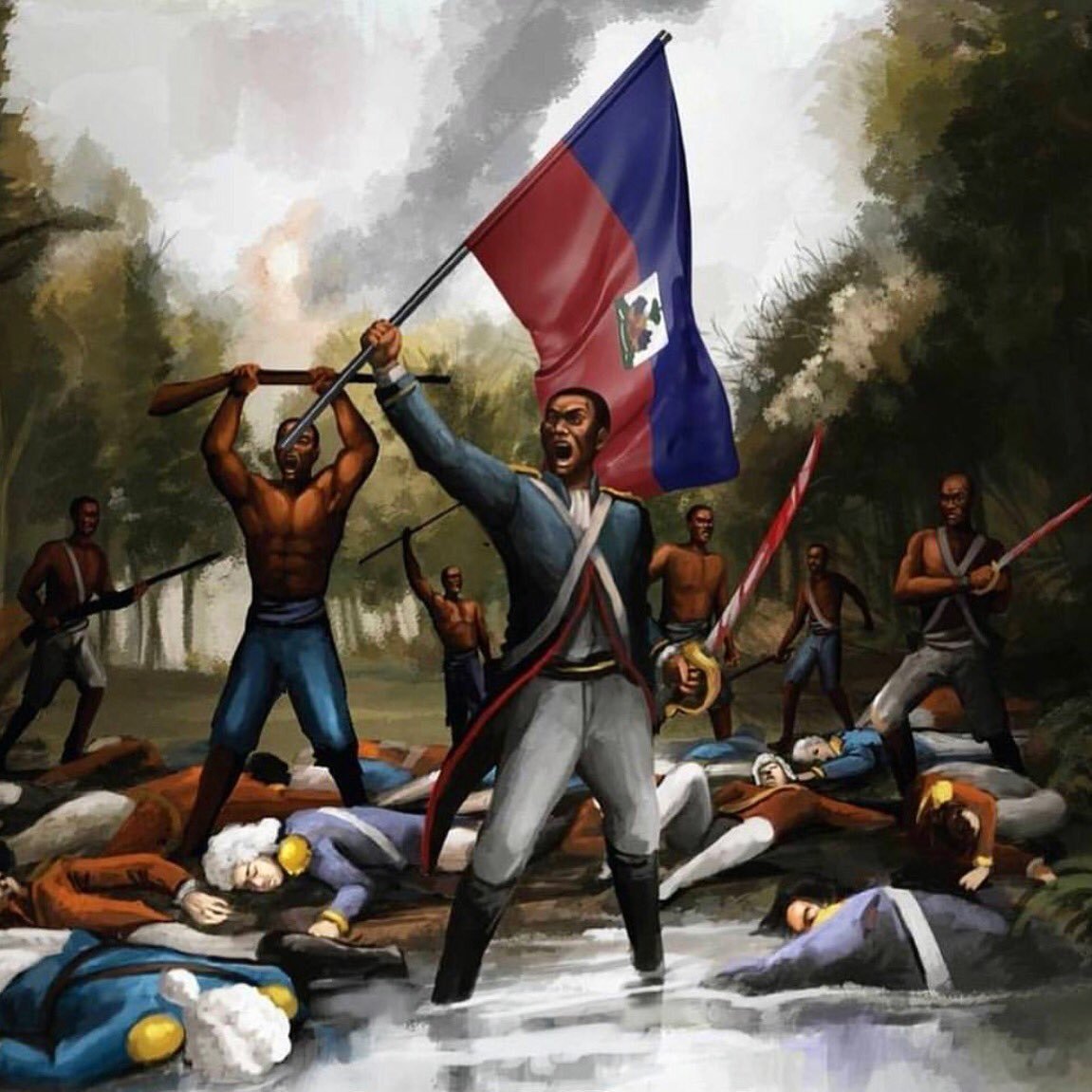
Haïti is known for its significant history and its crucial role in the fight against slavery and for independence. The country gained independence from France on January 1, 1804, becoming the world’s first independent black republic and the first country in the Americas to abolish slavery. However, this independence came at an enormous cost, the effects of which are still felt today.
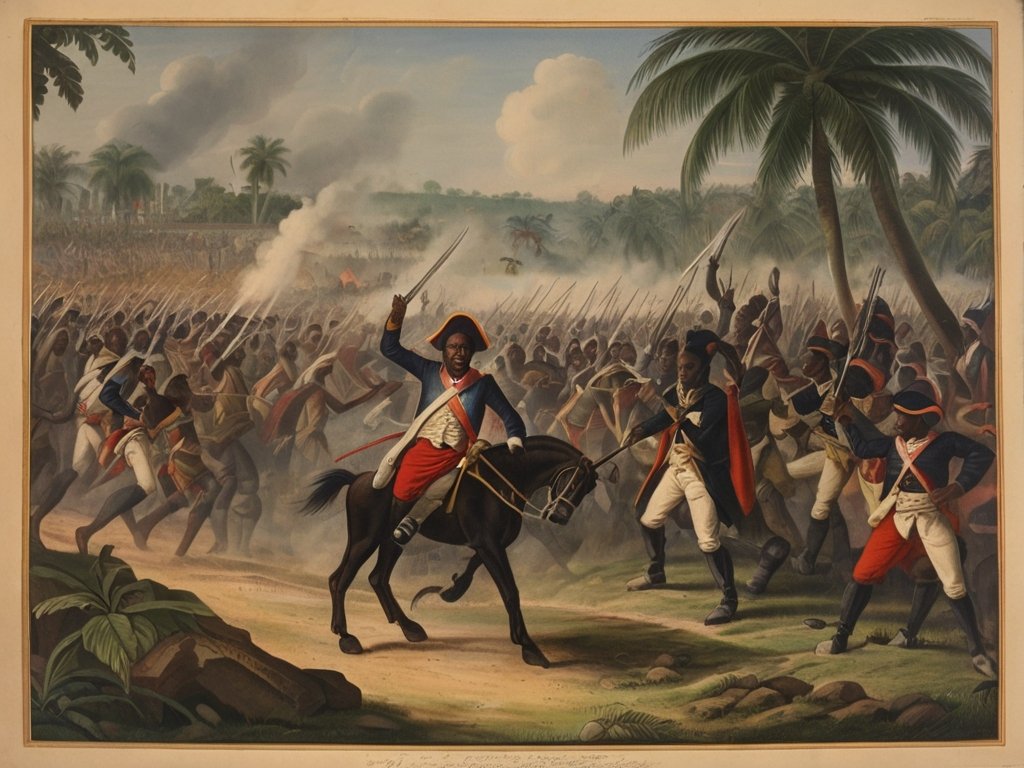
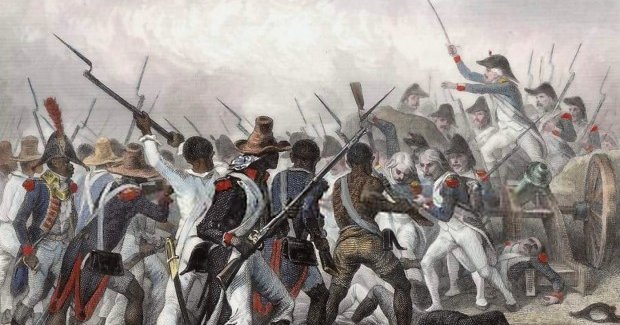
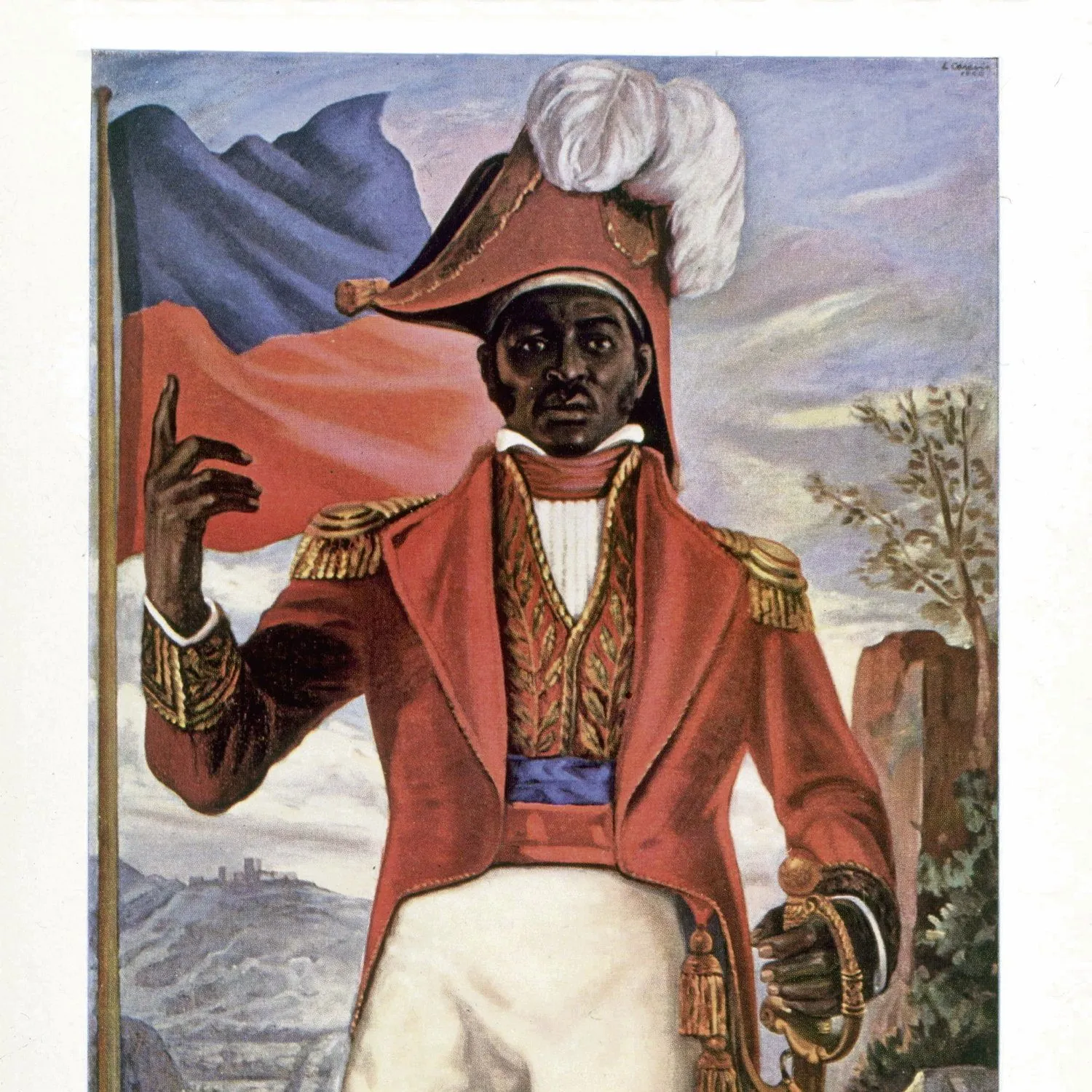
In the 18th century, Haiti, then called Saint-Domingue, was the most prosperous French colony thanks to its sugar industry fueled by the labor of African slaves. The French Revolution of 1789, which advocated liberty, equality and fraternity, inspired uprisings among the slaves of Santo Domingo. In 1791, a massive revolt broke out, marking the start of the Haitian Revolution, led by iconic figures such as Toussaint Louverture and Jean-Jacques Dessalines.
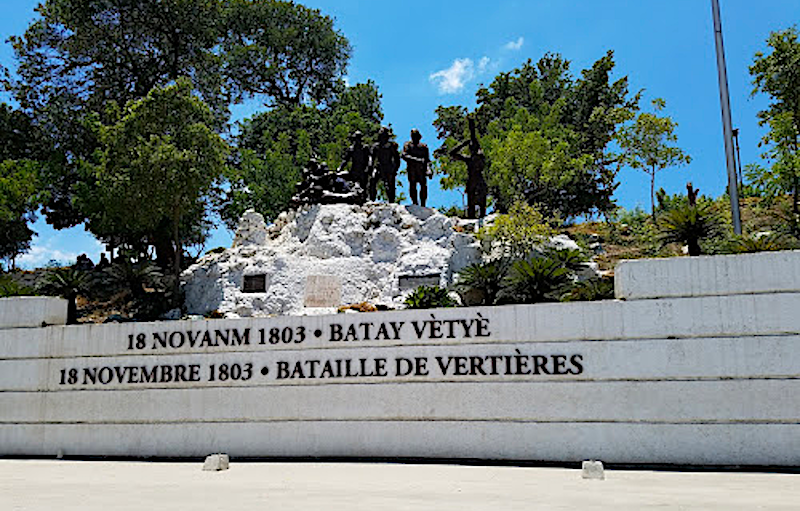
After years of war, Haitian revolutionaries managed to defeat French forces and declare independence on January 1, 1804. Haïti thus became the first independent nation led by former slaves. However, this independence was achieved at a very high price.
In 1825, King Charles X of France sent a war fleet to Haiti, demanding that the young republic pay an indemnity of 150 million gold francs in exchange for recognition of its independence. This astronomical sum, intended to compensate French colonists for the loss of their "property" (including slaves), was equivalent to approximately 10 times Haiti’s annual budget. Faced with the threat of re-invasion and re-imposition of slavery, Haitian President Jean-Pierre Boyer was forced to accept these terms. In 1838, this amount was reduced to 90 million gold francs, but the debt remained overwhelming.
To pay this ransom, Haïti had to borrow from French and American banks at high interest rates. Payments on this debt have seriously affected the Haitian economy, limiting investments in infrastructure, education and public services. The debt was an economic burden that hampered the country’s development for over a century, until it was finally repaid in 1947.
The financial burden of debt has also had social and political repercussions. Limited resources have exacerbated inequality, caused social unrest and fueled political instability. Haitian leaders have often resorted to draconian measures to raise the necessary funds, escalating internal tensions and further weakening the state. The effects of this ransom are still felt today. Haïti remains one of the poorest countries in the Western Hemisphere, with underdeveloped infrastructure and a fragile economy. The legacy of debt contributed to a distrust of international financial institutions and left a lasting imprint on the national psyche.
In 2003, Jean-Bertrand Aristide, then president of Haiti, issued a historic request: although it was not official, he sparked debate by demanding from France the restitution of the sums extorted from Haïti at the beginning of the 19th century in the form of "independence debt", or 21.7 billion dollars, a sum calculated to represent the amount paid to France with cumulative interest. This approach aimed to obtain compensation for the economic injustice which weighed heavily on the development of the Haitian nation.
Aristide’s request provoked varied reactions. In Haiti, it was widely supported by the population and many intellectuals and activists, who saw in it a legitimate demand for the economic and historical rights of the nation. However, France rejected the request, calling it inappropriate and citing questions of legality and feasibility. The international community also had mixed reactions, with some supporting the idea of reparations while others feared the diplomatic and economic implications. The demand for restitution had major political repercussions for Aristide. In 2004, a year after his petition, he was overthrown in a controversial coup. Some observers and supporters of Aristide have suggested that his demand for restitution played a role in his ouster, arguing that the economic and political interests at stake contributed to his forced departure.
Although Jean-Bertrand Aristide’s restitution request was unsuccessful, it had a lasting impact in raising global awareness of the historical injustice suffered by Haiti. It has also strengthened debates on reparations and economic justice for nations that suffered colonialism and exploitation. Today, the issue of restitution remains a relevant and debated topic, as Haïti continues to face economic and social challenges.
In 2015, former French President François Hollande recognized France’s "moral debt" to Haiti, while denying the existence of a financial debt. This recognition took place during the commemoration in France of the memory of the slave trade, slavery and their abolitions, highlighted by the Taubira law adopted on May 10, 2001. This recognition, although symbolic, revived the debate on the need to return to Haïti the money extorted under the independence debt.
François Hollande, by admitting a moral debt to Haiti, implicitly recognized the historical suffering and injustices inflicted on the Haitian nation. This recognition is important because it marks a step towards accepting the wrongs committed by France, notably the imposition of the independence debt in 1825. However, by ruling out the idea of a financial debt, Hollande limited the concrete actions that France could take to repair these injustices.
The Arguments Against Restitution
Legal Complexity: Restitution of such a large sum raises complex legal questions, particularly regarding the legality of the request and historical precedent.
Previous International: Returning the money to Haïti could set a precedent for other former colonies, prompting similar demands from many countries that suffered colonial injustices.
Economic Sustainability: Some arguments suggest that direct financial restitution may not be the most effective solution. Targeted development initiatives and structured economic aid could potentially have a more lasting and positive impact.
In addition to the price of independence, Haïti suffered economic and diplomatic isolation orchestrated by the great powers. The United States, for example, did not recognize Haiti’s independence until 1862, almost sixty years after its independence was declared. This long delay prevented Haïti from enjoying the commercial and diplomatic benefits that could have come from formal relations with other nations. European colonial powers, worried about the example Haïti might set for slaves in their own colonies, also imposed embargoes and trade restrictions on Haiti, severely limiting its ability to trade in the international market. These measures were intended to weaken Haïti economically and deter further independence movements in the colonies.
The economic isolation imposed on Haïti has had devastating consequences. Deprived of commercial partnerships and foreign capital, Haïti had to turn to less productive livelihoods. The country’s infrastructure, already ravaged by the War of Independence, could not be effectively rebuilt due to lack of resources. The payment of the independence debt drained the country’s meager revenues, making investment in economic and social development impossible.
One of the most notable examples of foreign interference in Haïti was the American occupation from 1915 to 1934. Motivated by strategic and economic interests, the United States invaded Haïti under the pretext of stabilizing the country. During this period, Americans controlled the country’s finances and infrastructure, often to the benefit of American interests and to the detriment of Haitian sovereignty. The occupation left a lasting legacy of resentment and distrust of foreign interventions.
During the Cold War, the United States continued to interfere in Haitian affairs, supporting various dictatorial regimes that served its geopolitical interests. The regime of François "Papa Doc" Duvalier and his son Jean-Claude "Baby Doc" Duvalier, although brutal and repressive, benefited from American support because of its declared anti-communism. This period was marked by human rights violations and endemic corruption, exacerbating poverty and instability in Haiti.
In 2004, President Jean-Bertrand Aristide was overthrown in a coup that had implicit support from the United States and France. Aristide claimed he was kidnapped by U.S. forces, an accusation that has heightened tensions around foreign interference. Following this coup, a United Nations peacekeeping force, MINUSTAH, was deployed to Haïti to stabilize the country. Although this mission had security successes, it was also criticized for various abuses and for its failure to resolve Haiti’s structural problems.
Today, Haïti continues to face foreign interference, both direct and indirect. The influence of the Haitian diaspora, the interventions of international NGOs, and the continued involvement of foreign powers in Haitian politics and economy raise questions about the country’s sovereignty. Recent political and economic unrest has been exacerbated by external intervention and manipulation, contributing to chronic instability.
Despite these challenges, Haiti’s independence remains a powerful symbol of resistance and the struggle for freedom. Haïti has inspired numerous abolitionist and independence movements around the world. The courage and determination of Haitian revolutionaries continue to resonate in contemporary history.
The price of Haiti’s independence was extremely high, in terms of human lives, economic destruction and imposed debts. The consequences of this heroic struggle for freedom shaped the course of Haitian history and continue to weigh on the country today. Nevertheless, Haiti’s independence remains a major historical milestone and a lasting testimony to the universal quest for freedom and justice.
Share
About the Author
Appolon Guy Alain
Appolon Guy Alain
Full Stack Developer, Créatif, expérimenté, passionné des nouvelles technologies et de l’art.
First black nation to free itself from slavery and gain independence from France in 1804 and influenced other liberation movements around the world, inspiring struggles for freedom and equality.
Natural beauty
Haïti is blessed with spectacular natural landscapes, including white sand beaches, mountains and rich biodiversity.
Heritage
Haïti has a rich historical heritage, including sites like the Citadelle Laferrière and the Sans-Souci Palace, listed as UNESCO World Heritage Sites.
Culture
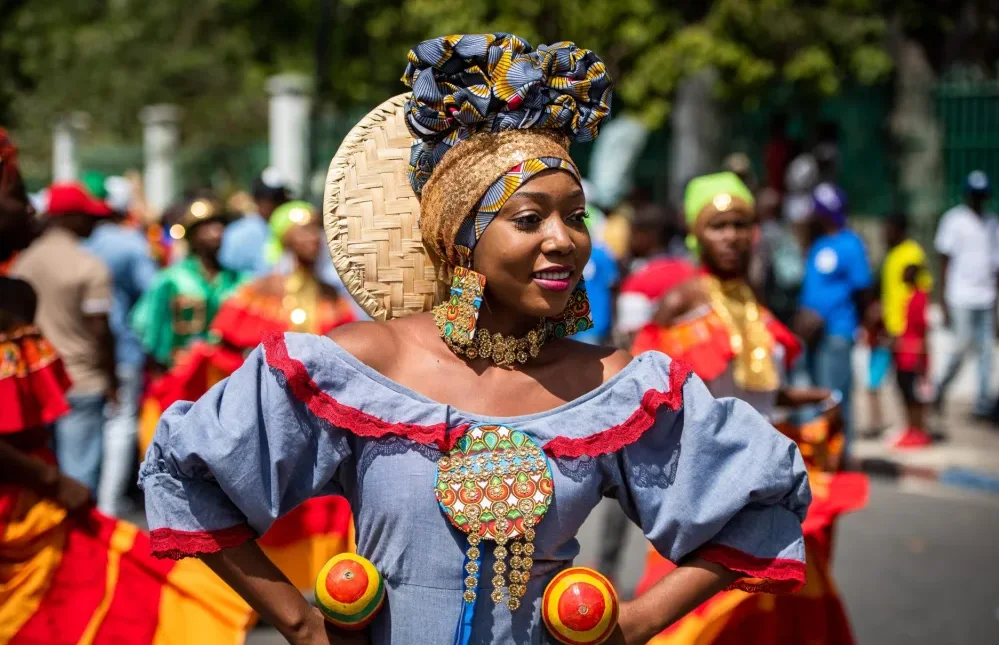
Haïti has a rich and diverse culture, influenced by African, European and indigenous elements. Haitian music, dance, art and cuisine are celebrated around the world.



































Great article!
October 17, 2024 - 01:14:10 PMBon travail Cher ami (e) vous faites un travail impeccable continue parceque vous n'êtes pas seul sur cette voie ...
October 18, 2024 - 07:06:03 AM