contact@haitiwonderland.com+509 36184317

Discover

Shopping Cart

How do Haitians celebrate Christmas?

How do Haitians celebrate Christmas?

Christmas in Haïti is a holiday full of traditions, spirituality and moments of conviviality. Marked by religious celebrations, family feasts and unique cultural expressions, Haitian Christmas is a magical time that reflects the generous and festive soul of the Haitian people. This article takes you to the heart of Christmas traditions in Haiti.

A Religious Celebration at the Heart of Christmas

For Haitians, Christmas often begins with religious celebrations. Most families go to church to attend midnight mass or special services held on December 24 or 25. These moments of prayer and song are an opportunity to reconnect with their Christian faith and celebrate the birth of Jesus Christ.

Traditional Christmas carols, often performed in Creole, occupy an important place in these ceremonies. They reflect both religious fervor and the richness of Haitian musical culture. Churches, decorated for the occasion, become community gathering places, symbolizing unity and peace.

Haïti
Haïti
Haïti

Family Reunions: At the Heart of the Holidays

In Haiti, Christmas is above all a family celebration. Families come together, often as early as December 24, to share a sumptuous meal. This moment of conviviality is a way to strengthen family ties and create unforgettable memories.

The Christmas meal is a feast that highlights Haitian cuisine. Among the most popular dishes are griot (fried pork), roast turkey, rice stuck to peas, bananas weighed, and desserts such as pain patate or rum cake. To accompany this feast, Haitians often enjoy the famous crémas, a sweet and creamy drink made with condensed milk and rum.

In many families, the meal is prolonged by lively discussions, laughter, and sometimes even singing or dancing. It is a time of sharing and joy, where everyone expresses their gratitude for the past year.

Haïti
Haïti
Haïti

Traditions of Sharing and Generosity

Christmas in Haïti is also a time marked by a strong spirit of solidarity. Haitians take advantage of this holiday to help the less fortunate. Churches, associations and even individuals organize collections or community meals to ensure that no one is left behind during the holidays.

Children play a central role in this generosity. It is common for families to give symbolic gifts to the youngest, often in the form of toys or clothing. In some neighborhoods, children sing Christmas carols in the streets, receiving sweets or small contributions in return.

Haïti
Haïti
Haïti

Animated and Lively Holidays

In Haiti, Christmas is not limited to a single day. The entire holiday season is animated by traditions and celebrations. Christmas markets, music concerts, and dance parties add a festive atmosphere to cities and villages.

Christmas decorations are also present. Although modest in some regions, they are nonetheless full of charm. Houses are decorated with fairy lights and, sometimes, improvised Christmas trees, often made from local materials.

In Haitian culture, Christmas is also an opportunity to tell stories, pass on local legends, or revisit biblical stories around the nativity. These moments of storytelling strengthen intergenerational bonds and preserve cultural traditions.

Haïti
Haïti
Haïti

Christmas: A Celebration That Brings People Together and Inspires

For Haitians, Christmas is a celebration that goes far beyond gifts and feasts. It is a time when faith, family, and generosity take on their full meaning. Celebrations, whether modest or grandiose, are always marked by a deep respect for traditions and a spirit of unity.

Between time spent in church, meals shared with family, and solidarity initiatives, Christmas in Haïti is a celebration that perfectly illustrates the values ​​of community and human warmth specific to the Haitian people. It is a time when everyone, rich or poor, celebrates hope, peace, and the joy of living.

Share
About the Author
Appolon Guy Alain
Appolon Guy Alain
Appolon Guy Alain

Full Stack Developer, Créatif, expérimenté, passionné des nouvelles technologies et de l’art.

See other articles from Appolon Guy Alain
Leave a comment

Recently Posted

Timoun se Moun: A poetry competition to promote children’s rights in Haiti

A wounded country. Bent under the weight of a multidimensional crisis. Widespread violence. Hope slammed shut. A sacrificed generation. Children are increasingly threatened. They are increasingly confronted with all forms of vulnerability that hinder their overall development. ACTIF is launching the second edition of the "Timoun se Moun" poetry competition. A citizen initiative in which the organization uses writing as a springboard to build what life deprives Haitian children of. Pain can be turned into gold. For ACTIF (Community Action for Transformation and Formal Integration), poetry is a philosopher’s stone. Not only for this organization, but also for all those who believe that writing can help rekindle the stars. Faced with this urgent need for action, this is "an initiative to raise awareness, denounce, and affirm loud and clear that every child matters, every child deserves protection, hope, and a future," reads the competition’s descriptive document. So what do you intend to do with your human light? Through this competition, participants have the opportunity to engage in an act of resistance, like a cry of conscience to raise the voice of broken childhoods. Open from May 18 to June 18, "Timoun se Moun" is open to all Haitians living in the country and aged 18 and over. Texts must be submitted in Creole. Behind this initiative, ACTIF intends, on the one hand, to affirm our cultural and linguistic identity, and on the other, to enrich our Creole literature, promote it, and encourage creativity in our vernacular. The text must not exceed 500 words. The format chosen is PDF, Times New Roman font, size 12, and 1.5 line spacing. This competition aims to offer a touch of affection to these children who are the first victims of the country’s descent into hell. To evaluate the literary quality and essence of the submitted texts, a jury is composed of Ruthza Paul, Douglas Zamor, and Darly Renois. The former is a physician and winner of the first edition of this competition. The other two work in the fields of sociology, psychology, and literature. In addition to the "Jury Prize: 15,000 HTG + books + certificate" and "Audience Prize: 5,000 HTG + certificate + books" prizes, the best texts will be included in an anthology to be published by Éditions Répérages. It should be noted that there will be one winner for each prize. This initiative reflects ACTIF’s commitment to honoring authors who embrace the cause of underprivileged children while enriching Haiti’s literary heritage. This competition extends a helping hand to all those who believe that through poetry, one can transform one’s life into a masterpiece. At the same time, it offers the opportunity to contribute to ACTIF’s child protection program. Each participant may submit a single text. It must be sent by email to the following address: actifkonkoupwezi@gmail.com. The partial results will be published on June 30, 2025, and the final results on July 18, 2025. For more information, visit ACTIF at the following address: 18 Rue Desdunes, Imp. Thoby, Mahotière 79, Carrefour, Haiti, or contact the organization at the following number: (+509) 38 44 57 57. More than just a contest, ACTIF invites you to say No. No to forgetting. No to passivity. No to violence against children and the violation of their rights.

Newsletter

Subscribe to our newsletter to stay informed of all our activities and news on Haiti.

The Haitian Carnival: A Festival of Colors, Music and Traditions

The Haitian carnival, an emblematic and essential celebration of the country’s festive calendar, is much more than a simple party. It embodies the very essence of Haitian culture, joyfully blending ancestral traditions, intoxicating music and a deep sense of community. Each year, this vibrant celebration transforms the streets into a vibrant and colorful spectacle, attracting thousands of participants and spectators eager to take part in this one-of-a-kind celebration. Haitian carnival has deep roots in the country’s history, dating back to colonial times. It has evolved over the centuries, incorporating elements of African, French and Creole culture to create a distinct and captivating celebration. The carnival period in Haïti traditionally begins in January and culminates with extravagant festivities that take place over several days. One of the most striking features of the Haitian carnival is the profusion of colors. Traditional costumes, called "masks", are elaborate and beautifully designed. They feature vivid patterns and vibrant decorations, creating a vivid picture of Haitian cultural identity. Participants, dressed in these elaborate costumes, parade through the streets to the sound of lively music, creating an electric atmosphere. Music is at the heart of the Haitian carnival. The captivating rhythms of compass, rasin, rara and other local musical genres resonate throughout the city, inviting people to dance to the rhythm of the party. Orchestras parade through the streets, accompanying the dancers and creating a unique symbiosis between the music and the graceful movements of the participants. The Haitian carnival parade is not just about the music and costumes; it also celebrates the richness of street arts. Talented artists create giant sculptures, art installations and theatrical performances that tell deep stories of Haitian history and culture. These artistic expressions contribute to the transmission of values ​​and stories that shape the identity of the Haitian people.

Recently Posted

History

History

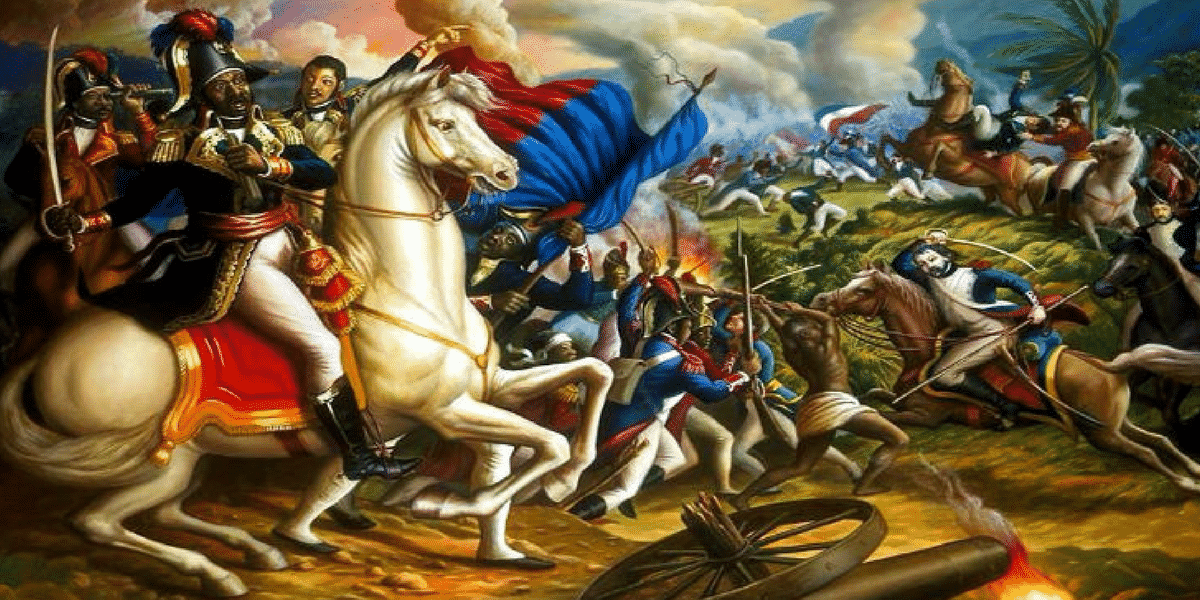
First black nation to free itself from slavery and gain independence from France in 1804 and influenced other liberation movements around the world, inspiring struggles for freedom and equality.

Natural beauty

Natural beauty

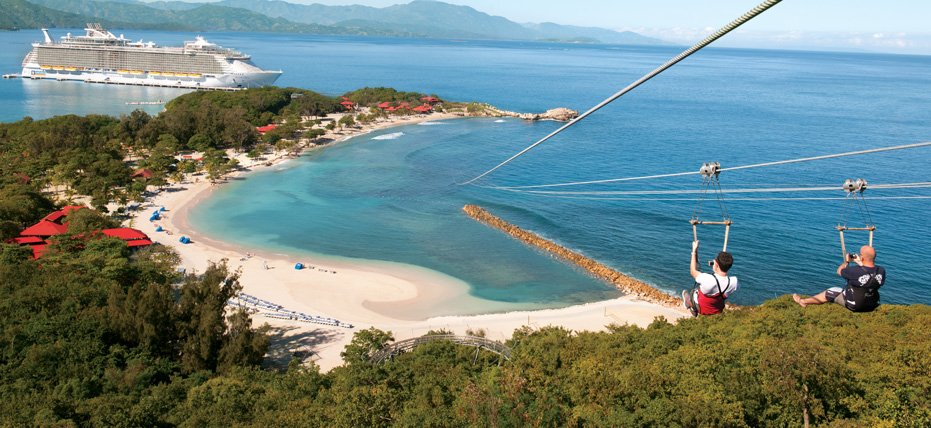
Haïti is blessed with spectacular natural landscapes, including white sand beaches, mountains and rich biodiversity.

Heritage

Heritage

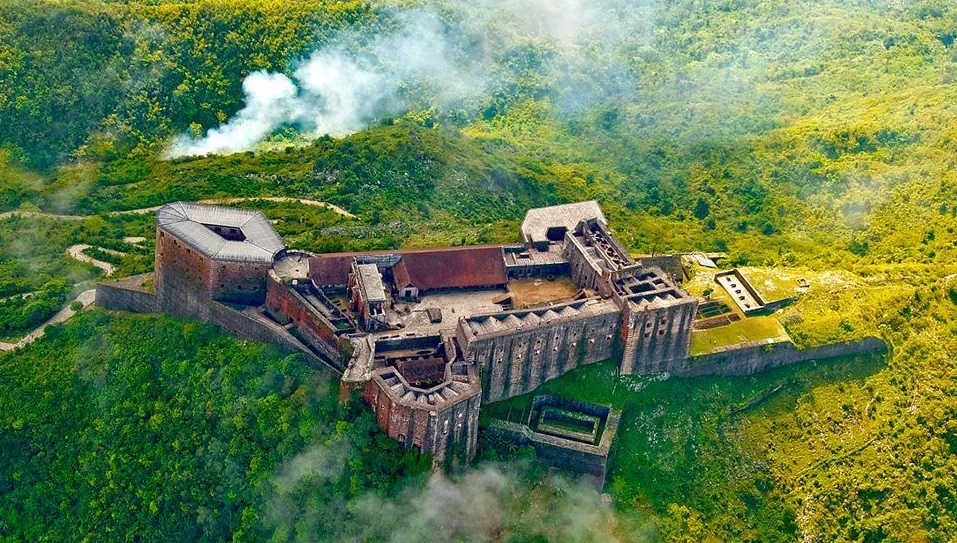
Haïti has a rich historical heritage, including sites like the Citadelle Laferrière and the Sans-Souci Palace, listed as UNESCO World Heritage Sites.

Culture

Culture

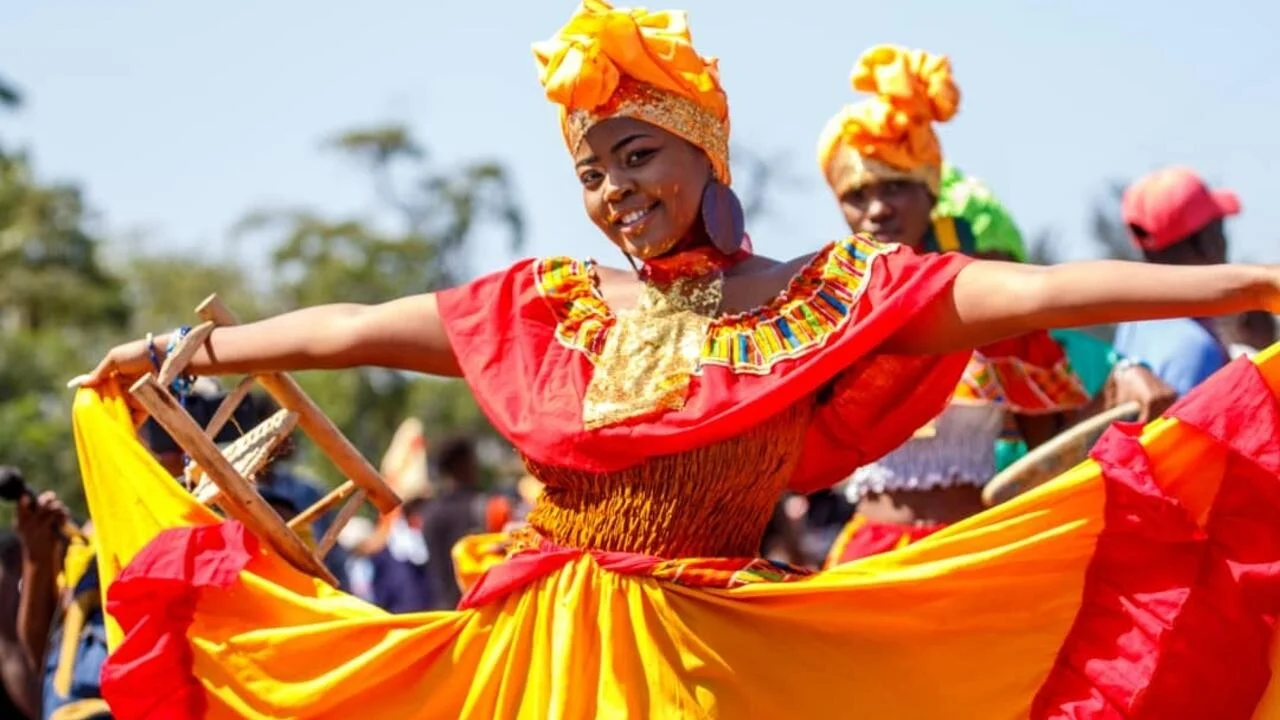
Haïti has a rich and diverse culture, influenced by African, European and indigenous elements. Haitian music, dance, art and cuisine are celebrated around the world.

  • +
    • Post