

Cap-Haïtien: 70 Schoolchildren Learn Programming Thanks to Coding Club Haiti
From Python to JavaScript: How 70 young people from Cap-Haïtien are becoming Haiti's future developers with the NUMECO program.

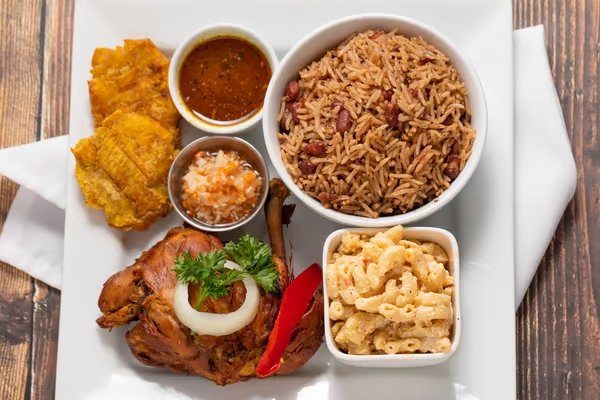
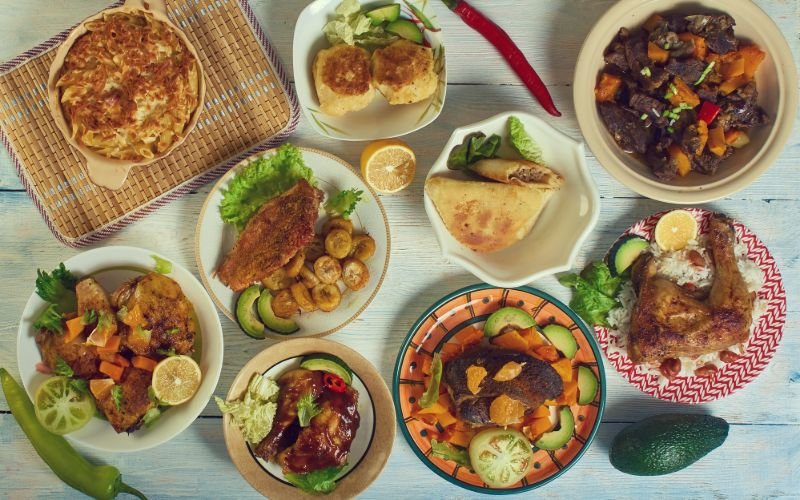
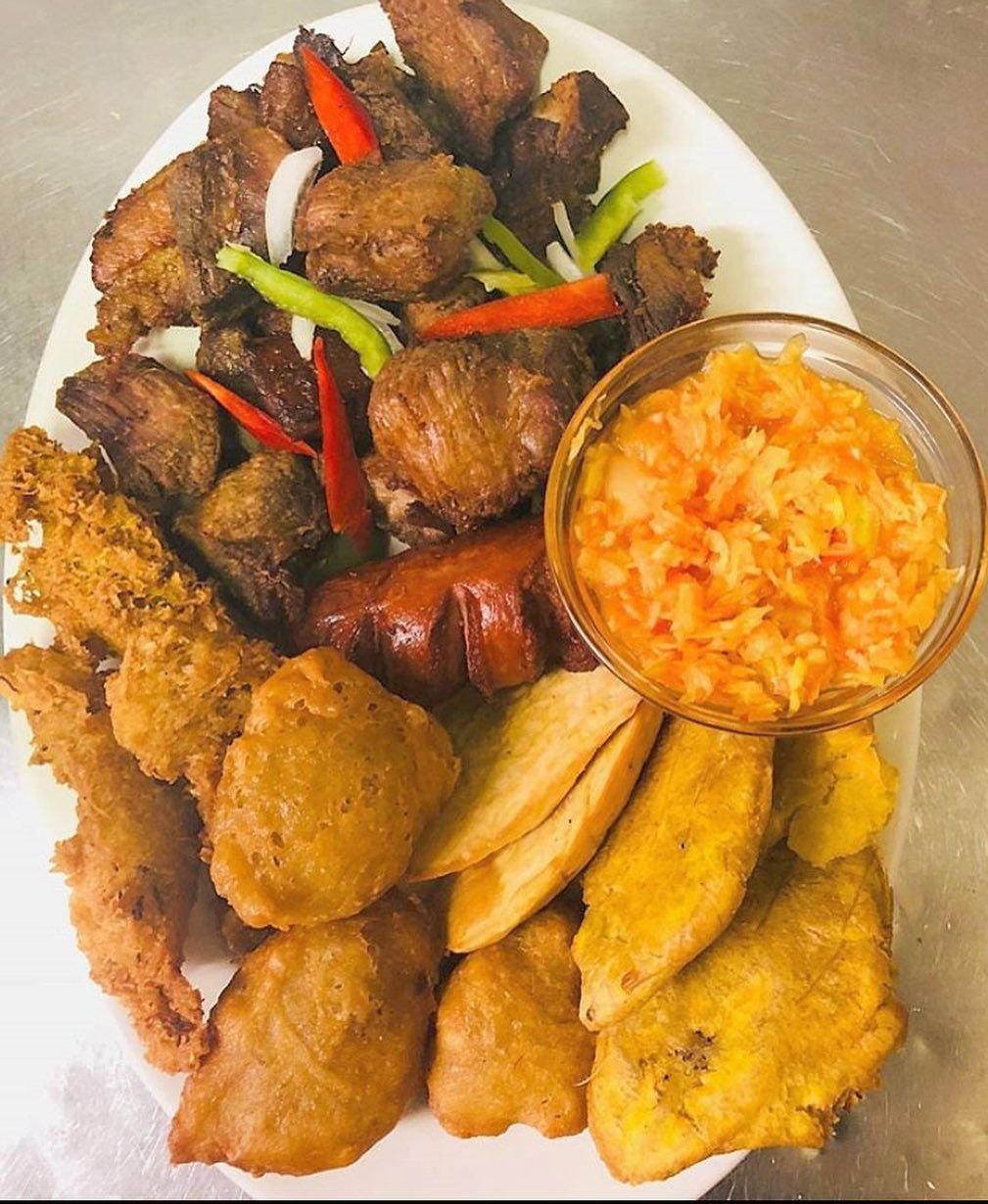
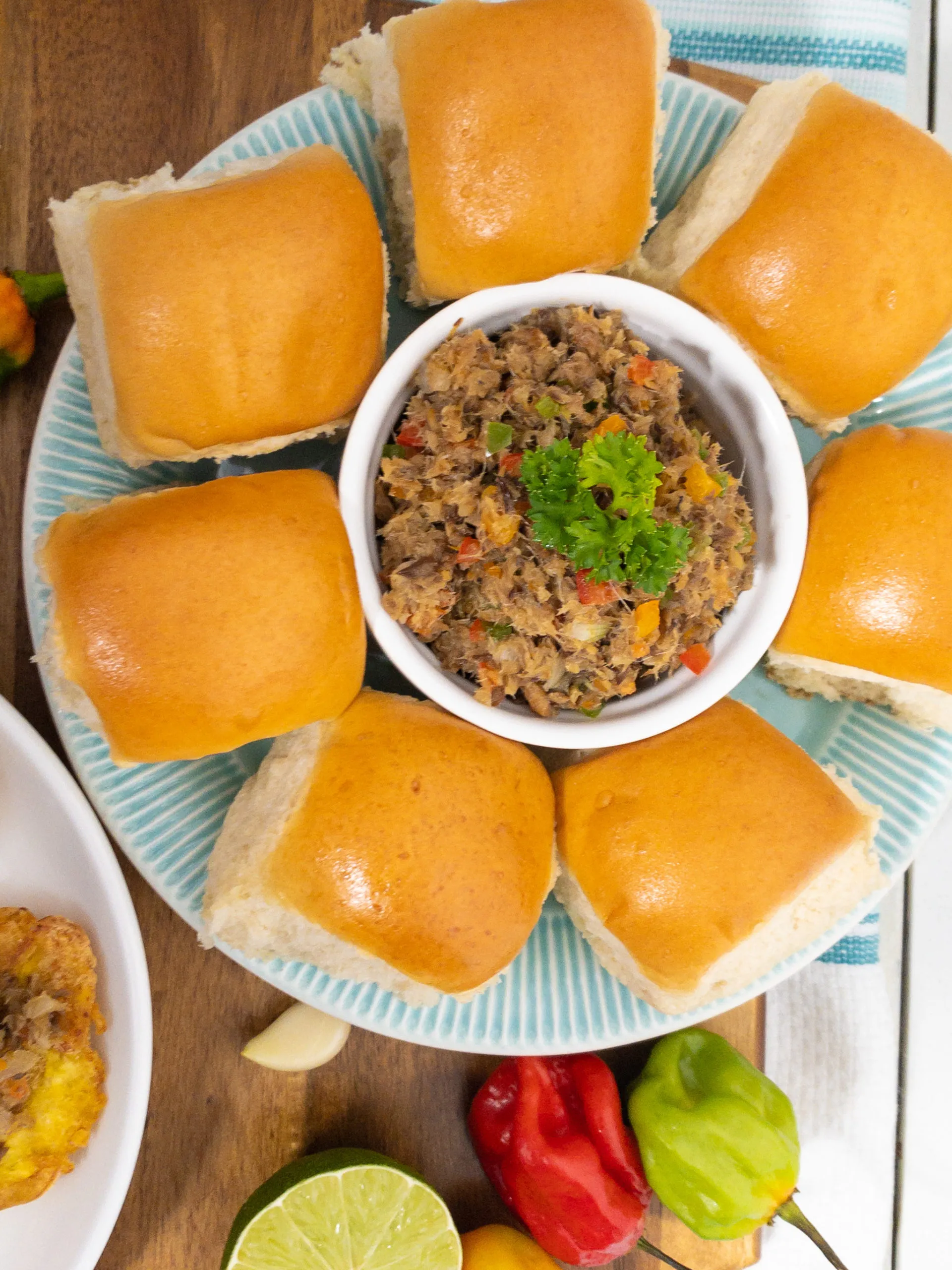
Haitian cuisine is a true culinary treasure that charms taste buds around the world. With its African, French, Creole and Native American influences, it offers a unique and memorable taste experience. From street food to festive dishes, Haitian cuisine celebrates the diversity of local ingredients and the ingenuity of chefs who transform them into culinary delights.
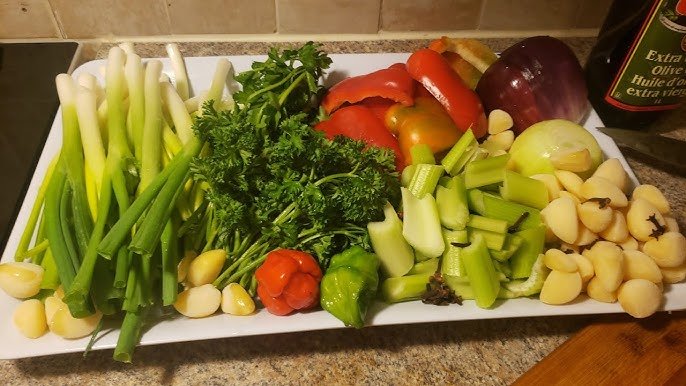
Haitian cuisine is a veritable feast of flavors, where spices and aromas play a central role. Essential Haitian ingredients don’t just add flavor; they create a rich and complex aromatic profile that characterizes this vibrant cuisine. Among the most commonly used spices is chili pepper, which brings heat and intensity. Herbs such as thyme and parsley are often used fresh, adding a touch of freshness and depth. Garlic and ginger are also key elements, bringing spicy and earthy notes. Another iconic spice is clove, which is often used in marinades and stews. Saffron and turmeric are also present in Haitian cuisine, bringing not only color but also unique flavors. Lime zest and lemon juice are frequently used to enhance dishes, adding a refreshing acidity. Over time, our preferences evolve, and certain ingredients take up more or less space on our plates. Is there a spice you’ve abandoned or, on the contrary, rediscovered over time?
Readers and little chefs of Haïti Wonderland, I present to you on a golden platter the recipe for corn à la bonne femme. Take your time and share your creation in the comments!
In Haiti, rice is a staple of the cuisine. It’s enjoyed in all its forms, from sticky rice to diri ak djon djon. But in the evening, there’s nothing like rice porridge for a light and soothing dinner. Prepared with well-cooked rice, milk, sugar, and spices like cinnamon and nutmeg, this creamy porridge is a true delight. Some people add butter or lemon zest for added flavor.
May 1st is a day dedicated to the celebration of work and agriculture. It’s an opportunity to showcase the produce of the land and savor the authentic flavors of our land. Haïti Wonderland offers a traditional recipe that highlights an emblematic fruit of Haitian cuisine: breadfruit. Discover how to prepare the delicious "Tonm-Tonm," a perfect accompaniment to celebrate Kouzen Zaka.
In Haiti, manje midi (lunchtime) is much more than just lunch. It’s a key moment of the day, a sacred break where we enjoy hearty, tasty, and nutritious dishes. Whether at home, at the office, or in the small, popular restaurants "kantin" or "manje anba dra," lunch is a true feast. Lunchtime in Haïti often consists of several essential elements:
Hey Generation Z, I know what you’re thinking: another weird dish? But trust me, even if it doesn’t look like much, millet is amazing! At first, you might cringe, but once you taste it, you’ll be asking for more. So, are you ready to embark on this culinary adventure?
At the opening ceremony of the 2024 Olympic Games in Paris, Haïti captured the world’s attention with stunning outfits. Haitian athletes’ uniforms outshined those of many influential nations in fashion and design. This recognition is the result of an exceptional collaboration between visionary designer Stella Jean and internationally renowned artist Philippe Dodard. Forbes confirmed it: Haïti has made it to the podium for the most remarkable outfits. But who is the man behind this visual triumph?
Haiti, located on the western part of the Caribbean island of Hispaniola, is often associated with its rich and complex history. However, beyond its cultural and historical aspects, Haïti is home to a remarkable diversity of fauna and flora that deserves to be explored and preserved. This article highlights the ecological wealth of Haiti, emphasizing its unique flora and fauna. Fauna: Haïti is home to a variety of animal species, some of which are endemic to the island. The country’s tropical rainforests are home to a great diversity of birds. The rugged mountains provide suitable habitat for rare species. The waters surrounding Haïti are also rich in biodiversity. Colorful corals, tropical fish and sea turtles find refuge in the coral reefs along the coast. Conservation efforts are crucial to protect these fragile marine ecosystems and preserve marine life. Flora: Haiti’s landscapes are adorned with a wide variety of plants and flowers. The tropical rainforests are home to majestic trees, the Hispaniola pine and the gum tree. These forests play an essential role in climate regulation and the preservation of biodiversity. The coastal plains are dotted with palm trees, including Haiti’s iconic royal palm. Botanical gardens, such as the Jardin Botanique des Cayes, are havens of greenery where you can admire a wide variety of tropical plants, some of which are endemic to the region. Haiti, with its unique flora and fauna, is an ecological gem that deserves to be preserved for future generations. Awareness, conservation and sustainable development are key elements to ensure the survival of this natural wealth. By investing in the protection of its environment, Haïti can not only preserve its ecological heritage, but also promote sustainable tourism and strengthen the resilience of its ecosystems in the face of current global challenges.
The democratic political system requires the active participation of citizens in the management of the city. Everyone freely expresses their opinion for harmonious management of society. Generally the choices are made from the organization of free and honest elections. However, sometimes candidates use diverted means to achieve their ends. Can we consider this act as a form of corruption or a political strategy? In a democratic society, the organization of elections at regular intervals is an imperative. Managers are generally elected by the majority of voters, which ensures them a certain legitimacy within the framework of government management. Today, more and more, around the world, the elections are controlled by economic power. This sector gives a lot of silver to candidates who often buy the media services in order to have certain visibility through mass communication means (radio, VAT, Internet, etc.) and do without constraints Many very expensive trips, which require enormous capital. By the way, the possibility that a candidate with low financial means of being elected is increasingly reduced in Western societies. Despite everything, it is illegal to buy the votes of the voters. It is an act of corruption that should lead to criminal sanctions. No society can tolerate this practice which could hamper the degeneration of the democratic system and, consequently, of the electorate system. Civil society and human rights organizations must be vigilant in order to avoid these harmful drifts in the democratic system. In fact, the temptation to bribe the voters in order to access elective positions must be denounced as an act of corruption. In doing so, will lead to political dissenting between duty, and law, because citizens are called upon to freely choose the leaders of the city. Ultimately, the organization of the elections must be the fruit of consensus between the various groups of the social system. Managers must be chosen according to their ability to provide adequate answers to the problems of the company. They can still benefit from powerful financial means from other partners. But, giving voters directly money is a condemnable detective act which reduces the autonomy of action and thinking of voters. In this sense, the latter’s vote must reflect the desire to choose or build a fair, fair and favorable company.
When was the last time you enjoyed a good lalo? Were you satisfied? What particularly struck you: the taste, the company of good friends? Tell us all about it in the comments! Lalo is an iconic dish from northern Haiti, particularly popular in the Artibonite region. It is prepared with jute leaves, a green plant with multiple health benefits. Rich in iron, vitamins, and fiber, lalo is known to give strength and energy. At home, we often cook it with beef, crab, or shrimp, served with white rice and a spicy sauce. Its slightly sticky texture may be surprising, but its savory flavor and spices make it a comforting dish that everyone enjoys. Beyond its flavor, lalo holds a special place in Haitian culture: it’s often prepared at large family gatherings or on holidays, bringing together young and old alike around a delicious meal. So, are you ready to savor a delicious lalo to welcome April with a sweet tooth?
On Monday, April 28, 2025, UNESCO, represented by Mr. Éric Voli Bi, Director for Haiti, the Haïti Jazz Foundation, represented by Ms. Milena Sandler, Executive Director, and Mr. Joel Widmaier, Artistic Director of PAP Jazz, along with the Ministry of Culture and Communication, represented by Ms. Stéphanie Saint-Louis, Director of Cultural Affairs at the MCC, held a press conference at UNESCO’s office on Rue Geffrard in Pétion-Ville. During the event, they announced their alliance to promote Kreyol Jazz.

First black nation to free itself from slavery and gain independence from France in 1804 and influenced other liberation movements around the world, inspiring struggles for freedom and equality.

Haïti is blessed with spectacular natural landscapes, including white sand beaches, mountains and rich biodiversity.

Haïti has a rich historical heritage, including sites like the Citadelle Laferrière and the Sans-Souci Palace, listed as UNESCO World Heritage Sites.

Haïti has a rich and diverse culture, influenced by African, European and indigenous elements. Haitian music, dance, art and cuisine are celebrated around the world.











