contact@haitiwonderland.com+509 36184317

Discover

Shopping Cart

The Jacmel Jazz Festival 2024, An Eclectic Celebration of Haitian Music and Culture

The Jacmel Jazz Festival 2024, An Eclectic Celebration of Haitian Music and Culture

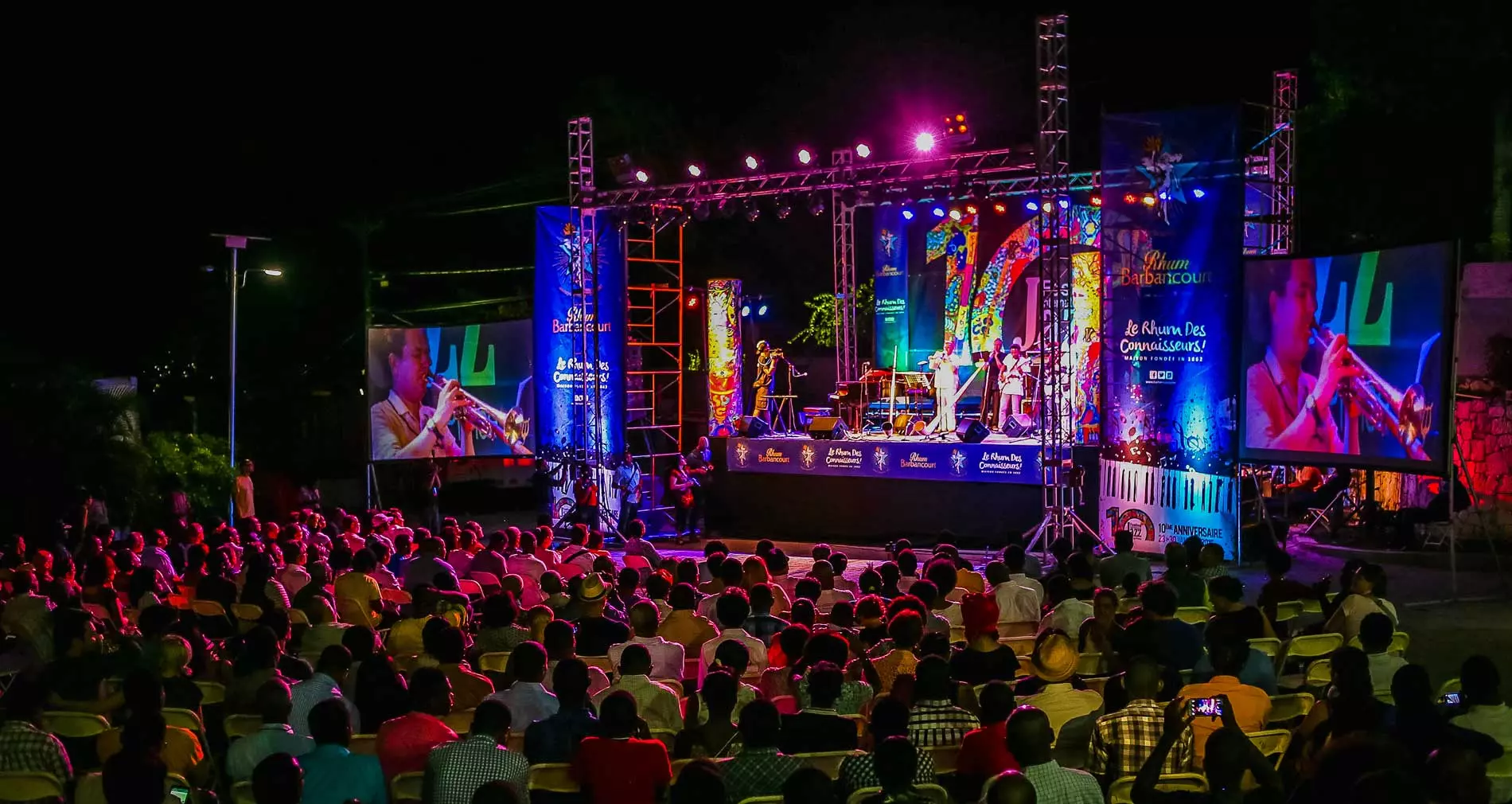
The Jacmel Jazz Festival, one of the most anticipated cultural events of the year in Haiti, returns in force with its 8th edition. Organized by the cultural association of the same name, under the direction of Richecard Cine, founding president, the festival will take place on April 30, 2024 in the picturesque town of Jacmel, known for its rich artistic and cultural heritage.

Summary

Haïti : Jacmel Jazz Festival 2024

Since its creation in 2015, the Jacmel Jazz Festival has established itself as a major player in the artistic, musical and cultural fields in Haiti. Its main objective is to strengthen the capacities of young people in these areas through training, workshops, debates, round tables, conferences, and many other activities. Each year, the festival attracts a diverse audience, from jazz lovers to Haitian music enthusiasts to curious people looking for new cultural discoveries.

This year, the festival takes on particular importance as the country faces security and financial challenges. Despite these obstacles, the festival team worked with determination to provide an unforgettable experience for participants. As Richecard Cine, founding president of the Jacmel Jazz Festival, points out,

Nou rete kwè avèk yon demen miyò ki kapab atire touris nan peyi a. Jan sa te ye nan premye ane yo, Jacmel Jazz Festival se yon opotinite pou touris yo dekouvri box, akèy, sit touristik, plaj, kreyativite atistik e kiltirèl ki se richès vil Jacmel ki fè li se kapital touristik Ayiti e vil kreyatif UNESCO declared in 2014,

which testifies to the confidence and dedication of the team to carry out this festival all hoping for a better future for the country.

See as well

Haïti : Jacmel Jazz Festival 2024

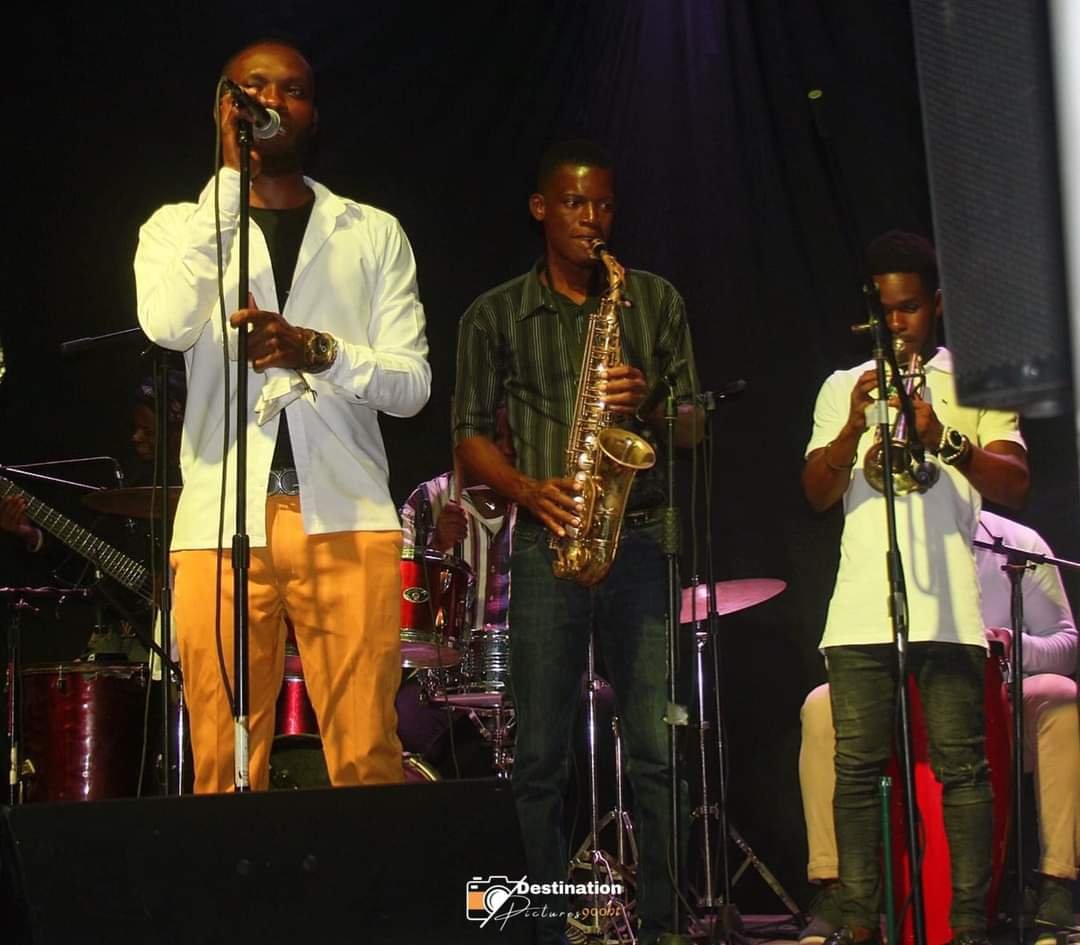
The festival will mainly take place at the Alliance Française de Jacmel, an emblematic venue which will welcome local and international artists. On the program, a special day on April 30 with exceptional programming and a preliminary virtual Master Class on April 27. Spectators will have the opportunity to discover an eclectic mix of musical styles, from traditional jazz to contemporary Haitian influences.

The Jacmel Jazz Festival is much more than a musical event. It is an educational, social, tourist and economic platform that contributes to the overall development of Jacmel and the surrounding region. By bringing together renowned artists and international groups, the festival creates a unique synergy that celebrates cultural and artistic diversity. Side activities, such as city tours, local art exhibitions and Haitian cuisine tastings, enrich festival-goers’ experience.

Jacmel Jazz Festival 2024

Despite current challenges, the festival remains optimistic about its positive impact on tourism in Haiti. In addition to discovering the musical and cultural wealth of the region, tourists will have the opportunity to visit tourist sites, magnificent beaches, and live an authentic experience in the heart of Jacmel. Partnerships with local hotels also offer special packages to visitors, encouraging responsible and sustainable tourism.

The Jacmel Jazz Festival embodies the hope and resilience of creative and committed youth. It is an event not to be missed for all lovers of Haitian music, culture and art, as well as for travelers in search of authenticity and enriching discoveries. Whether you are passionate about jazz or simply curious to discover the Haitian artistic scene, the Jacmel Jazz Festival promises an immersive and unforgettable experience.

Share
About the Author
Faïly Anderson Trazil

    Medical student, software developer, UX/UI designer, and web writer.
    Driven by a deep passion for writing and digital innovation.

    Email: failyandersontrazil@gmail.com

    See other articles from Faïly Anderson Trazil
    PIERRE-LOUIS Jeanno

    Bon travay

    April 25, 2024 - 08:14:46 AM
    Leave a comment

    Recently Posted

    Guédés: When Haïti celebrates its ancestors with color and fervor

    Every November 1st and 2nd, Haïti comes alive with the colors black and purple to celebrate the Guédés, spirits venerated in the voodoo religion, symbols of a powerful bond between the living and the dead. Fascinating, indomitable and provocative, the Guédés form a true family in the pantheon of Haitian voodoo, where they are respected for their role as spiritual guides of the deceased to the afterlife. Led by iconic figures such as the legendary Baron Samedi and his companion Grann Brigitte, the Guédés embody the paradoxes of life and death. Each Baron has a unique personality: Baron Cimetière, Baron Kriminel, and Baron La Croix are the guardians of the souls that wander on the borders of the world of the dead. Together, they form a powerful and somewhat frightening presence, but one that is deeply rooted in Haitian culture. The Guédés are not like other voodoo spirits; they demonstrate their fearlessness in a spectacular way. Accustomed to death, they are fearless and are provocative: they eat glass, raw peppers, and coat their sensitive parts with rum and pepper. These gestures mark their indifference to danger and remind us that they have already known earthly life. They are thus psychopomps – these beings who lead the souls of the dead – and act as bridges between the world of the living and that of the dead. Some Guédés, like Guédé Nibo, wear black, purple, and white clothing, each with unique characteristics. They are many and varied: Guédé Fouillé, Guédé Loraj, Papa Guédé, and many others. These are the spirits who, each year, remind Haitians of the importance of remembering and honoring the deceased. The cult of the Guédés is not only religious; it is also cultural and historical. According to tradition, their spiritual territory, or “Fètomè” – nicknamed the “Country without Hats” – is a place where the souls of ancestors reside. According to stories, the origins of this cult go back to the Abomey plateau, the ancient capital of the kingdom of Dahomey, in Africa, where death and life coexist in a form of symbiosis. This celebration in Haïti even finds echoes in ancient history. The Romans also honored their dead with the “Fête des Lémuria”, which took place in February, to ward off spirits and restore peace between the world of the living and that of the deceased. For Haitians, honoring the Guédés is about accepting death as a part of life and celebrating the invisible bonds that unite us with those who have left us. It is also a way of resisting, because life, despite its challenges, must be celebrated in all its complexity and depth.

    Newsletter

    Subscribe to our newsletter to stay informed of all our activities and news on Haiti.

    Haiti: A Little-Known Pillar of World Independence

    Haiti, the world’s first independent black republic, played an exceptional role in the quest for independence for other nations. Although often overshadowed by other historical events, Haiti’s contribution to the liberation of other countries was significant and deserves to be highlighted. b~The Haitian Revolution~b At the turn of the 19th century, Haïti threw off the chains of slavery and achieved the impossible by freeing itself from French colonial rule. In 1804, the country proclaimed its independence, ushering in a new era for oppressed peoples around the world. b~Inspiration for Latin America~b The Haitian Revolution was a major source of inspiration for independence movements in Latin America. Iconic figures such as Simón Bolívar and Francisco de Miranda recognized the courage and determination of Haitians as a driving force for their own struggles. By materially and ideologically supporting these movements, Haïti contributed to the emergence of several independent nations in South America. b~Influence in Africa~b Beyond the Americas, Haïti also played a crucial role in the quest for independence in Africa. African leaders have left a legacy that has inspired entire generations of freedom fighters on the African continent. The idea that oppressed people could rise up against their oppressors found a powerful echo in the struggles for independence in Africa. b~Support for Liberation Movements~b Throughout its history, Haïti has provided substantial support to liberation movements around the world. Whether through troop dispatches, financial resources or active diplomacy, the country has demonstrated its solidarity with those fighting for their autonomy. Haiti’s contributions have often been discreet but crucial. Haiti, as a pioneer of independence and freedom, has left a lasting impact on the world stage. His legacy resonates across continents, reminding the world that the quest for freedom is universal. By recognizing and celebrating Haiti’s role in the independence of other nations, we not only honor its history, but we also commit to promoting a future where all people have the opportunity to shape their destiny.

    Cultural exploration: Discovering the Haitian soul

    Cultural exploration offers a fascinating window into the richness and diversity of world heritage. Among destinations that captivate with their history, art and unique identity, Haïti stands out as a cultural gem worth discovering. b~Historical heritage:~b The history of Haïti is marked by the resilience of the Haitian people in the face of slavery, colonization and political challenges. It is the first independent state in Latin America and the only one founded by a successful slave revolt. Haiti’s historical heritage is reflected in its art, music, dance and beliefs. b~Art and Crafts:~b Haitian artistic expression is vibrant and powerful. Naive painting, famous for its bright colors and narrative themes, has its roots in Vodou traditions and local folklore. Haitian artists have gained international fame by capturing the mystical spirit and daily life of the country. b~Music, rhythm of the Haitian soul:~b Music is the pulsating soul of Haiti. From direct compass to voodoo to jazz to rasin, each musical genre has a deeply rooted history in Haitian culture. The iconic band, Boukman Eksperyans, fuses traditional rhythms with modern influences, creating a unique sonic experience that transcends boundaries. b~Dance and movements:~b Dance in Haïti is a celebration of life and spirituality. Voodoo dances, such as Yanvalou and Banda, embody sacred rituals while preserving African heritage. The graceful movements and colorful costumes tell stories from Haitian history, creating a deep connection between past and present. b~Spirituality and Voodoo:~b Vodou, often misunderstood, is an essential component of Haitian culture. It is a syncretic religion that combines African, Native American and Catholic elements. Vodou ceremonies, with their intoxicating dances and mystical rituals, are powerful expressions of Haitian spirituality and are rooted in the quest for connection with ancestors and deities. Exploring the Haitian soul means delving into a world where history, art, music and spirituality intertwine to form a unique cultural web. Haiti, with its diversity and resilience, offers an experience rich in emotions and discoveries. Whether through the bustling streets of Port-au-Prince, the vibrant art galleries or the captivating rhythms, every corner of this Caribbean country reveals a captivating facet of its deep and living soul.

    Recently Posted

    History

    History

    First black nation to free itself from slavery and gain independence from France in 1804 and influenced other liberation movements around the world, inspiring struggles for freedom and equality.

    Natural beauty

    Natural beauty

    Haïti is blessed with spectacular natural landscapes, including white sand beaches, mountains and rich biodiversity.

    Heritage

    Heritage

    Haïti has a rich historical heritage, including sites like the Citadelle Laferrière and the Sans-Souci Palace, listed as UNESCO World Heritage Sites.

    Culture

    Culture

    Haïti has a rich and diverse culture, influenced by African, European and indigenous elements. Haitian music, dance, art and cuisine are celebrated around the world.

    • +
      • Post