Okap Dynamique Film: The New Generation Redefining Haitian Cinema
Discover how Okap Dynamique Film is transforming Cap-Haïtien into the capital of Haitian cinema with award-winning short films and inspired youth.

In Haiti, rice is often preferred to wheat, corn, or other grains. However, today, we’re going to make an exception and enjoy a delicious red bean and wheat dish. To begin, boil the red peas. Meanwhile, heat the oil in a large saucepan over medium heat. Add the onion and garlic, sautéing until golden. Then, stir in the tomato paste and cook for a few minutes, stirring constantly. Next, add the drained red peas, chicken or vegetable broth, salt, and pepper. Mix everything well. Pour the water into the saucepan and bring to a boil. Once the water boils, add the wheat and simmer until tender and the water is absorbed. Finally, reduce the heat and stir occasionally to prevent the mixture from sticking to the bottom of the pan. Once cooked, adjust the seasoning to your taste and serve hot.
Haitian cuisine is rich and flavorful and is a true reflection of the country’s culture, history and traditions. It combines African, European and indigenous influences to offer diverse and delicious dishes. From everyday meals to traditional feasts, food in Haïti is more than just a way to eat, it’s a cultural experience. Discover with us what they eat in Haiti, and let yourself be seduced by the unique flavors of this Caribbean country.
Haiti, a pearl of the Caribbean, not only boasts picturesque landscapes and rich history, but also offers a variety of culinary delights that tantalize the taste buds from the first meal of the day. Haitian breakfast, an exquisite blend of local flavors and culinary traditions, is an experience in its own right. Let’s discover together some ideas to start your day in the most delicious way possible.
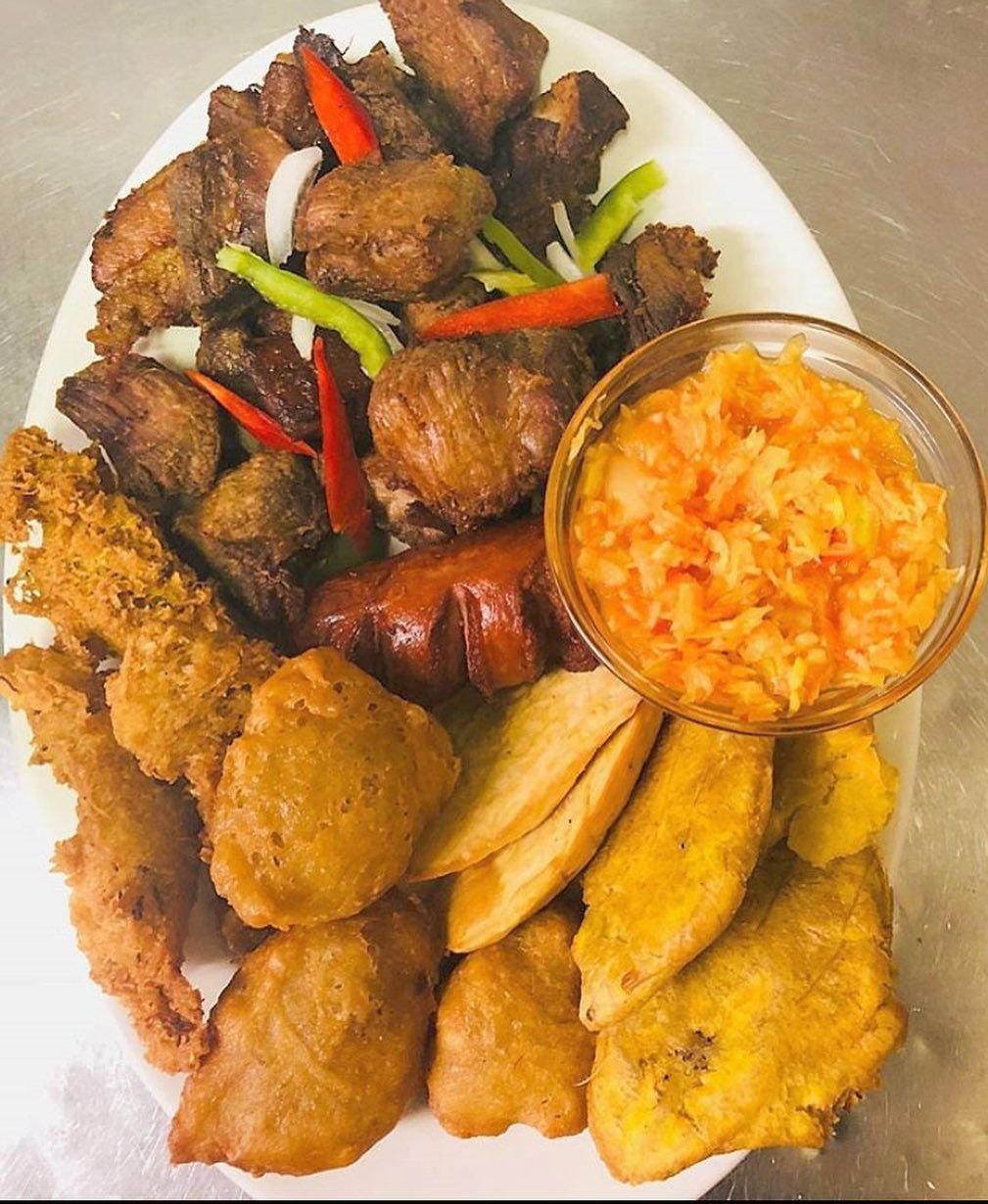
Haitian cuisine is a true culinary treasure that charms taste buds around the world. With its African, French, Creole and Native American influences, it offers a unique and memorable taste experience. From street food to festive dishes, Haitian cuisine celebrates the diversity of local ingredients and the ingenuity of chefs who transform them into culinary delights.
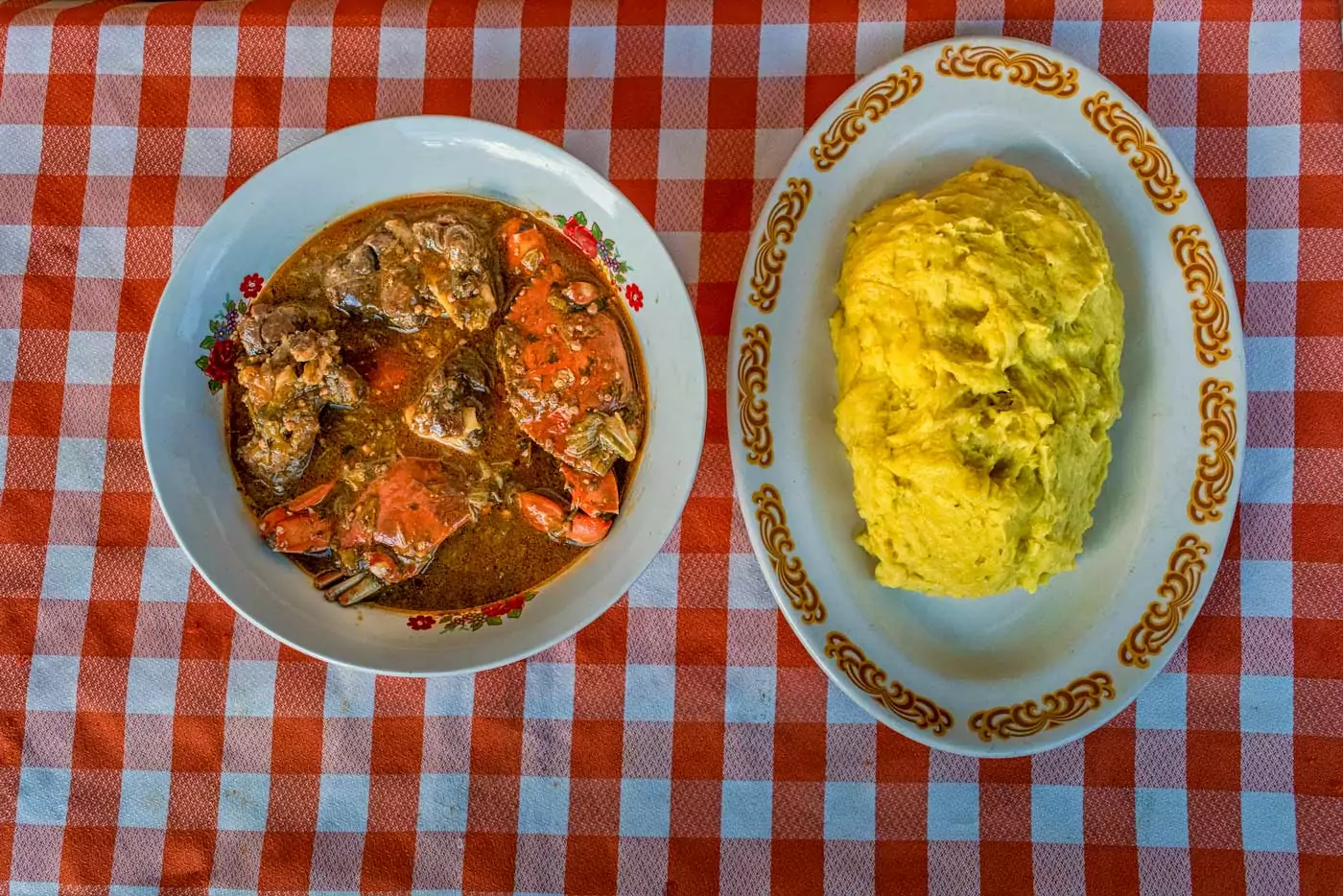
When was the last time you enjoyed a good lalo? Were you satisfied? What particularly struck you: the taste, the company of good friends? Tell us all about it in the comments! Lalo is an iconic dish from northern Haiti, particularly popular in the Artibonite region. It is prepared with jute leaves, a green plant with multiple health benefits. Rich in iron, vitamins, and fiber, lalo is known to give strength and energy. At home, we often cook it with beef, crab, or shrimp, served with white rice and a spicy sauce. Its slightly sticky texture may be surprising, but its savory flavor and spices make it a comforting dish that everyone enjoys. Beyond its flavor, lalo holds a special place in Haitian culture: it’s often prepared at large family gatherings or on holidays, bringing together young and old alike around a delicious meal. So, are you ready to savor a delicious lalo to welcome April with a sweet tooth?
Once a staple in Haitian homes, pea broth was a true culinary tradition, served almost every Saturday. This nourishing and comforting dish brought families together around the table, offering an explosion of flavors and essential nutritional intake. However, with changing eating habits and the growing influence of fast food, it is prepared less and less by the new generation, at the risk of falling into oblivion. Haitian pea broth is a thick soup prepared with red or black peas, simmered for a long time until they obtain a velvety texture. This broth is then seasoned with local spices such as garlic, thyme, parsley and cloves, then garnished with vegetables such as carrots and spinach. Some variations add pieces of meat, often beef or pork, and small dumplings called "dombrés" "bòy", which give it even more consistency. So why not revive this tradition and prepare a good pea broth this Saturday, like our grandparents did?
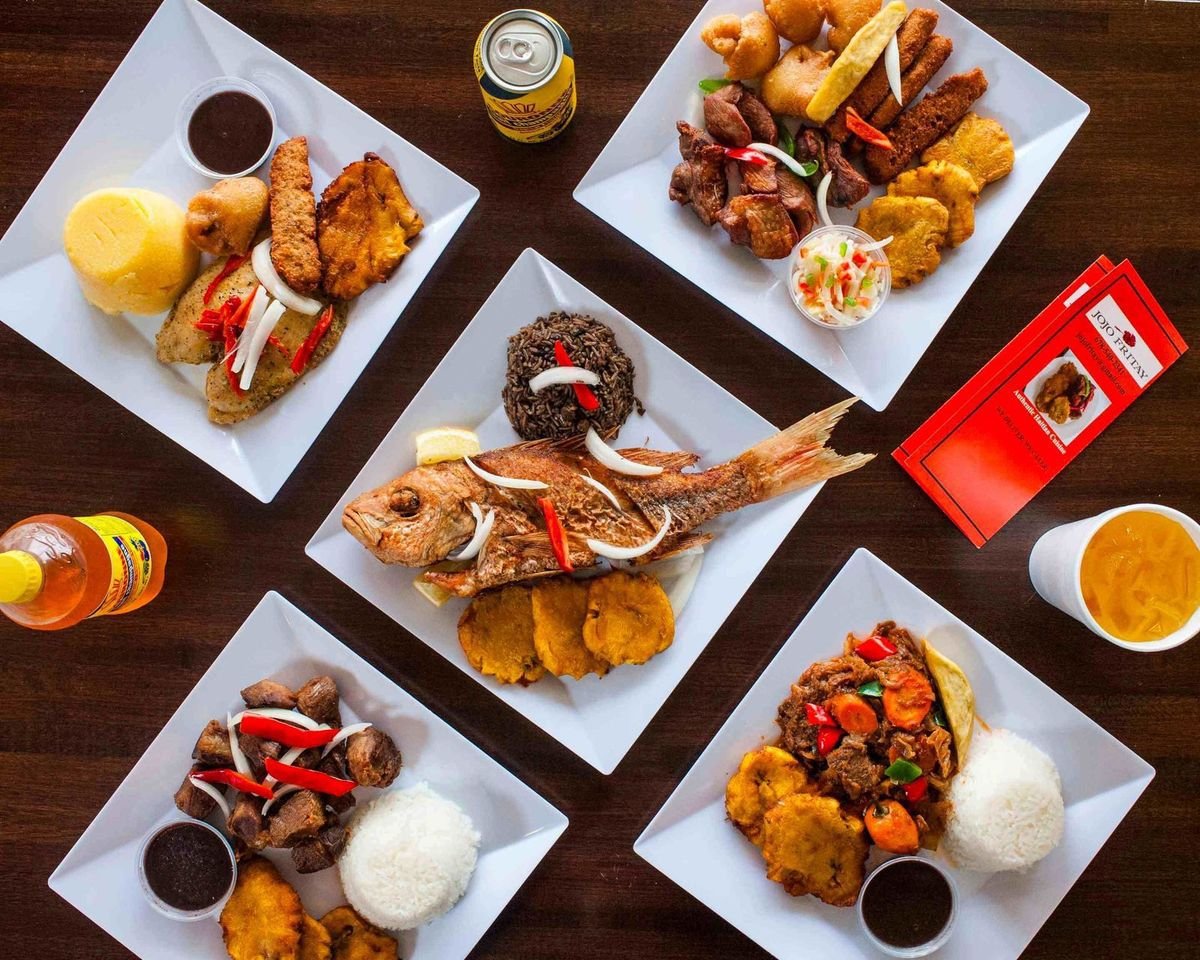
Haitian cuisine is often considered one of the best in the world, thanks to its spicy flavors and tasty dishes. It reflects the rich history and culture of the country, mixing African, European and Caribbean influences. We invite you to explore 20 must-try Haitian delights, whether it’s breakfast, lunch or dinner.
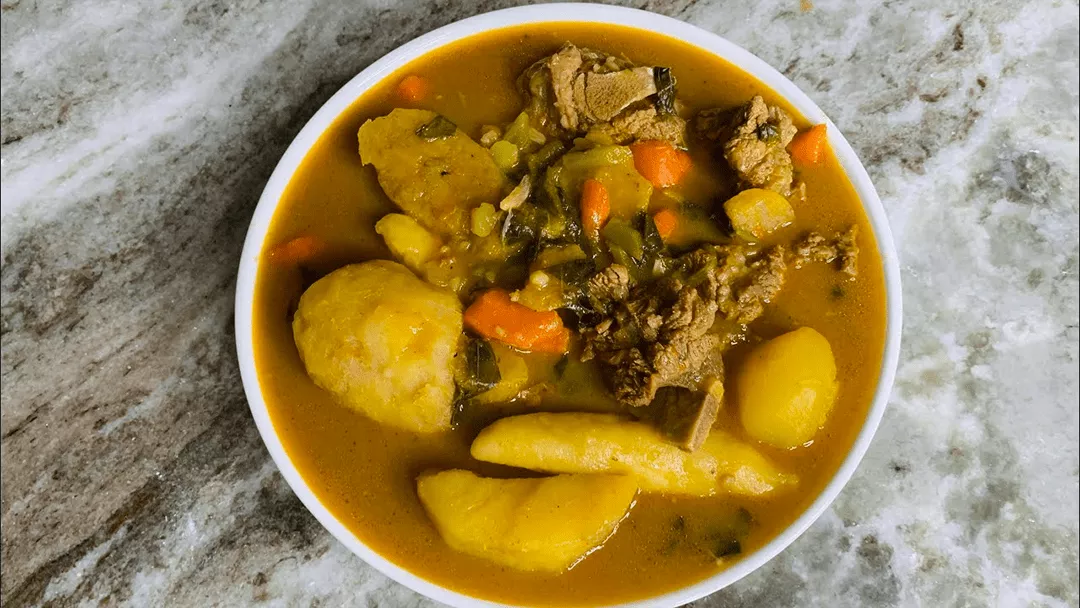
"Pig’s trotter" stew is an iconic dish of Haitian gastronomy, appreciated for its rich flavors and melting texture. This stew is prepared from carefully cleaned pig’s trotters, marinated with local spices such as garlic, chili pepper, thyme and cloves, then slowly braised until tender and a creamy sauce is obtained. Vegetables such as carrots and potatoes are often added, as well as a spicy tomato sauce that enhances the dish. Accompanied by white rice, sticky rice or even weighed bananas, pig’s trotter stew is a real explosion of flavors that brings families together around a generous and friendly meal.
Haïti is a small country located in the Caribbean, but what continent is it actually on? Although Haïti is often associated with tropical islands and paradise vacation destinations, its geographical location makes it a key part of the American continent. Let’s explore Haiti’s geographical location and its relationships with other nations in the Americas.
Port-au-Prince, June 26, 2025 - During a ceremony held at the El Rancho Hotel, the Haïti Wonderland website haitiwonderland.ht was named the best Creole website using the .ht national domain for 2025. This prestigious award was presented at the national competition "Pi bon sit an kreyòl ki sèvi ak domèn .ht," organized by ISOC Haïti (Internet Society) and the Fondation Rezo pou Devlopman Dirab Ayiti (FRDDH).
The Haïti Monde Festival is a major cultural event dedicated to promoting Haitian thought, memory, and creativity in the heart of Paris. Led for several years by Haitian intellectual Chadrac Charles and his team, it aims to be a space for expression, transmission, and reflection. In 2025, this fourth edition is organized around a theme that is more relevant than ever: “Repairing the World,” and will take place from June 25 to July 11 in the French capital. Gaël Octavia, winner of the 2025 Goncourt Prize for the short story, will be the guest of honor. Alongside her, other friends of the Haitian cause and powerful voices from the Haitian literary scene will be gathered. Among them: geographer Jean-Marie Théodat, Louis-Philippe Dalembert, Rocé, Mélissa Laveaux, Marie-Yemta Moussanang, Makenzy Orcel, Françoise Vergès, Lyonel Trouillot, Nicolas Idier, Nathania Périclès, Vladimir Delva, Sandra Dessalines, Claude Saturne, Kébert Bastien, Jude Joseph... and many others. A tribute will also be paid to Frankétienne and Anthony Phelps, two giants of Haitian literature who passed away this year.
Soupe joumou, also known as soupe au giraumon, is much more than just a dish for Haitians. It embodies the spirit of freedom and resilience, celebrating Haiti’s independence every January 1st. This unique dish, made with giraumon, a tropical squash, fresh vegetables and meat, is known for its rich flavor and historical roots. Discover the traditional recipe for soupe joumou and its history, as well as the steps to prepare it at home.
Article 2 of the Haitian Constitution of 1987, amended in 2011, establishes that the national colors are blue and red. These two colors are not simply aesthetic choices; they embody the history, culture, and aspirations of the Haitian people. Let’s dive into the deeper meanings and key facts associated with these emblematic colors. q~ARTICLE 2: The national colors are: blue and red.~q

First black nation to free itself from slavery and gain independence from France in 1804 and influenced other liberation movements around the world, inspiring struggles for freedom and equality.

Haïti is blessed with spectacular natural landscapes, including white sand beaches, mountains and rich biodiversity.

Haïti has a rich historical heritage, including sites like the Citadelle Laferrière and the Sans-Souci Palace, listed as UNESCO World Heritage Sites.

Haïti has a rich and diverse culture, influenced by African, European and indigenous elements. Haitian music, dance, art and cuisine are celebrated around the world.